
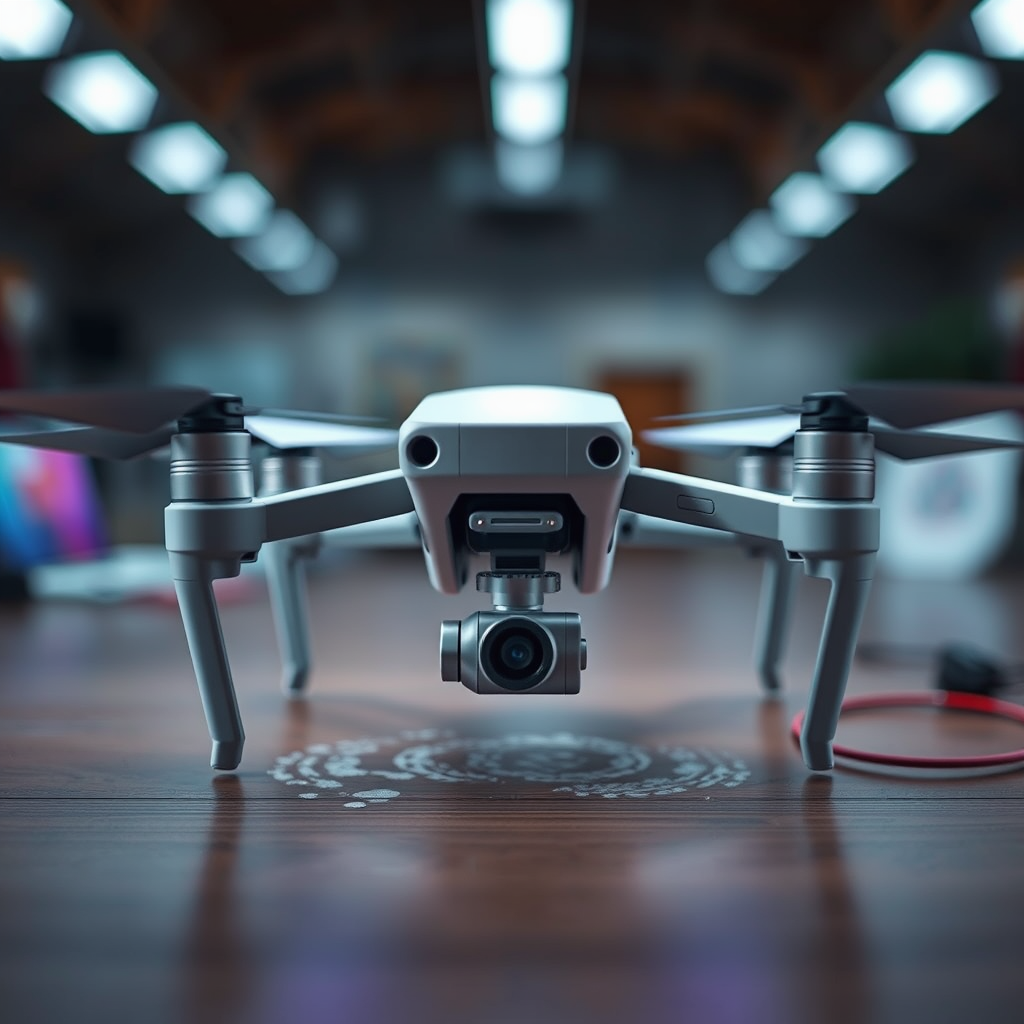
Baking soda can potentially harm the electronics in a drone, especially if it gets into sensitive components or creates moisture when mixed with water. Understanding how baking soda interacts with electronics is crucial for drone maintenance and care, as improper cleaning methods can lead to costly repairs or even total drone failure. In this post, we will delve deeper into the composition of baking soda, its effects on electronics, the risks associated with its use in drone maintenance, best practices for cleaning drones, signs of damage from exposure, and alternatives to baking soda for effective drone care.
Understanding the Composition of Baking Soda
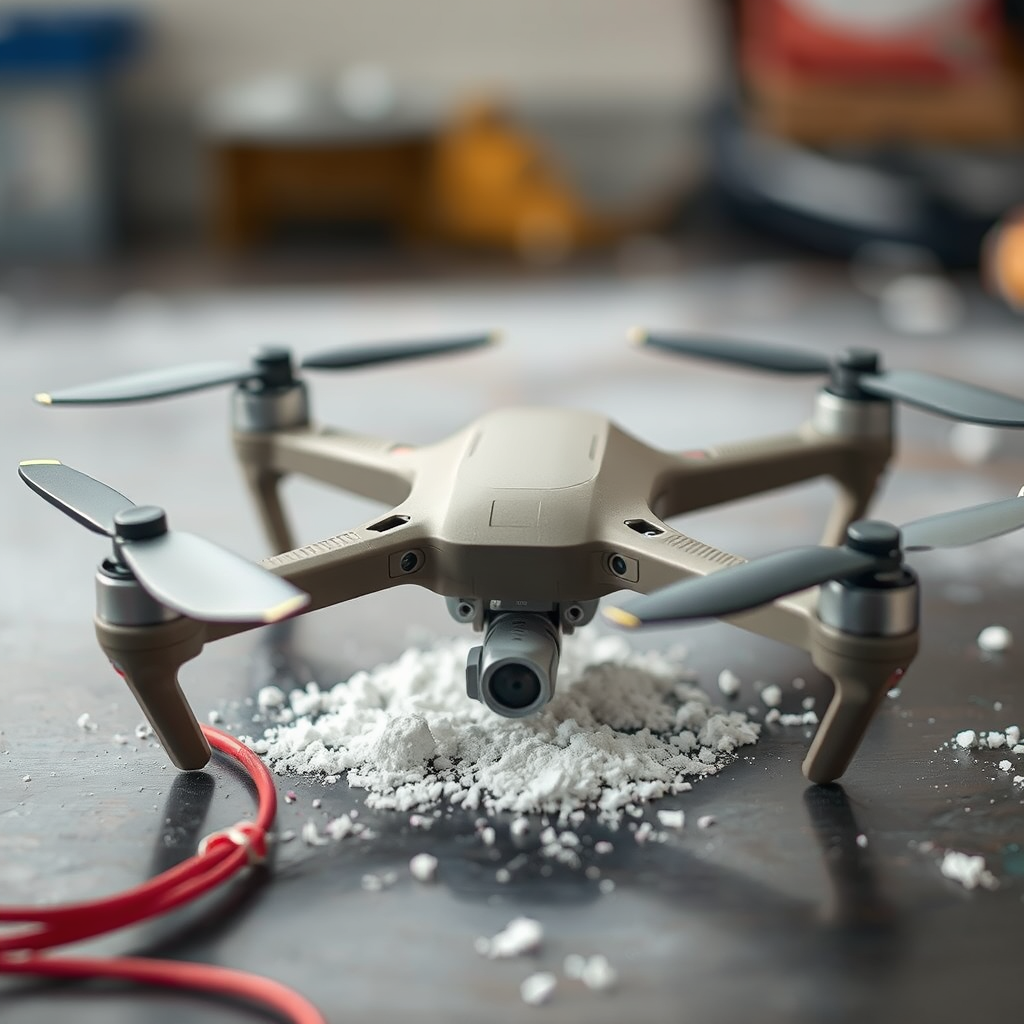
Baking soda, chemically known as sodium bicarbonate, is a mild alkaline compound commonly used in cooking and cleaning. Its alkalinity means it can react with acids, leading to chemical interactions that may not be immediately visible but can have significant implications for sensitive electronic components. When in contact with moisture, baking soda can form a paste that may not only leave a residue but also facilitate corrosion, especially in the presence of metal contacts and connectors within the drone. This is important to consider since drones contain various electronic parts that are sensitive to chemical reactions and moisture.
How Baking Soda Can Affect Electronics
The primary concern with using baking soda in drone maintenance lies in its potential to cause corrosion on metal contacts and connectors. When baking soda is applied, it can leave a residue that, if not cleaned properly, can create short circuits within the electronic systems. These short circuits can lead to malfunctions, erratic behavior, or complete failure of the drone during operation. Additionally, the abrasive nature of baking soda can damage delicate components, further jeopardizing the drone’s performance. Such damage can be particularly alarming for drone enthusiasts and professionals alike, as it may lead to unexpected crashes or the need for expensive repairs.
Risks of Using Baking Soda in Drone Maintenance
While baking soda may be perceived as a safe and natural cleaning agent, its use in drone maintenance carries several risks. One significant issue is that dust and debris can mix with baking soda, creating a more abrasive cleaning method that can scratch and deteriorate sensitive electronic components. Furthermore, improper application of baking soda can leave behind a residue that is difficult to remove, potentially causing long-term damage to the drone’s systems. Drones operate in environments where exposure to elements is inevitable, so adding another layer of risk through improper cleaning methods can be detrimental.
Best Practices for Cleaning Drones
To ensure the longevity and optimal performance of your drone, it’s essential to employ best practices when it comes to cleaning. Using specialized electronic cleaners designed for delicate components is highly recommended. These cleaning agents are formulated to safely remove dirt and grime without causing harm to the electronics. Additionally, utilizing a soft brush or microfiber cloth can help in gently dislodging dust from intricate areas without the risk of abrasion. Avoid using any substances that are not specifically formulated for electronics, as they may contain chemicals that could react adversely with the materials used in drone construction.
Signs of Damage from Baking Soda Exposure
Recognizing the signs of damage from baking soda exposure is crucial for drone operators. Common indicators include unresponsive controls or erratic behavior during flight, such as sudden drops in altitude or unpredictable maneuvers. Visual signs of corrosion or residue on electronic components should also raise red flags; this may appear as discoloration, flaking, or a chalky substance forming on connectors and circuit boards. If these signs are observed, it is vital to cease operation and conduct a thorough inspection and cleaning to prevent further damage and ensure the safety and functionality of the drone.
Alternatives to Baking Soda for Drone Care
There are effective alternatives to baking soda that can be safely used for drone care. Isopropyl alcohol is a preferred choice for cleaning electronic parts due to its rapid evaporation rate and ability to dissolve oils and residues without leaving behind moisture that can facilitate corrosion. Compressed air is another excellent alternative for removing dust and debris from hard-to-reach areas without introducing any liquid. When cleaning drones, always prioritize these safer options to maintain the integrity of the electronic components and ensure optimal performance.
In summary, while baking soda is a common household item, its use in cleaning drones can pose significant risks to electronic components. The potential for corrosion, residue buildup, and abrasive damage makes it an unsuitable choice for drone maintenance. Instead, opting for specialized cleaning agents and adhering to best practices will help ensure the longevity and performance of your drone. Always prioritize care and maintenance to prevent damage, allowing you to enjoy safe and effective flying experiences.
Frequently Asked Questions
Can baking soda damage the electronics in a drone?
Yes, baking soda can potentially damage the electronics in a drone if it comes into direct contact with sensitive components. The fine powder can lead to short circuits or corrosion of circuit boards when moisture is present. It’s essential to keep baking soda away from electronic parts to maintain the functionality and longevity of your drone.
How can I clean my drone without using baking soda?
To clean your drone safely without using baking soda, consider using a soft microfiber cloth and isopropyl alcohol for the exterior surfaces. For more intricate parts, like rotors and cameras, compressed air can effectively remove debris without risking moisture damage. Always ensure that the drone is powered off and that you avoid using any abrasive materials that could scratch sensitive components.
Why is baking soda recommended for cleaning in some cases but not for drones?
Baking soda is often recommended for cleaning due to its abrasive properties and ability to neutralize odors, but these benefits do not extend to delicate electronics like those found in drones. The granular texture can scratch surfaces, and when mixed with moisture, it can create a paste that may infiltrate electronic parts, leading to potential damage. Therefore, it’s best to use specialized electronic cleaning solutions designed to protect sensitive components.
What should I do if baking soda accidentally gets into my drone’s electronics?
If baking soda accidentally gets into your drone’s electronics, it’s crucial to take immediate action. First, power off the drone and remove the battery to prevent any short circuits. Carefully disassemble the affected parts, if possible, and gently brush away the baking soda with a soft, dry brush. Avoid using water or liquids, as they can cause further damage. If you’re unsure, consider consulting a professional for cleaning and inspection.
Which cleaning products are safe to use on drones instead of baking soda?
Safe cleaning products for drones include isopropyl alcohol, distilled water, and specialized electronic cleaning wipes. These solutions are effective in removing dirt and grime without damaging sensitive components. Always choose non-abrasive and non-corrosive products, and test any new cleaning solution on a small area first to ensure compatibility with your drone’s materials.
References
- https://en.wikipedia.org/wiki/Baking_soda
- https://www.ncbi.nlm.nih.gov/pmc/articles/PMC5035791/
- https://www.sciencedirect.com/science/article/pii/S0013468614002204
- https://www.reuters.com/article/us-drones-safety-idUSKBN1A12D8
- https://www.faa.gov/uas/
- https://www.techopedia.com/definition/32145/drone-electronics
- https://www.nasa.gov/mission_pages/aircraft/technology/what-is-a-drone.html
