

Yes, crypto drones can be programmed to pick up banners, thanks to advancements in drone technology and the integration of cryptocurrency for operational transactions. This innovative capability is set to revolutionize advertising and event promotions, providing businesses with a unique way to engage their audiences. As the intersection of technology and marketing continues to evolve, understanding how crypto drones function and their implications for the advertising landscape becomes increasingly relevant.
Understanding Crypto Drones
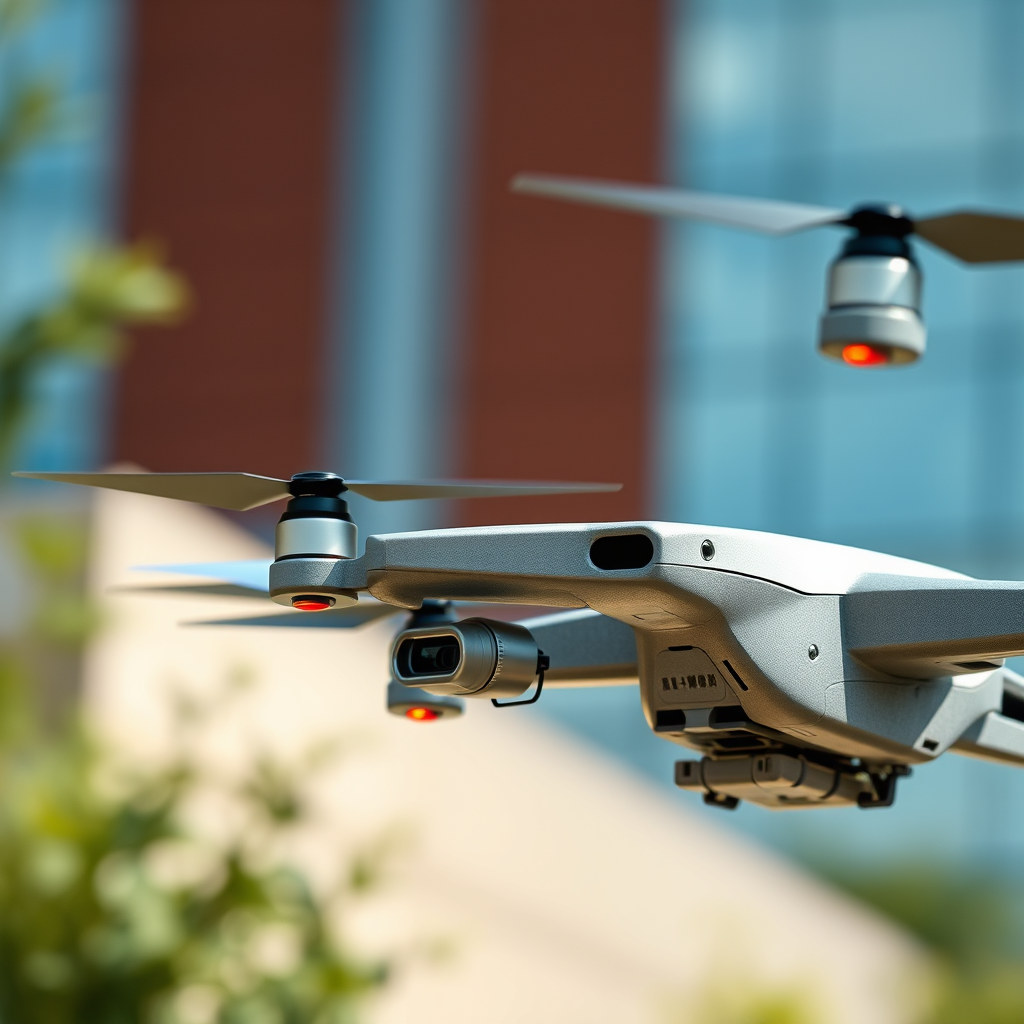
Crypto drones are unmanned aerial vehicles (UAVs) equipped with the technology to conduct transactions using cryptocurrencies. These drones operate within a framework that integrates advanced software and hardware, allowing them to execute tasks autonomously, including the pickup and delivery of items like banners. The incorporation of cryptocurrency into drone operations enables seamless transactions for services, maintenance, and even operational costs, enhancing the overall efficiency of drone workflows.
The functionality of a crypto drone is fundamentally rooted in its ability to communicate with blockchain networks for secure transactions. By utilizing smart contracts, businesses can automate payments based on the delivery of services or goods. This not only streamlines operational processes but also provides a transparent and verifiable method of transaction that is increasingly attractive in today’s digital economy.
The Mechanics of Banner Pickup
To effectively pick up banners, drones must be designed with specific adaptations that allow for secure and reliable handling of these items. This includes modifications to their landing gear and the incorporation of specialized grippers or hooks that can latch onto a banner. The design must ensure that the drones can manage the weight and size of the banners, which can vary significantly depending on the advertising needs.
Technical requirements for successful banner pickup also involve sophisticated navigation systems. Drones need to be equipped with sensors and GPS technology to accurately locate and retrieve banners from predetermined locations. Additionally, they must be able to assess wind conditions and other environmental factors to ensure safe and stable flight during the pickup process. The integration of artificial intelligence can further enhance these capabilities by enabling real-time adjustments and decision-making.
Applications in Advertising
The potential applications of crypto drones in advertising are vast and varied. Businesses can utilize these drones for promotional events, outdoor advertising, and even as part of a guerrilla marketing strategy. For instance, during a festival or a sporting event, drones can deploy banners to capture the attention of attendees, flying over crowds and delivering targeted messages in real-time.
A notable case study is the use of drones at major events such as music festivals, where brands can hire drone services to circulate promotional banners. In 2022, a popular music festival utilized drones to showcase various sponsorships, effectively reaching thousands of attendees with minimal physical setup. The impact was measurable, with an increase in brand engagement on social media platforms following the event.
Moreover, businesses can leverage cryptocurrency payments for these services, making it easier to transact with drone service providers, particularly in regions where traditional payment methods may be cumbersome. This dual use of technology not only reduces costs but also opens new markets for advertising efforts.
Safety and Regulations
As with any technology, safety is a critical consideration when utilizing drones for banner pickup. Key safety measures include ensuring that drones are equipped with fail-safe features, such as automated landing protocols and collision avoidance systems. Operators must remain vigilant to prevent accidents, particularly in crowded or urban environments where many people may be present.
The regulatory landscape governing drone operations in public spaces is continuously evolving. In many countries, drones must adhere to specific flight regulations, including altitude restrictions, no-fly zones, and operator licensing requirements. Businesses interested in deploying crypto drones for advertising purposes should familiarize themselves with local laws to ensure compliance and avoid potential legal pitfalls.
Future Prospects
The future of crypto drones looks promising, with several innovations on the horizon that could enhance their capabilities. Developments in battery technology will likely lead to longer flight times, enabling drones to cover more significant distances and support larger banners without the need for frequent recharging. Additionally, advancements in artificial intelligence will allow drones to become more autonomous, improving their ability to navigate complex environments and execute tasks with minimal human intervention.
Predictions indicate that the growth of drone advertising, particularly when integrated with cryptocurrency, may see significant increases in the coming years. As businesses seek new ways to capture consumer attention in a digital-first world, the use of drones for dynamic advertising will likely become more prevalent, driven by demand for innovative marketing strategies.
Challenges and Limitations
Despite the potential benefits of using drones for banner advertising, several challenges and limitations remain. Technically, drones may face issues such as battery life constraints, limited payload capacities, and susceptibility to adverse weather conditions. These factors can impact the reliability and effectiveness of drone operations, necessitating ongoing research and development to overcome these hurdles.
Moreover, while the integration of cryptocurrency offers benefits, it also presents challenges related to market volatility and regulatory scrutiny. Businesses must be prepared to navigate the complexities of cryptocurrency transactions and ensure that their operations remain compliant with evolving financial regulations.
In conclusion, the intersection of cryptocurrency and drone technology not only allows for the innovative pickup of banners but also transforms the advertising landscape. As this technology evolves, businesses should stay informed about its potential to enhance their marketing strategies. Embracing these advancements could provide a competitive edge in an increasingly crowded marketplace, allowing brands to engage their audiences in novel and exciting ways.
Frequently Asked Questions
Can drones be used to pick up and carry banners?
Yes, drones can be designed to pick up and carry banners, especially when they are equipped with the appropriate payload capabilities. Many commercial drones come with specialized attachments or hooks that can securely hold lightweight banners. It’s essential to ensure that the drone’s weight capacity is suitable for the size and material of the banner to avoid potential flight risks.
How do I prepare a banner for drone advertising?
To prepare a banner for drone advertising, make sure that the material is lightweight, durable, and has some flexibility to prevent tearing during flight. Additionally, attach a secure harness or hook that allows the drone to grip the banner without damaging it. Finally, consider the dimensions of the banner to ensure it fits within the drone’s lifting capacity and does not impede its flight stability.
Why should I use a drone to carry banners for advertising?
Using a drone to carry banners for advertising offers a unique and eye-catching way to promote your brand, especially during outdoor events or large gatherings. Drones can cover vast areas quickly, allowing for increased visibility and engagement. Moreover, drone advertising can often be more cost-effective and environmentally friendly compared to traditional billboard advertising.
What are the best drones for carrying banners?
The best drones for carrying banners are typically those that have high payload capacities and stable flight performance. Models like the DJI Matrice 600 or the Freefly Alta 6 are popular choices due to their robust design and ability to carry heavier loads. Always check the manufacturer’s specifications to ensure the drone can handle the weight of your banner and any additional attachments.
Which regulations do I need to consider when using drones for banner advertising?
When using drones for banner advertising, it’s crucial to adhere to local regulations set by aviation authorities, such as the FAA in the United States. This includes registering your drone, obtaining necessary permits for commercial use, and following guidelines regarding altitude limits and no-fly zones. Additionally, always prioritize safety by ensuring that the flight area is clear of people and obstacles during operations.
References
- https://en.wikipedia.org/wiki/Drone_advertising
- https://www.bbc.com/news/technology-47127002
- https://www.nytimes.com/2021/04/08/technology/drones-advertising.html
- https://www.sciencedirect.com/science/article/abs/pii/S2542660519301017
- https://www.techcrunch.com/2021/05/21/how-drones-are-transforming-advertising/
- https://www.researchgate.net/publication/335748401_The_impact_of_drones_on_advertising_and_marketing
- https://www.wired.com/story/flying-drones-advertising-banners/
- https://www.faa.gov/uas/
- https://www.futurelearn.com/courses/drone-technology/0/steps/27612
