
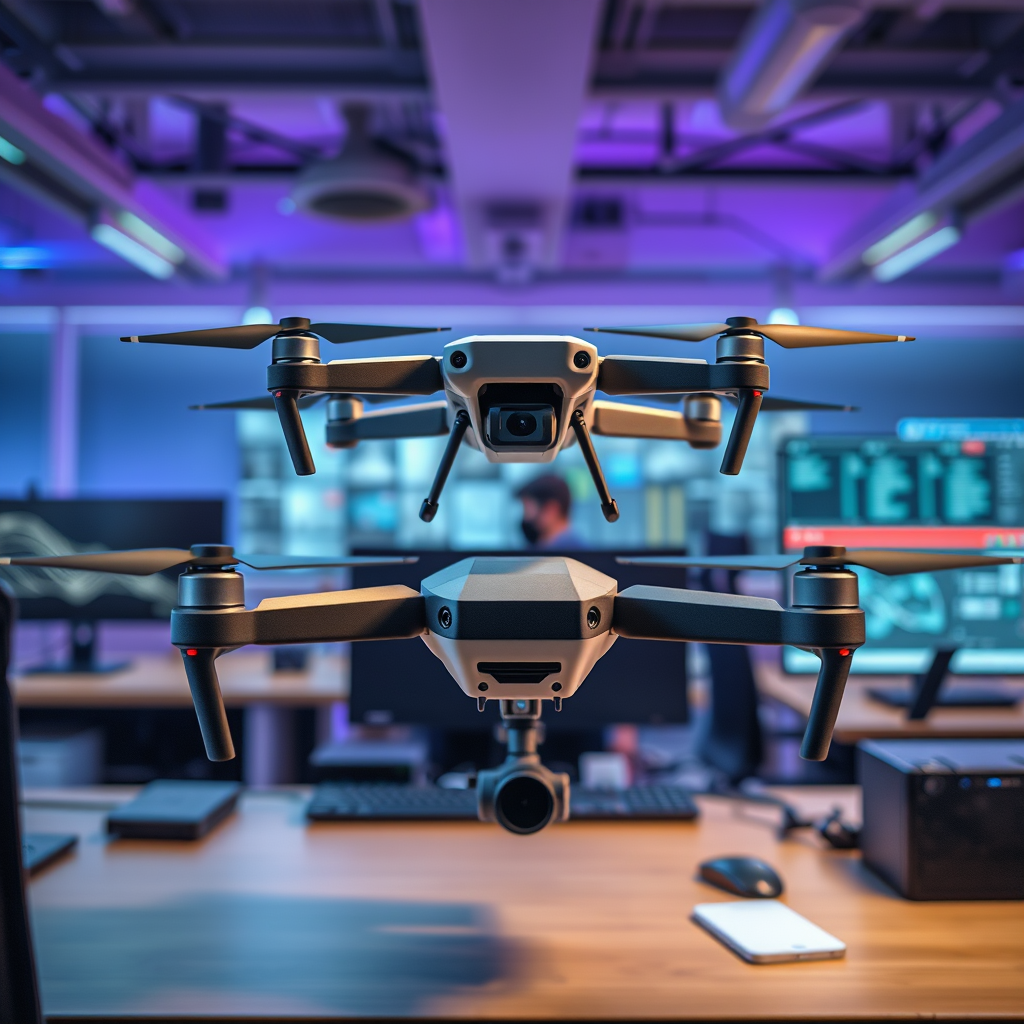
While DJI drones can be tracked to some extent, the effectiveness of tracking largely depends on the specific model, the software being used, and the tracking methods available. DJI incorporates a range of technologies that allow users to monitor their drone’s location, but understanding how these technologies work is essential for successful tracking. This article will delve into the various tracking mechanisms utilized by DJI drones, the implications of these technologies, and the considerations users should keep in mind for optimal tracking.
How DJI Drones Utilize GPS
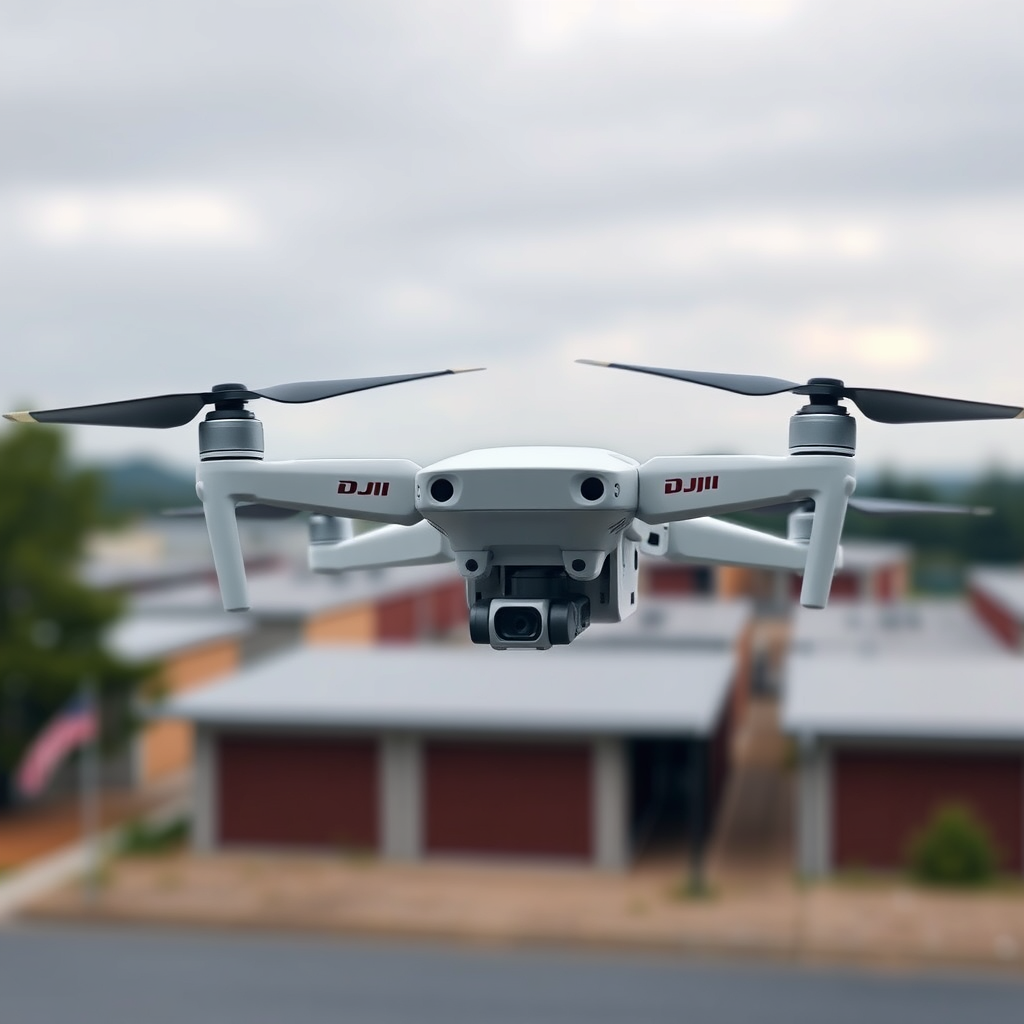
DJI drones are equipped with advanced Global Positioning System (GPS) technology that enables precise location tracking. GPS is a satellite-based navigation system that provides location and time information in all weather conditions, anywhere on Earth. Most DJI drones, including popular models like the Mavic Air 2 and the Phantom 4, feature multi-channel GPS, which enhances both accuracy and responsiveness during flight. Users can access real-time GPS data through the DJI Fly or DJI GO apps, which display the drone’s current location, altitude, and speed. This information not only aids in navigation but also provides peace of mind, as users can keep track of their drone’s position at all times.
The integration of GPS technology also allows for features such as “Return to Home” (RTH), which automatically brings the drone back to its launch point if it loses connection with the remote controller or if the battery level is critically low. This safety feature is dependent on accurate GPS tracking, reinforcing the importance of a reliable GPS system in DJI drones.
Types of Tracking Technologies
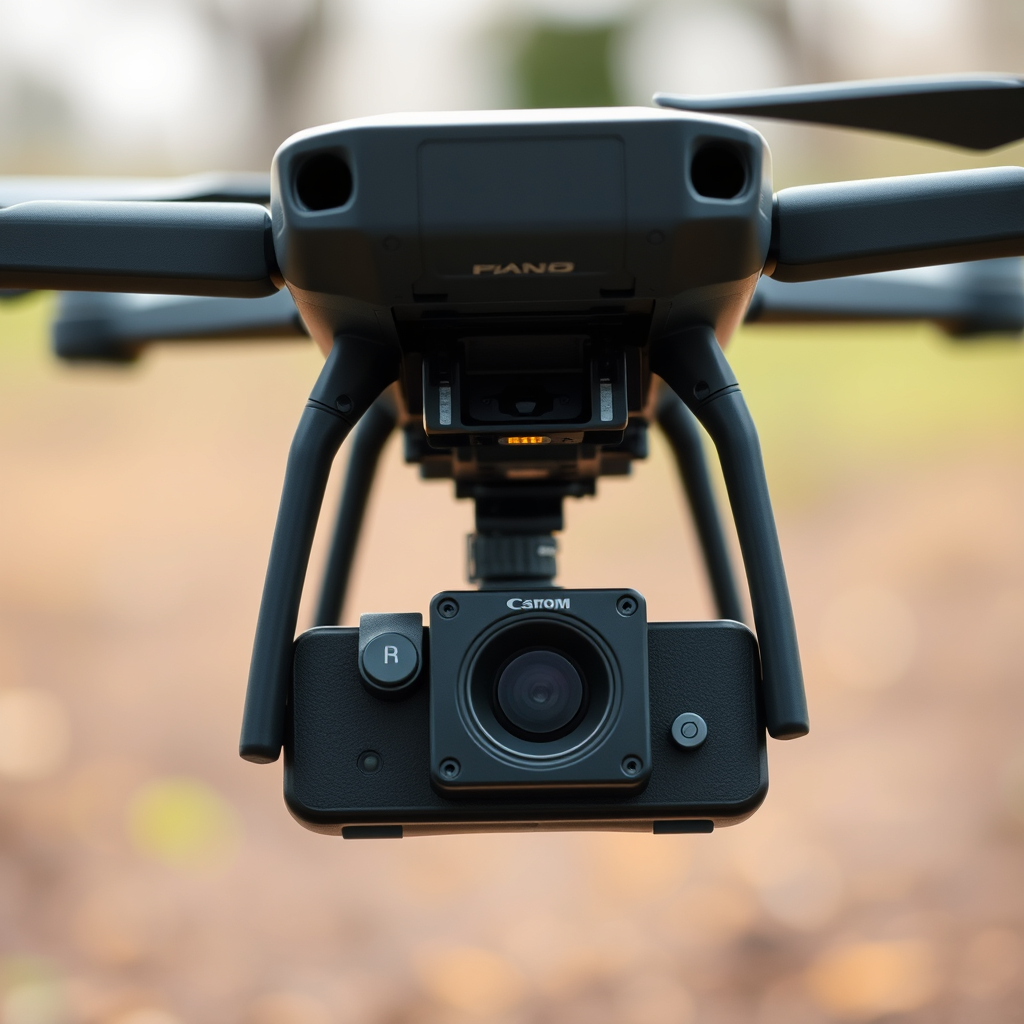
– Built-in GPS Tracking: Most DJI models come with built-in GPS that helps in locating the drone during flights. This system works seamlessly in conjunction with the drone’s navigation and stabilization systems, ensuring that the drone can maintain its position accurately. The built-in GPS can also be used to create waypoints for autonomous flights, allowing users to pre-plan their routes.
– Third-party Tracking Solutions: For users seeking enhanced tracking capabilities, a variety of third-party applications and devices are available. These solutions can provide additional features such as real-time tracking on a map, alerts for geofencing breaches, and tracking history. Popular options include apps like Airdata UAV and DroneLogbook, which allow users to log flights and track their drone over longer distances or in areas with challenging GPS reception. Some users may also opt to install lightweight GPS trackers that operate independently of the drone’s built-in system, providing an additional layer of security.
DJI’s Find My Drone Feature
DJI’s “Find My Drone” feature is an invaluable tool for users concerned about losing their drone. This feature utilizes the last known GPS coordinates to help locate the drone if it goes missing. When activated, users can view the drone’s last recorded position on the app, which can significantly aid in recovery efforts. However, it is crucial to note that the effectiveness of this feature is contingent upon having sufficient battery life remaining in the drone. If the battery depletes entirely, the GPS signal will be lost, making it much more challenging to locate the drone.
In addition to the Find My Drone feature, users are encouraged to familiarize themselves with their drone’s surroundings and potential obstacles before flying. This proactive approach can minimize the risk of losing the drone in the first place.
Legal and Privacy Considerations
The ability to track drones raises important questions about privacy and legality, especially in urban environments where drones may inadvertently intrude on private property or sensitive areas. Users must be cognizant of local regulations regarding drone operations, which can vary widely from one jurisdiction to another. In some regions, tracking technologies may be restricted or regulated, particularly when it comes to surveillance capabilities.
It is advisable for drone operators to review their local laws and regulations regarding drone tracking and privacy. This may include obtaining necessary permits or ensuring that they are not violating the privacy rights of others. By adhering to these regulations, drone users can enjoy the benefits of tracking technology while respecting the legal boundaries in their area.
Challenges in Tracking DJI Drones
While the tracking capabilities of DJI drones are robust, several challenges can hinder effective tracking. Environmental factors, such as urban canyons, dense foliage, and electromagnetic interference, can disrupt GPS signals, leading to inaccurate location data. Similarly, flying in areas with high potential for signal loss can make it difficult to maintain a reliable connection between the drone and the controller.
The distance from the controller also impacts tracking reliability; as the drone moves farther away, the communication signal can weaken, potentially leading to a loss of GPS and telemetry data. Consequently, knowing the range limitations of your specific DJI model is essential, as it can help users avoid situations where tracking becomes unreliable.
Best Practices for Effective Tracking
To ensure optimal tracking performance, drone operators should follow several best practices. First and foremost, keeping the drone’s firmware up to date is critical. Manufacturers like DJI frequently release firmware updates that can enhance tracking features and improve overall performance. Regular maintenance checks of the drone, including battery levels and GPS functionality, should also be performed before each flight.
Moreover, familiarizing oneself with the drone’s flight environment can significantly contribute to effective tracking. Identifying potential obstacles and areas with weak GPS signals can help users avoid situations that may impede tracking. Additionally, utilizing the DJI app to monitor the drone’s status in real-time can provide valuable insights into its location and performance during flight.
Alternatives for Enhanced Tracking
For those seeking to enhance their tracking capabilities, several alternatives are available. One option is to install additional tracking devices that can operate independently of the drone’s built-in GPS. These devices often utilize cellular networks or radio frequency systems to provide more accurate tracking, especially in environments where GPS signals may be weak.
Investing in technology that complements your drone’s existing tracking capabilities can also be advantageous. For instance, some drone operators use tracking collars or tags designed for pets, which can provide an additional layer of security. Researching and selecting the right tools to augment your drone’s tracking system can significantly enhance your ability to monitor and recover your equipment.
By understanding the tracking capabilities of DJI drones, you can make informed decisions about their use and management. Whether you’re looking to prevent loss or enhance your flying experience, knowing how these systems work is crucial for every drone operator. Embracing best practices and considering supplementary tracking solutions will ensure that your drone flights remain enjoyable and secure.
Frequently Asked Questions
Can DJI drones be tracked if they get lost or stolen?
Yes, DJI drones can be tracked using various built-in technologies. Most DJI models have a feature called “Find My Drone,” which utilizes GPS to help locate your drone if it goes missing. Additionally, some models can connect to the DJI Fly app, allowing users to view the last known location on a map, making it easier to recover your drone if it strays out of sight.
How does DJI’s tracking system work for their drones?
DJI drones are equipped with GPS technology that allows them to determine their precise location in real-time. When a drone is in flight, it transmits its location data back to the DJI Fly app installed on your smartphone. This app can show you the drone’s flight path and last known position, enabling users to track their drone effectively if it goes out of range or experiences a malfunction.
Why is it important to track your DJI drone?
Tracking your DJI drone is crucial for several reasons, including safety and recovery. If your drone goes out of range or loses signal, knowing its last location can help you retrieve it quickly, minimizing the chances of permanent loss. Furthermore, tracking can also prevent unauthorized use or theft, as you can monitor your drone’s location in real-time.
What are some best practices for ensuring DJI drones are easily trackable?
To ensure your DJI drone is easily trackable, always keep the firmware updated, as updates can enhance GPS accuracy and tracking features. Always fly within the range of your remote and maintain a clear line of sight with your drone. Additionally, familiarize yourself with the “Return to Home” feature, which can automatically bring your drone back to its takeoff point if it loses connection, further aiding in tracking and recovery.
Which DJI drones have the best tracking capabilities?
DJI’s Mavic series, particularly the Mavic Air 2 and Mavic 3, are known for their excellent tracking capabilities due to advanced GPS technology and enhanced obstacle avoidance systems. The DJI Phantom 4 Pro also offers robust tracking features, including precise GPS and real-time telemetry data that can provide accurate tracking information. When choosing a drone for tracking, consider features like the range of GPS connectivity and the quality of the associated mobile app.
References
- DJI
- Remote Identification of Drones | Federal Aviation Administration
- https://www.nytimes.com/2021/01/22/business/drones-tracking.html
- https://www.theguardian.com/technology/2020/may/13/drones-privacy-tracking
- https://www.reuters.com/technology/dji-drones-are-tracked-how-you-can-protect-your-privacy-2021-06-24/
- https://www.techrepublic.com/article/how-to-keep-your-drone-from-being-tracked/
- https://www.nasa.gov/feature/nasa-uses-drones-to-track-wildfires
- https://www.bbc.com/future/article/20200713-how-drones-are-being-used-to-track-wildlife
- https://www.sciencedirect.com/science/article/pii/S2352914821000092
