
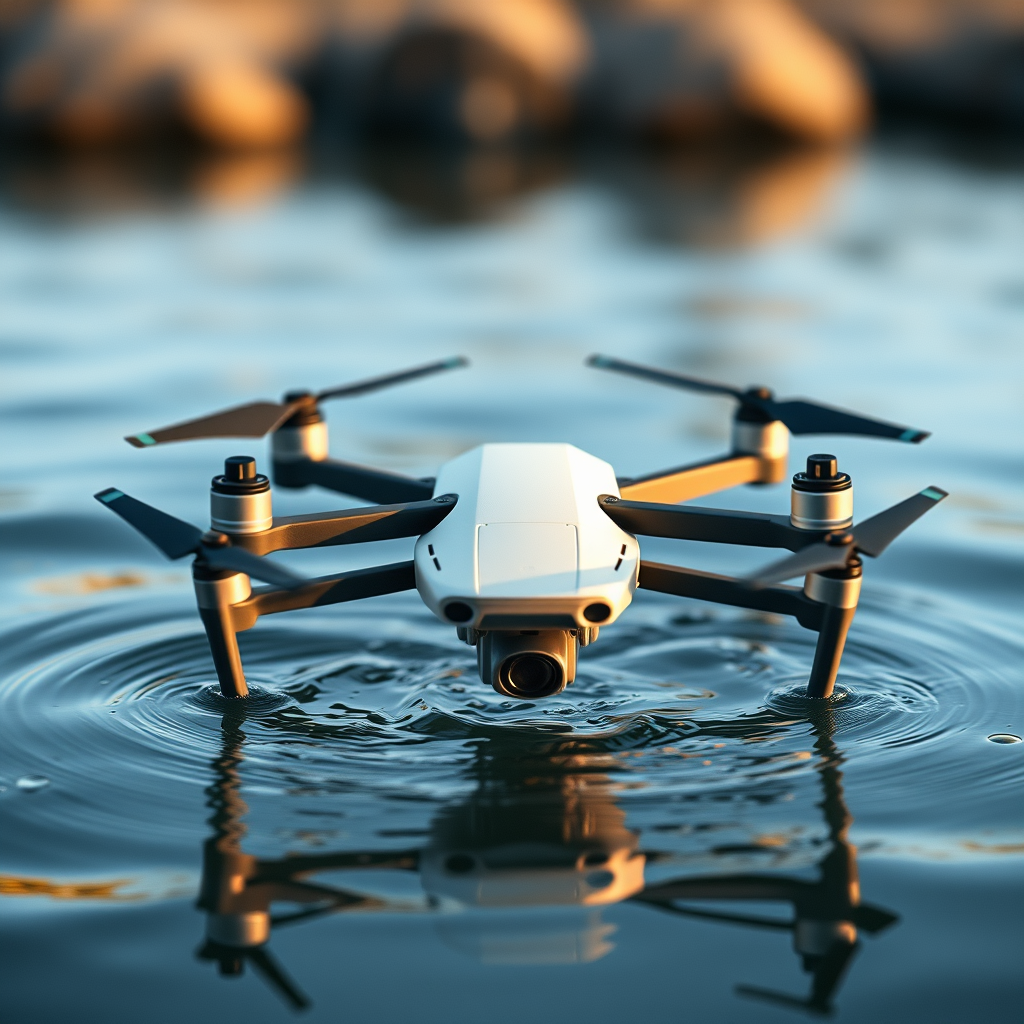
While DJI drones do not have built-in sensors specifically designed to detect water, they can be equipped with features that help prevent water-related issues. Understanding how these drones interact with water and the inherent risks involved is crucial for effective operation. In this article, we will examine the capabilities of DJI drones in relation to water, outline potential risks, explore preventative features, share user experiences, and provide tips for safe operations near water bodies.
Understanding DJI Drone Sensors
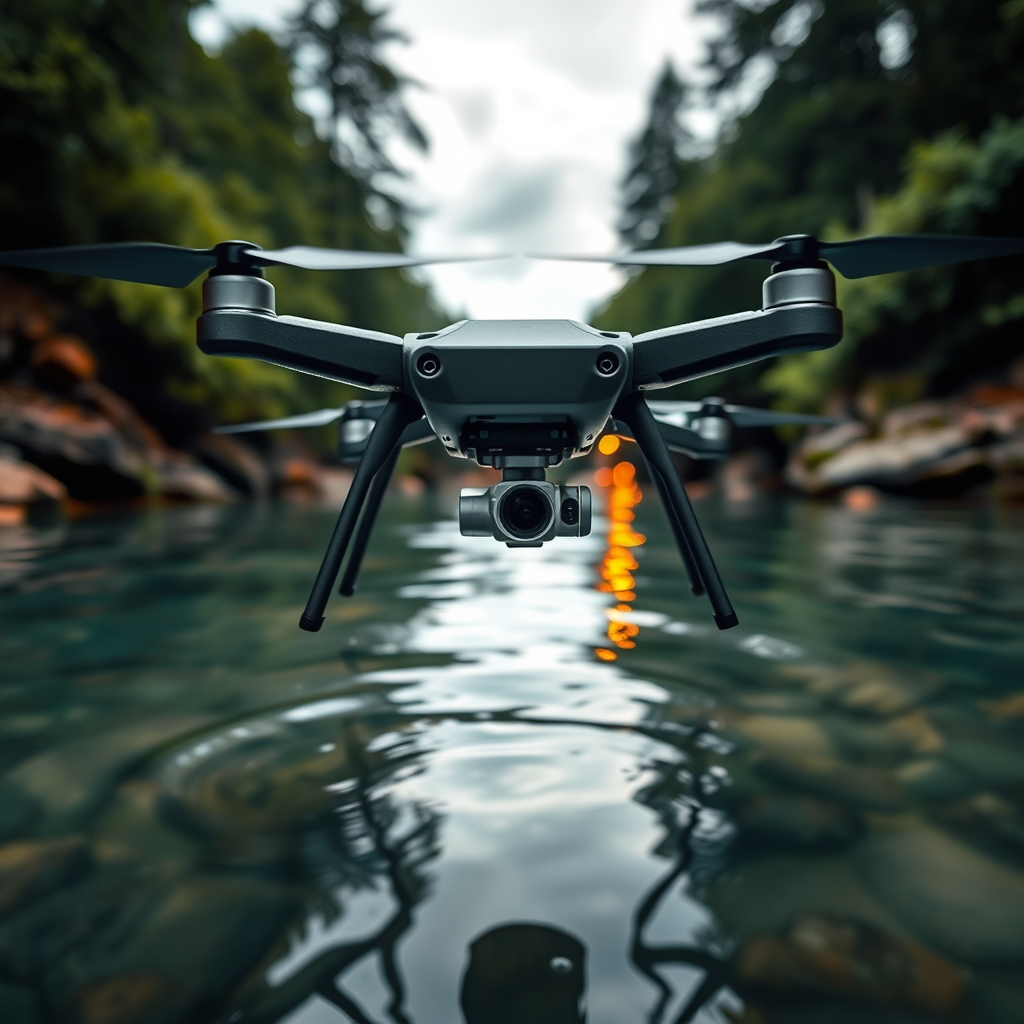
DJI drones are equipped with a range of advanced sensors that facilitate navigation and obstacle avoidance. These include ultrasonic sensors, vision sensors, and GPS technology, which allow the drone to perceive its environment and navigate safely. However, it is important to note that these sensors are primarily designed to detect physical obstacles, such as trees or buildings, rather than environmental conditions like water. Consequently, while these sensors can help prevent collisions during flight, they do not provide any warning or detection capability when it comes to water. This limitation underscores the need for drone operators to remain vigilant and aware of their surroundings, especially when flying in proximity to lakes, rivers, or oceans.
The Risks of Flying Drones Over Water
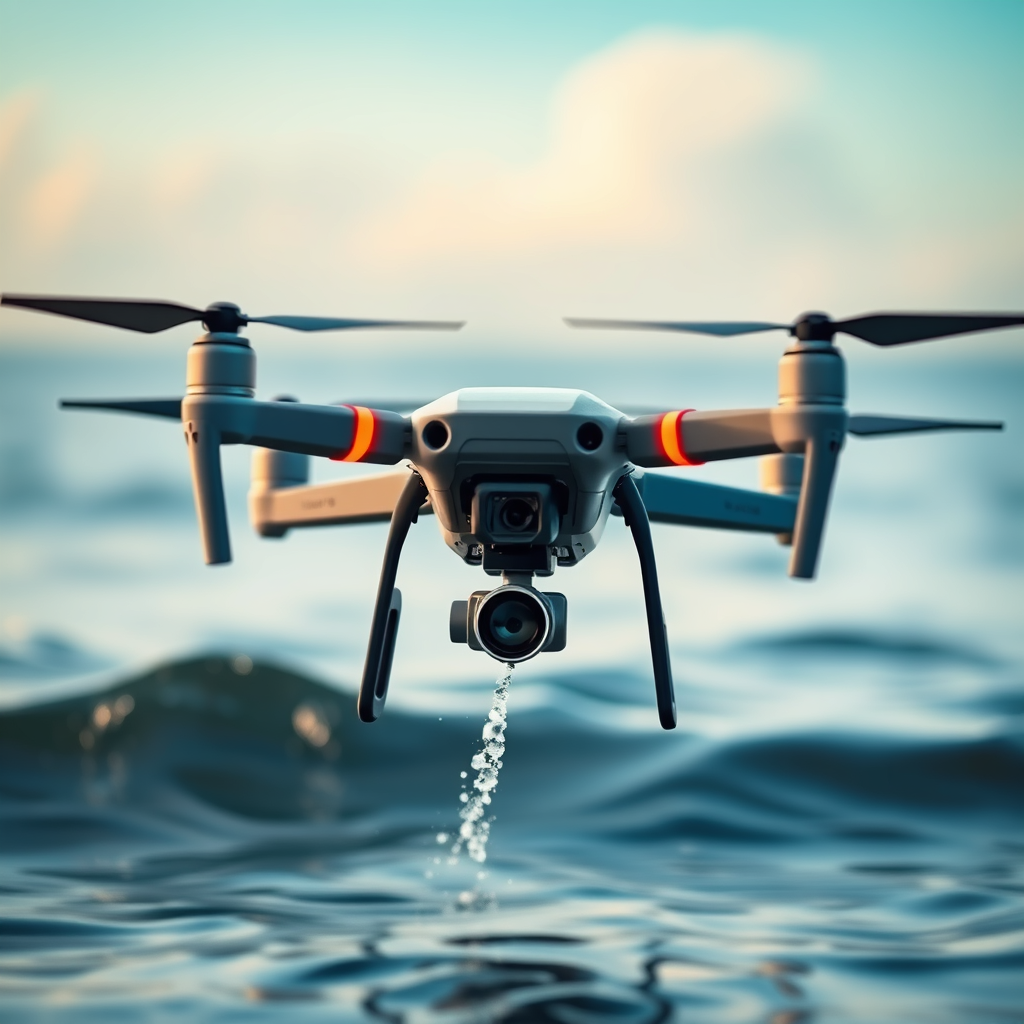
Flying drones over water can introduce significant risks, including potential damage and loss of control. One of the primary concerns is the risk of a drone malfunctioning or losing battery power mid-flight, leading to an unintended descent into the water. Water can cause severe damage to electronic components, rendering the drone inoperable. Additionally, strong winds and unpredictable weather conditions often present near bodies of water can affect flight stability, increasing the likelihood of accidents. Operators also face challenges related to retrieving a downed drone from water, which can be difficult and may lead to further damage. Understanding these risks is paramount; it empowers drone operators to make informed decisions about whether to fly over water and how to mitigate potential issues effectively.
Features to Prevent Water Damage
Many DJI drones are designed with water-resistant features, but it’s crucial to understand that they are not entirely waterproof. For instance, models like the DJI Phantom 4 and Mavic 2 have certain levels of water resistance, allowing them to withstand light rain and splashes. However, immersion in water can lead to irreversible damage. To enhance protection against water-related risks, users should engage in regular maintenance and inspections. This includes checking for any signs of wear or damage to seals and ensuring that all components are functioning correctly. Additionally, using propeller guards and landing pads can help prevent accidental water landings. Operators may also consider investing in waterproof cases or bags for transporting their drones, providing an extra layer of protection against accidental exposure.
User Experiences with DJI Drones in Water
Real-world experiences from DJI drone users provide valuable insights into the challenges and risks associated with flying near water. Some users have reported unfortunate incidents of their drones unintentionally landing in water due to loss of signal or battery failures. For example, a user flying a DJI Mavic Air over a river experienced a sudden drop in battery life, leading to a crash landing in the water. Another user shared their experience of a gust of wind causing their drone to veer off course and into a lake. These accounts highlight the importance of understanding how environmental factors can affect drone performance and the necessity of being prepared for such contingencies. Many users emphasize the need for thorough pre-flight checks, careful planning, and the use of fail-safe modes, which can help reduce the risk of water-related incidents.
Tips for Safe Operation Near Water
To minimize the risks associated with flying drones near water, operators should adhere to several best practices. Firstly, it is essential to always maintain a visual line of sight when flying, ensuring that the operator can monitor the drone’s position and behavior at all times. Utilizing altitude settings wisely can also reduce the risk of accidental water landings; flying at a higher altitude allows for a safer margin in case of sudden changes in wind or drone performance. Additionally, operators should avoid flying during windy conditions or in adverse weather, as these factors can compromise flight stability. It is also advisable to conduct a thorough pre-flight checklist, which includes checking battery levels, sensor functionality, and weather conditions. Lastly, having a reliable method of retrieving the drone in case of a mishap, such as a boat or a floatable retrieval system, can significantly mitigate potential losses.
What to Do If a Drone Lands in Water
If a drone accidentally lands in water, immediate action is critical to minimize damage. The first step is to retrieve the drone as quickly as possible, ideally using a retrieval device like a fishing net or a floating buoy. Once the drone is out of the water, it is essential to turn it off immediately to prevent short-circuiting. After retrieval, the drone should be disassembled as much as possible, allowing for thorough drying of all components. Users should then rinse the drone with fresh water to remove any salt or contaminants, especially if it has landed in saltwater. Following this, placing the drone in a bag of silica gel or rice can help absorb moisture effectively. Proper drying and maintenance steps are crucial after water exposure to restore functionality and extend the drone’s lifespan.
Summarizing the key insights, this article emphasizes the importance of understanding the limitations of DJI drones concerning water, alongside practical tips for safe operation. While DJI drones do not possess water detection capabilities, being aware of their features and the associated risks can greatly enhance user experience. Drone operators are encouraged to adopt best practices, conduct thorough pre-flight checks, and stay informed about potential hazards. For further information, consider checking DJI’s official resources or connecting with fellow drone enthusiasts for best practices.
Frequently Asked Questions
Can DJI drones detect if they have landed in water?
DJI drones are equipped with various sensors that help them detect their environment, but they do not specifically have a built-in feature to determine if they have landed in water. However, many users report that the drone’s sensors may trigger an obstacle avoidance alert if it is getting too close to water, provided the drone is within a certain height. It’s crucial for drone operators to be vigilant, as water landings can cause significant damage to the drone.
How can I prevent my DJI drone from crashing into water?
To prevent your DJI drone from crashing into water, always maintain visual line of sight and avoid flying too close to large bodies of water. Use the Return-to-Home (RTH) feature, which automatically returns the drone to its takeoff point when the battery is low or when the connection is lost. Additionally, familiarize yourself with your drone’s obstacle detection features and ensure you are flying in safe conditions.
Why is it important to know if my DJI drone has landed in water?
Knowing whether your DJI drone has landed in water is crucial because water can cause irreversible damage to the electronic components and battery, leading to costly repairs or complete loss of the drone. If you suspect your drone has landed in water, it’s essential to retrieve it quickly, dry it off thoroughly, and remove the battery to prevent further damage. Timely action can sometimes save your drone from permanent failure.
What should I do if my DJI drone falls into water?
If your DJI drone falls into water, act quickly to retrieve it. Immediately power it off, remove the battery, and dry the drone as much as possible using a soft cloth. After that, submerge the drone in a container of uncooked rice or silica gel for at least 48 hours to absorb moisture. If you notice any signs of corrosion or if the drone does not function properly afterward, consider taking it to a professional repair service.
Which DJI drones are more water-resistant and suitable for flying near water?
DJI offers several drones with varying degrees of water resistance. The DJI Mavic 2 Enterprise and the DJI Matrice series are designed with some level of water resistance, making them more suitable for flying near water. However, it’s important to note that while these drones can withstand splashes and light rain, they are not fully waterproof. Always check the manufacturer specifications and user manual for guidance on flying in wet conditions to ensure safe operations.
References
- Drone
- Unmanned Aircraft Systems (UAS) | Federal Aviation Administration
- https://www.nytimes.com/2021/05/03/business/drone-safety.html
- https://www.sciencedirect.com/topics/engineering/drones
- https://www.nationalgeographic.com/science/article/drones-are-helping-researchers-study-water-quality
- https://www.reuters.com/business/aerial-drones-water-monitoring-2021-06-08/
- https://www.techradar.com/news/drones-and-water-the-challenges-and-opportunities
- https://www.wired.com/story/drones-water-safety/
