
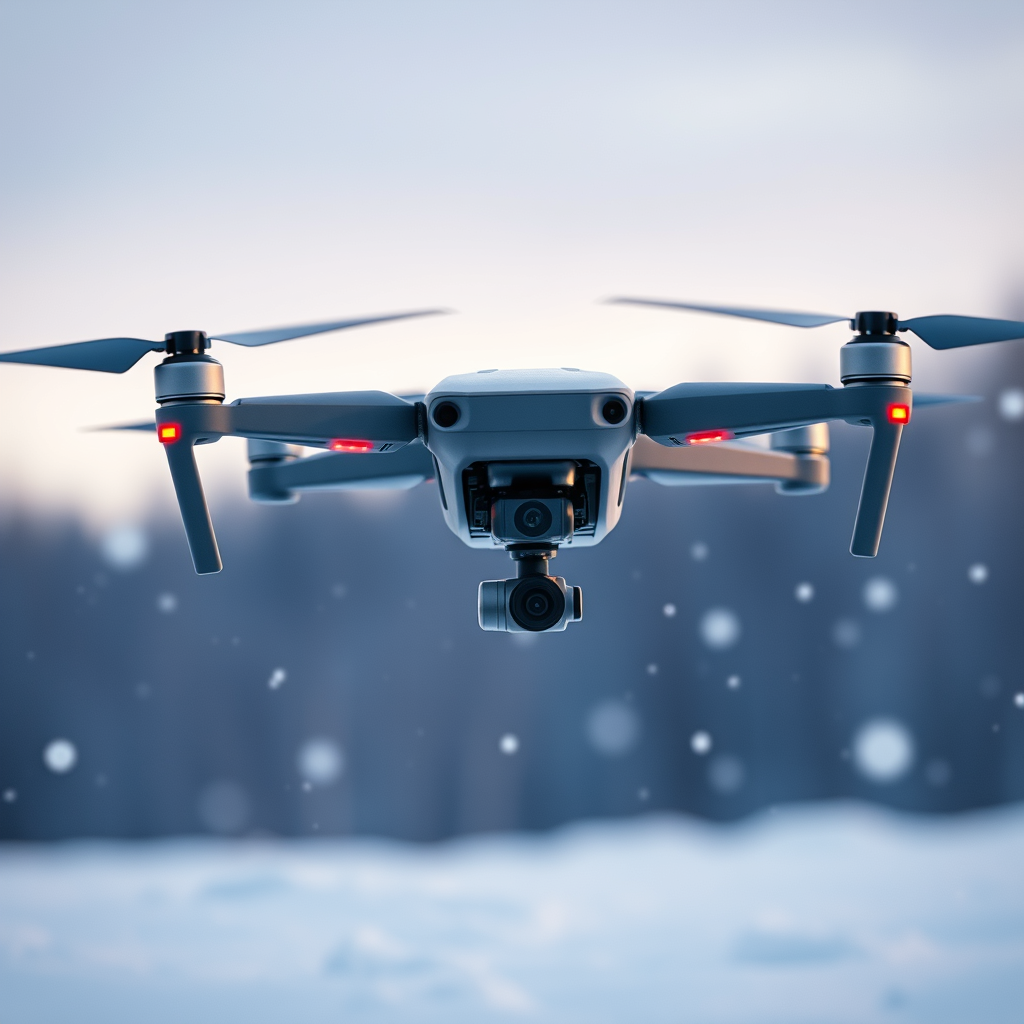
Flying DJI drones in snow is indeed possible, but there are important factors to consider for optimal performance and safety. While DJI drones are built to handle a range of environmental conditions, snowy weather can present unique challenges that may affect flight efficiency and safety. Understanding how snow impacts drone operation, implementing safety precautions, and preparing adequately can ensure a successful flight experience during winter months.
Understanding DJI Drone Specifications
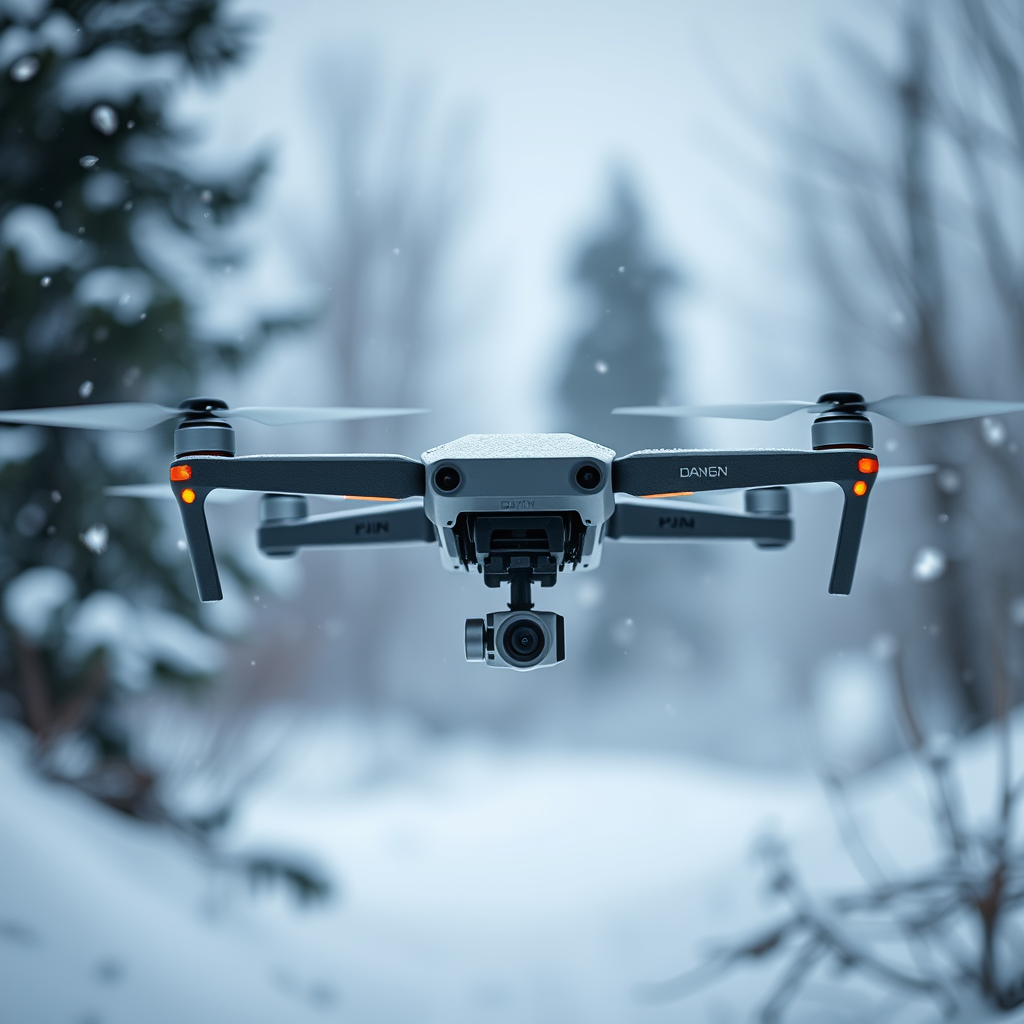
DJI drones are engineered to operate under various weather conditions, but each model comes with specific operating temperature ranges that are crucial to its performance. Most DJI drones can function effectively in temperatures as low as -10°C (14°F) to 0°C (32°F). However, it’s imperative to consult your drone’s manual for precise guidelines regarding flying in cold or snowy environments. For instance, the DJI Mavic series tends to have a recommended operating temperature range that varies slightly from one model to another. In addition to temperature, factors such as humidity and wind can also impact performance, making it essential to consider the overall weather conditions before taking to the skies.
Impact of Snow on Drone Performance
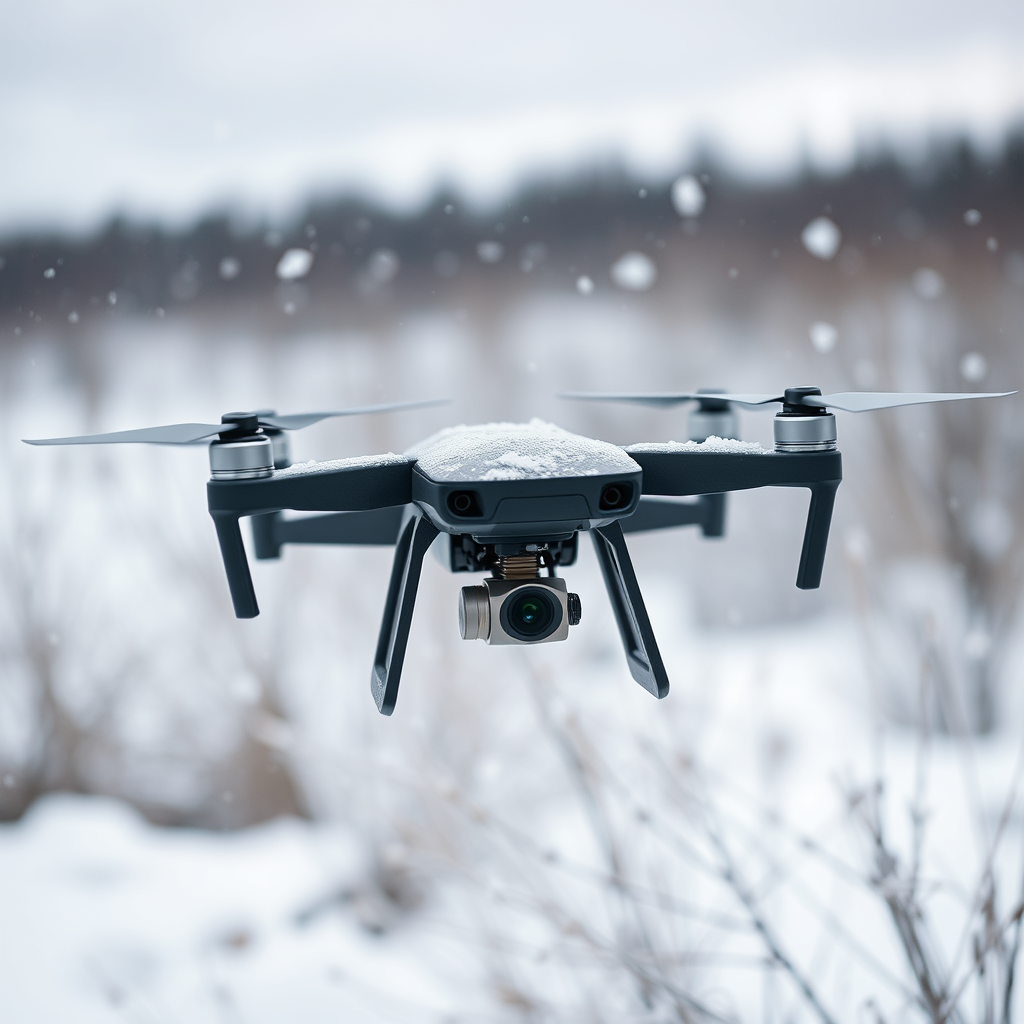
Snow can significantly impact drone performance in various ways. One of the primary concerns is battery life; colder temperatures can cause lithium-polymer batteries to lose charge more quickly, thus reducing flight time. A DJI drone that typically offers 30 minutes of flight time in optimal conditions may only provide 20 minutes in snowy weather. Additionally, visibility issues may arise from snowflakes falling or blowing snow, which can obscure the drone’s camera and sensors, leading to potential navigation and control challenges. Pilots must remain vigilant and adjust their flight plans accordingly to account for these factors, particularly in low-visibility conditions.
Pre-Flight Preparations for Snowy Conditions
Before taking off in snowy conditions, thorough pre-flight preparations are crucial to ensure safety and optimal performance. First, inspect your drone to ensure it is clean and free of snow or ice accumulation, particularly around the propellers and camera lens. Ice can unbalance the drone and significantly impact flight. Next, conduct a comprehensive pre-flight check, which should include assessing battery status, checking propeller condition, and ensuring firmware is up-to-date. It’s advisable to preheat the drone in a warmer environment before flight, as this can help mitigate battery performance issues associated with cold temperatures. Furthermore, pilots should familiarize themselves with the flying area to identify any potential hazards hidden under fresh snow.
Safety Precautions When Flying in Snow
Safety should always be the top priority when flying drones in snowy conditions. Avoid flying in heavy snow or storms; it’s best to opt for clear weather with minimal precipitation to enhance visibility and safety. Be cautious of wind gusts that can accompany winter weather, as they can affect the stability of your drone. Maintaining a close watch on your drone’s altitude and position is essential since snow can obscure surroundings and landmarks. Always fly within the line of sight and consider using a spotter to help monitor the drone while you focus on operating it effectively.
Recommended Accessories for Winter Flying
To enhance safety and performance while flying in snow, certain accessories can be highly beneficial. Using propeller guards can help protect against snow and ice accumulation, which can impact flight dynamics. Additionally, investing in insulated battery packs can prolong battery life in colder temperatures, ensuring that your drone remains operational for longer durations. Other accessories to consider include landing pads designed for snowy conditions, which can provide a stable takeoff and landing surface, reducing the likelihood of snow getting into sensitive components.
Tips for Successful Winter Drone Flights
Successful winter drone flights require thoughtful planning and execution. It is advisable to fly during daylight hours to improve visibility and avoid becoming disoriented in low light. Additionally, keeping your drone warm before and after flights plays a critical role in battery performance; storing it in a warm environment when not in use can prevent battery issues associated with cold temperatures. Regularly check the drone’s performance while in flight, and be prepared to land if you notice any signs of diminished control or battery life. Lastly, practice flying in less challenging conditions before heading into more extreme winter weather, as this can help build your confidence and skills.
In this discussion, we have explored the essentials of flying DJI drones in snow, including the impacts on performance, necessary safety precautions, and pre-flight preparations. If you’re planning a winter aerial adventure, make sure to follow these guidelines for a successful and enjoyable flight experience. By understanding your drone’s capabilities and the nuances of flying in snowy conditions, you can capture stunning winter landscapes while keeping safety at the forefront.
Frequently Asked Questions
Can DJI drones fly in snow without any issues?
Yes, DJI drones can fly in snow, but there are some considerations to keep in mind. Snow can affect visibility for both the drone’s camera and sensors, which may impact flight stability and safety. Additionally, moisture from melted snow can potentially harm the drone’s electronic components, so it’s advisable to use protective measures such as a waterproof case or drone cover.
How does cold weather affect DJI drone battery performance in snowy conditions?
Cold temperatures can significantly reduce battery performance in DJI drones. Lithium polymer batteries, commonly used in DJI models, tend to lose capacity in cold weather, which may result in shorter flight times and reduced power. To mitigate this, it’s recommended to keep batteries warm before flight, and consider using battery warmers or insulated bags to maintain optimal performance during snowy conditions.
What precautions should I take when flying a DJI drone in snowy weather?
When flying a DJI drone in snowy weather, it’s essential to take several precautions for safe operation. First, ensure that the drone is clean and dry before takeoff to prevent moisture-related damage. Secondly, monitor the drone’s battery life closely, as cold weather can drain batteries quickly. Finally, be cautious of your surroundings, as snow can obscure obstacles and affect GPS accuracy, making it challenging to navigate.
Why is it important to check the weather before flying a DJI drone in the snow?
Checking the weather is crucial before flying a DJI drone in snowy conditions to ensure safe and effective operation. Snowy weather can bring low visibility, strong winds, and temperature drops that can affect drone performance and control. Additionally, icy conditions may create slippery surfaces, increasing the risk of losing control during takeoff or landing, making weather checks a vital part of pre-flight planning.
Which DJI drones are best suited for flying in snowy environments?
While most DJI drones can fly in snowy conditions, models like the DJI Mavic 2 Pro and DJI Phantom 4 Pro are particularly well-suited due to their advanced obstacle avoidance systems and robust build quality. These drones offer excellent stability and camera capabilities, allowing for high-quality aerial photography even in challenging weather. Always ensure that any drone you choose is equipped with necessary features like GPS and good battery performance for winter flying.
References
- https://www.dji.com/support/faq/how-to-fly-drones-in-cold-weather
- https://www.reuters.com/technology/dji-announces-new-drone-flying-winter-2022-12-14/
- https://www.wired.com/story/how-to-fly-a-drone-in-winter/
- COVID-19 testing site sign – ABC News
- https://www.nationalgeographic.com/science/article/how-drones-work-in-cold-weather
- https://www.theguardian.com/technology/2021/jan/06/drones-snow-cold-weather-flying-tips
- https://www.sciencedirect.com/science/article/pii/S2352864821000011
