
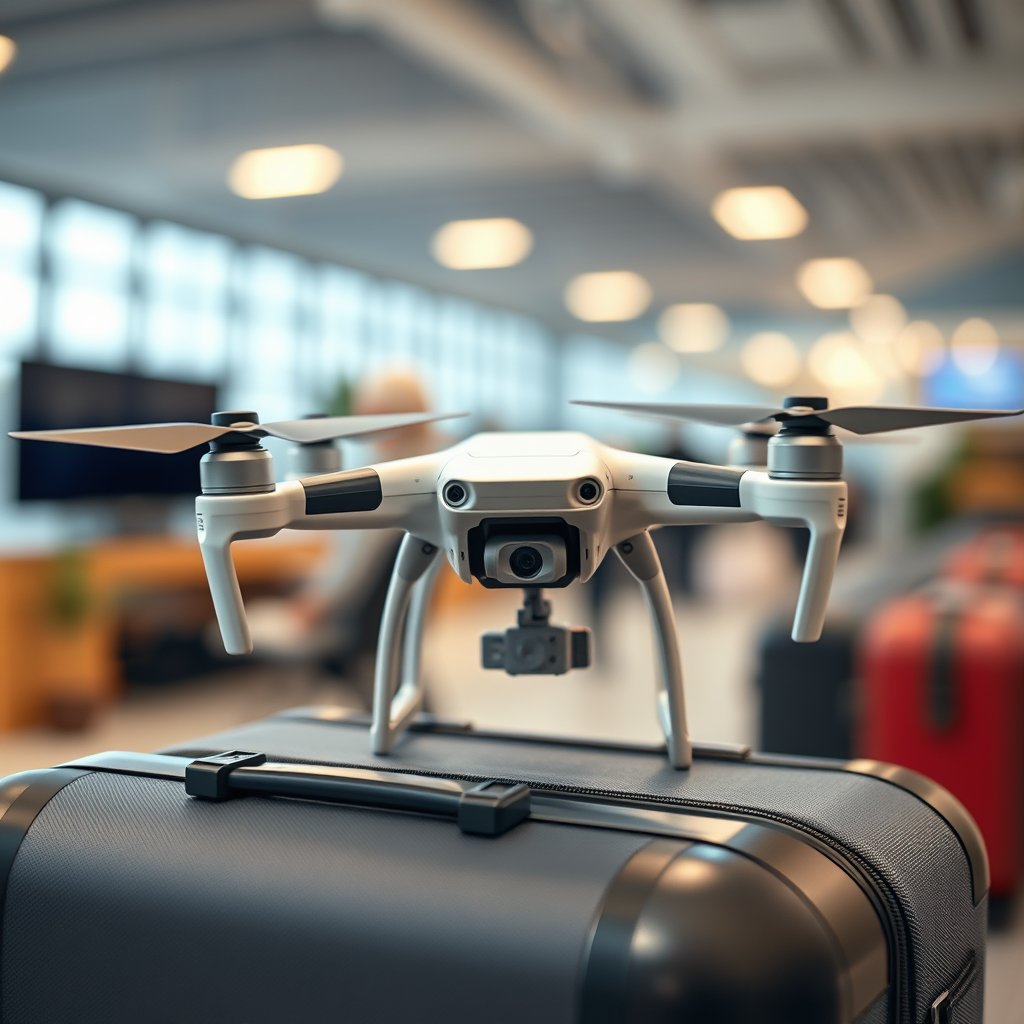
Yes, drone batteries can go in checked luggage, but there are specific regulations and precautions you need to be aware of. Each airline has its own policies regarding the transport of batteries, particularly lithium-ion types, which are commonly used in drones. Understanding these guidelines is essential for ensuring the safe transport of your drone and its batteries while minimizing risks during air travel.
Understanding Airline Regulations
When traveling with drone batteries, the first step is to familiarize yourself with the regulations of the airline you plan to use. Airlines operate under the guidelines set by aviation authorities, but they may also have their own specific rules regarding battery transport. For example, while some airlines may allow lithium-ion batteries in checked luggage, they might restrict the watt-hour (Wh) capacity or limit the number of batteries you can carry.
Always check the airline’s website for the latest information on their battery transport policies before packing. This proactive approach will help you avoid potential issues at check-in or security checkpoints. It’s also wise to contact customer service if you have specific questions about your drone’s battery or its compatibility with the airline’s regulations.
Battery Types and Their Restrictions
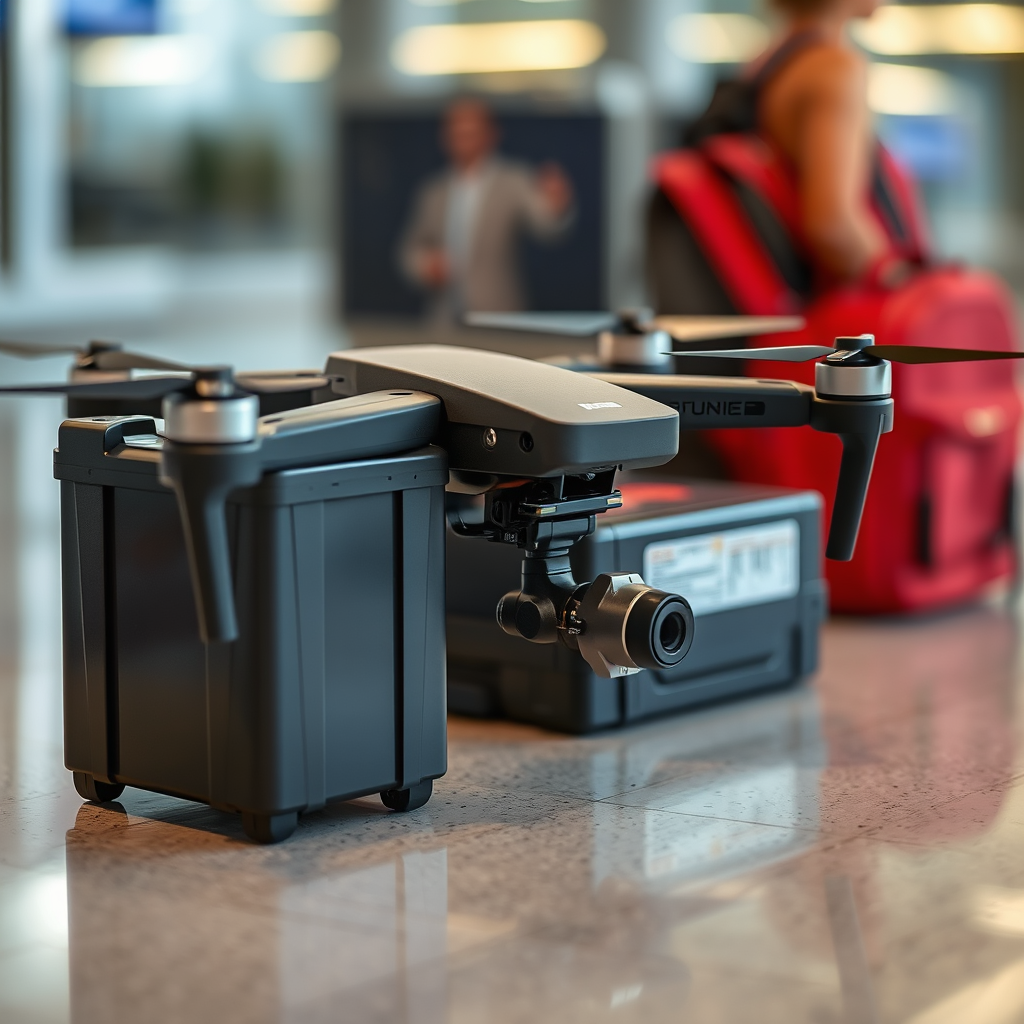
Drone batteries primarily come in two types: lithium-ion and nickel-metal hydride (NiMH). Among these, lithium-ion batteries are the most commonly used due to their high energy density and lightweight properties. However, they are subject to stringent regulations due to the fire risk associated with lithium-ion technology.
The International Air Transport Association (IATA) has established guidelines for transporting lithium-ion batteries. Generally, batteries with a watt-hour rating of up to 100Wh can be transported without significant restrictions. Batteries rated between 100Wh and 300Wh may be allowed, but usually require airline approval and must be packed according to specific guidelines. Any battery exceeding 300Wh is typically prohibited from being transported in checked luggage.
For example, if you are traveling with a drone that has a battery rated at 150Wh, you would need to contact your airline ahead of time for permission and adhere strictly to their packing requirements to ensure compliance.
Proper Packaging Guidelines
Proper packaging of drone batteries is essential for safe transport. Batteries should be packed in a manner that prevents short circuits, which can lead to fires or other hazards. Ideally, you should use the original packaging that the batteries came in, as it is designed specifically for their protection.
If the original packaging is unavailable, consider using a fireproof bag or a hard-shell case designed for battery transport. Additionally, it is advisable to cover the terminals of each battery with insulating tape to prevent accidental connections that could cause a short circuit during transit. Avoid packing batteries loose in your luggage; instead, secure them in a way that minimizes movement and potential damage.
Safety Considerations for Transporting Batteries
Safety should always be a priority when transporting drone batteries. The risk of fire is a significant concern, especially with lithium-ion batteries, which can catch fire if damaged or improperly handled. Before you travel, inspect each battery for any signs of damage, such as swelling, cracks, or corrosion. If a battery appears damaged, it should not be transported.
When traveling with multiple batteries, it is wise to carry extra safety gear, such as a small fire extinguisher specifically designed for electrical fires. This can provide an added layer of safety in case of an emergency. It is also prudent to inform your fellow travelers or companions about the contents of your luggage, especially if you are carrying several batteries, so that they are aware and can help monitor any potential issues.
Alternatives to Checked Luggage
If you’re concerned about the risks associated with checked luggage, consider exploring carry-on options for your drone batteries. Many airlines allow lithium-ion batteries in carry-on luggage with fewer restrictions than those applied to checked bags. Carrying your batteries on board ensures that you can monitor them throughout the flight and reduces the risk of damage during handling.
Additionally, if you are traveling with a large quantity of batteries or require special arrangements, consider using a shipping service that specializes in transporting batteries. This option can alleviate concerns and ensure that your equipment arrives safely at your destination without the risks associated with air travel.
What to Do If Issues Arise at Security
Despite your best efforts, issues may arise at security checkpoints regarding the transport of your drone batteries. Be prepared to explain the purpose of the batteries and how they are used. It’s beneficial to have documentation, such as the battery specifications or manuals, readily available to support your explanation.
Know your rights regarding battery transport. In the United States, the Transportation Security Administration (TSA) has guidelines in place for carrying batteries, and their personnel are trained to handle such inquiries. If you encounter disputes or misunderstandings, remain calm and courteous. Request to speak with a supervisor if necessary, and present your case clearly and confidently.
In summary, while drone batteries can be placed in checked luggage, it is crucial to adhere to airline regulations and safety guidelines. Always prepare in advance to ensure a smooth travel experience with your drone gear. By understanding the different battery types, proper packaging techniques, and safety considerations, you can minimize risks and enjoy your travels with peace of mind.
Frequently Asked Questions
Can I pack drone batteries in my checked luggage when flying?
Generally, you should avoid packing drone batteries in checked luggage due to safety regulations. Most airlines and aviation authorities recommend carrying lithium-ion batteries in your carry-on bag instead. This is because lithium batteries pose a fire risk, and keeping them in the cabin allows for quicker access in case of an emergency.
What are the rules for carrying drone batteries on a plane?
The rules for carrying drone batteries vary by airline and country, but typically, lithium batteries over 100 watt-hours (Wh) are not allowed in carry-on or checked luggage. Batteries between 100Wh and 160Wh may require airline approval and must be carried in your carry-on. Always check with your specific airline for their guidelines regarding drone battery transport.
Why can’t I put drone batteries in checked luggage?
Drone batteries, particularly lithium batteries, are prohibited in checked luggage primarily due to their flammability and potential to cause fires. In the event of a short circuit, a lithium battery can ignite, leading to a hazardous situation in the cargo hold. Airlines prioritize passenger safety by restricting these batteries from checked bags.
What is the best way to pack drone batteries for air travel?
The best way to pack drone batteries for air travel is to keep them in their original packaging or use a protective case designed for lithium batteries. Ensure that the terminals are insulated to prevent short circuits, and carry them in your carry-on luggage. Additionally, check the battery’s watt-hour rating to confirm compliance with airline regulations.
Which types of drone batteries are allowed on flights?
Most airlines allow lithium polymer (LiPo) and lithium-ion batteries on flights, provided they are under certain watt-hour limits. Batteries under 100Wh can typically be carried without restrictions, while those between 100Wh and 160Wh may need airline approval. Always verify with your airline and check the watt-hour ratings to ensure safe travel with your drone batteries.
References
- https://www.faa.gov/hazmat/packsafe/more_info/batteries
- https://www.tsa.gov/travel/security-screening/prohibited-items/electronic-devices
- https://www.iata.org/en/pressroom/2021/releases/2021-10-04-01/
- https://www.nytimes.com/2022/01/17/travel/airlines-drones-batteries.html
- https://www.faa.gov/uas/getting_started/remote_id/
- https://www.govinfo.gov/app/details/USCODE-2011-title49/USCODE-2011-title49-subtitleVII-chapter447-subchapterII-partA-sec44701
