

Yes, drone footage can be used in court, provided it meets certain legal standards for admissibility. As drone technology becomes more widely available and affordable, its application in various legal contexts has increased, ranging from accident investigations to property disputes. However, the use of drone footage in legal proceedings raises significant issues related to privacy, the quality of evidence, and compliance with regulatory frameworks. Understanding these factors is crucial for legal professionals who wish to leverage this technology effectively.
Legal Standards for Admissibility
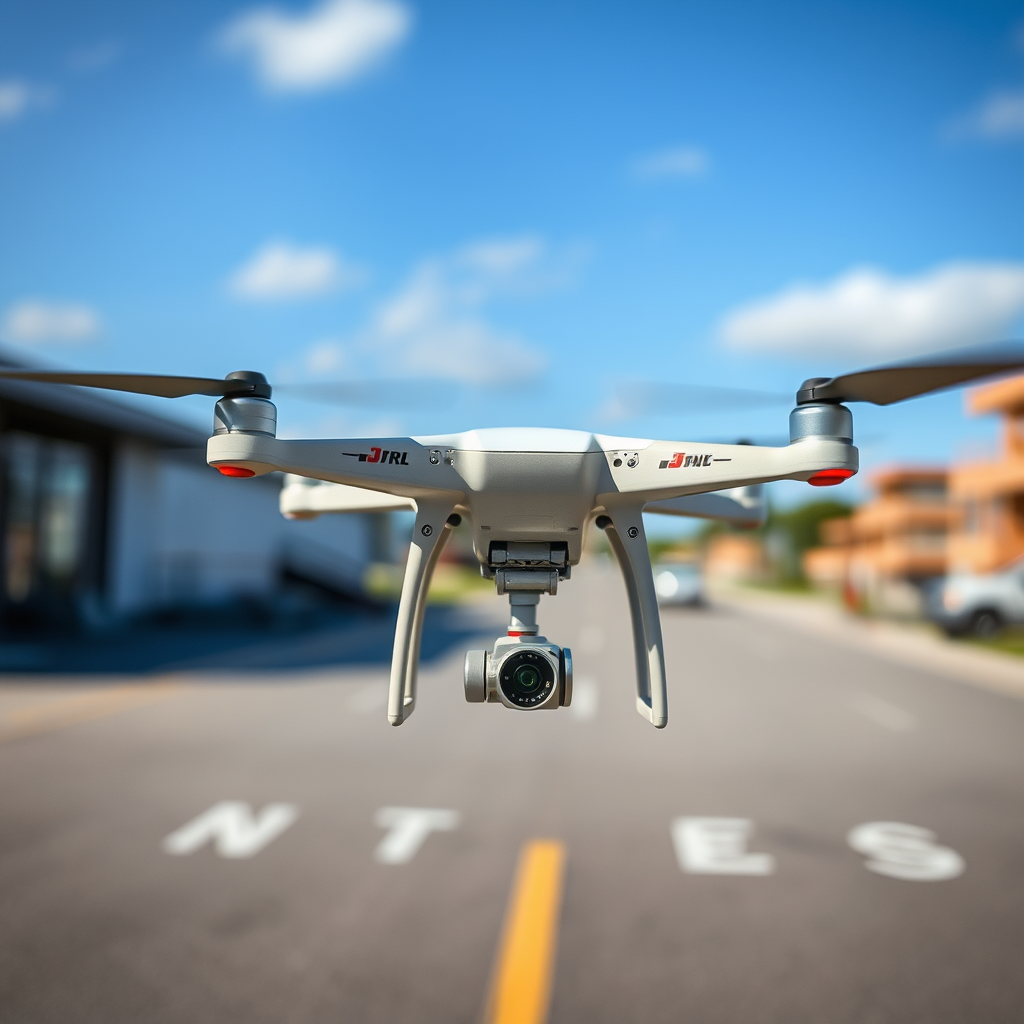
To be admissible in court, evidence must be both relevant to the case and capable of aiding in the establishment of factual matters. Drone footage, like any other form of evidence, must adhere to the established rules of evidence, such as those outlined in the Federal Rules of Evidence. For instance, it must be shown that the footage accurately represents the scene in question and has not been altered or manipulated.
Additionally, the chain of custody must be clearly documented, ensuring that the footage has not been tampered with from the time it was captured to the moment it is presented in court. Courts will evaluate the source of the footage and the methods used for its capture to ensure that it complies with legal standards. In certain cases, expert testimony may be necessary to explain how the footage was obtained and to establish its authenticity and integrity.
Privacy Concerns
The use of drone footage can potentially conflict with individuals’ rights to privacy, a fundamental aspect of legal considerations in many jurisdictions. Courts often look into whether the drone footage was obtained legally, scrutinizing whether any form of trespassing or unauthorized surveillance occurred during its capture.
For example, if a drone captures footage over private property without the owner’s consent, the admissibility of that footage may be challenged on privacy grounds. Legal professionals must ensure that the collection of drone footage does not infringe upon any privacy rights, which may vary significantly based on local laws and regulations. In some cases, obtaining a warrant may be necessary before capturing footage in areas where privacy expectations are high.
Types of Cases Utilizing Drone Footage
Drone footage has been increasingly utilized in various types of legal cases. One significant area is personal injury litigation, particularly in cases involving accidents or incidents where aerial views provide critical context. For instance, in a car accident scenario, drone footage can offer a comprehensive perspective of the accident scene, illustrating factors such as road conditions, visibility, and the positions of vehicles involved.
Moreover, in property disputes, aerial views captured by drones can clarify property boundaries or land use issues, providing crucial evidence that may resolve disputes between neighbors or stakeholders. The ability to present a bird’s-eye view of properties can help to visually depict claims regarding land encroachments or zoning violations.
Quality and Reliability of Drone Footage
The quality of drone footage is critical to its credibility in legal proceedings. For footage to be deemed reliable, it must be clear, well-framed, and accurately represent the scene it depicts. Factors such as resolution, lighting conditions, and stability during capture can significantly impact the usability of the footage in court.
In many instances, expert testimony may be required to validate both the technical aspects of the drone footage and its relevance to the case. For example, an expert might need to explain the drone’s specifications, the methods used for capturing the footage, and the steps taken to ensure its accuracy. This validation is essential, as opposing counsel may challenge the reliability of the footage, arguing that it does not represent the scene accurately or that it was captured in a misleading manner.
Regulatory Compliance
The operation of drones is governed by various Federal Aviation Administration (FAA) regulations and local laws that dictate how, when, and where drones can be flown. Drone operators must be licensed and comply with specific flight restrictions, which include altitude limits and no-fly zones.
Failure to adhere to these regulations can lead to legal challenges regarding the admissibility of drone footage in court. For example, if footage is captured in a restricted airspace or without proper licensing, it may be deemed inadmissible. Legal professionals must be diligent in ensuring that all drone operations comply with applicable laws, as this compliance not only affects the legitimacy of the evidence but also protects parties from potential legal repercussions.
Challenges in Presenting Drone Footage
When presenting drone footage in court, several challenges must be addressed to maintain the integrity of the evidence. One crucial aspect is ensuring a proper chain of custody, which involves documenting every step of the footage’s handling from capture to presentation. A well-documented chain of custody helps to establish the authenticity of the footage and mitigate any claims of tampering.
Additionally, legal teams must be prepared to address potential objections from opposing counsel regarding the admissibility of the footage. This can include challenges based on the legality of how the footage was obtained, its relevance to the case, and its reliability. Developing a robust legal strategy that anticipates these objections is key to successfully utilizing drone footage in court.
Future Trends in Drone Footage Use in Legal Proceedings
The acceptance of drone technology within the legal sector is poised to grow, reflecting broader societal trends towards embracing technological advancements. As more law firms recognize the value of drone footage in various legal contexts, its use is likely to become commonplace.
However, this increased application may also lead to the development of more stringent regulations and guidelines governing the use of drone footage in legal proceedings. Legal professionals should remain vigilant and informed about evolving regulations, ensuring that their practice aligns with best practices and legal standards.
In conclusion, while drone footage presents a powerful tool for legal practitioners, it must be approached with careful consideration to ensure adherence to legal standards and respect for privacy rights. As the technology evolves, so too must the understanding and application of its use in legal contexts, making it imperative for legal professionals to stay informed about the intricate landscape surrounding drone footage.
Frequently Asked Questions
Can drone footage be used as evidence in court?
Yes, drone footage can be used as evidence in court, provided it meets certain legal standards. The footage must be relevant to the case, admissible under evidentiary rules, and obtained legally. Moreover, courts will evaluate the authenticity and reliability of the footage, including whether it has been tampered with or altered.
What are the legal requirements for using drone footage in legal proceedings?
The legal requirements for using drone footage in court typically include ensuring that the footage is captured in compliance with federal and state regulations, such as obtaining necessary permits and adhering to privacy laws. Additionally, the footage must be authenticated, meaning that there must be a clear chain of custody to demonstrate it has not been altered and accurately represents what was recorded.
How can drone footage strengthen a legal case?
Drone footage can significantly strengthen a legal case by providing compelling visual evidence that illustrates key points. It can offer unique perspectives and documentation of accident scenes, property boundaries, or environmental damages that traditional evidence may not capture. This visual documentation can enhance arguments, making them more persuasive to judges and juries.
Why is it important to have professional drone operators for legal footage?
Hiring professional drone operators for legal footage is crucial because they are familiar with legal requirements and best practices for capturing admissible evidence. They ensure compliance with FAA regulations, maintain proper flight logs, and are skilled in obtaining high-quality footage that is more likely to be accepted in court. Additionally, their expertise can help in presenting the footage in a clear and contextually relevant manner.
Which types of cases commonly utilize drone footage as evidence?
Drone footage is commonly utilized in various types of legal cases, including personal injury claims, property disputes, environmental litigation, and criminal cases. For instance, in personal injury cases, drone footage can visually document the scene of an accident, while in environmental litigation, it can capture evidence of land degradation or illegal dumping. Its versatility makes it a valuable tool across multiple legal contexts.
References
- https://en.wikipedia.org/wiki/Drone#Legal_issues
- https://www.americanbar.org/groups/science_technology/publications/science_and_technology_lawyer/2020/spring/drone-footage-admissibility-court/
- https://www.nytimes.com/2020/01/30/us/drone-footage-court-evidence.html
- https://www.ncjrs.gov/pdffiles1/nij/250316.pdf
- https://www.courts.ca.gov/documents/Drone-Use-Policy.pdf
- https://www.theguardian.com/technology/2021/oct/05/drones-court-evidence-legal-policies
- https://www.faa.gov/uas/resources/policy_library/
- https://www.techrepublic.com/article/what-you-need-to-know-about-drone-footage-in-legal-cases/
