

Yes, drone signals can be jammed using specific technologies designed to disrupt communications between the drone and its controller. This capability poses significant challenges, as it raises legal and ethical concerns while also highlighting technical limitations associated with such actions. As drone technology continues to evolve, understanding how signal jamming works, its applications, and the potential consequences is essential for both operators and regulatory bodies.
How Drone Signal Jamming Works
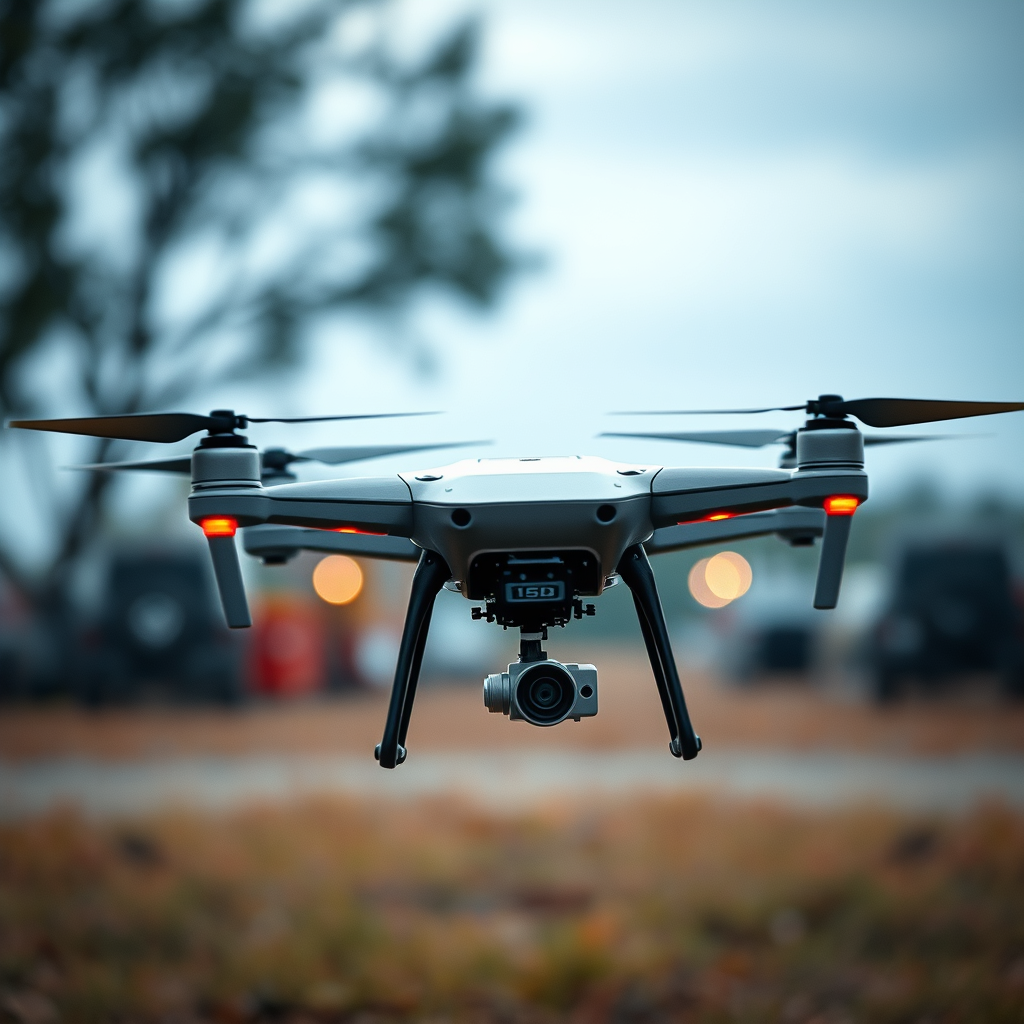
Drone signal jamming is a technique that involves the use of jamming devices to emit radio frequency (RF) signals on the same frequency as the drone’s control signal. By doing this, the jamming device creates interference that disrupts the communication link between the drone and its operator, effectively neutralizing the drone’s ability to receive commands or transmit data.
The effectiveness of jamming is influenced by several factors, including the power output of the jamming device and the distance from the drone. Higher power levels can create a more potent interference signal, while closer proximity to the drone increases the chances of successful disruption. Additionally, different types of drones operate on various frequency bands—common frequencies include 2.4 GHz and 5.8 GHz for consumer drones—making it crucial for jamming devices to be tuned specifically to these bands for optimal effectiveness.
However, jamming is not a foolproof method. Some drones are equipped with advanced technologies that make them resistant to jamming, such as frequency hopping or utilizing multiple communication channels. These features enable drones to switch frequencies rapidly or use alternate communication methods, complicating the jamming process.
Legal Considerations of Jamming Drone Signals
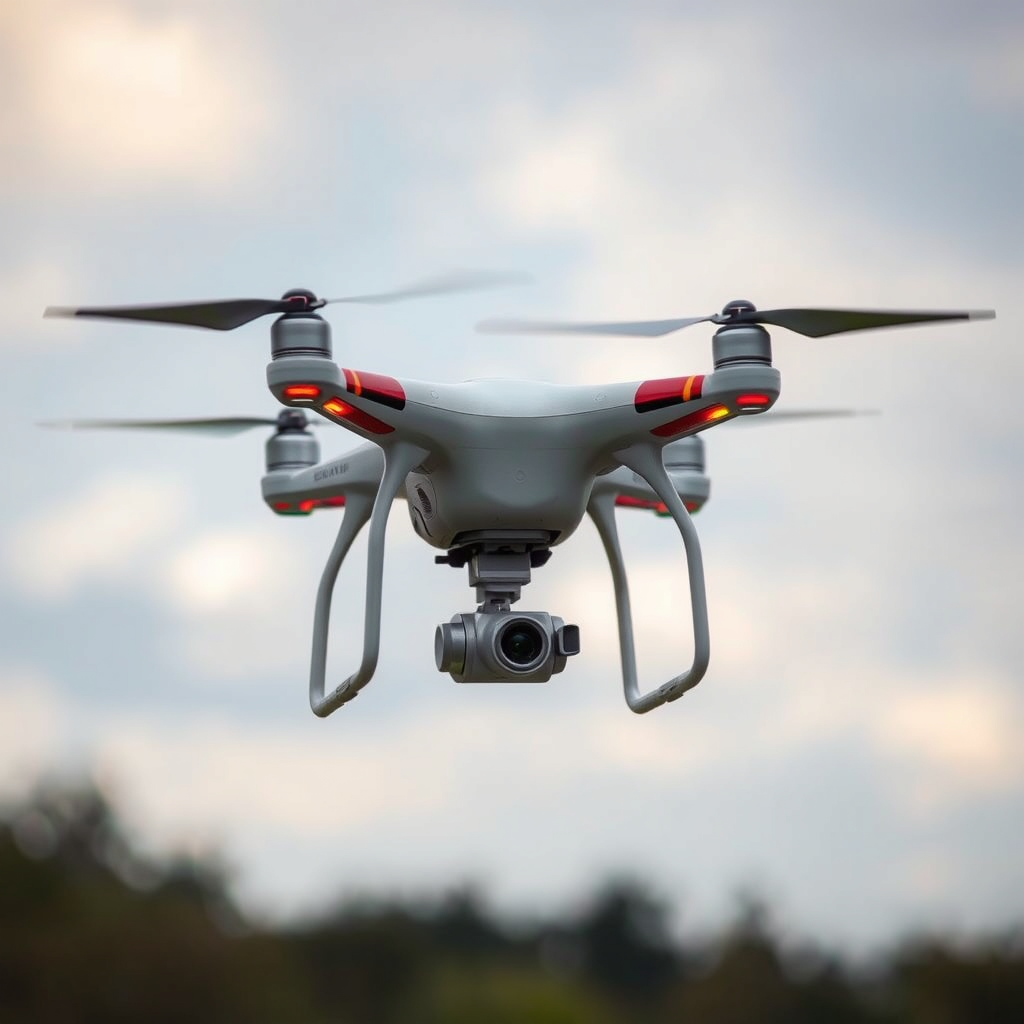
The legal landscape surrounding drone signal jamming is complex and varies significantly from country to country. In many jurisdictions, including the United States, the use of jamming devices is illegal. The Federal Communications Commission (FCC) enforces strict regulations against the operation of jamming equipment, considering it a violation of federal law. Penalties for illegal jamming can be severe, including hefty fines and potential imprisonment.
The rationale behind these laws is primarily rooted in the need to maintain safe and reliable communication systems. Jamming can inadvertently disrupt not only drone operations but also other essential services that rely on the same frequencies, such as emergency communications and public safety operations. Consequently, regulatory bodies emphasize the importance of adhering to established laws and guidelines to ensure that drone technology can be utilized safely and responsibly.
Ethical Implications of Signal Jamming
Ethical considerations surrounding drone signal jamming are multifaceted. On one hand, jamming can be seen as a necessary tool for protecting privacy and preventing unauthorized surveillance by rogue drone operators. For example, individuals may deploy jamming technology in residential areas to prevent unwanted drone flights over their properties. However, this practice can lead to unintended consequences, particularly when it interferes with legitimate drone operations, such as search and rescue missions or law enforcement activities.
The debate over jamming often centers around the balance between privacy rights and the need for security. Advocates of responsible drone usage argue that while privacy concerns are valid, the indiscriminate use of jamming technology can hinder crucial operations that rely on drones to serve public interests. The challenge lies in finding a way to address privacy concerns without compromising the effectiveness of legitimate drone applications.
Technical Limitations of Signal Jamming
Despite its potential, signal jamming has notable technical limitations that can reduce its efficacy. Not all drones are equally susceptible to jamming; many modern drones incorporate advanced technologies designed to counteract such interference. For instance, drones may use GPS redundancy systems or alternate communication pathways that allow them to maintain control even when one signal is disrupted.
Moreover, jamming may not be effective if the drone is programmed to switch frequencies or if it has a robust backup communication system in place. For example, military-grade drones often include sophisticated counter-jamming capabilities, which allow them to evade attempts to disrupt their signals. This reality emphasizes that while jamming can be a useful tactic in certain scenarios, it is not a guaranteed solution and may require additional strategies to achieve desired outcomes.
Alternatives to Jamming Drone Signals
Given the legal, ethical, and technical challenges associated with drone signal jamming, various alternatives have emerged for managing unauthorized drone operations. Law enforcement agencies are increasingly utilizing counter-drone technologies that do not involve jamming, such as drone capture systems that physically intercept and secure rogue drones. These systems can deploy nets or other mechanisms to safely bring down drones without disrupting communication networks.
Education and public awareness campaigns also play a crucial role in reducing the need for jamming. By informing the public about responsible drone use and the legal implications of unauthorized surveillance, authorities can foster a culture of compliance and respect for privacy. Engaging drone users in discussions about safety and ethics can enhance community relations and diminish the instances of rogue flying.
Future Developments in Drone Signal Control
As drone technology continues to advance, ongoing research aims to develop more sophisticated methods of managing drone signals that adhere to legal standards. Innovations may include improved detection systems that can identify unauthorized drone activity without resorting to jamming techniques. Additionally, regulatory bodies are exploring the creation of comprehensive frameworks that balance technological advancements with public safety, ensuring that drone operations can coexist harmoniously with community interests.
The future of drone signal control will likely involve collaboration between technology developers, regulatory agencies, and the public to establish guidelines that promote responsible drone usage. By fostering an environment of cooperation, stakeholders can work together to mitigate risks while maximizing the benefits of drone technology across various sectors.
In conclusion, while it is technically possible to jam drone signals, the legal, ethical, and technical implications make it a complex issue that requires careful consideration. Understanding these factors is crucial for anyone contemplating the use of jamming technology. It is essential to stay informed about local laws and promote responsible practices in drone operation, ensuring that the benefits of this rapidly advancing technology are enjoyed while minimizing potential risks.
Frequently Asked Questions
Can drone signals be jammed, and is it legal?
Yes, drone signals can be jammed using radio frequency interference techniques. However, it’s crucial to note that jamming signals is illegal in many countries, including the United States, as it can disrupt not only drone operations but also other critical communication systems. Individuals or organizations interested in drone signal management should explore legal alternatives, such as using drone detection systems or working with local authorities.
How do drone jammers work?
Drone jammers work by emitting radio frequency signals that interfere with the communication between the drone and its remote controller. When the drone loses signal, it may initiate a fail-safe mode, typically returning to its takeoff point. While this technology is sometimes used for security purposes, it requires careful consideration of legal implications and potential unintended disruptions.
Why might someone want to jam a drone signal?
Individuals may want to jam a drone signal for several reasons, including privacy concerns, security measures, or to prevent unauthorized surveillance. In certain cases, property owners may feel threatened by drones flying over their premises. However, it’s essential to recognize that jamming signals can lead to legal repercussions and may also pose risks to public safety.
What are the best legal alternatives to jamming drone signals?
The best legal alternatives to jamming drone signals include employing drone detection systems that can identify and track drones in your vicinity. Additionally, establishing no-fly zones and notifying local authorities about unauthorized drone activity can help manage the situation effectively. These methods ensure compliance with laws while still addressing concerns about privacy and security.
Which devices are commonly used for jamming drone signals?
Devices commonly used for jamming drone signals include handheld jammers and more sophisticated RF jamming systems. However, it’s important to highlight that using these devices can attract significant legal consequences due to their potential to disrupt various communication networks. For those seeking to manage drone activity, focusing on detection and legal enforcement methods is often the best approach.
References
- https://en.wikipedia.org/wiki/Drone_jamming
- https://www.faa.gov/uas/resources/policy_briefings/drone_jamming
- https://www.nytimes.com/2019/04/10/us/drone-jamming.html
- https://www.sciencedirect.com/science/article/pii/S1877050919301575
- https://www.reuters.com/technology/drone-jamming-tech-wins-security-fans-2021-10-05/
- https://www.bbc.com/news/technology-45480431
- https://www.techrepublic.com/article/how-jamming-works-and-why-its-a-problem-for-drones/
