

Drones can indeed be designed to look like stars, especially with the use of LED lights and specific flight patterns. This innovative concept has gained attention for both aesthetic and functional purposes. By leveraging advancements in drone technology, manufacturers and artists alike are exploring ways to create mesmerizing displays that mimic the beauty of stars in the night sky. In this article, we will delve into how drones can mimic stars, the technology behind these designs, and the potential applications that could revolutionize various industries.
Understanding the Concept of Drones Mimicking Stars
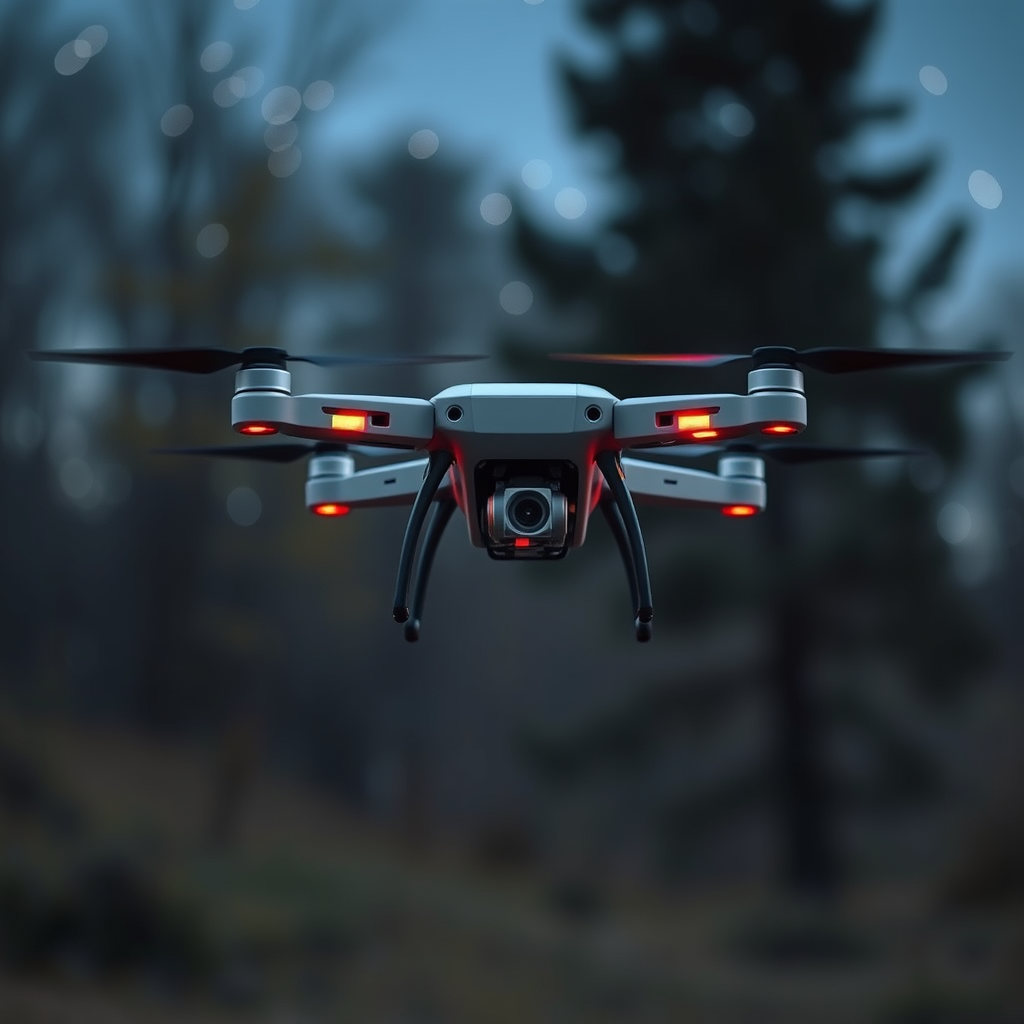
The idea of drones mimicking stars revolves primarily around their ability to be outfitted with bright LED lights, enabling them to create an illusion of twinkling celestial bodies. These drones can be programmed to fly in specific patterns that enhance the visual experience, simulating the natural movement of stars as they glitter in the night sky. By utilizing various colors and brightness levels, creators can create a diverse spectrum of star-like appearances, adding depth and dimension to the display.
Moreover, the strategic use of flight patterns plays a pivotal role in this concept. Drones can be programmed to hover, drift, or change altitudes in such a way that they closely resemble stars in their natural state. This not only creates a captivating visual effect but also engages audiences in a manner that traditional fireworks or laser shows may not achieve. The combination of lights and motion can evoke emotions and spark curiosity, making drone displays a compelling addition to events and celebrations.
The Technology Behind Star-Like Drones
At the heart of drones designed to mimic stars is advanced lighting technology that allows for customizable color schemes and brightness levels. High-efficiency LED lights can be integrated into the drone’s structure, offering a wide array of colors that can be adjusted on-the-fly. This capability enables synchronized performances, where multiple drones can change colors and patterns in unison, creating a stunning visual spectacle that captures the awe of any audience.
Additionally, flight stabilization systems are crucial for maintaining smooth movements, which are essential for realism. Modern drones are equipped with gyroscopes and accelerometers that allow for precise control over their flight paths. These systems ensure that drones can hover steadily or glide gracefully, imitating the subtle twinkling of stars. The integration of artificial intelligence can further enhance flight patterns, allowing drones to react to environmental changes or audience feedback in real time.
Applications of Star-Like Drones
The applications for drones designed to resemble stars are vast and varied. One of the most prominent uses is in aesthetic displays at events such as festivals, concerts, and public celebrations. For example, during major festivals like the New Year’s Eve celebrations in large cities, drone light shows can replace traditional fireworks, offering a safer and more environmentally friendly alternative that still provides breathtaking visuals.
Furthermore, these star-like drones can be employed in advertising and branding strategies. Companies can utilize drone displays to create memorable promotional events that stand out in a crowded market. By showcasing their products or services in a visually striking manner, businesses can capture audience attention and reinforce brand identity. For instance, a major tech company might use drones to form their logo in the night sky, paired with dynamic color changes that reflect their brand palette.
Safety and Regulations
While the potential for star-like drones is exciting, it also brings forth significant safety and regulatory considerations. Compliance with aviation regulations is paramount to ensuring safe operation, especially in populated areas. Drones must adhere to local airspace rules, which often include altitude restrictions and no-fly zones around airports and critical infrastructure.
Visibility is another critical factor. Drones designed to mimic stars must be easily distinguishable from actual stars to prevent confusion among pilots and drivers. This can be achieved through the use of specific lighting patterns or colors that are consistently recognized as artificial. It is essential for operators to implement safety measures, such as notifying local authorities and the public ahead of drone displays, to mitigate any potential distractions or hazards.
Public Perception and Artistic Value
Public reaction to star-like drones is generally positive, with many people expressing fascination and wonder at the innovative blend of technology and artistry. Such displays can evoke feelings of nostalgia, reminding viewers of clear, starry nights filled with endless possibilities. The artistic implications of this technology are profound; it represents a new medium for expression where creators can merge the realms of art and technology.
Art installations utilizing star-like drones can transform public spaces, offering immersive experiences that engage communities and encourage social interaction. For example, a drone light show in a city park can bring families together, fostering shared moments of joy and discovery. As this technology becomes more accessible, artists and performers are likely to continue pushing the boundaries of creativity, leading to increasingly elaborate and meaningful displays.
Challenges in Creating Star-Like Drones
Despite the exciting prospects of star-like drones, several challenges must be addressed to maximize their potential. One of the primary issues is the technical limitations related to battery life and operational range. Drones that employ multiple LED lights can consume significant power, which may limit the duration of displays. Innovations in battery technology and energy-efficient designs are crucial for extending flight times and enhancing the overall effectiveness of these visual displays.
Environmental factors also play a crucial role in the performance of star-like drones. Wind, precipitation, and atmospheric conditions can affect visibility and stability, diminishing the intended effect. To counteract these challenges, drone designers must implement robust weather-resistant features and develop sophisticated algorithms that enable drones to adapt their flight patterns based on real-time environmental data.
Future Prospects for Star-Like Drones
The future of star-like drones holds immense potential as emerging trends in drone design continue to evolve. Innovations in materials, such as lightweight composites and flexible circuitry, may enhance the agility and performance of these drones, allowing for more intricate flight patterns and longer display durations. Furthermore, advancements in artificial intelligence and machine learning could enable drones to perform autonomously, synchronizing with other drones to create complex, choreographed displays.
As public interest in eco-friendly entertainment options grows, the demand for drone light shows is likely to increase. This trend could further stimulate investment in research and development, leading to enhanced technologies that push the boundaries of what is possible in aerial displays. As we look ahead, the intersection of technology and art will continue to inspire creativity, shaping the future of entertainment in ways we have yet to fully imagine.
In conclusion, while drones can be made to resemble stars, the interplay of technology, design, and regulation is crucial to their successful implementation. The advancements in LED lighting, flight stabilization, and autonomous systems promise to elevate the artistry of drone displays. As we witness the fusion of creativity and technology, we can anticipate even more innovative uses for drones that mimic the beauty of the night sky, captivating audiences and redefining entertainment experiences. Stay tuned for future developments in this fascinating intersection of technology and art!
Frequently Asked Questions
Can drones appear like stars in the night sky?
Yes, drones can appear like stars in the night sky, especially when they are equipped with LED lights. These lights can be set to blink or remain steady, mimicking the twinkling effect of stars. When viewed from a distance, their altitude and brightness may cause confusion, leading some observers to mistake them for celestial bodies.
Why do some people believe drones look like stars?
The belief that drones can look like stars often stems from their altitude, small size, and the way they are illuminated at night. When flying at significant heights and outfitted with bright or flashing lights, drones can resemble stars, particularly when they are stationary in the sky. This can lead to misidentification, especially for those unfamiliar with drone technology.
How can I differentiate between a drone and a star when looking at the night sky?
To differentiate between a drone and a star, observe the movement pattern and light behavior. Stars typically twinkle but remain stationary, whereas drones may move in various directions, change altitude, or exhibit flashing lights. Moreover, drones often emit a buzzing sound due to their propellers, which is absent in stars.
What features should I look for to identify a drone at night?
When trying to identify a drone at night, look for specific features such as blinking lights, varying brightness, and movement patterns. Drones often have multiple lights that can change colors or flash in distinct sequences, unlike stars, which emit a constant light. Additionally, if the object seems to be hovering or moving erratically, it is more likely to be a drone.
Which types of drones are most commonly mistaken for stars?
The types of drones most commonly mistaken for stars are typically small quadcopters and consumer drones equipped with LED lights. Models like the DJI Mini or Phantom series, which are popular for recreational use, often have bright lights that can easily be mistaken for stars, especially when flying at high altitudes. Their compact size and ability to hover contribute to this confusion during nighttime flights.
References
- https://en.wikipedia.org/wiki/Drone
- https://www.sciencedirect.com/science/article/pii/S2352864821001228
- https://www.bbc.com/future/article/20220421-how-drones-are-changing-the-way-we-see-the-world
- https://www.nasa.gov/feature/what-is-a-drone
- https://www.theguardian.com/us-news/2020/mar/03/drones-sky-technology-privacy
- https://www.nist.gov/news-events/news/2019/07/drones-can-help-us-see-stars
- https://www.researchgate.net/publication/326174542_The_Use_of_Drones_for_Environmental_Monitoring
- https://www.usgs.gov/news/what-drones-are-doing-our-science-and-why-it-matters
