
Yes, drones can be armed, and their military applications have been a topic of significant discussion and debate. The integration of weaponry into unmanned aerial vehicles (UAVs) has transformed modern warfare, allowing for precise strikes and surveillance with minimal risk to human operators. This article delves into the various aspects of arming drones, including their capabilities, implications, and the ethical considerations surrounding their use.
Understanding Armed Drones
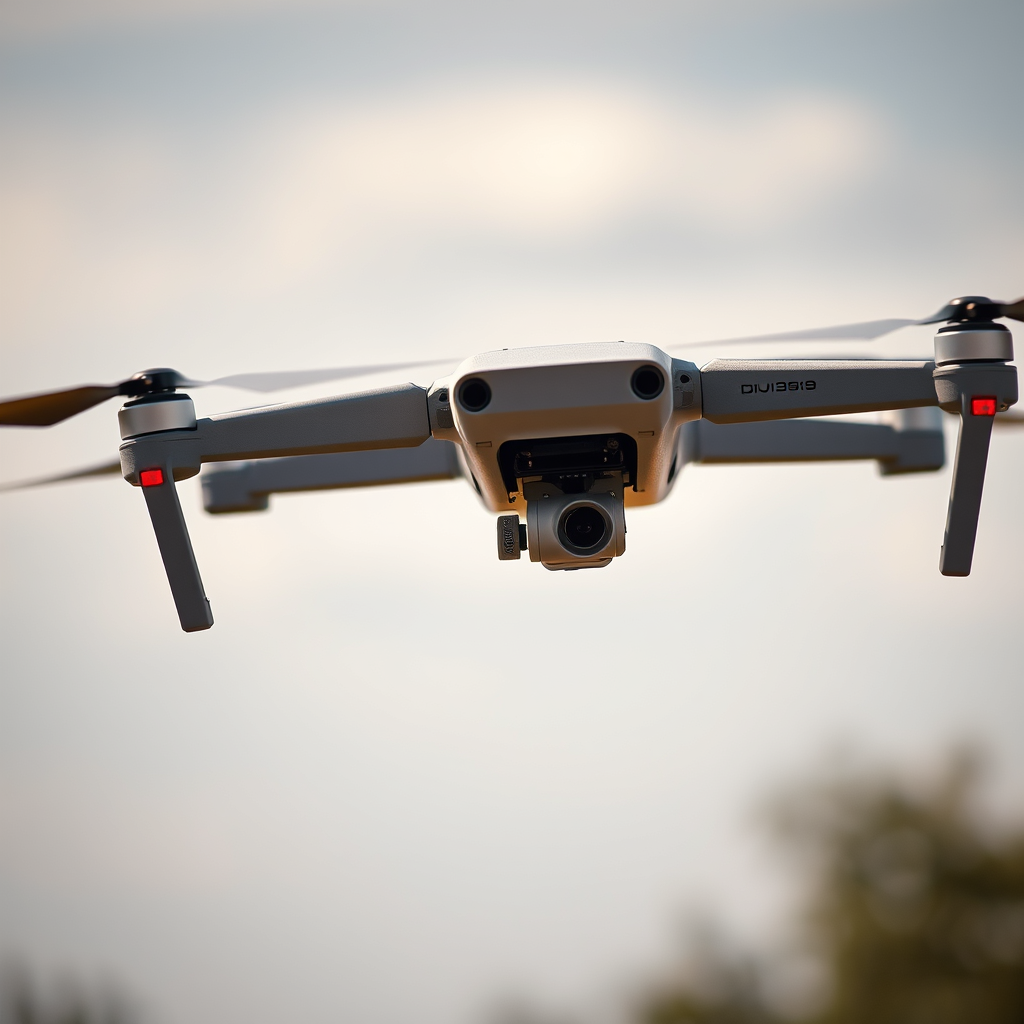
Armed drones, often referred to as combat drones or unmanned combat aerial vehicles (UCAVs), are UAVs equipped with weapons systems designed for combat operations. Their primary functions include reconnaissance, intelligence gathering, and direct engagement of ground targets. Unlike traditional manned aircraft, armed drones can operate in hostile environments without risking the lives of pilots. Current military drones in operation include the MQ-9 Reaper, widely used by the United States Air Force, which can carry a variety of munitions such as Hellfire missiles and laser-guided bombs. Similarly, the Turkish Bayraktar TB2 has gained notoriety for its effectiveness in conflicts like the Nagorno-Karabakh war.
Current Uses of Armed Drones
Armed drones have been employed in numerous combat scenarios across the globe, exemplifying their versatility and efficacy. For instance, in the ongoing conflicts in the Middle East, the U.S. military has utilized drones for targeted strikes against terrorist leaders and infrastructure, significantly reducing operational risks. The targeted killing of Iranian General Qassem Soleimani in 2020 is a high-profile example of drone warfare’s precision and strategic impact.
In addition to direct combat operations, drones play a critical role in surveillance and intelligence-gathering missions. They provide real-time data on enemy movements and battlefield conditions, enabling commanders to make informed decisions. The use of drones for reconnaissance has revolutionized military operations, allowing for persistent surveillance capabilities that were previously unattainable.
Legal and Regulatory Framework
The legal landscape governing the use of armed drones is complex and multifaceted, encompassing international laws, national regulations, and military policies. Internationally, the use of drones in armed conflict is subject to the rules of warfare as outlined in the Geneva Conventions, which emphasize the principles of distinction, proportionality, and necessity. These laws aim to limit harm to civilians and ensure that military actions are directed solely against legitimate military targets.
On a national level, countries have developed their own regulations regarding drone usage. For example, the U.S. has established clear guidelines for the deployment of armed drones, including oversight mechanisms to review drone strikes and their compliance with international law. However, inconsistencies in regulations across different nations can lead to challenges in accountability and transparency, complicating efforts to establish a unified international framework.
Ethical Considerations
The deployment of armed drones raises significant ethical questions regarding their use in warfare. One of the primary concerns is the moral implication of conducting strikes from a distance, which can create a psychological disconnect between operators and the consequences of their actions. This detachment may lead to a dehumanization of warfare, where the loss of civilian life is perceived as a mere statistic rather than a tragic outcome.
Moreover, the impact on civilian populations is a critical consideration. Drone strikes often result in collateral damage, where innocent lives are lost or affected. Reports indicate that civilian casualties in drone strikes can range from 10% to over 90%, depending on the conflict and targeting criteria used. Such outcomes raise profound moral questions about the justifications for drone warfare, challenging military leaders and policymakers to balance operational effectiveness with humanitarian considerations.
Technological Advancements
Recent innovations in drone technology have significantly enhanced the capabilities of armed UAVs. Advances in artificial intelligence (AI) and machine learning are enabling drones to perform autonomous operations, such as target recognition and tracking, with minimal human intervention. This evolution is leading to the development of more sophisticated weaponry, including precision-guided munitions that can minimize collateral damage while maximizing operational effectiveness.
Future trends indicate that armed drones will become increasingly integrated within military strategies, employing swarm technology where multiple drones operate in unison to overwhelm enemy defenses. Additionally, the potential for armed drones to be equipped with non-lethal weaponry, such as electronic warfare systems, presents new avenues for conflict engagement that could reshape military operations.
Public Perception and Debate
Public opinion on armed drones is varied and often polarized. Supporters argue that drones provide a strategic advantage in combat, allowing for precise strikes with reduced risk to military personnel. Conversely, critics raise concerns about the ethical implications of drone warfare, including the potential for increased civilian casualties and a lack of accountability.
Advocacy groups, such as Human Rights Watch and the Campaign to Stop Killer Robots, have voiced strong opposition to the use of armed drones, emphasizing the need for stricter regulations and oversight. These organizations argue that the proliferation of armed drones could lead to an escalation of conflicts and a normalization of remote warfare, which may further detach military actions from the human cost involved.
Future of Armed Drones
As technology continues to evolve, the future of armed drones appears poised for significant transformation. Predictions suggest that armed drone technology will become more accessible, leading to a proliferation of UAVs among not only established military powers but also smaller nations and non-state actors. This democratization of drone capabilities may result in increased geopolitical tensions and a re-evaluation of traditional military strategies.
Moreover, changes in military doctrine are likely to emerge as armed drones become integral to combat operations. As nations adopt autonomous systems, the concept of accountability in warfare will need to be redefined. Policymakers will face critical decisions on the extent to which drone warfare will shape the future of armed conflict.
In summary, while the arming of drones presents significant strategic advantages, it also raises complex ethical, legal, and social challenges. Understanding these aspects is crucial for navigating the future of drone technology and its implications in warfare. As we advance into an era where armed drones become more entrenched in military operations, it is imperative to balance their operational benefits against the need for humanitarian considerations and legal accountability.
Frequently Asked Questions
Can drones be armed for military purposes?
Yes, drones can be armed for military purposes and are commonly used by various countries for combat and surveillance missions. These unmanned aerial vehicles (UAVs) can be equipped with missiles, bombs, and other weaponry to conduct airstrikes, gather intelligence, and support ground troops. The use of armed drones raises significant ethical and legal questions regarding warfare and the protection of civilian lives.
Are there laws regulating armed drones in civilian airspace?
Yes, there are strict regulations governing the use of armed drones in civilian airspace. In many countries, including the United States, the Federal Aviation Administration (FAA) and other regulatory bodies have established guidelines that prohibit the use of drones for armed purposes by civilians. Violating these laws can lead to severe legal repercussions, including fines and imprisonment.
Why are armed drones controversial in modern warfare?
Armed drones are controversial due to their implications for international law, civilian safety, and ethical warfare practices. Critics argue that drone strikes can result in unintended civilian casualties and may violate sovereignty when used in foreign territories without consent. Additionally, the psychological impact on communities targeted by drone warfare raises concerns about accountability and transparency in military operations.
What are the best practices for using drones in law enforcement?
When using drones in law enforcement, best practices include adhering to local laws and regulations, ensuring transparency with the public, and implementing strict oversight to protect civil liberties. Law enforcement agencies should use drones primarily for surveillance and reconnaissance, rather than armed interventions, to prevent misuse and maintain community trust.
Which countries are known for using armed drones?
Several countries are known for utilizing armed drones, including the United States, Israel, China, and the United Kingdom. The U.S. has been a pioneer in drone warfare, employing them extensively in conflicts across the globe, while Israel has developed advanced drone technology for intelligence and combat operations. Other nations are increasingly investing in drone technology, leading to a growing global arms race in unmanned warfare capabilities.
References
- https://en.wikipedia.org/wiki/Military_drone
- https://www.bbc.com/news/world-us-canada-58003641
- https://www.reuters.com/investigates/special-report/usa-drones-armed/
- https://www.wired.com/story/us-army-drones-armed/
- https://www.c-span.org/video/?474329-1/us-military-drones-armed-debate
- https://www.nytimes.com/2021/05/02/us/politics/drone-strikes.html
- https://www.rand.org/pubs/research_briefs/RB10077.html
- https://www.sciencedirect.com/science/article/pii/S2211674420300424
