

Yes, drones can generally be carried on planes, but there are specific regulations and guidelines that travelers must follow. Understanding the rules around drone transport is crucial to ensure a smooth travel experience. With the growing popularity of drones for both recreational and professional use, many travelers are eager to bring their devices along on flights. However, to avoid complications at security checkpoints or upon arrival, it is essential to be well-informed about airline policies, TSA regulations, and international laws regarding drone transport.
Understanding Airline Policies
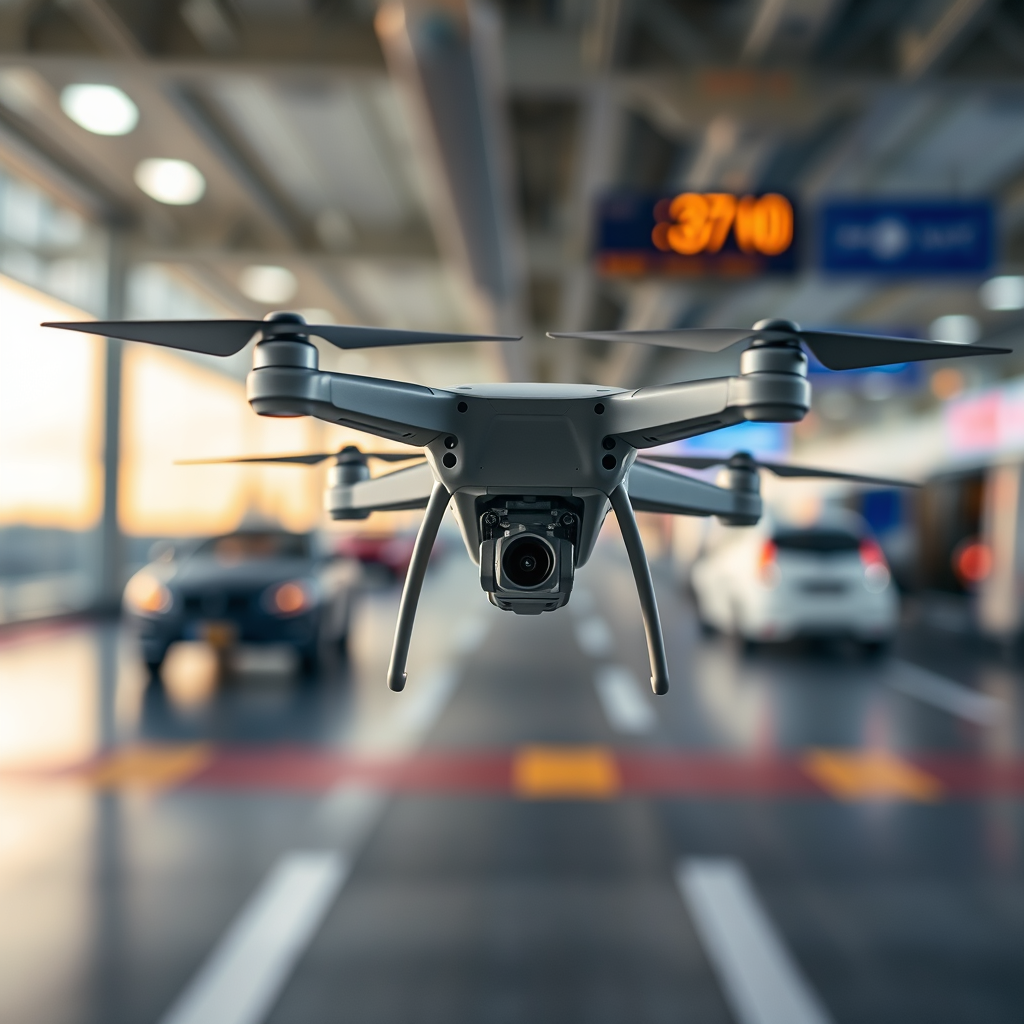
Each airline has its own rules regarding drone transport, including size and weight limits. For example, major carriers like American Airlines, Delta, and United may permit drones as carry-on items, but they often impose restrictions based on the drone’s dimensions and battery capacity. Most airlines allow drones under a certain weight (typically around 4-5 pounds) to be carried on board, but this can vary significantly.

Passengers should always check with their airline before traveling to avoid surprises. Reviewing the airline’s website or contacting customer service can provide clarity on specific drone policies. Additionally, it is advisable to confirm whether the drone needs to be placed in checked luggage or if it can be safely carried in the cabin, as some airlines are stricter than others.
TSA Regulations for Drones
The Transportation Security Administration (TSA) allows drones in carry-on luggage but may require additional screening. During the security check, travelers should be prepared for their drone to be inspected separately, as it might raise flags due to its electronics and batteries. The TSA recommends that passengers remove the drone from their bag and place it in a bin for screening.
Batteries must be stored in a way that prevents short circuits, typically in their original packaging or a battery case. The TSA regulates lithium batteries, which are commonly used in drones, and has specific guidelines regarding their watt-hour (Wh) rating. Batteries rated at 100 Wh or less can generally be carried in carry-on luggage, while batteries exceeding this limit may not be allowed aboard the aircraft at all. It’s advisable to check the watt-hour rating of your drone’s batteries and ensure they comply with TSA regulations.
International Travel Considerations
Different countries have varying regulations on drone importation and usage. For instance, while the European Union has established a framework for drone operations that applies across member states, other countries may have more stringent or less clear guidelines. Some destinations, such as Australia and Canada, require drone registration and specific licenses for operation.
Before traveling internationally with a drone, check the destination country’s laws regarding drone transport to avoid legal issues upon arrival. Some countries may impose heavy fines or confiscation of drones that are not compliant with their regulations. Utilizing resources like the International Civil Aviation Organization (ICAO) or the local aviation authority’s website can provide valuable information on drone laws, ensuring that travelers remain compliant and informed.
Packing Your Drone Safely
Use a hard case or padded bag to protect your drone during transit. A well-structured case can minimize the risk of damage from drops or impacts, which is particularly crucial for delicate components such as cameras and propellers. Many manufacturers offer specialized cases designed for specific drone models, providing compartments for each part.
Ensure all parts, such as propellers and batteries, are securely fastened and stored. It is wise to remove propellers to avoid accidental activation and damage during handling. Additionally, organizing cables and accessories in separate pouches can prevent tangling and wear, making it easier to access items when needed.
Insurance and Liability
Consider purchasing travel insurance that covers drone damage or loss during your trip. Many standard travel insurance policies do not cover electronic devices, including drones. Therefore, seeking out specialized insurance that includes drone coverage can provide peace of mind while traveling. This can protect against theft, loss, or accidental damage, especially in a foreign country where replacement or repair may be challenging.
Understand your liability in case your drone causes any damage while traveling. If you plan to fly your drone at your destination, familiarize yourself with local laws regarding liability and insurance requirements for drone operation. Many countries require proof of liability insurance before allowing drone flight, and being prepared can save you from potential legal troubles.
Alternatives to Carrying Drones
Evaluate whether renting a drone at your destination may be a more convenient option. Many popular tourist destinations feature drone rental services that can provide high-quality equipment without the hassle of transporting your own. Renting allows travelers to avoid the complexities of transport regulations and the risk of damage during travel.
Additionally, some locations offer drone photography and videography services, enabling travelers to capture their experiences without the need to manage their own drone. By opting for these alternatives, you can enjoy the benefits of drone technology without the associated challenges of bringing your device along on the trip.
In conclusion, while it is possible to carry drones on planes, travelers must adhere to specific airline and TSA regulations, as well as the laws of their destination. Understanding airline policies, TSA guidelines, and international drone laws is essential for a hassle-free travel experience. Furthermore, considering safe packing methods, insurance options, and potential rental alternatives can enhance your journey. Always prepare ahead of time to ensure a smooth travel experience with your drone, so you can focus on the excitement of your adventure.
Frequently Asked Questions
Can I bring a drone on a plane as carry-on luggage?
Yes, you can generally bring a drone as carry-on luggage on most airlines, but it’s important to check with your specific airline’s policy prior to travel. Ensure that the drone’s battery complies with the airline’s regulations, as most airlines have restrictions on lithium batteries, typically limiting capacity to 100 watt-hours for carry-on. Always pack your drone securely to avoid damage during transit.
What are the TSA regulations for flying with a drone?
The Transportation Security Administration (TSA) allows drones to be carried on planes, but they must go through security screening. You may need to remove the drone from its case and place it in a separate bin for inspection, similar to how laptops are screened. Additionally, be mindful of the drone’s battery size, as larger batteries may be restricted or require special handling.
Why are there restrictions on drone batteries when flying?
Restrictions on drone batteries are primarily due to safety concerns related to lithium-ion batteries, which can pose fire risks if damaged or improperly handled. Airlines limit the watt-hour rating of batteries, typically allowing up to 100 watt-hours in carry-on luggage. Understanding these regulations can help ensure a smooth travel experience without unexpected delays or confiscation.
Which airlines allow drones as checked baggage?
Most major airlines allow drones as checked baggage, but policies can vary significantly, so it’s best to confirm with your airline before flying. Airlines like Delta, American Airlines, and Southwest generally permit drones in checked luggage; however, it is essential to follow their specific guidelines regarding batteries and packaging. Always package your drone securely to prevent damage during handling.
How do I safely pack my drone for air travel?
To safely pack your drone for air travel, use a sturdy, padded case designed specifically for drones to protect it from impacts. Remove the battery and carry it in your carry-on luggage, following TSA regulations, while ensuring any propellers are secured or removed to prevent damage. It’s also wise to label your drone and accessories clearly, in case of any inspection or lost luggage situations.
References
- https://www.faa.gov/uas/getting_started/part_107/
- https://www.tsa.gov/travel/security-screening/prohibited-items/drones
- https://www.washingtonpost.com/travel/2021/06/24/drones-airlines-transportation-security-administration/
- https://www.bbc.com/news/world-us-canada-52535013
- https://www.nytimes.com/2021/10/06/travel/airlines-drones.html
- https://www.cnet.com/tech/mobile/can-you-take-a-drone-on-a-plane-heres-what-you-need-to-know/
- https://www.wired.com/story/traveling-with-a-drone-what-you-need-to-know/
- https://www.usatoday.com/story/travel/airline-news/2021/12/30/drones-airline-travel/9044238002/
