
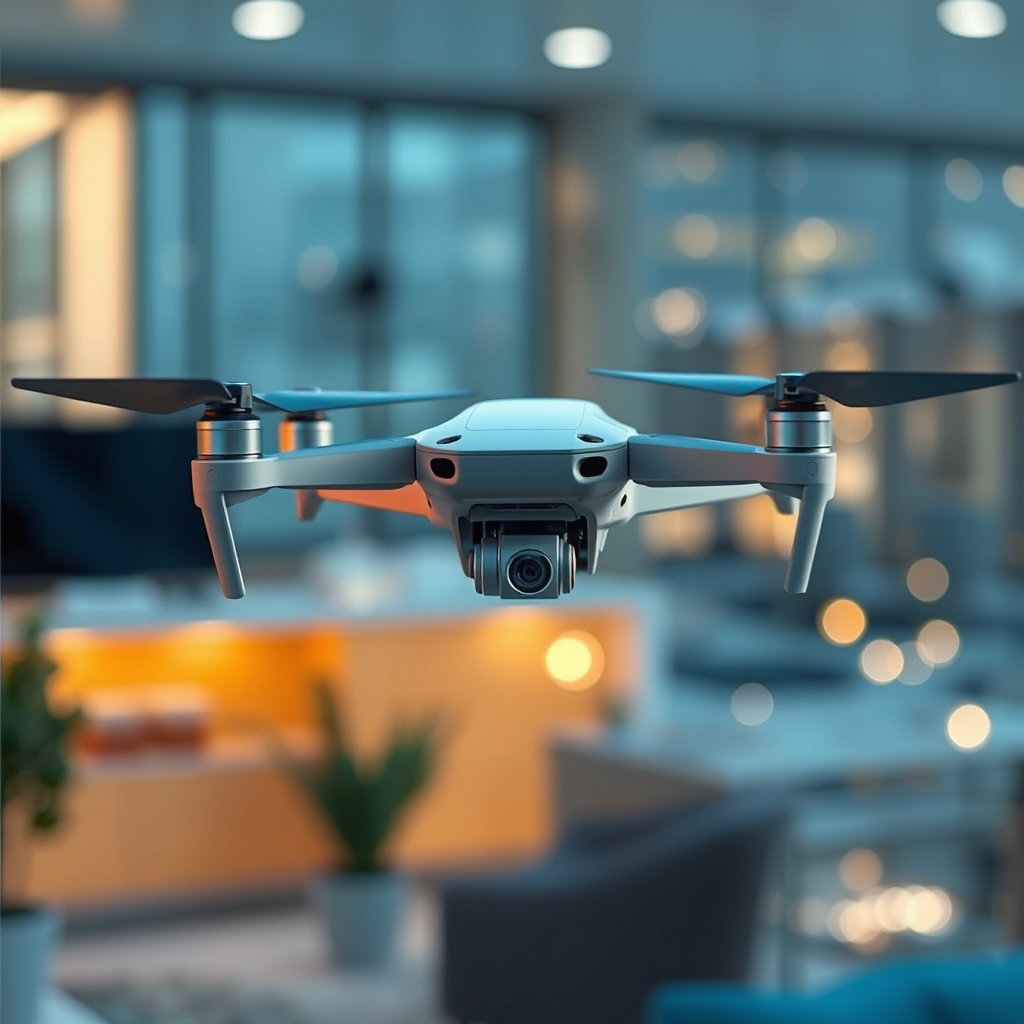
Yes, drones can be controlled by satellites, enabling long-range operations and enhanced navigation capabilities. This technology leverages satellite communications to transmit control signals and data, ensuring that drones can operate beyond the line of sight of the operator. As the demand for more sophisticated drone applications grows across various sectors, understanding the mechanics, benefits, challenges, and future of satellite-controlled drones becomes indispensable.
Understanding Satellite Control for Drones
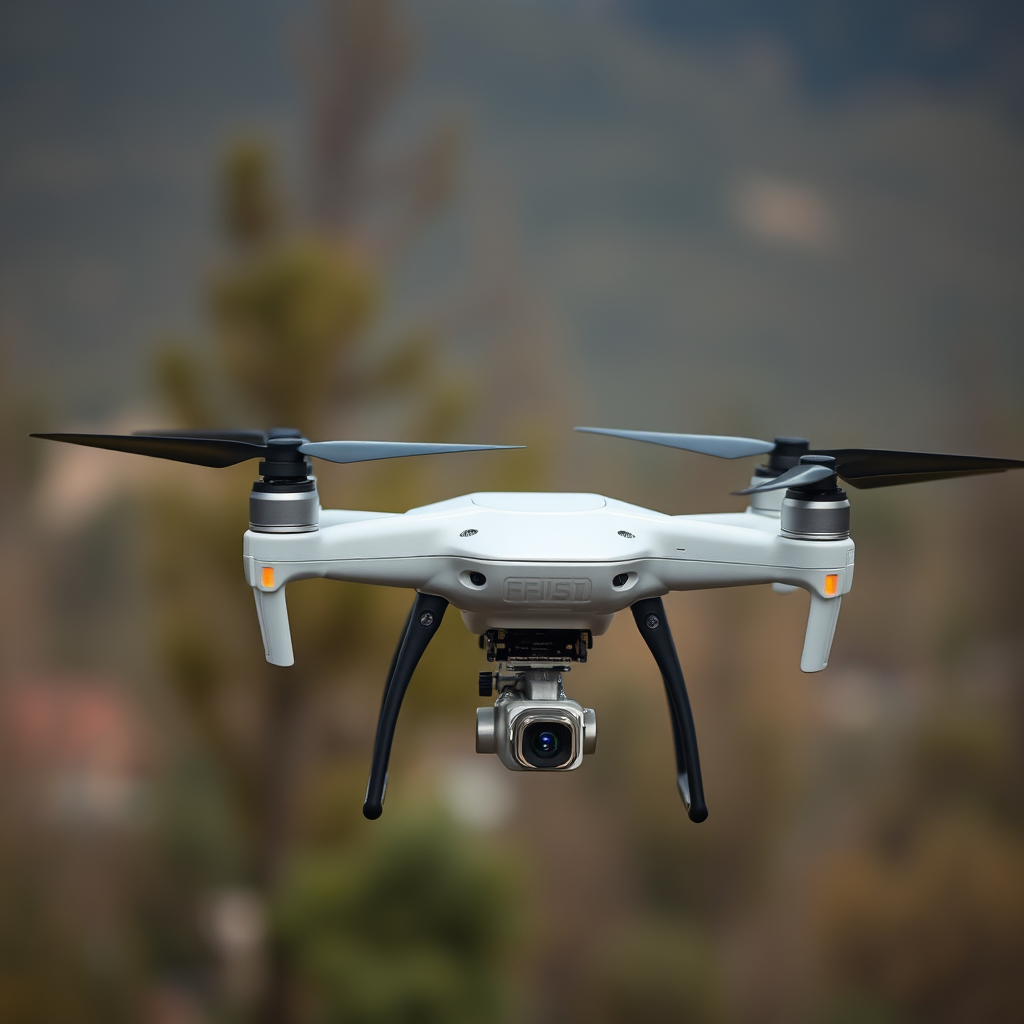
Drones, or unmanned aerial vehicles (UAVs), benefit significantly from satellite communication systems, particularly the Global Positioning System (GPS), which facilitates precise positioning and navigation. By utilizing satellite links, drones can receive real-time data, allowing for seamless operation over vast distances. This capability is especially crucial for missions that extend beyond the operator’s visual line of sight (BVLOS), such as disaster management, search and rescue operations, and long-range delivery services.
Satellite control systems can incorporate multiple satellites, providing redundancy and enhancing signal reliability. These systems are not only limited to GPS; they can also include other satellite communication technologies such as Iridium and Inmarsat, which enable data transmission even in remote areas where traditional communication networks may be unavailable. This reliance on satellite technology allows drones to perform complex tasks with increased autonomy, as they can receive commands and send back data without a direct line of sight to the operator.
Benefits of Satellite-Controlled Drones
The primary advantage of satellite-controlled drones is their extended operational range beyond visual line of sight (BVLOS). This capability opens up a multitude of opportunities for various industries. For instance, in agriculture, farmers can monitor large fields from the air, collecting data on crop health and soil conditions without needing to be physically present. Similarly, in the logistics sector, drones can deliver packages to remote locations, enhancing service efficiency and reducing delivery times.
Another significant benefit is the improved data accuracy and reliability that comes with consistent satellite connectivity. Satellite systems can provide real-time updates on a drone’s position, speed, and altitude, allowing operators to make informed decisions quickly. This is particularly valuable in emergency response situations, where timely data can be the difference between success and failure. Additionally, satellite-based data transmission can support advanced analytics, enabling drones to process information on the fly and adapt their operations accordingly.
Challenges and Limitations
Despite the numerous advantages, satellite-controlled drones are not without their challenges and limitations. One of the primary concerns is the vulnerability to signal loss and interference from environmental factors. Signal degradation can occur due to weather conditions, geographical obstacles, or electromagnetic interference, which can adversely affect the drone’s performance and reliability. For example, heavy rain or dense foliage can disrupt satellite signals, leading to potential navigation errors or loss of control.
Another significant challenge is the regulatory landscape governing satellite-controlled drone operations. Different countries have varying regulations regarding airspace use, and many have not yet adapted to accommodate the rapid advancements in drone technology. For instance, operators may face restrictions on flying beyond visual line of sight or may need special permissions to operate drones equipped with satellite communication systems. Navigating these regulatory hurdles can be complex and time-consuming, often hindering the deployment of satellite-controlled drone technology.
Current Applications of Satellite-Controlled Drones
The applications for satellite-controlled drones are diverse and rapidly evolving. In military and defense operations, drones equipped with satellite communications are extensively used for surveillance and reconnaissance missions. They can reach remote or hostile environments, providing critical intelligence without putting personnel at risk. Notable examples include the U.S. military’s use of drones like the MQ-9 Reaper, which relies on satellite links for command and control during long missions.
In the commercial sector, satellite-controlled drones are making significant strides in agriculture, delivery services, and infrastructure inspection. In agriculture, companies such as PrecisionHawk utilize satellite technology to monitor crop health, enabling farmers to make data-driven decisions to optimize yields. Similarly, companies like Zipline are employing drones to deliver medical supplies to hard-to-reach areas, demonstrating the transformative potential of satellite-controlled UAVs in logistics and supply chain management. Additionally, infrastructure inspection drones can cover vast areas of transmission lines or pipelines, providing real-time data to assess maintenance needs and prevent costly outages.
Future Trends in Satellite-Controlled Drone Technology
The future of satellite-controlled drone technology looks promising, with several trends poised to enhance their capabilities further. One significant advancement is in satellite technology itself, including miniaturization and improved bandwidth. As satellite technology becomes more compact and efficient, it will enable the integration of advanced communication systems into smaller drones, expanding their operational range and efficiency.
Moreover, the integration of satellite-controlled drones with emerging technologies such as 5G networks can significantly enhance communication and control. 5G offers higher data transmission speeds and lower latency, making it ideal for real-time applications. This integration will allow drones to transmit high-definition video feeds and other data more effectively, improving situational awareness for operators. Additionally, the combination of satellite and 5G technology can facilitate the development of autonomous drone fleets, capable of performing complex tasks with minimal human intervention.
Regulatory Considerations
As satellite-controlled drones become more prevalent, understanding the regulatory landscape is vital for their successful deployment. International regulations governing drone operations vary significantly, with some countries embracing the technology while others impose strict limitations. Organizations such as the International Civil Aviation Organization (ICAO) are working to develop standardized regulations to govern UAV operations, including those controlled by satellites.
There is a pressing need for updated policies that can accommodate the rapid advancements in drone technology and their applications. This includes addressing issues related to airspace management, safety protocols, and privacy concerns. By fostering a collaborative environment among regulatory bodies, industry stakeholders, and technology developers, it will be possible to create a framework that supports innovation while ensuring safety and compliance.
Conclusion
Satellite control of drones presents exciting possibilities for various industries, from military applications to agricultural advancements and logistics. While the technology offers significant benefits such as extended operational range and improved data accuracy, it also faces challenges related to signal reliability and regulatory hurdles. As advancements in satellite technology and integration with 5G networks continue to evolve, staying informed about these trends and regulatory changes will be crucial for maximizing the potential of satellite-controlled drones. Embracing this technology could lead to transformative changes across numerous sectors, shaping the future of aerial operations.
Frequently Asked Questions
Can drones be controlled by satellite?
Yes, drones can be controlled by satellite, but this capability primarily depends on the technology used in the drone and its intended application. Satellite communication allows for long-range control and data transmission, making it ideal for military and commercial drones operating beyond line-of-sight. However, consumer drones typically rely on radio frequencies and Wi-Fi for communication, which limits their operational range compared to satellite-controlled systems.
Why would someone want to control a drone via satellite?
Controlling a drone via satellite is advantageous for several reasons, including extended range and versatility. For applications like search and rescue, agriculture monitoring, or surveillance, satellite control allows drones to operate over vast distances without losing connection. This capability is especially valuable in remote or inaccessible areas where traditional communication methods may fail.
How does satellite control work for drones?
Satellite control for drones works by utilizing satellite communication networks to send and receive commands and data. Drones equipped with satellite communication systems can connect to satellites in orbit, which relay information between the drone and the operator on the ground. This technology enables real-time monitoring and control, ensuring that the drone can be managed effectively even at great distances.
What are the best uses for satellite-controlled drones?
The best uses for satellite-controlled drones include military operations, disaster response, environmental monitoring, and remote sensing. In military applications, these drones can be deployed for reconnaissance and surveillance over large areas. In civilian contexts, they are valuable for tasks like agricultural assessments, wildlife tracking, and infrastructure inspections, where remote locations and long-range capabilities are essential.
Which drones are capable of satellite control?
Drones capable of satellite control are typically advanced models used in commercial and military settings. Examples include the General Atomics MQ-9 Reaper and the DJI Matrice series when equipped with satellite communication modules. These drones are designed to operate with satellite connectivity, providing operators with enhanced control and data retrieval capabilities essential for specialized applications.
References
- https://en.wikipedia.org/wiki/Drone
- https://www.nasa.gov/feature/nasa-s-satellite-drones
- https://www.faa.gov/uas
- https://www.sciencedirect.com/science/article/pii/S2352864821001561
- https://www.researchgate.net/publication/342123456_Controlling_Drones_via_Satellite_Networks
- https://www.theguardian.com/technology/2021/may/24/drones-satellite-communication
- https://www.bbc.com/news/technology-53484842
