
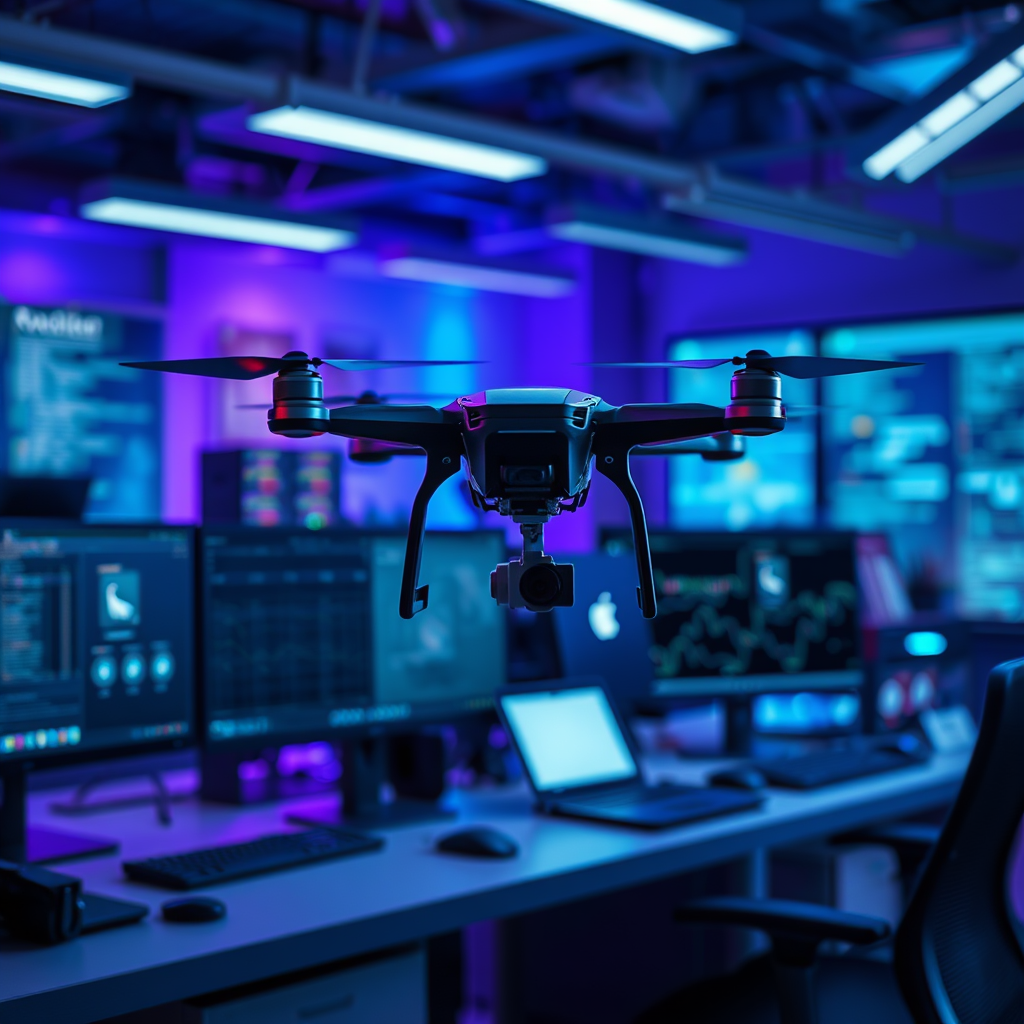
Yes, drones can be detected on radar, but their detectability depends on several factors, including their size, altitude, and the type of radar system used. As the proliferation of unmanned aerial vehicles (UAVs) continues to rise, understanding how radar technology interacts with these devices becomes increasingly significant for air traffic management, security agencies, and commercial operators. This article will explore how radar systems work, the challenges in detecting drones, and the advancements being made in drone detection technology.
Understanding Radar Technology
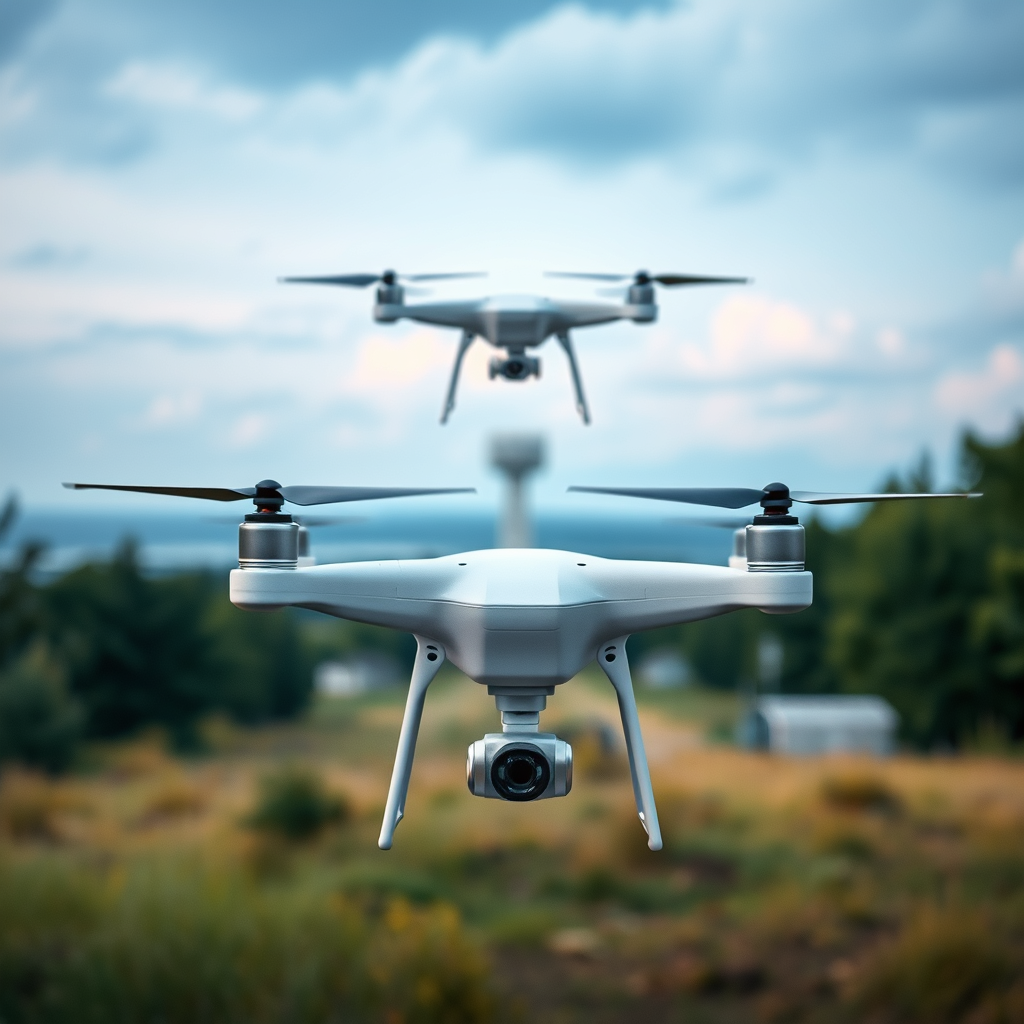
Radar, which stands for Radio Detection and Ranging, utilizes radio waves to detect objects and measure their distance, speed, and direction. A radar system emits radio waves that bounce off objects in their path, returning to the radar unit to provide information on the object’s location and movement. The effectiveness of radar systems can vary significantly based on their design and intended use.
Different radar systems are categorized primarily into long-range and short-range formats. Long-range radar systems, typically used in military and air traffic control applications, are designed to detect larger objects at significant distances. In contrast, short-range radar systems are often employed for applications like airport ground surveillance and drone detection. These systems can be more sensitive to smaller targets, but their effectiveness can diminish as the size of the object decreases. Drones, particularly smaller models, can present a unique challenge, as their radar cross-section (RCS)—the measure of how detectable an object is by radar—may be considerably low compared to larger aircraft.
Factors Affecting Drone Detectability
Several factors influence a drone’s detectability by radar systems, with size and shape being among the most critical. A drone’s radar cross-section is determined by its dimensions and design. Smaller drones, especially those designed with stealth in mind, often have a lower RCS, making them less detectable by conventional radar systems. For example, a small quadcopter may not reflect enough radar energy to be picked up, especially when compared to a large commercial aircraft.
Another significant factor is altitude. Drones typically operate at lower altitudes, often below the radar coverage of traditional systems, which are optimized for tracking larger aircraft flying at higher elevations. This low-altitude operation introduces a phenomenon known as ground clutter—interference caused by terrain, buildings, and other obstacles that can obscure the radar signals. As a result, drones flying just above the ground can be particularly elusive, necessitating more advanced detection methods.
Types of Radar Used for Drone Detection
Radar systems used for drone detection can be classified into two main types: primary radar and secondary radar. Primary radar operates by detecting all objects in the vicinity based on the reflected signals sent out by the radar unit. This type of radar does not rely on any onboard equipment or transponders in the drones, allowing it to detect a wide range of objects.
On the other hand, secondary radar systems work in conjunction with transponders installed on aircraft, which transmit identification and altitude information back to the radar system. While secondary radar is highly effective for manned aircraft, not all drones are equipped with transponders. This limitation makes primary radar systems more universally applicable for detecting a broader array of UAVs.
Challenges in Drone Detection
Despite advancements in radar technology, several challenges persist in effectively detecting drones. One of the most significant issues is their operation at low altitudes. Drones frequently fly below the radar coverage that is optimized for larger aircraft, complicating detection efforts. Ground clutter further exacerbates this issue, as radar systems can struggle to differentiate between legitimate drone signals and those caused by the surrounding environment.
Evasive maneuvers represent another challenge in drone detection. Many modern drones are engineered with capabilities that allow them to avoid radar detection. This includes flying at specific altitudes, using terrain masking to hide from radar systems, and employing stealth technology to minimize their radar cross-section. As drone technology evolves, so too do the tactics employed by operators to remain undetected.
Advancements in Drone Detection Technology
In response to the growing need for effective drone detection, significant advancements in technology are underway. One of the most promising developments is the creation of specialized radar systems explicitly designed to detect small UAVs. These systems utilize advanced signal processing techniques that enhance their sensitivity to smaller objects, allowing for improved detection capabilities.
Additionally, integrating radar systems with other sensor technologies—such as visual, infrared, and acoustic sensors—has proven to enhance detection capabilities significantly. For instance, while radar can provide a general location of a drone, thermal imaging can help identify it visually, and acoustic sensors can detect the sound of the drone’s rotors. This multi-sensor approach allows for a more comprehensive monitoring solution, improving the chances of detecting drones in various operational scenarios.
Legal and Ethical Considerations
As drone detection technology evolves, it is crucial to consider the legal and ethical implications associated with tracking UAVs. Regulations surrounding drone detection vary significantly from one jurisdiction to another, with many countries implementing specific guidelines to govern the use of detection systems. Understanding these regulations is essential for organizations involved in drone operations, as non-compliance can result in legal repercussions.
Equally important are privacy concerns associated with drone surveillance and detection. As technology advances, the potential for mass surveillance increases, prompting debates over individual privacy rights. Striking a balance between the need for security and the protection of civil liberties is an ongoing challenge that must be addressed as drone technology becomes more pervasive.
In summary, while drones can be detected on radar, various factors influence their visibility. As technology continues to evolve, so too will the methods for detecting and managing drone traffic. Staying informed about advancements in this field is essential for understanding the implications for airspace security and privacy, ensuring that both safety and civil rights are maintained in an increasingly drone-populated environment.
Frequently Asked Questions
Can drones be detected on radar systems?
Yes, drones can be detected on radar systems, but the effectiveness depends on several factors including the type of radar and the size of the drone. Conventional radar systems may struggle to detect smaller, low-flying drones due to their small radar cross-section. However, advanced radar technologies, such as those using high-resolution imaging and frequency modulation, can effectively identify and track drones.
How do military radar systems detect drones?
Military radar systems utilize sophisticated technologies to detect drones, including synthetic aperture radar (SAR) and passive radar. SAR can create high-resolution images of objects, enabling the detection of smaller targets like drones. Additionally, passive radar systems can detect the electronic emissions of drones, further enhancing their ability to track these aerial vehicles even when they are not actively broadcasting signals.
Why is it challenging to detect small drones on radar?
Detecting small drones on radar is challenging primarily due to their low radar cross-section, which means they reflect minimal radar signals back to the radar system. Furthermore, many consumer drones are designed to be lightweight and compact, making them less visible to traditional radar systems. This is compounded by their ability to fly at lower altitudes, often below radar coverage, and the presence of clutter in urban environments that can obscure their signals.
What are the best methods for detecting drones besides radar?
Besides radar, some of the best methods for detecting drones include radio frequency (RF) detection, infrared sensors, and acoustic sensors. RF detection systems intercept the communication signals between the drone and its controller, while infrared sensors can detect the heat signature of drones. Acoustic sensors, on the other hand, utilize sound detection technology to identify the unique noise produced by drone rotors, making them effective in certain environments.
Which types of drones are most easily detected by radar?
Larger drones, such as those used for commercial or military applications, are generally more easily detected by radar compared to smaller consumer drones. These larger models typically have a greater radar cross-section, making them more visible to radar systems. Additionally, drones equipped with transponders or those that operate at higher altitudes are more likely to be detected, as they emit stronger signals that can be picked up by various radar technologies.
References
- https://en.wikipedia.org/wiki/Drone_detection
- https://www.researchgate.net/publication/335678913_Drone_detection_and_tracking_using_radar
- https://www.darpa.mil/news-events/2021-08-24
- https://www.sciencedirect.com/science/article/pii/S1877050919311036
- https://www.bbc.com/news/technology-41121810
- https://www.nytimes.com/2021/06/17/world/europe/drone-detection-uk.html
- https://www.nap.edu/catalog/24938/assessing-the-impact-of-drones-on-the-u-s-national-security
- https://www.faa.gov/uas/resources/publications/
- https://www.usatoday.com/story/news/nation/2020/01/27/drone-detection-systems-airport-security/4577978002/
