
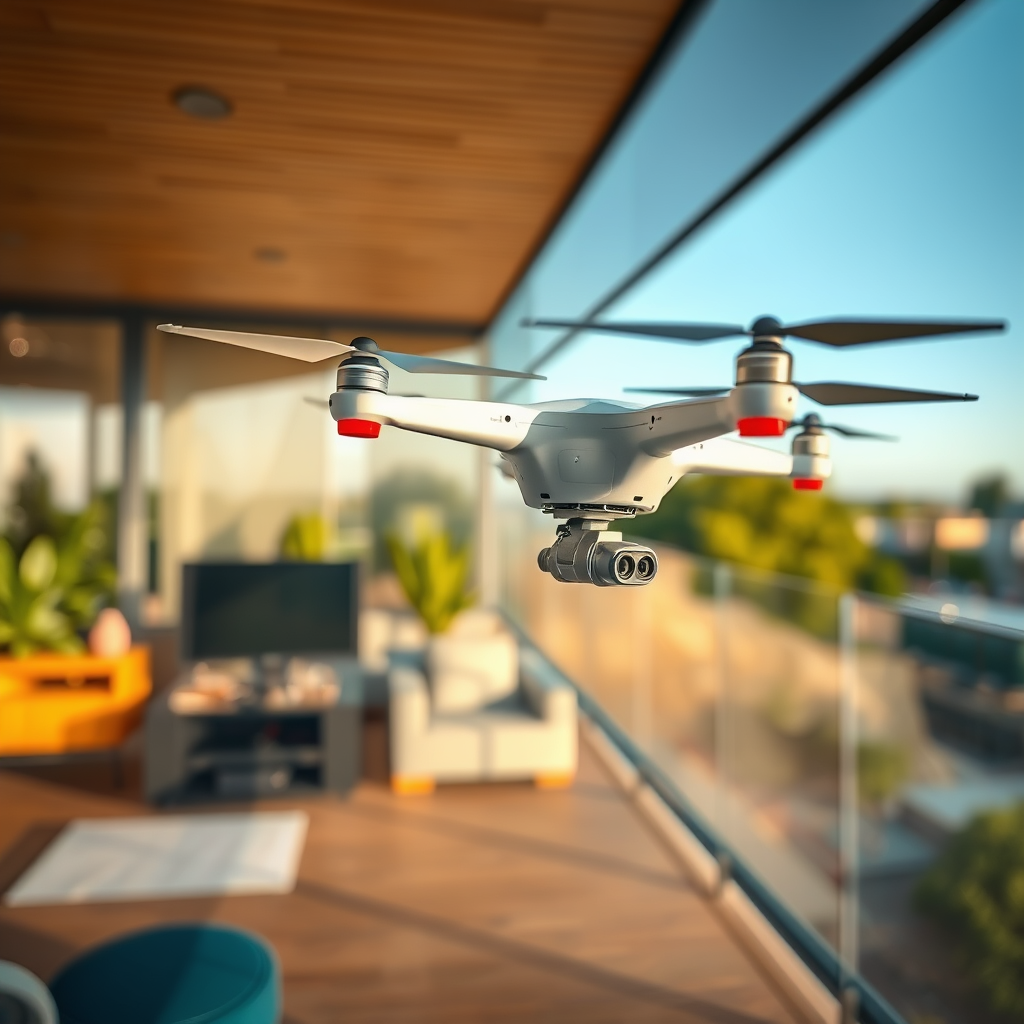
Drones can indeed be detected through various technologies and methods, including radar, radio frequency identification, and visual observation. As drones become increasingly prevalent in both commercial and recreational settings, understanding the mechanisms behind their detection is critical for enhancing security, addressing privacy concerns, and managing airspace effectively. This article delves into the different detection technologies available today, exploring their effectiveness, limitations, and implications.
Overview of Drone Detection Technologies
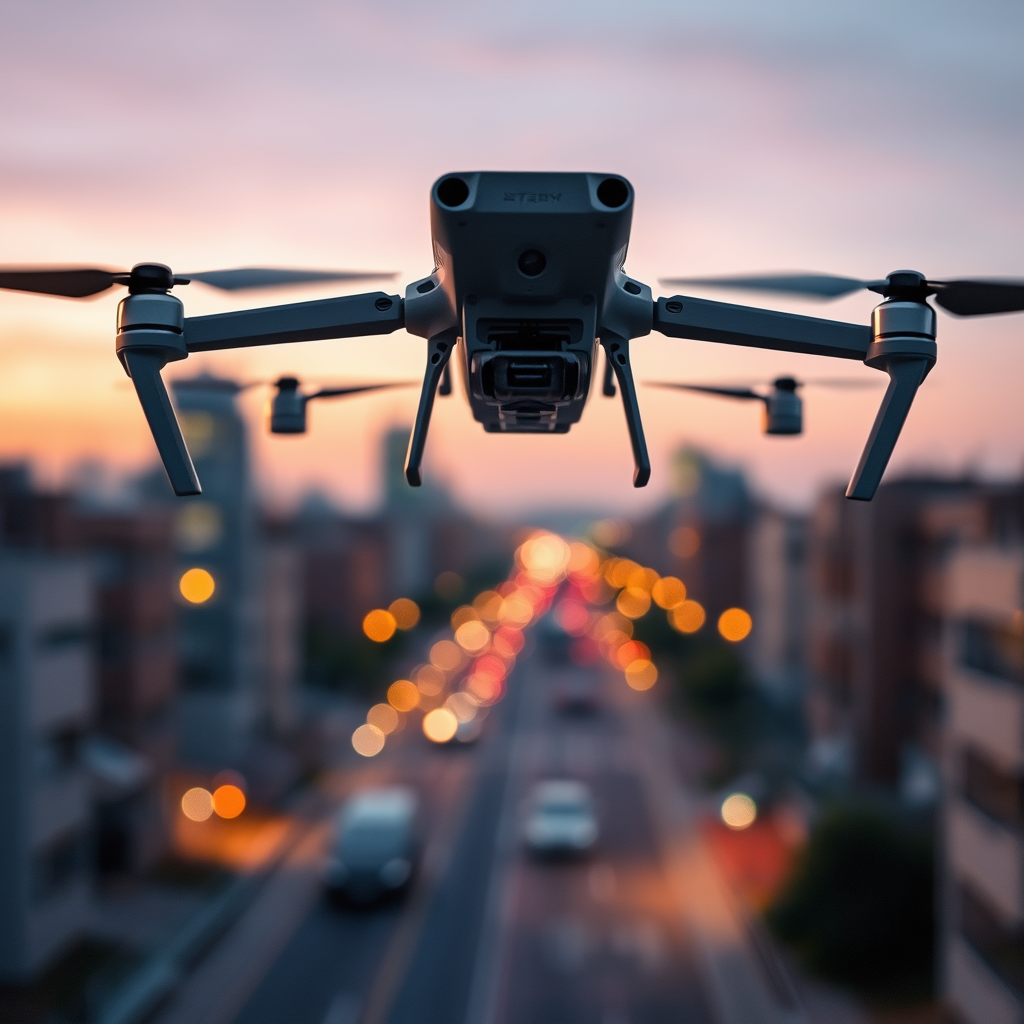
The rise of drone technology has prompted the development of various detection solutions aimed at identifying unauthorized or harmful drone activity. Key technologies include radar systems, radio frequency (RF) detection, and visual observation techniques. Each method offers unique advantages and limitations, making it essential to understand their specific application in real-world scenarios.
Radar systems are traditionally used in aviation and military environments to track larger aerial vehicles. However, advances in technology have allowed for the adaptation of radar systems to detect smaller drones by analyzing their signatures in the air. Meanwhile, radio frequency detection exploits the communication channels between drones and their operators, providing a means to intercept control signals. Lastly, visual detection methods, often supplemented with thermal imaging and high-resolution cameras, rely on human observation and technology to spot drones in the sky. Together, these technologies form a multi-faceted approach to drone detection.
Radar Detection of Drones
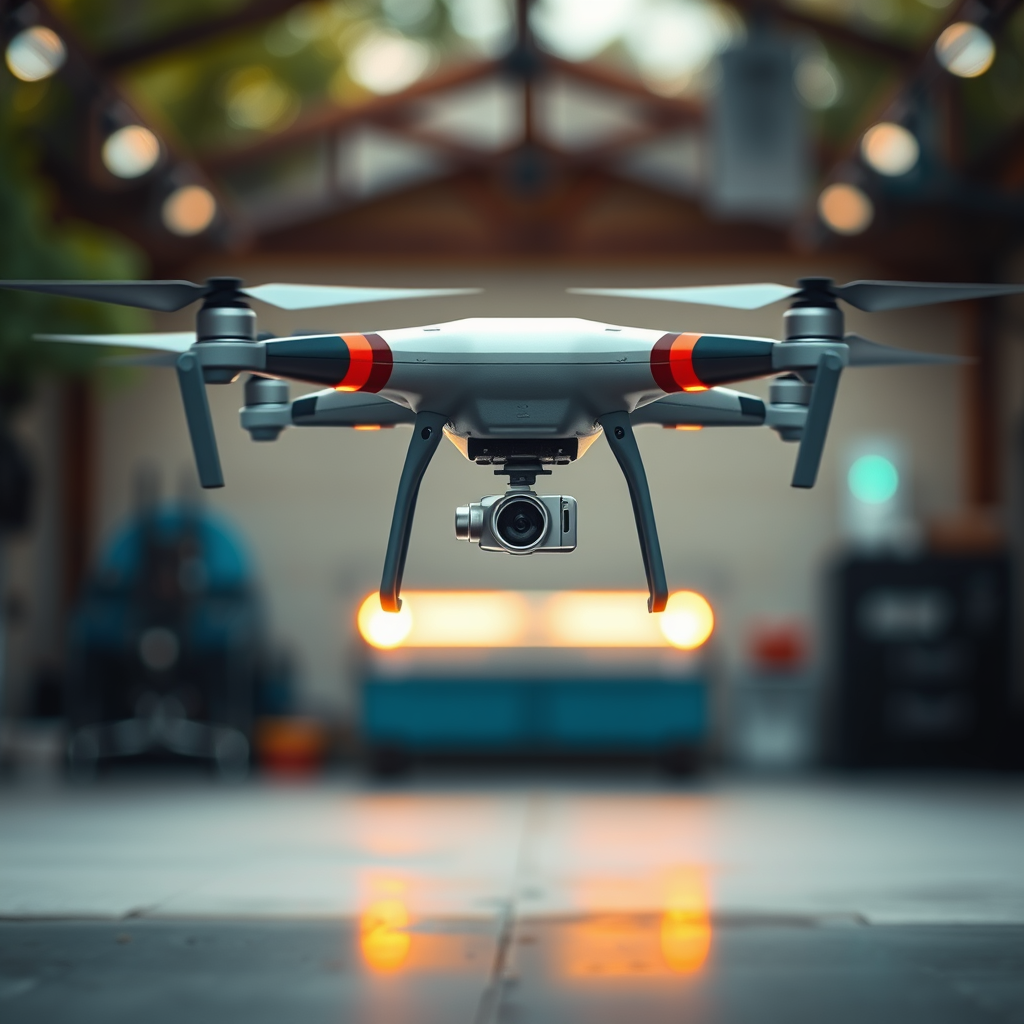
Radar systems operate by emitting radio waves that bounce off objects in the environment, returning echoes that are analyzed to determine the size, shape, and velocity of the detected object. In the context of drone detection, radar systems can be tailored to discern the unique signatures of small unmanned aerial vehicles (UAVs), even those with low radar cross-sections designed for stealth.
However, radar technology faces certain limitations when it comes to detecting small drones. These challenges include the size of the drone, which may render it nearly invisible to traditional radar systems. Additionally, environmental factors such as weather conditions, terrain, and clutter can impact the effectiveness of radar detection. For example, small drones flying at lower altitudes near buildings or trees may be obscured by the surrounding environment, making them difficult to track. To address these challenges, specialized radar systems, such as phased-array radars and frequency-modulated continuous wave (FMCW) radars, are being developed to improve detection capabilities.
Radio Frequency Detection
Drones typically communicate with their operators through radio frequencies, which can be intercepted using specialized detection equipment. This method relies on the identification of control signals transmitted between the drone and its controller, allowing security personnel to pinpoint the drone’s location and potentially disrupt its communication.
Advanced radio frequency detection systems can analyze the frequency spectrum and identify active signals associated with drone operations. These systems can provide real-time alerts and tracking information, making them invaluable for security applications. For instance, some law enforcement agencies have begun using RF detection technology to monitor drone activity in sensitive areas, such as airports or government buildings.
However, RF detection is not without its challenges. The proliferation of various RF communication protocols and encryption methods used by drone manufacturers can complicate the detection process. Moreover, some drones are designed to operate on frequencies that are less commonly monitored, which can further hinder detection efforts. Effective training and the integration of multiple detection methods are crucial to overcoming these obstacles.
Visual Detection Methods
Visual detection methods involve the use of trained personnel and sophisticated imaging technology to identify and track drones. This can include human observers stationed at strategic points or automated systems equipped with high-resolution cameras and thermal imaging capabilities.
Thermal imaging, for example, allows for the detection of drones based on heat emitted from their motors or batteries, making it an effective tool for night or low-visibility conditions. Cameras with advanced optics can also capture detailed images of drones at considerable distances, facilitating identification and assessment of potential threats.
However, visual detection relies heavily on human judgment and situational awareness, which can vary from person to person. Moreover, visual methods can be affected by environmental conditions, such as fog or heavy precipitation, which may obscure visibility. To enhance the effectiveness of visual detection, organizations often employ a combination of trained personnel and automated systems, allowing for continuous monitoring and quicker response times.
Countermeasures Against Undetected Drones
As drone technology evolves, so too do the countermeasures designed to mitigate the risks posed by undetected drone operations. These measures may include jamming signals, deploying nets, or utilizing laser systems to disable drones mid-flight.
For instance, signal jamming can disrupt the communication between a drone and its operator, effectively rendering the drone inoperable. Similarly, net-based systems can capture drones safely without the risk of collateral damage, making them suitable for urban environments. However, these countermeasures raise ethical considerations and legal implications, particularly regarding privacy rights and the potential for collateral damage to bystanders or property.
The implementation of counter-drone technologies must be approached with caution, as the legal framework governing their use can vary widely by jurisdiction. Many countries have established regulations to govern drone usage and counter-drone measures, emphasizing the importance of balancing security needs with civil liberties.
The Future of Drone Detection
The future of drone detection technology is poised for significant advancements as the drone industry continues to grow. Emerging trends include the integration of artificial intelligence and machine learning algorithms to enhance detection capabilities. These technologies can enable systems to analyze real-time data more efficiently, improving the accuracy of detection and response times.
Additionally, as drones become increasingly autonomous, detection systems will need to evolve to cope with more sophisticated UAVs capable of evading traditional detection methods. Collaborations between governmental agencies, private industry, and academic institutions will be essential to drive innovations in drone detection.
Predictions suggest that future detection methods will leverage a combination of radar, RF, visual, and even acoustic technologies, resulting in a comprehensive approach to drone monitoring. The goal will be to create a seamless detection ecosystem that can adapt to the ever-changing landscape of drone technology.
In conclusion, while drones can be detected using various methods, each has its own strengths and limitations. Radar systems, radio frequency detection, and visual observation each play a crucial role in ensuring the safe integration of drones into our airspace. As drone technology continues to advance, so too will the systems designed to detect them. Staying informed on detection methods can help enhance security and address concerns related to drone usage, ultimately fostering a safer environment for all.
Frequently Asked Questions
Can drones be detected by radar systems?
Yes, drones can be detected by radar systems, but the effectiveness largely depends on the size and altitude of the drone. Larger drones, especially those used for commercial purposes, are easier to detect using standard radar systems. However, smaller consumer drones may evade detection due to their low radar cross-section and flight patterns, making them more challenging for traditional radar systems to capture.
How do security agencies detect unauthorized drones?
Security agencies utilize various methods to detect unauthorized drones, including radar systems, radio frequency (RF) detection, and visual monitoring. Advanced technologies like acoustic sensors and thermal imaging can also be employed to identify drone activity. These methods help authorities track drone movement and ensure compliance with airspace regulations, especially in sensitive areas.
Why are some drones difficult to detect?
Some drones are difficult to detect primarily due to their small size, low altitude flight, and design features aimed at reducing radar visibility, such as stealth technology. Many consumer drones are built to be lightweight and compact, which contributes to their ability to fly under the radar. Additionally, their ability to operate at lower altitudes makes them less likely to be picked up by conventional radar systems.
What are the best methods for detecting drones in urban environments?
The best methods for detecting drones in urban environments include a combination of radar systems, RF detection, and visual surveillance. Acoustic sensors can also be effective in urban areas, as they can identify the distinct sound of drone rotors. Additionally, deploying drone detection software that uses machine learning algorithms can enhance the capability to identify and track drones amidst the complex urban landscape.
Which technologies are most effective for drone detection?
The most effective technologies for drone detection include radar systems, RF detection devices, and electro-optical/infrared cameras. Many security solutions integrate these technologies to create a comprehensive drone detection system. Additionally, advanced software solutions that analyze flight patterns and behaviors can help distinguish between authorized and unauthorized drone activity, providing a robust defense against potential threats.
References
- https://en.wikipedia.org/wiki/Drone_detection
- https://www.nytimes.com/2021/10/06/us/drones-detection-security.html
- https://www.faa.gov/uas/resources/policy_library/media/Drone_Detection_Research.pdf
- https://www.itu.int/en/ITU-T/Workshops-and-Seminars/201910/PublishingImages/WP1D/Session%202/Drone%20Detection%20Report.pdf
- https://www.nap.edu/catalog/25450/drones-in-the-sky-a-technical-report-on-detection-and-tracking
- https://www.sciencedirect.com/science/article/abs/pii/S0360835217302544
- https://www.bbc.com/news/technology-47161309
- https://www.theguardian.com/us-news/2021/sep/21/drones-security-us-airports
- https://www.dhs.gov/sites/default/files/publications/2020-03/dhs-drone-threats-and-countermeasures-2020-03.pdf
