

Yes, drones can be flown in national parks, but there are strict regulations that govern their use. Most national parks in the United States prohibit drone flying to protect wildlife and preserve the natural environment. Understanding these regulations is crucial for anyone interested in using drones in these areas, as it ensures adherence to legal and ethical standards while also promoting the conservation of our natural landscapes.
Understanding National Park Regulations
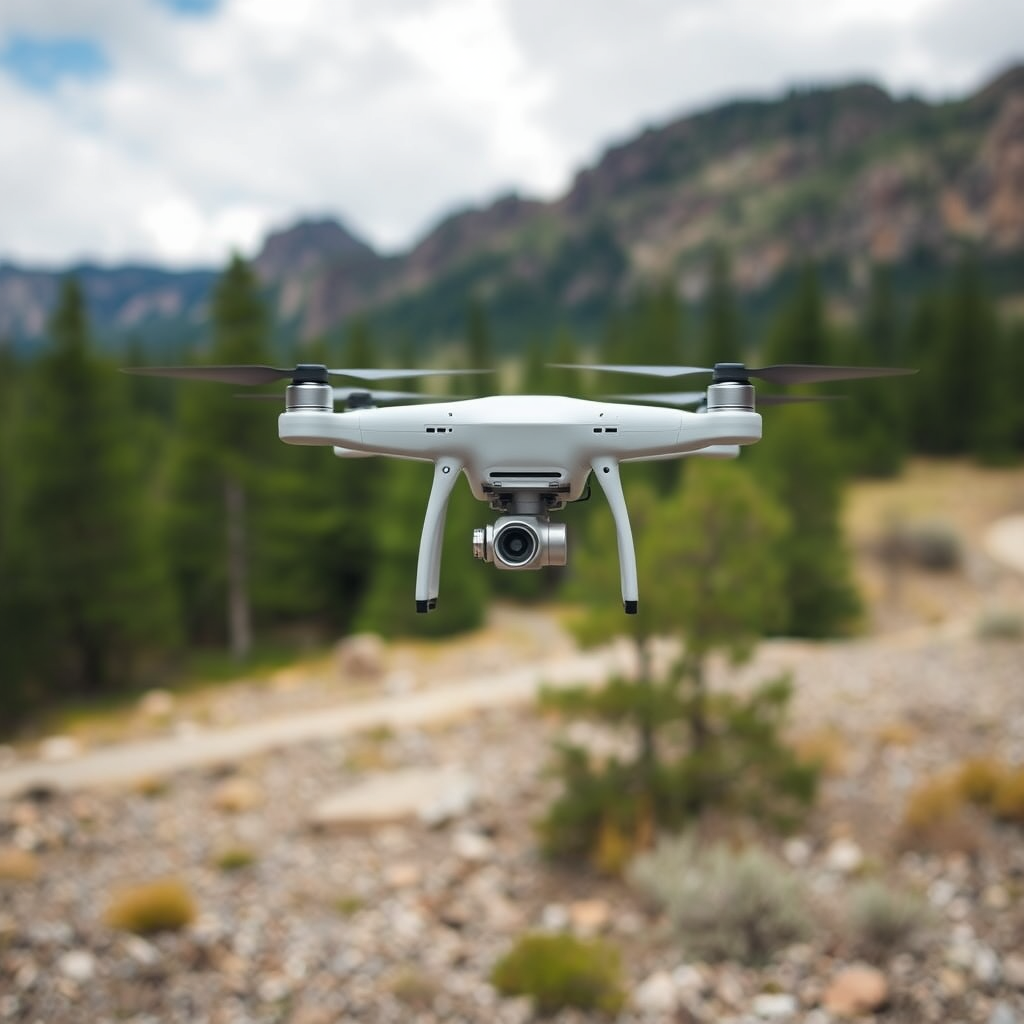
National Parks are managed by the National Park Service (NPS), which enforces specific rules regarding drone usage to maintain the integrity of these protected areas. The overarching policy across most national parks is a blanket ban on drone flying, which is designed to safeguard wildlife habitats and ensure the safety of park visitors. For instance, the iconic Yellowstone National Park explicitly prohibits the operation of unmanned aircraft, including drones, unless specifically permitted.
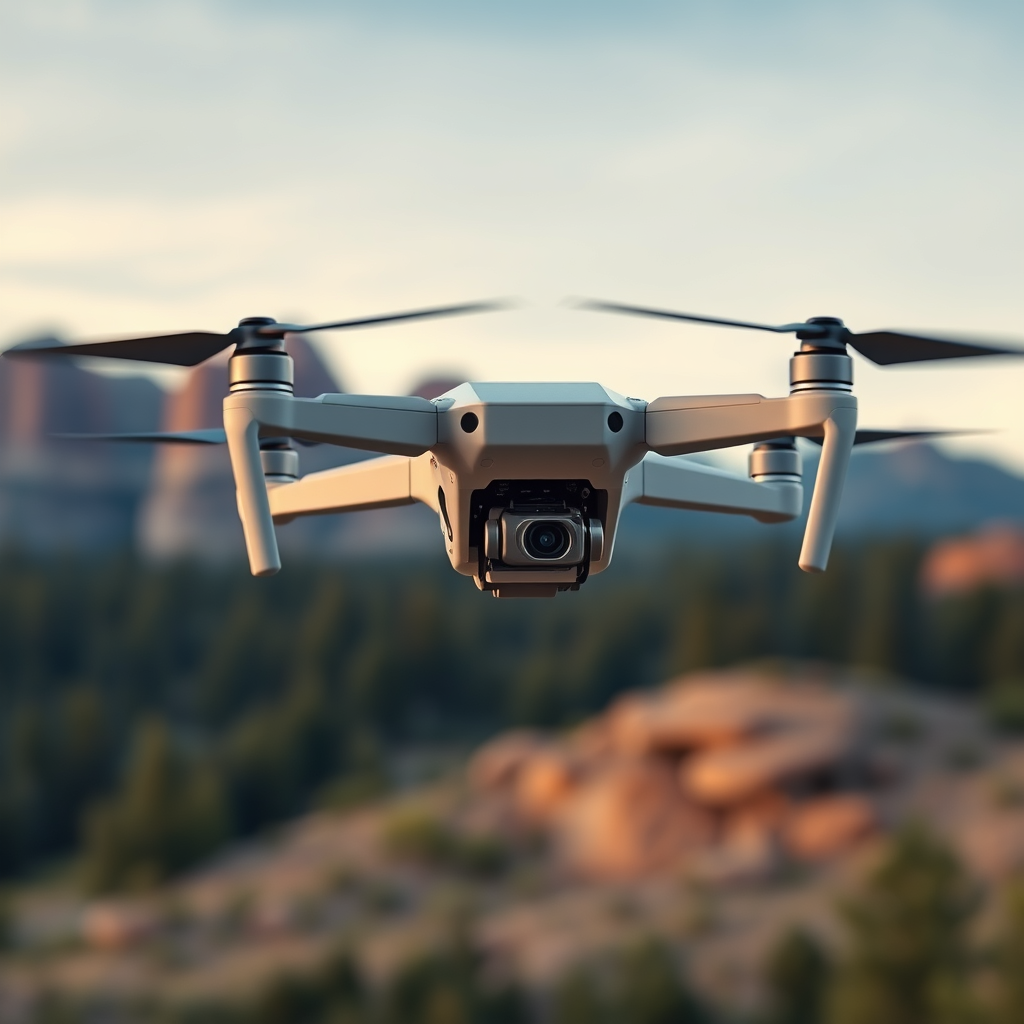
In some instances, exceptions may exist, but they are rare and typically contingent upon obtaining a special permit from the NPS. This means that for those interested in capturing aerial footage or conducting research using drones, it is essential to engage with park regulations thoroughly. Each park may have its own unique set of rules, so it is critical to consult the official NPS website or contact park authorities for the most accurate and current information.
Reasons for Drone Restrictions
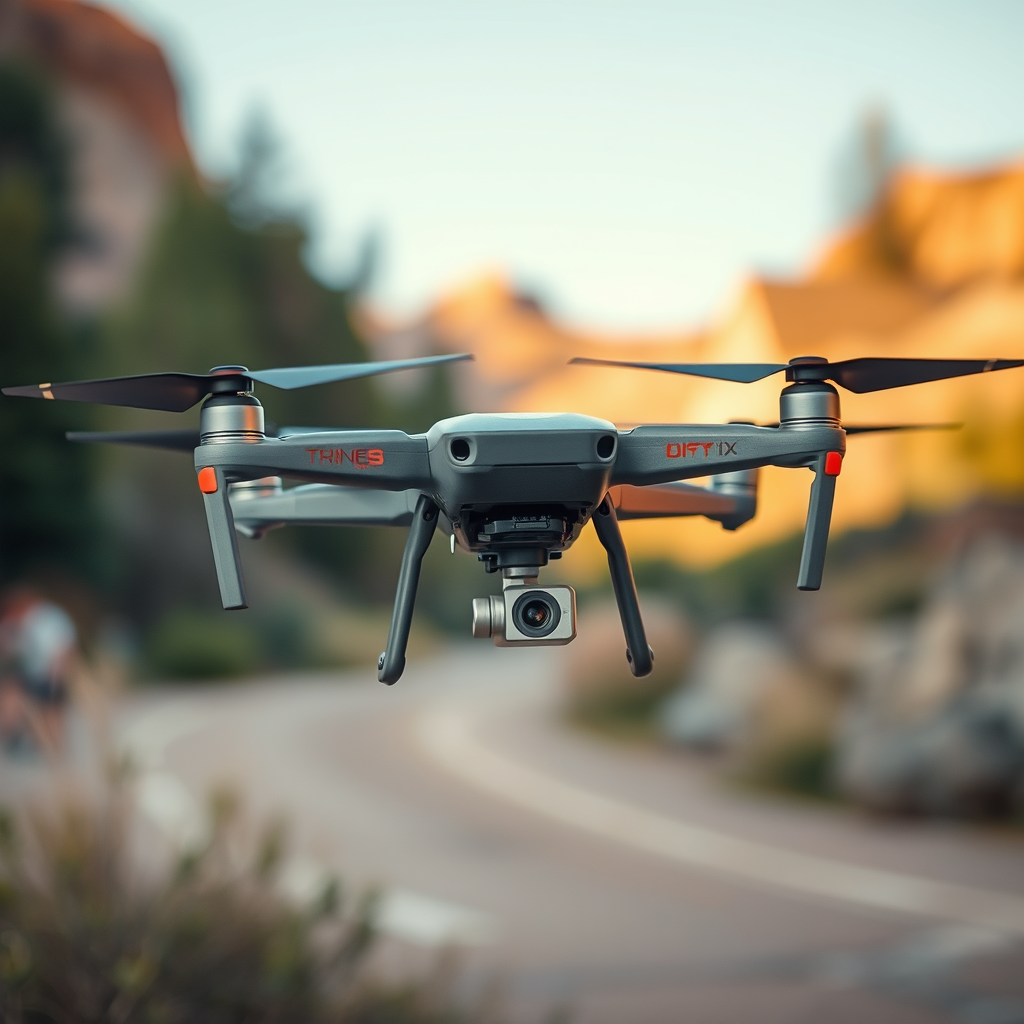
The restrictions on drone flying in national parks are primarily motivated by two significant factors: environmental protection and safety concerns. Drones can disturb wildlife in various ways, including causing stress to animals, disrupting mating rituals, and altering natural behaviors. For example, the noise generated by drones can drive away birds from their nesting areas or disrupt the grazing patterns of larger mammals like elk and deer.
Moreover, safety concerns are paramount. Drones pose risks not only to wildlife but also to park visitors and ongoing park operations. Accidents involving drones can lead to injuries or even fatal encounters, particularly in areas where large crowds gather or where there are limited escape routes for wildlife. The presence of drones can also interfere with search and rescue operations, which rely on traditional aircraft that may be hindered by drone activity.
Exceptions and Special Permits
While the general rule prohibits drone flying in national parks, there are some exceptions where drones may be utilized for specific purposes. Certain parks may allow drone use for scientific research, conservation efforts, or emergency response operations. For instance, the NPS may permit drones for wildlife surveys or to assess ecological conditions, provided that the applicant can demonstrate a clear benefit to the park’s management and comply with strict operational guidelines.
Obtaining a special permit requires a detailed application process, which often includes a thorough review of the intended use, potential impacts on the environment, and adherence to safety protocols. Interested parties should prepare to provide extensive documentation, including a risk assessment and an outline of how the drone operation will contribute positively to the park’s goals. This rigorous application process underscores the importance of responsible drone use and the commitment of the NPS to preserve the natural beauty of these landscapes.
Alternatives to Drones in National Parks
For those eager to capture the stunning vistas and wildlife of national parks, there are numerous alternatives to drone photography that align with conservation efforts. Traditional photography methods, such as hiking to strategic vantage points, can yield breathtaking images without the environmental impact associated with drone usage.
Handheld cameras or GoPro devices can also be excellent tools for documenting experiences in national parks. These devices are lightweight, portable, and capable of capturing high-quality images and videos. Additionally, many smartphones are equipped with advanced camera features that allow for impressive photography, making them a convenient choice for park visitors. By embracing these alternatives, individuals can enjoy the beauty of nature while respecting the regulations designed to protect it.
Drone Regulations in Other Outdoor Areas
While national parks often have stringent drone regulations, other outdoor areas like state parks, forests, and private lands may have more lenient rules. For instance, some state parks allow drones with specific guidelines, making them a potential option for those seeking to fly in natural settings. However, it is imperative to check local regulations before flying a drone in any outdoor area. Each state and park may have different rules, and failure to comply can result in fines or legal repercussions.
In addition to state parks, some recreational areas and private lands may permit drone use, provided that operators adhere to safety protocols and respect the privacy of others. Always ensure that you are informed about the specific regulations of the area you wish to explore, as this knowledge can enhance your outdoor experience while promoting responsible drone usage.
Future of Drone Use in National Parks
The future of drone use in national parks remains a topic of ongoing discussion and debate. As technology continues to advance, there may be opportunities for more regulated and responsible drone usage in these protected areas. Advocates for drone use often argue that with proper regulations in place, drones can serve beneficial purposes, such as enhancing research capabilities and improving park management.
However, the balance between utilizing drone technology and protecting natural environments will continue to be a focal point in these discussions. Advocacy for responsible drone usage and environmental protection will be crucial in shaping future policies. Stakeholders, including park managers, environmentalists, drone enthusiasts, and the public, must work collaboratively to ensure that the benefits of drone technology do not come at the expense of our cherished natural landscapes.
In conclusion, while flying drones in national parks is largely prohibited, understanding the regulations and exploring alternative options can still allow for capturing beautiful moments in nature. It is essential to respect the guidelines established by the National Park Service and consider how to enjoy the outdoors responsibly. Always check specific park rules before planning your drone activities, and embrace other creative avenues for documenting your adventures in these magnificent natural settings.
Frequently Asked Questions
Can I fly a drone in national parks without permission?
No, you cannot fly a drone in national parks without prior permission. The National Park Service (NPS) prohibits drone use in all national parks to protect wildlife, preserve the natural landscape, and ensure the safety of visitors. If you want to use a drone for specific purposes, such as research or filming, you must apply for a permit and follow all guidelines set by the NPS.
What are the consequences of flying a drone in a national park?
Flying a drone in a national park without permission can lead to significant consequences, including fines and potential criminal charges. The penalties can vary based on the severity of the violation, with fines reaching up to $5,000. Additionally, violating park regulations can result in the confiscation of your drone and a ban from future entry into the park.
Why are drones banned in national parks?
Drones are banned in national parks primarily to protect wildlife and preserve the natural environment. The noise and disturbance caused by drones can disrupt animal behavior and interfere with the tranquility that visitors seek in these natural spaces. Furthermore, drones pose safety risks to both wildlife and park visitors, leading to the decision to maintain a drone-free policy.
How can I apply for a permit to fly a drone in a national park?
To apply for a permit to fly a drone in a national park, you need to contact the specific park’s administration office directly. The application process typically involves submitting a detailed proposal outlining your intended drone use, including the purpose, location, and duration of the flight. It’s crucial to submit your application well in advance, as the review process can take time, and not all requests are approved.
Which national parks allow drone use, and what are the restrictions?
While most national parks prohibit drone use, some parks may allow it under strict regulations. For instance, certain areas within parks may permit drone use for educational or research purposes, provided you obtain the necessary permits. Always check the specific regulations of the national park you plan to visit on the NPS website to understand the current rules and any potential restrictions that may apply.
References
- https://www.nps.gov/subjects/drones/index.htm
- https://www.nps.gov/subjects/drones/faqs.htm
- https://www.wilderness.org/initiatives/drones-national-parks
- https://www.nytimes.com/2020/06/30/us/national-parks-drones.html
- https://www.faa.gov/uas/learn-to-fly/
- https://www.usgs.gov/mission-areas/natural-resources/science/drone-technology-national-parks
- https://www.sciencedirect.com/science/article/pii/S2352938515000350
- https://www.wildlife.org/drones-in-wildlife-research-and-management/
