
Yes, drones can be launched from submarines, and this innovative approach enhances military operations and reconnaissance capabilities. As technology advances, the integration of unmanned aerial vehicles (UAVs) with submarine systems is becoming increasingly feasible and practical, allowing for a new dimension of underwater and aerial coordination. By utilizing drones, submarines can extend their operational reach, gather vital intelligence while maintaining stealth, and improve their strategic advantages in various military scenarios.
Overview of Submarine-Drones Integration
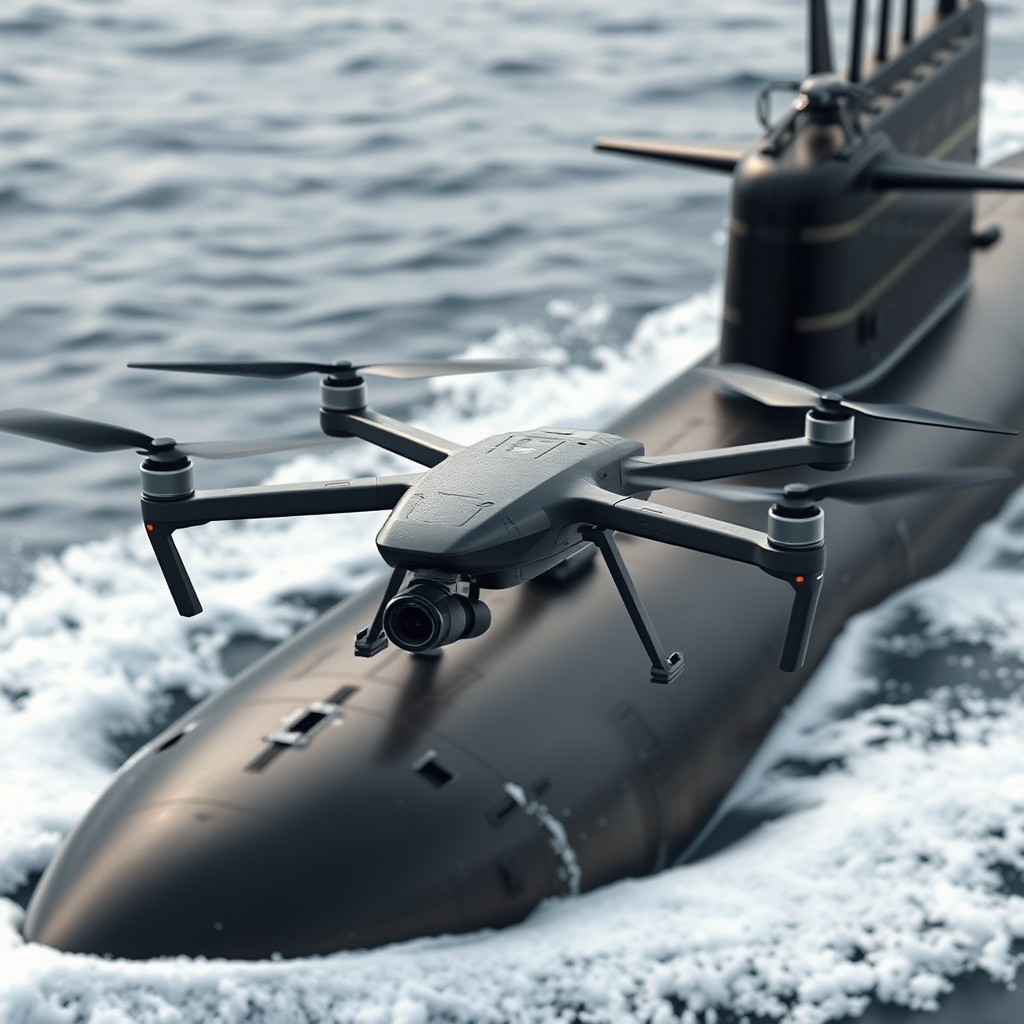
The integration of drones with submarines involves sophisticated technologies that enable the safe and effective launch of UAVs from underwater. This process often requires specially designed drone systems that can withstand the pressures of deep-sea environments and operate effectively upon surfacing. The foundational technology includes miniaturized launch mechanisms, which can be integrated into the submarine’s existing systems, such as vertical launch systems (VLS) or torpedo tubes.
Combining the stealth of submarines with the surveillance capabilities of drones presents several benefits. Submarines can remain hidden underwater, making them less vulnerable to detection while their drones conduct reconnaissance missions. This capability allows for enhanced situational awareness over broader areas without risking the submarine’s position. Moreover, drones can relay real-time data back to submarines, facilitating better decision-making and operational planning.
Types of Drones Suitable for Submarine Launch
Drones that are ideal for submarine deployment are typically small, portable, and designed for rapid deployment and recovery. These UAVs must be lightweight and compact to fit within the constraints of a submarine’s launch systems. Characteristics such as waterproofing, ease of handling, and reliable communication systems are crucial for their operational success.
Examples of UAVs currently in development for submarine launch include the Boeing Echo Voyager and the Northrop Grumman MQ-8 Fire Scout. The Echo Voyager, while primarily an unmanned underwater vehicle (UUV), has capabilities that allow it to transition between underwater and aerial operations. The MQ-8 Fire Scout, on the other hand, is designed for vertical takeoff and landing (VTOL), making it adaptable for launch from various platforms, including submarines. These examples illustrate the advancements in drone technology that make submarine integration not only possible but practical and effective.
Launch Mechanisms and Techniques
The launch systems designed specifically for submarines are critical for the operational success of submarine-launched drones. Some systems utilize vertical launch technology, similar to those used for missiles, allowing drones to be deployed from a submerged position. Others may employ torpedo tube launch systems, which can facilitate quicker deployment and recovery of drones.
When comparing vertical launch systems to other methods, such as ramp launches or canister systems, the choice often depends on the specific operational requirements. Vertical launch systems can provide a stealthier approach, as they allow for drone deployment without surfacing the submarine. However, ramp and canister systems can be more versatile, accommodating various drone types and launch protocols. As the technology evolves, hybrid systems that combine these methods may emerge, offering enhanced flexibility and operational capabilities.
Operational Advantages of Submarine-Launched Drones
The operational advantages of launching drones from submarines are numerous. Primarily, these drones can perform reconnaissance missions far beyond the immediate vicinity of the submarine, providing valuable intelligence on enemy movements, geographical changes, and potential threats. This capability significantly enhances situational awareness, allowing military commanders to make informed decisions based on real-time data.
Additionally, the ability to gather intelligence without compromising the submarine’s location or stealth is a considerable tactical advantage. Submarines can operate in contested environments where traditional aerial surveillance might be too risky. By deploying drones, submarines can maintain a low profile while still obtaining critical information, thereby increasing the efficacy of military operations.
Challenges and Limitations
Despite the promising capabilities of submarine-launched drones, several challenges and limitations must be addressed. One significant technical challenge is ensuring reliable launch and recovery operations from underwater. The underwater environment presents unique obstacles, including pressure variations, currents, and visibility issues that could affect drone deployment and performance.
Moreover, potential risks associated with drone operations include the loss of communication between the submarine and the drone. Such disruptions could lead to mission failures or the loss of valuable equipment. Ensuring robust communication links and developing fail-safe recovery systems are essential to mitigate these risks. Additionally, enhancing the durability of drones to withstand harsh underwater conditions is a critical area of ongoing research and development.
Future Prospects and Innovations
The future of submarine-drone integration appears promising, with several emerging technologies poised to improve this capability. Innovations in drone design, such as advanced materials that are lighter and more resilient, could enhance the operational range and effectiveness of these systems. Moreover, advancements in artificial intelligence (AI) and machine learning could allow drones to conduct autonomous missions, reducing the need for direct human oversight and increasing operational efficiency.
Predictions for military strategies indicate a shift toward more integrated operations involving submarines and drones. As these technologies continue to evolve, we can expect military forces to develop strategies that leverage the unique advantages of submarine-launched drones, enhancing overall battlefield effectiveness and adaptability.
Case Studies and Current Implementations
Several military programs and exercises are currently exploring the capabilities of submarines launching drones. One notable example is the U.S. Navy’s ongoing development of the Large Displacement Unmanned Undersea Vehicle (LDUUV), which aims to integrate drone technology into submarine operations. Additionally, recent naval exercises have demonstrated the successful deployment of UAVs from submarines, highlighting the potential for enhanced maritime reconnaissance and surveillance capabilities.
Analysis of these operations has revealed valuable lessons, including the importance of training personnel for drone operations and the need for robust communication protocols to ensure mission success. As militaries around the world continue to experiment with submarine-drone integration, these case studies offer critical insights into best practices and operational challenges.
The ability to launch drones from submarines represents a significant advancement in modern warfare and surveillance. As technology continues to evolve, we can expect even more innovative applications of this capability, which may reshape military tactics and strategies. The integration of drones with submarines not only enhances reconnaissance capabilities but also underscores the ongoing transformation of military operations in the 21st century.
Frequently Asked Questions
Can drones be launched from submarines?
Yes, drones can be launched from submarines, and this capability is gaining traction in military and exploratory applications. Submarines equipped with specialized launch systems, such as vertical launch systems (VLS) or torpedo tubes, can deploy drones for various purposes, including reconnaissance, surveillance, or even combat missions. This integration allows submarines to extend their operational reach without surfacing, providing a strategic advantage.
How do submarines launch drones underwater?
Submarines typically launch drones underwater using a combination of specialized hardware and software systems. The drone is housed in a launch tube or a vertical launch system, which is pressurized to allow for a safe release of the drone into the water. Once deployed, the drone’s buoyancy helps it surface, where it can then activate its propulsion system and begin its mission.
Why is launching drones from submarines beneficial for military operations?
Launching drones from submarines offers several benefits for military operations, including enhanced stealth and operational flexibility. Submarines can remain submerged, reducing the risk of detection by enemy forces while still gathering intelligence or conducting reconnaissance missions. Additionally, using drones allows for real-time data collection and situational awareness without risking personnel or exposing the submarine’s position.
What types of drones are best suited for submarine launch?
The best types of drones for submarine launch are typically small to medium-sized unmanned aerial vehicles (UAVs) or unmanned underwater vehicles (UUVs). These drones are designed for rapid deployment and can operate in various environments. UAVs like the RQ-20 Puma or UUVs like the Bluefin-21 are examples that have been tested for submarine launch, emphasizing versatility and operational capability, which is essential for missions conducted from submerged platforms.
Which countries have developed submarine-launched drone technology?
Several countries have developed or are actively working on submarine-launched drone technology, particularly in their naval forces. The United States, Russia, and China are at the forefront, with programs that include both aerial and underwater drones. These nations recognize the strategic value of integrating drone technology with submarines to enhance surveillance capabilities and operational effectiveness across various maritime environments.
References
- https://en.wikipedia.org/wiki/Submarine_drone
- https://www.reuters.com/technology/us-navy-tests-drones-launched-from-submarines-2022-08-04/
- https://www.defense.gov/Explore/News/Article/Article/2509015/us-navy-drone-submarine-combination-could-revolutionize-warfare/
- https://www.nytimes.com/2021/09/23/us/politics/nuclear-submarine-drones.html
- https://www.navy.mil/Press-Office/News-Stories/Article/2630909/navy-drones-launch-from-submarines-in-historic-test/
- https://www.bbc.com/news/world-us-canada-59835480
- https://www.sciencedirect.com/science/article/pii/S1383372319301340
