
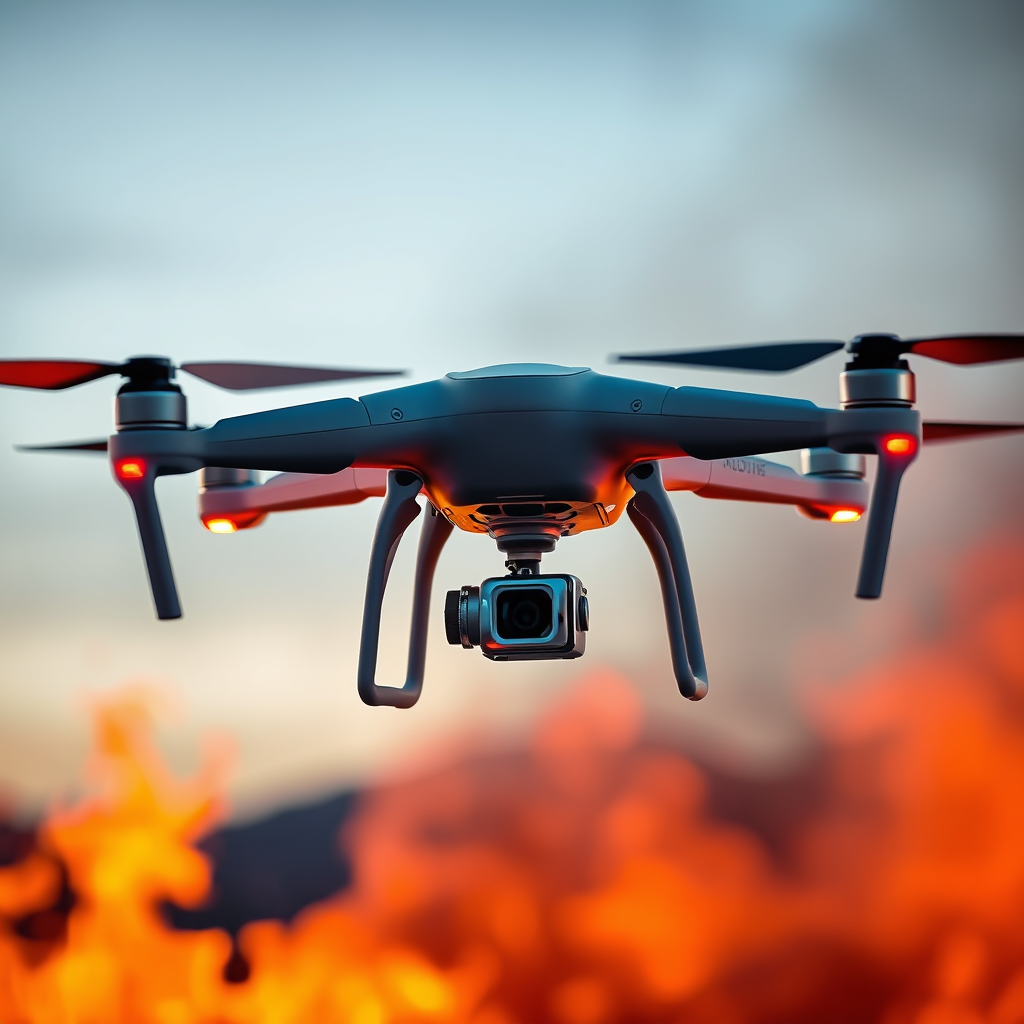
Yes, drones can indeed be used to put out fires, offering innovative solutions to enhance firefighting efforts. These unmanned aerial vehicles (UAVs) are equipped with various payloads that allow them to deliver water, fire retardants, and even thermal imaging technology, thereby assisting firefighters in their critical operations. As wildfires and structural fires become increasingly challenging due to climate change and urban expansion, the integration of drones into firefighting strategies has emerged as a promising solution.
The Technology Behind Firefighting Drones
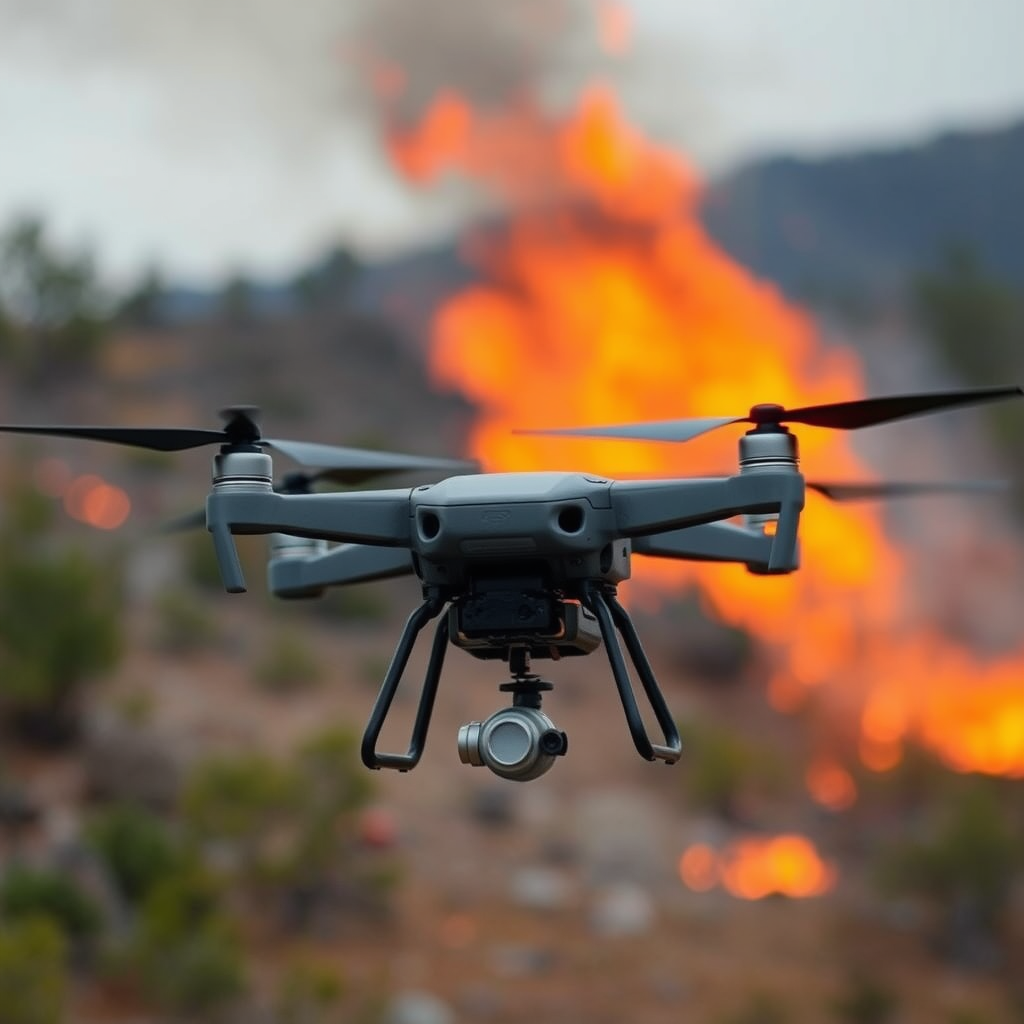
Firefighting drones come in various types, each suited for specific tasks within the firefighting framework. Most commonly, quadcopters and fixed-wing drones are utilized due to their stability, maneuverability, and ability to cover large areas. Quadcopters are particularly effective in urban settings, where precision is critical, while fixed-wing drones excel in monitoring and surveying vast wildfire landscapes.
The payload options for firefighting drones are diverse. Drones can be equipped with tanks that hold water or foam, allowing them to perform precise water drops over hotspots and inaccessible areas. Fire retardants are another effective payload, providing a barrier to slow the spread of flames. Additionally, drones can carry thermal imaging cameras that help identify hot spots and assess the effectiveness of firefighting efforts in real-time. This capability allows firefighters to make informed decisions based on accurate data, improving their operational efficiency.
Advantages of Using Drones in Firefighting
The advantages of employing drones in firefighting are manifold. One of the most significant benefits is their enhanced accessibility to hard-to-reach areas. Drones can fly over rugged terrain, dense forests, and urban environments, allowing them to deliver aid to areas that would otherwise be difficult or dangerous for human firefighters to access. This feature is especially crucial during wildfires, where rapid response can be the key to minimizing damage.
Another critical advantage is the reduced risk to human firefighters. Firefighting is inherently hazardous, and sending personnel into dangerous zones can lead to injuries or fatalities. By utilizing drones for initial assessments or direct firefighting efforts, departments can safeguard their crews while still effectively managing fire situations. This shift not only enhances safety but also optimizes resource allocation in firefighting operations.
Current Applications of Drones in Firefighting
Several case studies illustrate the successful deployment of drones in firefighting scenarios. For instance, during the 2020 Australian bushfires, drones were used to conduct aerial surveillance, identify hotspots, and assist in water drops, significantly improving response times and coordination among firefighting teams. Similarly, in California, drone technology has been integrated into wildfire management strategies, where they provide real-time data to ground crews, enabling more strategic planning and execution of firefighting efforts.
Collaboration between drone operators and fire departments is becoming increasingly common. Many fire departments are partnering with technology companies to develop tailored drone solutions that meet their specific needs. These partnerships have led to the creation of specialized drones designed to operate in extreme conditions, further enhancing the efficacy of firefighting operations.
Limitations and Challenges
Despite their advantages, the use of drones in firefighting is not without limitations and challenges. One of the most pressing technical limitations is battery life. Most drones have a limited operational time, typically ranging from 20 to 40 minutes, which can restrict their effectiveness in prolonged firefighting scenarios. Additionally, the payload capacity of drones is often limited, which may necessitate multiple trips to deliver sufficient water or fire retardant to a site.
Regulatory challenges also pose significant hurdles. Airspace restrictions can limit where drones can operate, particularly in urban areas where air traffic is dense. Moreover, regulatory bodies like the Federal Aviation Administration (FAA) impose strict guidelines governing drone operations, which can complicate their integration into emergency response plans. Fire departments must navigate these regulations while also ensuring compliance with safety protocols.
Future Prospects for Drones in Firefighting
The future of drones in firefighting appears promising, with several innovations on the horizon. Advances in battery technology, such as the development of hybrid drones that combine fuel and electric power, could significantly extend flight times and payload capacities. Other innovations include the potential for drones equipped with artificial intelligence (AI) systems that can autonomously identify fire hotspots and execute water drops without human intervention.
Potential partnerships between tech companies and firefighting agencies may further drive this evolution. Collaborative research initiatives focused on drone capabilities and effectiveness in firefighting could lead to groundbreaking solutions. Additionally, increased investment in drone technology by both public and private sectors may accelerate the development of more advanced firefighting drones.
Best Practices for Integrating Drones into Firefighting
For fire departments considering the adoption of drones, several best practices can facilitate successful integration. First, it is essential to establish clear operational protocols that outline when and how drones will be deployed during emergencies. This includes defining roles for drone operators and integrating drone use into existing firefighting strategies.
Training and certification requirements for drone operators are also critical. Fire departments should invest in specialized training programs that ensure operators are skilled in both drone technology and firefighting tactics. Furthermore, ongoing education will help operators stay current with advancements in drone technology and regulatory changes.
Finally, fostering collaboration between firefighters and drone operators can enhance operational effectiveness. Fire departments should encourage regular communication and joint training exercises that allow both parties to understand each other’s capabilities and limitations, thereby improving coordination during actual firefighting scenarios.
In conclusion, while drones are not a complete replacement for traditional firefighting methods, they offer significant advantages that can enhance overall efficiency and safety. Their ability to access hard-to-reach areas, coupled with reduced risks to human firefighters, makes them invaluable tools in modern firefighting efforts. As technology continues to evolve, the integration of drones into firefighting strategies is likely to become more prevalent, making it essential for fire departments to stay informed and prepared for the future.
Frequently Asked Questions
Can drones effectively be used to put out fires?
Yes, drones can effectively be used to assist in firefighting efforts. Equipped with specialized tanks, drones can carry water or fire retardants and release them in targeted areas, helping to suppress flames. Their ability to access hard-to-reach locations and provide aerial surveillance enhances situational awareness for firefighters on the ground, making them a valuable tool in modern firefighting strategies.
How do firefighting drones work during a fire?
Firefighting drones work by utilizing thermal imaging cameras to detect hotspots and assess the extent of a fire. Once a target is identified, drones can deploy water or fire retardants from above, thereby minimizing risk to human firefighters. Additionally, drones can provide real-time data and mapping to help coordinate ground operations, allowing for more effective and efficient fire management.
Why are drones becoming popular in firefighting?
Drones are becoming popular in firefighting due to their ability to enhance safety and efficiency. They can quickly survey large areas, providing critical information that helps firefighters make informed decisions. Moreover, drones can operate in hazardous environments where it may be unsafe for personnel, reducing the risk of injury and enabling a more proactive approach to fire containment.
What are the best types of drones for firefighting?
The best types of drones for firefighting are typically multirotor drones equipped with high-capacity payloads and advanced sensors. Models like the DJI Matrice 300 RTK and the Quantum Systems Trinity F90+ are popular choices, as they offer durability, extended flight times, and the ability to carry firefighting materials. These drones often come with thermal imaging capabilities, allowing for effective fire detection and monitoring.
Which regulations should I be aware of when using drones for firefighting?
When using drones for firefighting, it is essential to comply with local aviation regulations established by authorities such as the Federal Aviation Administration (FAA) in the United States. Operators need to ensure their drones are registered, obtain necessary waivers for night flying or beyond visual line of sight (BVLOS), and adhere to restrictions regarding airspace and proximity to manned aircraft. Understanding these regulations is crucial for safe and legal drone operation in firefighting scenarios.
References
- https://en.wikipedia.org/wiki/Drone
- https://www.usfa.fema.gov/downloads/pdf/publications/drone_technology.pdf
- https://www.nist.gov/news-events/news/2020/09/nist-drones-helping-fight-wildfires
- https://www.sciencedirect.com/science/article/pii/S0360132319300861
- https://www.jstor.org/stable/10.5325/jcivilecon.12.1.0027
- https://www.theguardian.com/environment/2021/jul/19/drones-wildfires-fighting-technology
- https://www.fireengineering.com/leadership/drones-in-wildfire-fighting/
