
Yes, drones can carry water. They are increasingly being used in various applications, from firefighting to agricultural irrigation. The ability of drones to transport water efficiently has opened new avenues for innovation across different sectors. This capability not only enhances emergency response strategies but also revolutionizes traditional farming practices. In this article, we will explore how drones are capable of transporting water, the numerous benefits they offer, and the technology that enables these advancements.
Understanding Drone Capabilities
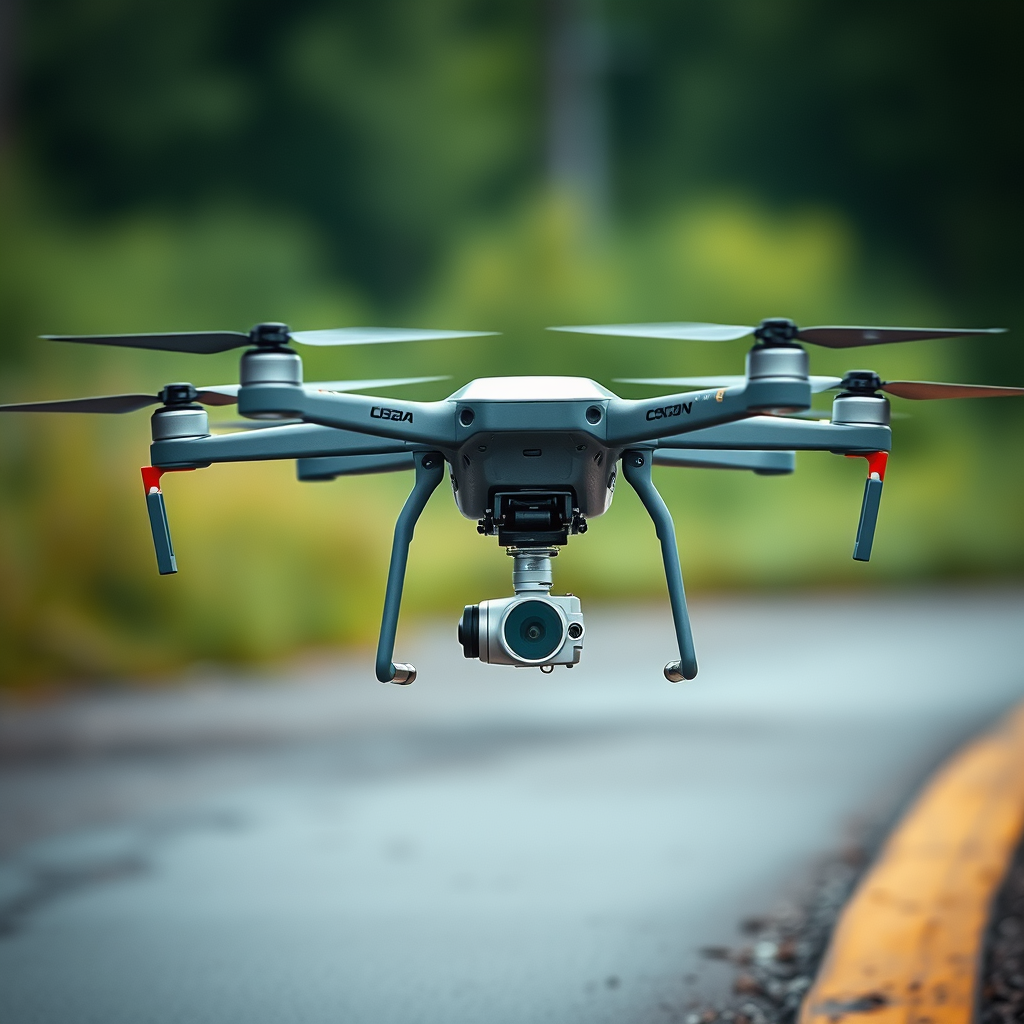
Drones, also known as unmanned aerial vehicles (UAVs), can be outfitted with specialized tanks designed to carry liquids, including water. The payload capacity of a drone can vary significantly depending on its model and specifications. For instance, consumer-grade drones typically carry a weight of around 1-2 kilograms, while industrial-grade drones can handle up to 20 kilograms or more. This variance is crucial because it directly influences the amount of water a drone can transport at one time.
Moreover, advancements in drone technology have led to the development of multi-rotor and fixed-wing designs, each offering unique capabilities. Multi-rotor drones are more maneuverable and can hover in place, making them ideal for targeted water delivery. In contrast, fixed-wing drones can cover larger areas more efficiently, which is beneficial for applications such as agricultural irrigation. Understanding these capabilities allows businesses and emergency responders to select the appropriate drone model for their specific needs.
Applications of Water-Carrying Drones
Firefighting
One of the most impactful uses of water-carrying drones is in firefighting. These drones are capable of dropping water on wildfires, significantly enhancing firefighting efforts. For example, companies like DJI have developed drones specifically for this purpose, allowing firefighters to deploy water over hard-to-reach areas without putting human lives at risk. The precision of drone technology enables operators to target specific hotspots, thereby improving efficiency and reducing the amount of water wasted.
Agriculture
In agriculture, drones are transforming how farmers manage irrigation. With the ability to deliver precise amounts of water to crops in remote or difficult-to-access areas, drones can optimize water usage and improve crop yields. For instance, drones equipped with sensors can assess soil moisture levels and determine the exact amount of water needed for irrigation. This data-driven approach not only conserves water but also promotes sustainable farming practices. As climate change continues to impact water availability, the role of drones in agriculture is becoming increasingly vital.
Technology Behind Water Transport Drones
The technology that enables drones to transport water is constantly evolving. The use of high-capacity batteries is one of the critical advancements that allow drones to achieve longer flight times and carry heavier payloads. For example, lithium polymer batteries are commonly used in drones due to their lightweight nature and high energy density, which are essential for sustaining longer operational periods.
Additionally, advanced control systems are integral to the precise delivery and monitoring of water dispersal. These systems often include GPS technology, which allows operators to track the drone’s location in real time and ensure accurate water delivery. Some drones are even equipped with thermal imaging cameras to identify hot spots in wildfire scenarios or areas in need of irrigation, further enhancing their effectiveness.
Challenges of Using Drones for Water Transport
Despite the advantages, there are several challenges associated with using drones for water transport. One of the primary limitations is weight. The payload capacity of drones affects how much water they can carry; thus, operators must carefully calculate the volume needed for each mission. Carrying too much weight can lead to decreased flight performance or even crashes.
Regulatory challenges also play a significant role in the operational use of drones. Many countries have strict regulations governing airspace usage, particularly for commercial applications. Operators must navigate these regulations to avoid penalties and ensure safety. Furthermore, public perception and privacy concerns about drone usage can also pose challenges that need to be addressed for wider acceptance.
Innovative Developments in Drone Design
The field of drone technology is rapidly advancing, with innovative designs being developed to increase payload capacity and efficiency. For example, some companies are experimenting with hybrid designs that combine rotor and fixed-wing capabilities, allowing drones to take off and land vertically while also covering long distances efficiently. This could significantly enhance the operational range and versatility of water-carrying drones.
Research is also ongoing into lightweight materials that can make drones more durable without adding excess weight. Advanced composites and lightweight metals are being explored to improve the structural integrity and performance of drones. These innovations will likely lead to more capable drones that can carry more water while navigating challenging environments.
Future Prospects for Water-Carrying Drones
The future for water-carrying drones appears promising, with potential for increased integration in emergency response scenarios. As climate change leads to more frequent and severe wildfires, the demand for effective firefighting tools is expected to grow. Drones can enhance rapid response capabilities, allowing for quicker containment of fires, which can save lives and property.
In agriculture, the potential for growth is also significant. As farmers seek more sustainable practices, water-carrying drones can become essential tools for irrigation management. The integration of AI and machine learning technologies could further enhance their capabilities, enabling smarter irrigation solutions that conserve water and maximize crop productivity.
In conclusion, drones are indeed capable of carrying water and serve vital roles in various sectors, including firefighting and agriculture. Their ability to transport water efficiently and precisely addresses many modern challenges, from resource management to emergency response. As technology continues to advance, the applications of water-carrying drones are likely to expand, making them essential tools in an increasingly resource-conscious world. Staying informed about the latest developments in drone technology will be crucial for businesses and individuals looking to leverage these innovations in their respective fields.
Frequently Asked Questions
Can drones carry water for agricultural purposes?
Yes, drones can carry water and are increasingly being used in agricultural applications for irrigation and crop management. Equipped with specialized payload systems, these drones can distribute water efficiently over crops, helping farmers to optimize water usage and improve crop yields. This method is particularly beneficial in areas where traditional irrigation methods may be difficult or resource-intensive.
How much water can drones carry at a time?
The amount of water a drone can carry depends on its design and built-in payload capacity. Most consumer-grade drones can carry around 1 to 5 liters of water, while larger industrial drones can hold significantly more, sometimes up to 20 liters or more. It’s essential to choose a drone that matches your specific needs, taking into account factors like flight time, payload capacity, and the size of the area you intend to cover.
Why are drones being used to deliver water during wildfires?
Drones are being utilized to deliver water during wildfires due to their ability to access hard-to-reach areas quickly and efficiently. They can be deployed in situations where traditional firefighting methods may be hindered by terrain or safety concerns. By using drones, firefighting teams can enhance their response times, making it possible to target hotspots directly and help in controlling the spread of fire.
What are the best drones for carrying water?
The best drones for carrying water typically include models designed for agricultural or industrial use, such as the DJI Agras series or the Quantum Systems Trinity F90+. These drones are equipped with larger payload capacities, advanced navigation systems, and specialized spraying mechanisms that allow for precise delivery of water. When selecting a drone, it’s essential to consider factors like range, battery life, and payload capacity to ensure it meets your specific requirements.
How do you set up a drone to carry and distribute water effectively?
To set up a drone for carrying and distributing water effectively, you first need to equip it with a suitable spray system or water tank that fits within its payload capacity. After installation, calibrate the drone’s flight parameters and ensure the water distribution system is functioning correctly, typically via remote control. Familiarize yourself with local regulations regarding drone usage and, if necessary, conduct test flights to ensure accuracy and efficiency before deploying it for actual tasks.
References
- https://en.wikipedia.org/wiki/Drone
- https://www.nasa.gov/feature/nasa-explores-using-drones-for-wildfire-response
- https://www.abc.net.au/news/2020-01-31/drones-used-to-deliver-water-to-remote-communities/11915506
- https://www.sciencedirect.com/science/article/abs/pii/S2213138819300372
- https://www.faa.gov/uas/education/learn_to_fly/
