
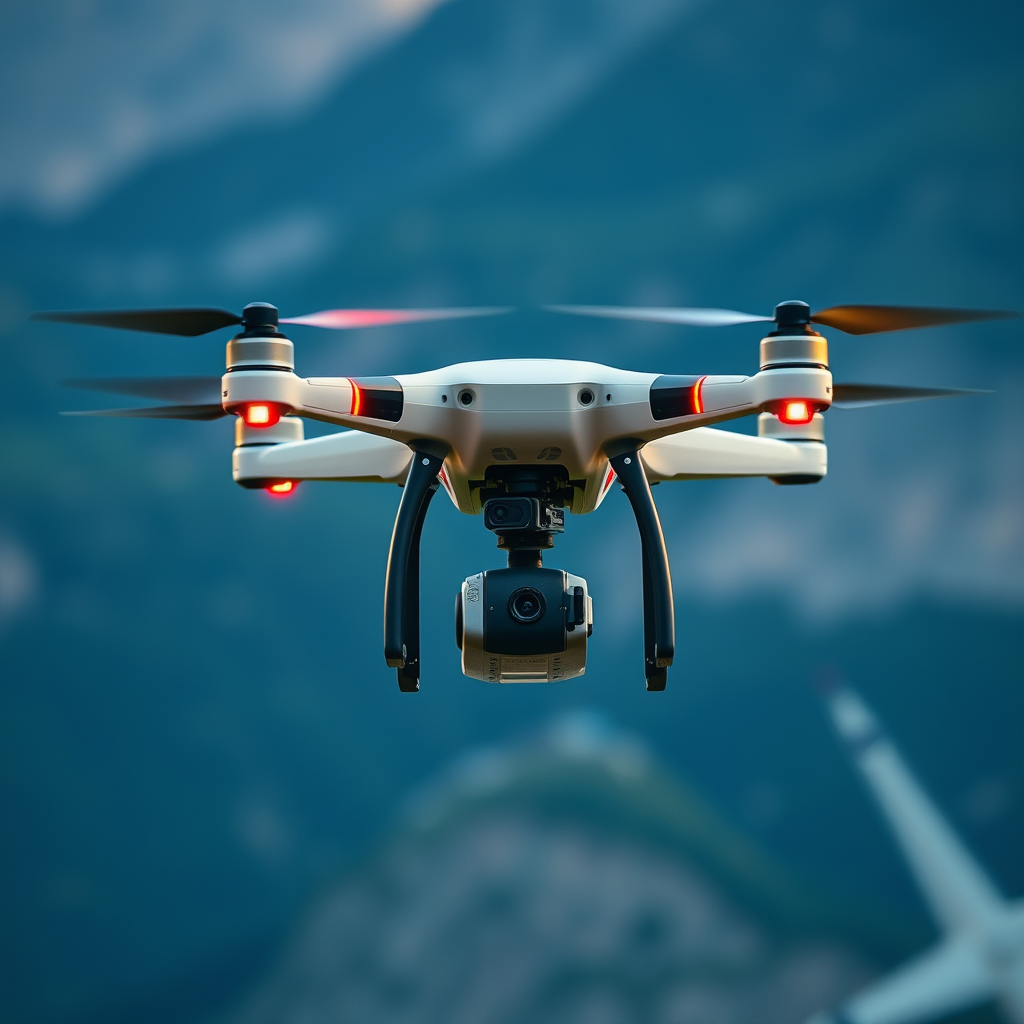
Yes, drones can carry weight, and their payload capacity varies significantly based on the model and design. As technology advances, the range of applications for drones that can carry payloads is rapidly expanding, from commercial deliveries to agricultural monitoring. Understanding the intricacies of a drone’s payload capacity is essential for choosing the appropriate model for specific tasks, ensuring safe operation, and maximizing efficiency.
Understanding Drone Payload Capacity
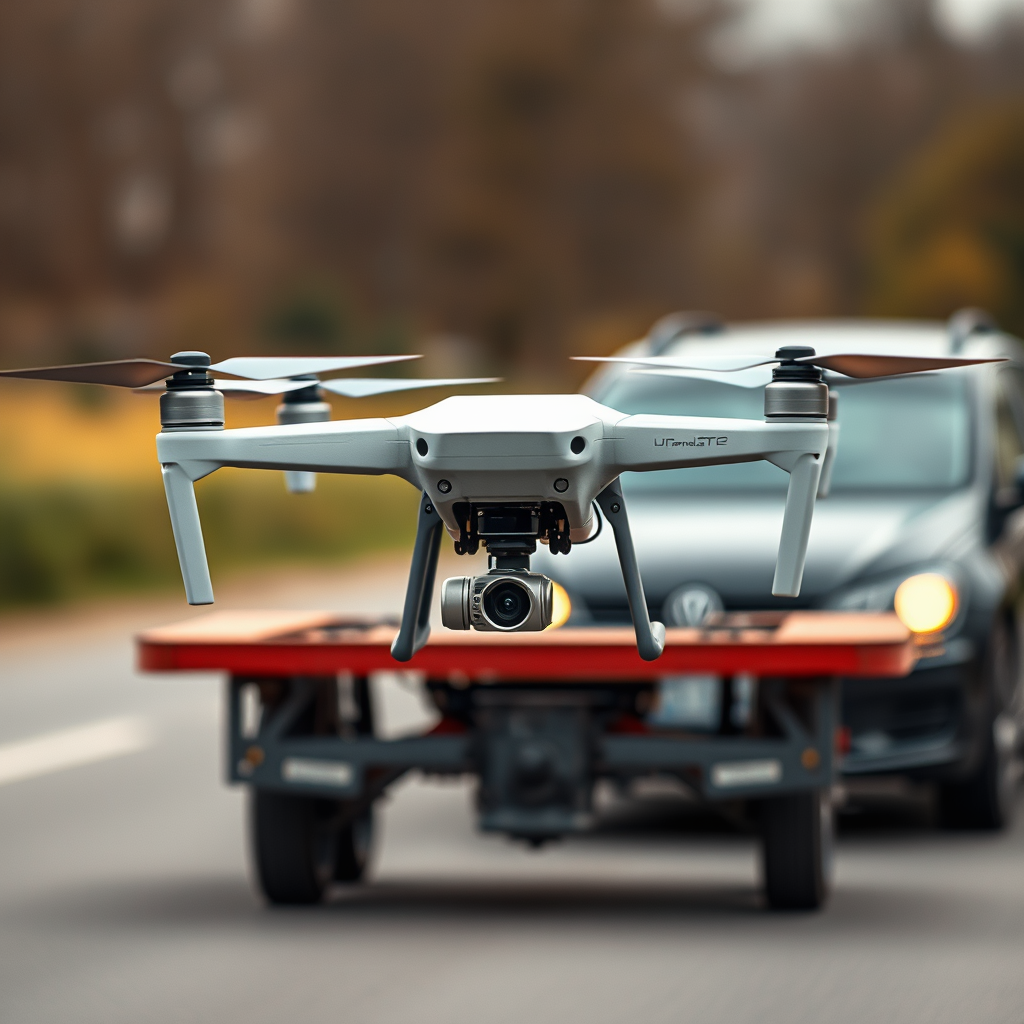
Payload capacity refers to the maximum weight a drone can safely carry without compromising its performance, stability, or flight dynamics. This capacity varies considerably across different drone types and is influenced by several factors, including the drone’s size and design, as well as the power of its motors. For instance, a small consumer drone may have a payload capacity of only a few pounds, while industrial drones can handle significantly heavier loads, often exceeding 20 pounds.
To measure payload capacity, manufacturers typically consider the drone’s total weight, including its own structure and components, as well as the weight of any batteries or additional equipment. The difference between the drone’s maximum takeoff weight (MTOW) and its empty weight (the weight of the drone without any payload) provides the maximum payload capacity. It’s critical for users to adhere to these specifications to ensure safe and efficient operation.
Types of Drones and Their Weight Limits
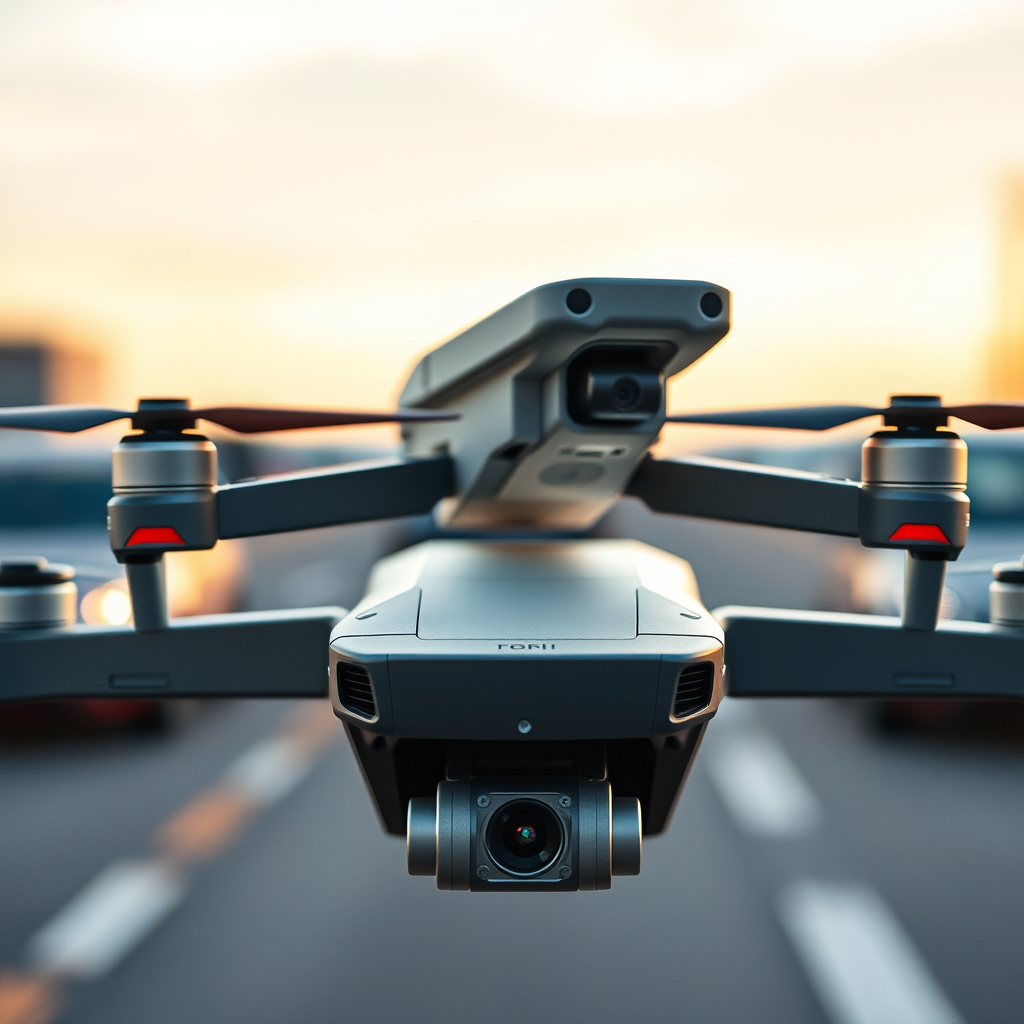
Drones can be broadly classified into two categories: consumer drones and commercial drones, each with its distinct payload capabilities.
– Consumer Drones: These are designed for hobbyists and casual users and typically carry lighter payloads ranging from 0.5 to 5 pounds. Popular models like the DJI Mavic Air or the DJI Mini 2 are excellent examples that offer impressive imaging capabilities but have limited weight-carrying capacities, which are suitable for small cameras or lightweight accessories.
– Commercial Drones: These are built for professional applications and can handle much heavier loads. Depending on their specifications, commercial drones can carry payloads often exceeding 20 pounds. For instance, the DJI Matrice 600, designed for aerial cinematography and industrial applications, can support various payloads, including higher-end cameras and specialized equipment, making it a versatile tool in the commercial sector.
The choice between consumer and commercial drones should be guided by the intended application, payload requirements, and budget constraints.
Factors Influencing Weight Capacity
Several factors influence a drone’s ability to carry weight, which can significantly affect its performance during flight.
1. Battery Life and Flight Time: The weight carried directly impacts battery life and flight time. Heavier payloads require more power, which can drain batteries more quickly. Users must consider the trade-off between payload weight and operational time. For instance, a drone carrying a 5-pound payload may only fly for a fraction of the time compared to when it is carrying a lighter load.
2. Aerodynamics and Design: The design and aerodynamics of a drone are crucial in its ability to lift and transport heavier objects. Drones with more powerful motors and optimized designs for airflow can achieve better lift and efficiency. The configuration of propellers, frame material, and overall design geometry play significant roles in determining how effectively a drone can carry weight.
3. Environmental Conditions: External factors such as wind, temperature, and altitude can also affect a drone’s payload capacity. Adverse weather conditions may require a drone to operate with a lighter load to maintain stability and control during flight.
Common Uses for Drones Carrying Weight
Drones that can carry weight have found applications across various industries, significantly enhancing efficiency and capabilities.
– Delivery Services: Companies like Amazon and Zipline are leveraging drones to transport packages and medical supplies. These drones are designed with robust payload capacities, allowing them to deliver items quickly and efficiently to hard-to-reach areas. For example, Zipline’s drones are utilized in Rwanda and Ghana to deliver blood and vaccines, showcasing the life-saving potential of weight-carrying drones.
– Agricultural Drones: In agriculture, drones assist in crop monitoring, soil analysis, and precision farming. They can carry sensors, cameras, or even small equipment for tasks like spraying pesticides. Drones such as the DJI Agras series are specifically designed for agricultural applications, with payload capacities that enable them to handle fertilizers and other agricultural inputs effectively.
– Construction and Inspection: Drones are also increasingly used in construction and infrastructure inspections. They can carry heavy cameras and sensors to monitor work sites, conduct surveys, and perform inspections of hard-to-reach areas, enhancing safety and accuracy in project management.
Safety Considerations When Carrying Weight
Operating drones with heavy payloads necessitates careful attention to safety regulations and best practices.
– Overloading Risks: Overloading a drone can lead to malfunctions, decreased maneuverability, or crashes. Users should always adhere to the manufacturer’s recommended payload limits to ensure safe operation. Regular maintenance and checks on the drone’s components, including motors and batteries, are essential to prevent accidents.
– Compliance with Regulations: Compliance with local regulations governing drone operations is crucial. Many countries have specific legal frameworks that dictate maximum weight limits for drones, flight altitudes, and airspace restrictions. Understanding and abiding by these regulations not only ensures safety but also fosters responsible drone usage.
– Pre-Flight Checks: Before each flight, operators should conduct thorough pre-flight checks, including verifying the weight of the payload, ensuring proper attachment, and assessing the drone’s overall condition. This practice contributes to safer operations and minimizes the risk of accidents.
Future Trends in Drone Payload Technology
As drone technology continues to evolve, significant advancements in payload capacity are expected.
– Materials and Battery Technology: Innovations in materials science, such as the development of lighter and stronger composites, are paving the way for drones to carry heavier payloads without compromising flight performance. Additionally, advancements in battery technology, including the development of high-capacity lithium-sulfur batteries, promise longer flight times and the ability to support heavier loads.
– Specialized Designs: The future may also see the emergence of specialized drones designed specifically for heavy-lifting applications. For example, drones equipped with modular designs could allow users to swap payloads easily, catering to various industries ranging from logistics to agriculture and construction.
– Autonomous Payload Management: Future drones may incorporate autonomous systems for payload management, allowing for automated weight adjustments based on flight conditions and operational requirements. This would enhance efficiency and broaden the scope of applications for weight-carrying drones.
In conclusion, drones can indeed carry weight, with capabilities ranging widely among different models. Understanding the factors that influence their payload capacity can help users choose the right drone for their needs. Whether for personal use or commercial applications, the potential for weight-bearing drones continues to grow, making them an exciting technology to watch. As advancements in materials, battery technology, and design emerge, the future holds remarkable promise for the evolution of drones in various industries.
Frequently Asked Questions
What is the maximum weight a drone can carry?
The maximum weight a drone can carry varies significantly based on its design and purpose. Consumer drones typically have a payload capacity ranging from 0.5 to 5 kilograms (1 to 11 pounds), while commercial drones can handle significantly more, often exceeding 25 kilograms (55 pounds). It’s essential to check the specifications of the specific drone model to ensure it can safely carry the desired weight.
How can I determine if my drone can safely carry a specific payload?
To determine if your drone can safely carry a specific payload, you should first consult the manufacturer’s specifications, which typically detail the maximum payload capacity. Additionally, consider the drone’s flight characteristics, such as battery life and stability, as carrying a heavier load can affect its performance. Performing test flights with gradually increasing weights can also help you gauge how well your drone handles added payload.
Why is payload capacity important for drone delivery services?
Payload capacity is crucial for drone delivery services because it directly impacts the types of items that can be transported and the efficiency of deliveries. A higher payload capacity allows drones to carry larger or multiple packages, which improves delivery speed and reduces operational costs. Additionally, understanding payload limits ensures compliance with regulations and enhances safety during flight operations.
What are the best drones for carrying heavy loads?
The best drones for carrying heavy loads include models like the DJI Matrice 600, which has a maximum payload capacity of around 6 kilograms (13 pounds), and the Freefly Alta 8, capable of carrying up to 9.1 kilograms (20 pounds). For specialized applications, the Griff 300 drone can handle even heavier payloads, making it suitable for industrial tasks. When selecting a drone for heavy lifting, consider factors such as battery life, flight stability, and ease of use.
Which factors can affect a drone’s lifting capacity?
Several factors can affect a drone’s lifting capacity, including its design, motor power, battery life, and overall weight. Environmental conditions, such as wind speed and temperature, also play a significant role; for example, higher temperatures can reduce motor efficiency, impacting lifting ability. Additionally, the distribution of the payload and the drone’s center of gravity can influence stability and performance during flight.
References
- https://en.wikipedia.org/wiki/Drone_delivery
- https://www.nasa.gov/mission_pages/independent/delivery.html
- https://www.faa.gov/uas/
- https://www.reuters.com/technology/drones-carrying-medical-supplies-are-saving-lives-2020-05-04/
- https://www.sciencedirect.com/science/article/pii/S2352864821000036
- https://www.theguardian.com/technology/2021/apr/12/drones-deliver-medical-supplies-remote-areas
- https://www.nist.gov/news-events/news/2021/10/nist-research-explores-drones-carrying-weights-and-delivering-packages
- https://www.wired.com/story/drones-deliver-cargo-what-you-need-to-know/
