
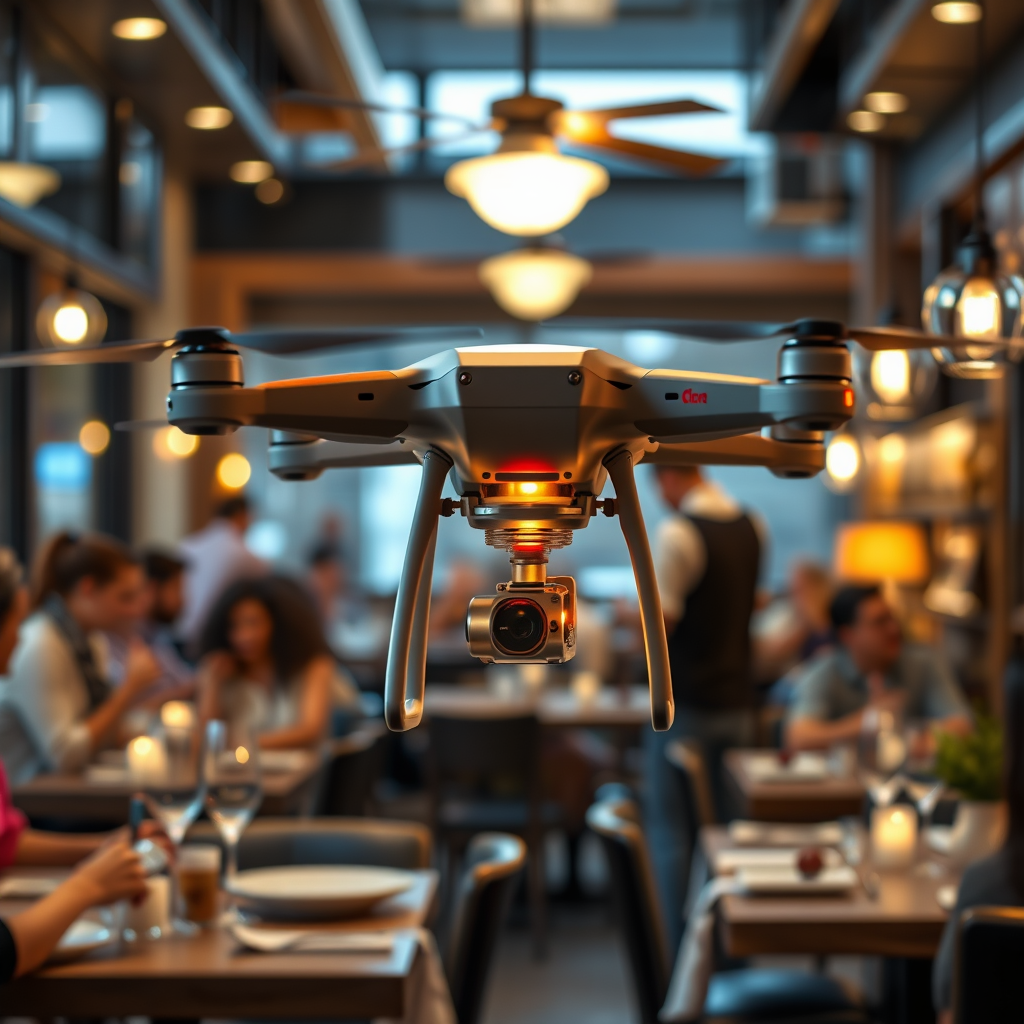
Yes, drones can deliver packages, and they are increasingly being used for this purpose across various industries. With advancements in technology and regulatory frameworks, drone delivery is becoming a viable option for faster and more efficient logistics. The integration of GPS, automation, and innovative drone designs is transforming how goods are transported, promising to enhance delivery speeds and reduce operational costs. As this technology gains traction, its implications for businesses and consumers alike are profound.
Overview of Drone Delivery Technology
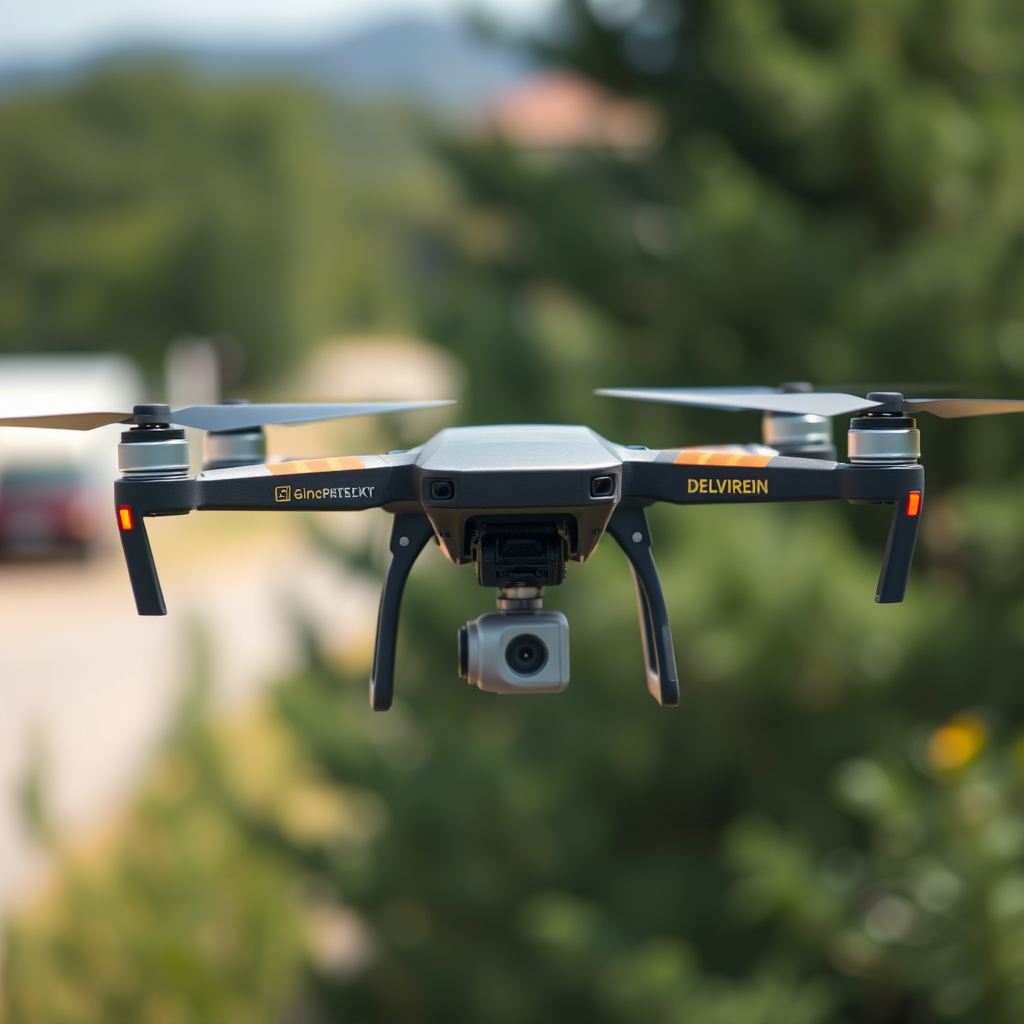
Drone delivery technology primarily operates on the principles of automation and GPS navigation. Drones are equipped with advanced sensors and software that enable them to autonomously navigate from a delivery point to a designated drop-off location. This process involves pre-programmed flight paths that ensure accuracy and efficiency while minimizing the risks associated with human error. Drones utilize GPS systems to track their location in real-time, allowing for precise deliveries even in urban environments.
There are several types of drones used for delivery purposes, each designed to meet specific operational needs. For instance, quadcopters, with their four rotors, are popular for short-distance deliveries due to their agility and ease of control. Fixed-wing drones, which resemble traditional aircraft, are better suited for longer distances, as they can cover greater distances at higher speeds. Hybrid drones, combining the benefits of both designs, are emerging as versatile solutions, capable of vertical takeoff and landing while also being able to fly longer distances efficiently.
Current Applications of Drone Delivery
Currently, drone delivery applications span various industries, showcasing the technology’s versatility and potential. The food industry has been a frontrunner, with companies like Domino’s and Uber Eats experimenting with drone delivery to enhance customer experience and reduce delivery times. For instance, in select locations, Domino’s has successfully tested drone deliveries for pizza, providing customers with an innovative way to receive their meals hot and fresh.
The medical sector is another significant adopter of drone delivery services. Companies such as Zipline have pioneered the use of drones to transport blood, vaccines, and essential medical supplies to remote areas, significantly improving healthcare access. During the COVID-19 pandemic, drone deliveries facilitated the swift distribution of vaccines, demonstrating the technology’s critical role in emergency logistics.
Furthermore, retail giants like Amazon and Walmart are actively developing their drone delivery services, aiming to revolutionize the e-commerce landscape. Amazon’s Prime Air initiative is a notable example, seeking to deliver packages to customers within 30 minutes of placing an order. As these companies lead the way, the efficiency and convenience of drone delivery are becoming increasingly apparent.
Regulatory Challenges and Solutions
While the prospects of drone delivery are promising, regulatory challenges remain a significant hurdle. Current regulations governing drone operations vary widely across different countries, often focusing on safety, airspace management, and operational limits. In the United States, the Federal Aviation Administration (FAA) has established guidelines that require drones to be operated within the visual line of sight, limiting their range and operational capabilities.
However, ongoing efforts are underway to shape policies that accommodate the growth of drone delivery services. The FAA is working on the Integration Pilot Program, which aims to test and develop regulations that allow for expanded drone operations, including beyond visual line of sight (BVLOS) flights. Additionally, partnerships between industry stakeholders and regulatory bodies are essential to create a framework that ensures the safe integration of drones into existing air traffic systems.
Innovative solutions are also emerging to address regulatory challenges. For instance, the implementation of geofencing technology can help prevent drones from entering restricted airspaces, enhancing safety measures. Moreover, the development of remote identification systems will enable authorities to track drone operations in real-time, ensuring compliance with regulations while facilitating accountability.
Benefits of Using Drones for Delivery
The benefits of utilizing drones for delivery services are manifold, particularly when compared to traditional logistics methods. One of the most significant advantages is the speed of delivery. Drones can bypass traffic congestion and other logistical obstacles, enabling faster transportation of goods. This is especially valuable in urban areas where traditional delivery trucks may face delays due to traffic or road closures.
Additionally, drone delivery has the potential to significantly reduce the carbon footprint of logistics operations. Drones operate on electric power, which can be sourced from renewable energy, resulting in a lower environmental impact compared to conventional delivery vehicles that rely on fossil fuels. As businesses increasingly prioritize sustainability, adopting drone technology aligns with broader environmental goals, making it an attractive option for forward-thinking companies.
Limitations and Concerns
Despite the numerous advantages, there are limitations and concerns associated with drone delivery that must be addressed. One primary technical limitation is battery life. Most drones currently have a limited range and payload capacity, which restricts the types of packages they can deliver. As battery technology advances, these limitations may diminish, but for now, they remain a significant consideration for logistics companies.
Public safety is another pressing concern. The integration of drones into urban airspace raises questions about collision risks with other aircraft, as well as potential accidents involving people or property on the ground. Effective air traffic management systems will be crucial in mitigating these risks, ensuring that drones can operate safely alongside manned aircraft.
Moreover, privacy concerns arise with the increased use of drones for delivery, as they may inadvertently capture images or data from private properties. Addressing these concerns through transparent policies and technology safeguards will be essential to gaining public trust and acceptance of drone delivery services.
The Future of Drone Delivery
Looking ahead, the future of drone delivery holds significant promise as technology continues to advance. Innovations in battery technology, artificial intelligence, and automation are expected to enhance drone performance, enabling longer flight times and increased payload capacities. These advancements will allow drones to handle more complex delivery scenarios, including multi-stop routes and varied terrain.
Market growth for drone delivery services is projected to be substantial, with estimates indicating that the global drone delivery market could reach billions of dollars in the coming years. As consumer acceptance rises and businesses recognize the benefits of drone logistics, more companies are likely to invest in this technology. Collaborative efforts between industry leaders and regulatory agencies will play a pivotal role in shaping a future where drone delivery is a common practice.
Furthermore, as urban areas become increasingly congested, the necessity for efficient delivery solutions will drive demand for drone services. The potential integration of drones with existing transportation infrastructures, such as delivery hubs and charging stations, will facilitate seamless operations, further embedding drones into the logistics ecosystem.
In summary, the future of drone delivery is bright, characterized by rapid technological advancements and increasing market acceptance. As the industry evolves, continued collaboration and innovation will be vital in overcoming existing challenges and unlocking the full potential of drone delivery services.
As drone technology continues to evolve, the potential for efficient delivery services grows. While challenges remain, the benefits make it a promising option for the future of logistics. Stay informed about this exciting development in delivery services!
Frequently Asked Questions
What types of products can drones deliver?
Drones are capable of delivering a wide range of products, including medical supplies, food, consumer goods, and even documents. Companies like Amazon and Zipline have tested drone delivery for items such as groceries and pharmaceuticals, showcasing the versatility of this technology. As regulations evolve, the potential for drone delivery continues to expand, allowing for faster and more efficient transportation of various goods.
How do drone delivery services work?
Drone delivery services operate using a combination of GPS technology, automated flight paths, and on-board cameras to navigate and deliver items. After an order is placed, the drone is loaded with the package and programmed with a flight path to the destination. Once it arrives, the drone typically lowers the package using a winch system or drops it from a designated height, ensuring a safe delivery while minimizing the risk of damage.
Why are drones becoming popular for delivery services?
Drones are gaining popularity for delivery services due to their ability to reduce delivery times and lower operational costs. They can bypass traffic congestion and reach remote areas more efficiently than traditional delivery vehicles. Additionally, the increasing demand for contactless delivery options, especially during the COVID-19 pandemic, has accelerated the adoption of drone technology in logistics.
What are the best use cases for drone delivery?
The best use cases for drone delivery include emergency medical services, rural deliveries, and time-sensitive shipments like food and pharmaceuticals. For instance, drones can quickly transport medical supplies to remote hospitals or deliver essential items to areas affected by natural disasters. These applications not only enhance efficiency but also improve accessibility, making drones a valuable tool in various sectors.
Which companies are leading the way in drone delivery technology?
Several companies are at the forefront of drone delivery technology, including Amazon, Google (through its Wing division), and UPS. Amazon Prime Air aims to deliver packages within 30 minutes using drones, while Wing has successfully completed thousands of deliveries in Australia and the U.S. UPS has also launched its drone delivery service for medical supplies, indicating strong competition and innovation in this emerging field.
References
- https://en.wikipedia.org/wiki/Drone_delivery
- https://www.faa.gov/uas/recreational_fliers/
- https://www.reuters.com/business/australia-approves-drones-deliver-food-2021-11-24/
- https://www.nytimes.com/2021/04/15/business/drone-delivery.html
- https://www.bbc.com/news/business-54378781
- https://www.sciencedirect.com/science/article/pii/S2351978921003706
- https://www.nap.edu/catalog/25836/drone-delivery-system-for-remote-medical-supply-delivery
- https://www.itu.int/en/ITU-T/focusgroups/drones/Pages/default.aspx
