

Yes, drones can deliver food, and this innovative technology is rapidly gaining traction in the food delivery industry. With the potential for faster service and reduced delivery costs, many companies are exploring the use of drones to enhance their delivery systems. The rise of drone technology presents a myriad of opportunities for restaurants and consumers alike, promising not only efficiency but also a reimagined approach to how we receive our meals. This blog post delves into the current state of drone food delivery, the technology behind it, its benefits and challenges, successful case studies, and its future prospects.
The Current State of Drone Food Delivery
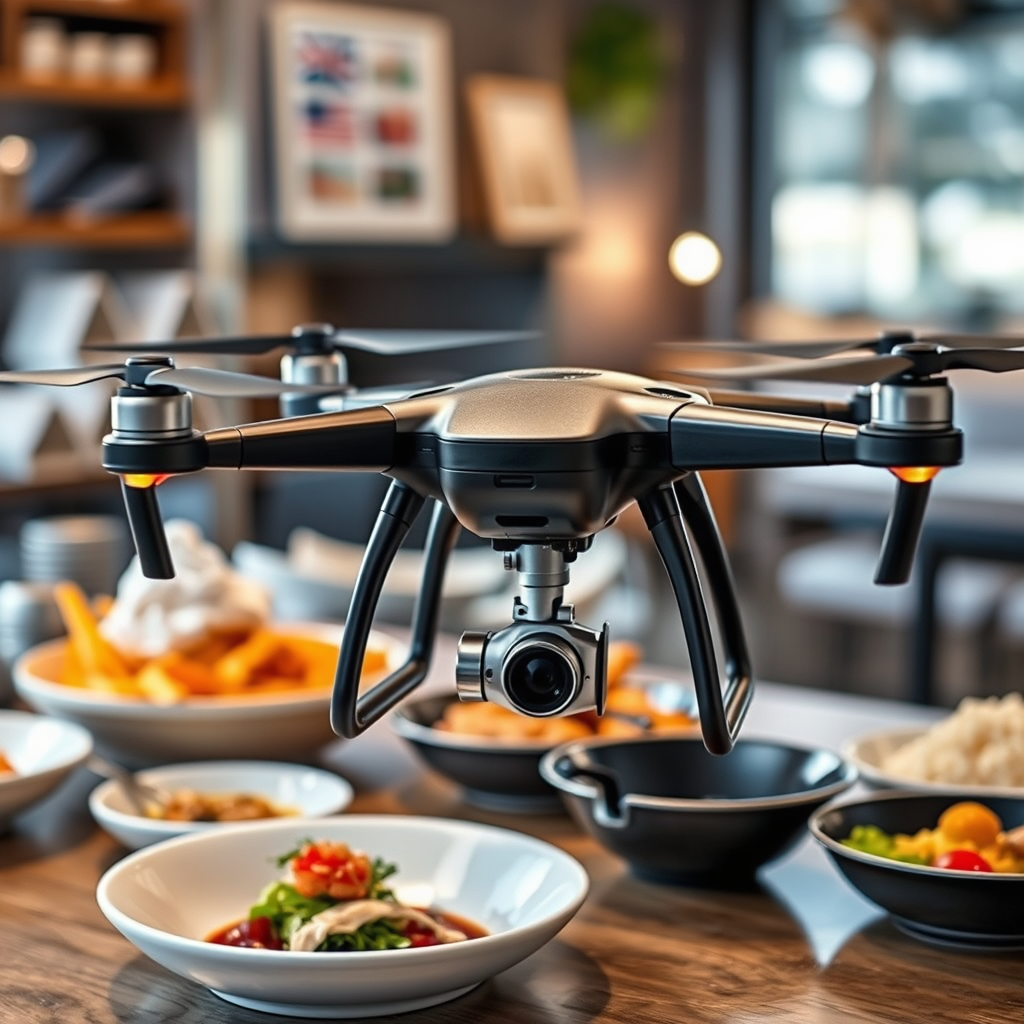
Numerous companies are currently harnessing the power of drones to revolutionize food delivery. Notable players in this space include Wing, a subsidiary of Alphabet Inc., which has successfully launched drone delivery services in select areas, and Uber Eats, which has been actively testing drone delivery solutions in partnership with various technology firms. Additionally, companies like Zipline, traditionally known for delivering medical supplies, have also ventured into food delivery, showcasing the versatility of drone applications.
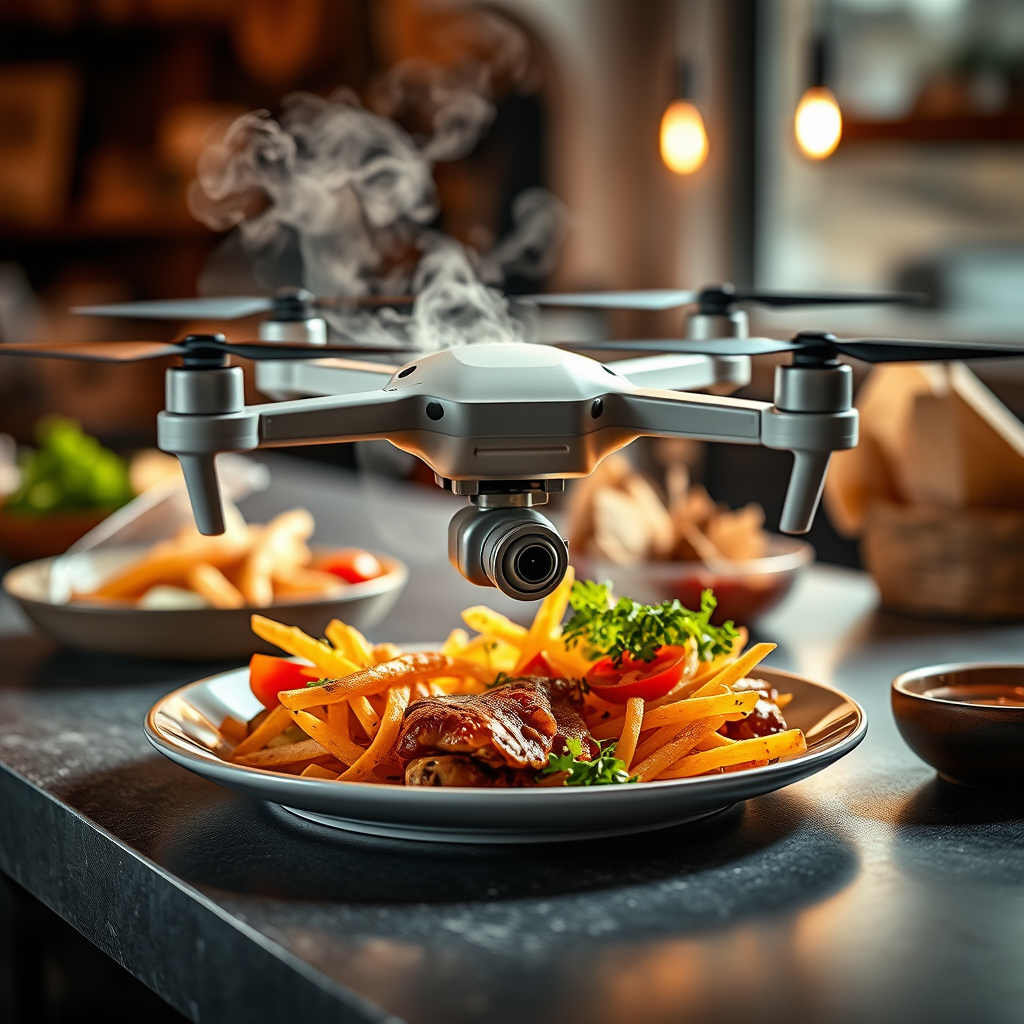
Despite the exciting advancements, regulatory challenges remain a significant hurdle for widespread drone operations. In many regions, drone delivery is subject to strict regulations from aviation authorities like the Federal Aviation Administration (FAA) in the United States. These regulations encompass airspace restrictions, safety protocols, and operational limits, making it essential for companies to navigate a complex regulatory landscape before launching drone delivery services. As such, while the technology holds great promise, it is still constrained by the existing legal frameworks that govern air travel.
How Drone Delivery Works
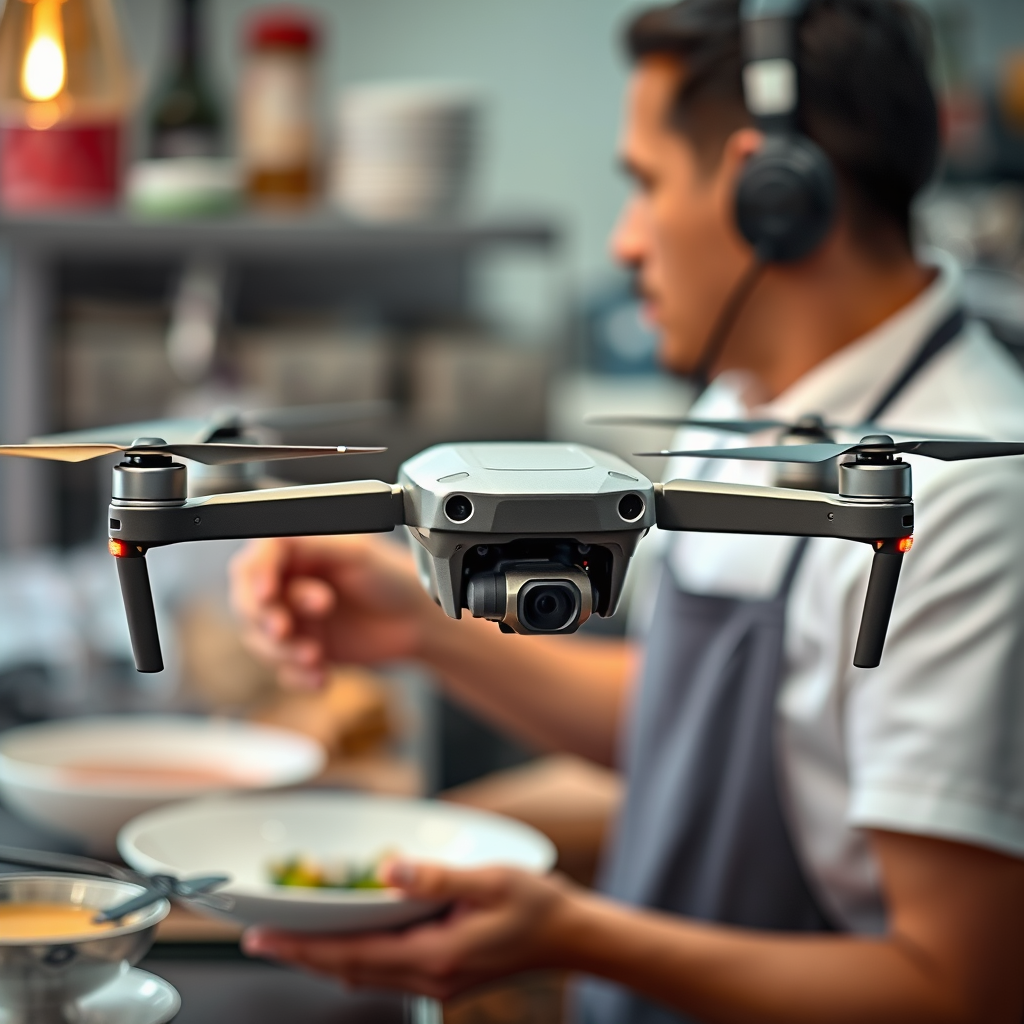
The technology behind drone food delivery is built on sophisticated systems that ensure precision and efficiency. At the heart of this innovation lies GPS technology, which allows drones to navigate and deliver packages accurately. Drones are equipped with advanced sensors, cameras, and software that enable real-time monitoring of their surroundings, ensuring safe navigation through urban environments.
The process begins when a customer places an order through a food delivery app. Once the order is received, the restaurant prepares the food and loads it onto the drone. The drone then takes off, following a pre-programmed route guided by GPS. During the flight, the drone utilizes onboard navigation systems to avoid obstacles and adhere to flight regulations. Upon reaching the delivery location, the drone can either land nearby or drop the package using a clever mechanism designed for precision delivery. This seamless process, from order placement to delivery, exemplifies the efficiency that drone technology can bring to the food delivery landscape.
Benefits of Using Drones for Food Delivery
The adoption of drones for food delivery offers numerous advantages over traditional delivery methods. One of the primary benefits is the potential for faster delivery times. Drones can bypass traffic congestion, significantly reducing the time it takes for food to reach customers. In urban areas where traffic jams are common, this speed advantage can enhance customer satisfaction and potentially increase the frequency of orders.
Moreover, drone delivery has a reduced carbon footprint compared to conventional vehicles. By utilizing electric drones, companies can contribute to sustainability efforts, decreasing emissions associated with traditional delivery methods. Additionally, the reduction in road traffic can lead to less congestion, benefiting urban infrastructure and contributing to overall efficiency in city logistics.
Challenges and Limitations
While the potential benefits are significant, there are notable challenges and limitations associated with drone food delivery. One of the primary technical limitations is battery life. Most commercial drones can only fly for a limited duration before needing to return to their base for recharging, which can restrict the range of delivery. Additionally, payload capacity is another concern; drones can only carry a certain weight, which may limit the types of food that can be delivered.
Regulatory hurdles also pose significant challenges. Companies must comply with an array of regulations that govern drone operations, including restrictions on flying over populated areas and maintaining line-of-sight operations. Furthermore, public acceptance is critical; concerns about noise, privacy, and safety can influence consumer perceptions and acceptance of drone delivery services. Addressing these challenges will require ongoing dialogue between companies, regulators, and the public.
Case Studies: Successful Drone Delivery Implementations
Several businesses have successfully integrated drones into their delivery services, providing valuable insights into the practical applications of this technology. Wing, for example, has conducted extensive trials in Australia and the United States, demonstrating the efficiency of drone deliveries for everyday items, including food. Customer feedback from these trials has been overwhelmingly positive, with users appreciating the convenience and speed of drone deliveries.
Another noteworthy example is the partnership between Uber Eats and a drone technology firm, which has conducted successful test flights in areas like San Diego. These trials have provided valuable data on operational outcomes and customer satisfaction, demonstrating the feasibility of drone delivery in urban environments. Insights gleaned from these case studies will be instrumental in shaping the future of drone food delivery, as companies learn to optimize their operations based on real-world experiences.
Future of Drone Food Delivery
Looking ahead, the future of drone food delivery appears promising, with predictions of continued advancements in technology. Innovations in battery technology, such as solid-state batteries, may significantly extend the flight time and payload capacity of drones, making them even more viable for food delivery. Furthermore, advancements in artificial intelligence and machine learning will enhance navigation systems, allowing drones to operate more autonomously and safely in complex urban environments.
The potential for expansion beyond food delivery is also noteworthy. Drones could eventually be utilized for delivering groceries, pharmaceuticals, and other essential goods, further integrating into the logistics landscape. As regulations evolve and public acceptance grows, we can expect to see a broader range of services offered through drone delivery, transforming the way we receive goods in our daily lives.
In conclusion, while challenges remain, the potential for drones to revolutionize food delivery is significant. The current landscape reveals exciting developments and promising case studies that highlight the technology’s capabilities. As advancements in technology and regulations continue to evolve, we can expect more widespread adoption of drone delivery services in the near future. This innovative approach could fundamentally change our dining experiences, making food delivery faster, more efficient, and more sustainable. Stay tuned for updates and consider how this technology could impact your dining experience!
Frequently Asked Questions
What are the benefits of using drones for food delivery?
Drones offer several advantages for food delivery, including speed and efficiency. They can bypass traffic and navigate directly to their destination, reducing delivery times significantly. Additionally, drones can lower delivery costs for restaurants and customers alike, as they require fewer resources than traditional delivery methods. This technology also has the potential to reach remote or underserved areas where traditional delivery services may struggle.
How do drone food delivery services work?
Drone food delivery services operate by using GPS and advanced navigation systems to transport food from restaurants to customers’ locations. Once an order is placed through a mobile app, the restaurant prepares the meal, and the drone is dispatched to pick up the food. The drone then autonomously flies to the customer’s address, utilizing real-time mapping to avoid obstacles and ensure a safe delivery. Upon arrival, the food is either dropped off at a designated location or can be released via a landing mechanism.
Why are drones not widely used for food delivery yet?
Although drone food delivery has great potential, several factors hinder its widespread adoption. Regulatory challenges are significant, as many countries have strict airspace regulations that limit drone operations. Additionally, concerns about safety, privacy, and the reliability of drone technology must be addressed before drones can become a common sight in food delivery systems. Lastly, logistical challenges, such as managing multiple deliveries simultaneously and maintaining food quality during transport, also play a role in the slow rollout.
What types of food can be delivered by drones?
Drones are capable of delivering a wide variety of food items, but they are best suited for smaller, lightweight packages. Common food items include fast food, sandwiches, snacks, and beverages, as these can be securely packaged and transported without risk of spoilage. However, the technology is evolving, and some companies are experimenting with delivering larger meals and groceries, depending on battery life and payload capacity.
Which companies are currently offering drone food delivery services?
Several companies are leading the charge in drone food delivery, including Zipline, Wing (a subsidiary of Alphabet), and DroneUp. Zipline has gained prominence for its medical supply deliveries but is also exploring food delivery options. Wing has partnered with various retailers and restaurants to provide drone delivery in select areas, while DroneUp is focused on establishing partnerships with local businesses to expand its delivery network. These companies are continually testing new technologies and expanding their service areas to enhance customer convenience.
References
- https://en.wikipedia.org/wiki/Drone_delivery
- https://www.bbc.com/news/technology-56364280
- https://www.nytimes.com/2021/04/20/technology/food-delivery-drones.html
- https://www.faa.gov/uas/recreational_flyers/
- https://www.sciencedirect.com/science/article/pii/S2352146517300011
- https://www.reuters.com/business/retail-consumers-are-getting-more-comfortable-with-drone-delivery-2021-06-17/
- https://www.wired.com/story/drone-delivery-food/
- https://www.nap.edu/catalog/25469/drone-delivery-systems-for-delivering-food-in-urban-areas
- https://www.dronelife.com/2021/06/29/the-future-of-food-delivery-drones/
