

Yes, drones can drop things! This capability has gained significant attention across various industries, from delivery services to agricultural applications. Drones equipped with advanced technology can accurately release payloads, making them valuable tools for numerous practical uses. In this article, we will delve into how drones can be utilized for dropping items, the technology that enables this functionality, and the implications of this innovative practice.
Understanding Drone Delivery Mechanisms
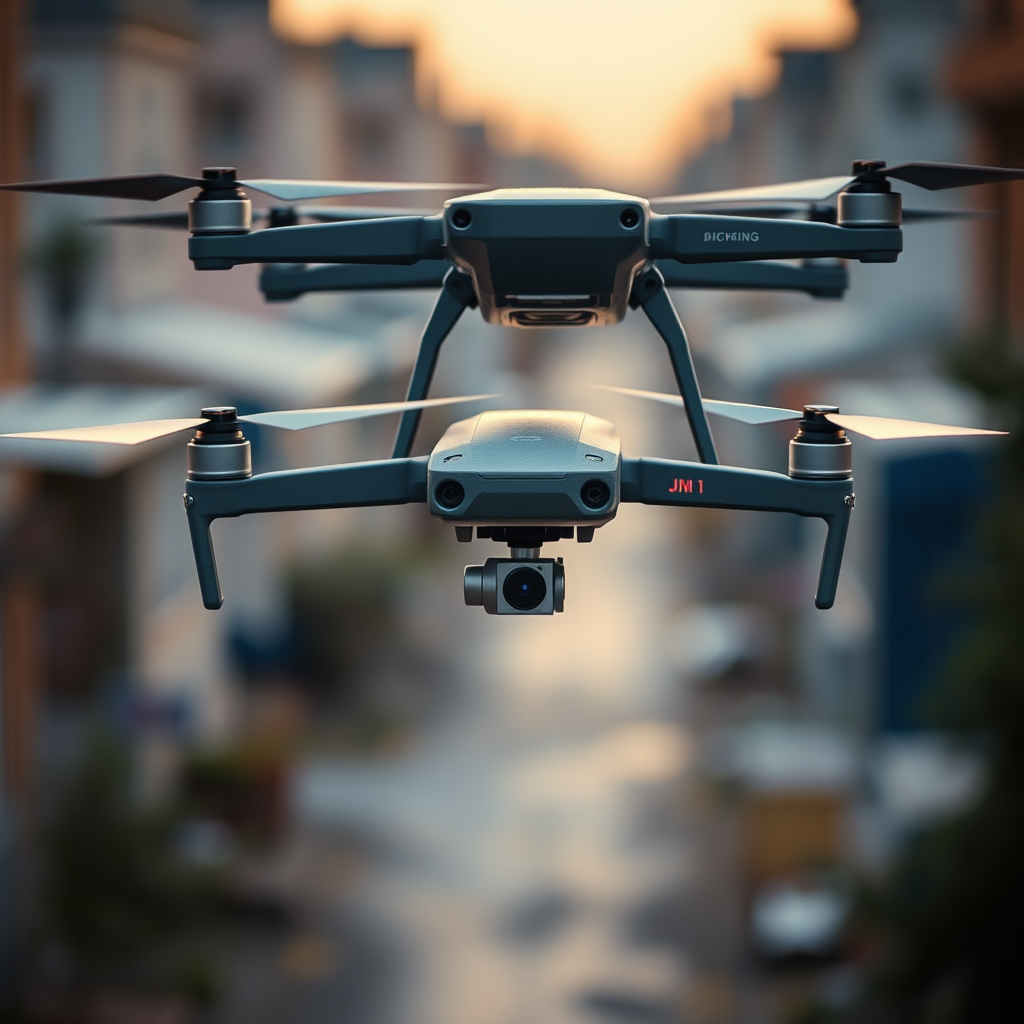
Drones equipped with payload release systems can drop items with impressive accuracy. The mechanisms for delivery differ, allowing for flexibility depending on the requirements of the operation. Common methods include parachuting, where payloads are released and descend gently to the ground, and direct drop, which involves an immediate release from a fixed altitude. Another method involves the use of nets that can capture items mid-air or facilitate a controlled drop.
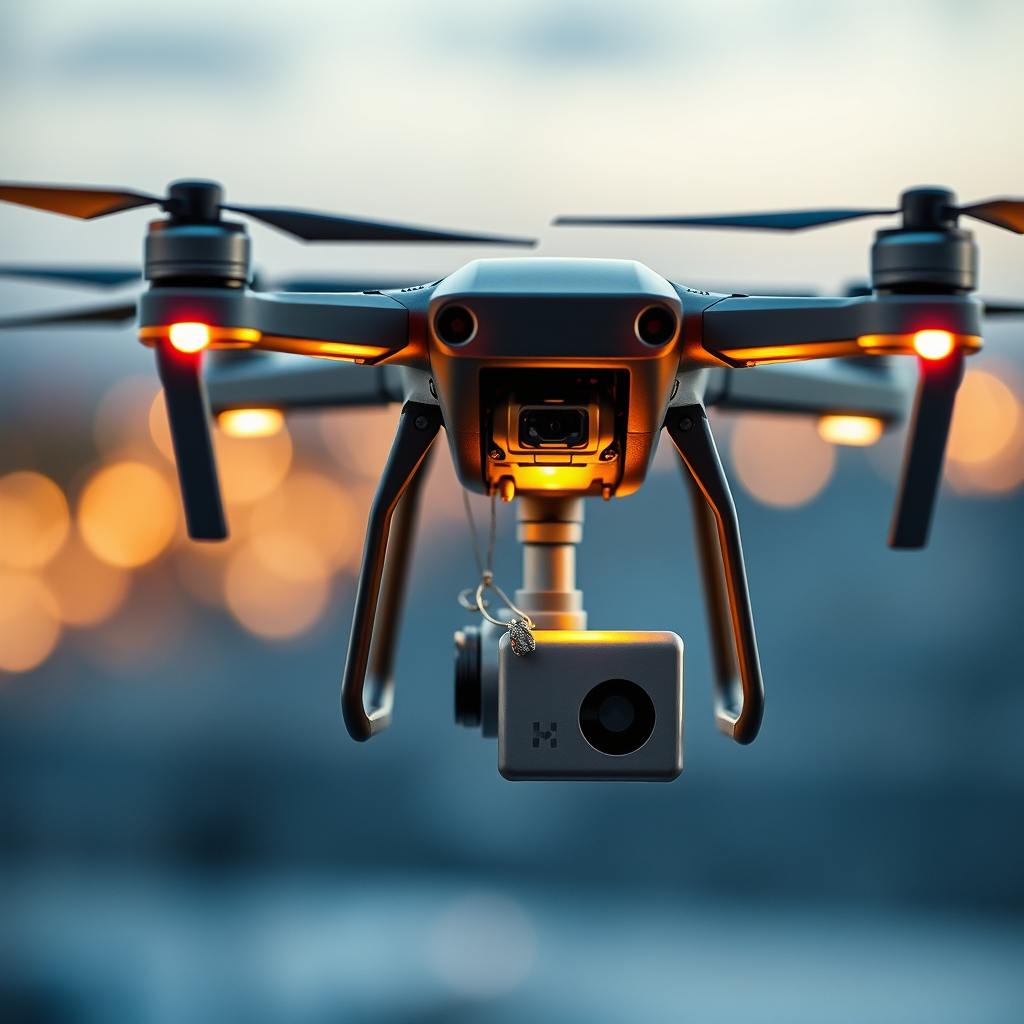
For instance, in the agricultural sector, drones can drop seeds or fertilizers directly onto fields, enhancing efficiency in crop management. This capability is particularly beneficial for hard-to-reach areas where traditional methods may be impractical. Furthermore, the payload release systems can be tailored to specific types of deliveries, ensuring that sensitive items are handled appropriately.
Common Applications of Drones Dropping Items
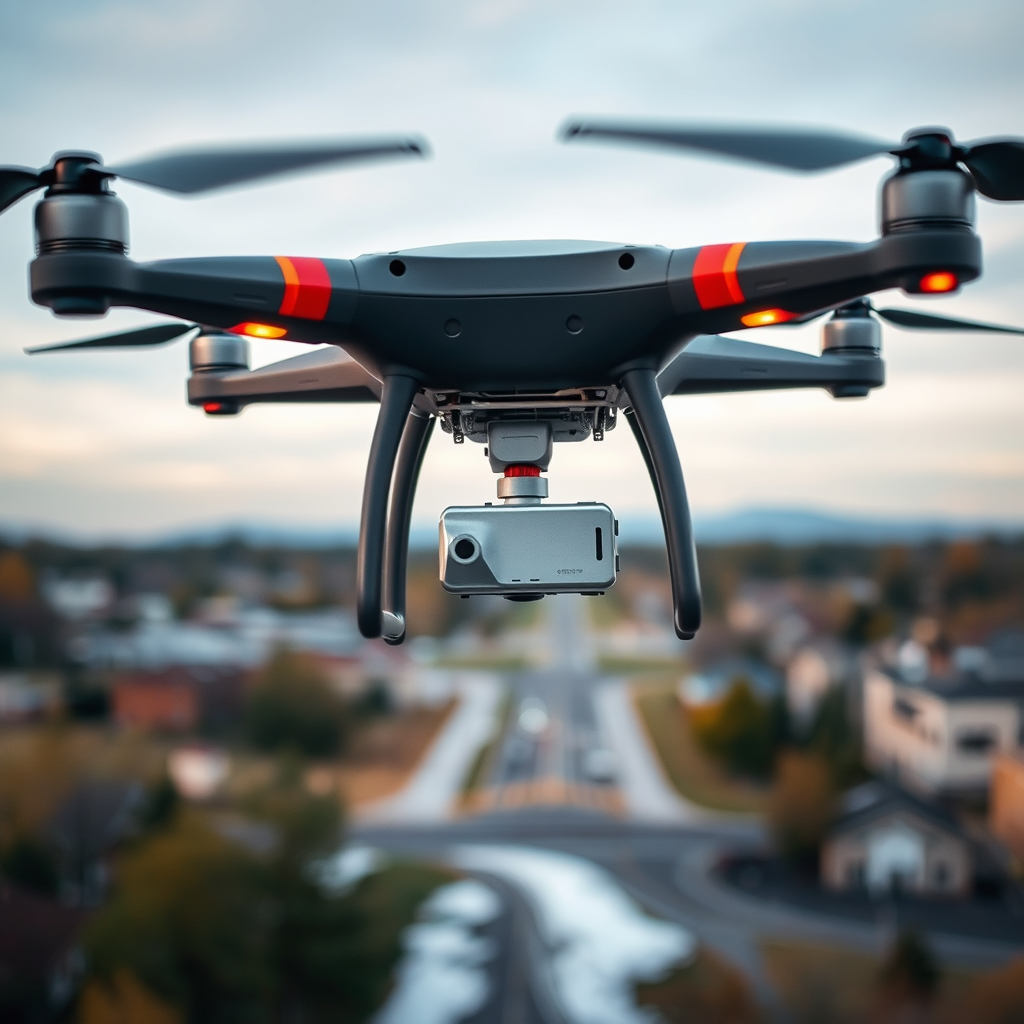
The application of drones dropping items spans various sectors, demonstrating their versatility. One of the most prominent uses is in emergency supplies delivery during disaster-stricken areas. Drones can quickly transport medical supplies, food, and water to remote locations that are otherwise inaccessible due to infrastructure damage. Organizations such as the United Nations have employed drones in humanitarian missions, showcasing their effectiveness in crisis situations.
In the commercial sector, drone deliveries have gained traction, particularly for food and medical supplies. Companies like Zipline have successfully operated drone delivery services that transport blood and vaccines to rural clinics, significantly improving healthcare access. Similarly, food delivery services are experimenting with drones to expedite the delivery process, promising faster service and reduced traffic congestion. These applications reveal the profound impact drones can have on efficiency and accessibility across industries.
The Technology Behind Drone Dropping
The technology driving drone dropping capabilities is robust and continually evolving. At the core of this functionality is the use of GPS and advanced navigation systems that ensure precision. These systems allow drones to calculate optimal flight paths and accurately locate drop zones, vital for successful deliveries.
Payload management systems are equally important, as they ensure safety during drops. These systems can autonomously release payloads at predetermined heights and speeds, minimizing the risk of damage to the items being delivered. Additionally, many drones are equipped with sensors that monitor environmental conditions, allowing them to adjust their flight paths in real-time to ensure safety and efficiency.
The integration of these technologies not only enhances the reliability of drone deliveries but also opens avenues for further advancements, such as the use of artificial intelligence (AI) to optimize delivery routes based on traffic patterns and weather forecasts.
Regulatory Considerations for Drone Deliveries
As the use of drones in commercial applications expands, so does the need for regulatory oversight. In the United States, the Federal Aviation Administration (FAA) plays a critical role in establishing guidelines for drone operations, particularly concerning safety and airspace regulation. Operators must adhere to FAA regulations, which include maintaining line-of-sight operations and obtaining necessary permits for commercial use.
In many cases, companies must also comply with local regulations, which may vary significantly across regions. For example, some areas may restrict drone flights over populated zones or require specific safety measures for payload deliveries. Securing the proper permits is paramount for legal compliance and operational safety, thereby ensuring a smooth integration of drone technology into existing logistics frameworks.
Challenges in Drone Delivery Operations
Despite the promising potential of drone deliveries, several challenges persist that can hinder operations. Weather conditions pose a significant threat to drop accuracy and safety. High winds, rain, or snow can affect a drone’s stability and navigational capabilities, making it difficult to execute precision drops. Consequently, operators must implement stringent weather criteria before launching deliveries.
Technical limitations also present challenges, particularly concerning payload weight and drone flight time. Most consumer drones have a limited carrying capacity, which can restrict the types of items that can be delivered. Additionally, battery life is a critical factor; many drones can only operate for a limited duration before needing to recharge. This limitation necessitates careful planning and route optimization to ensure timely deliveries.
Future Trends in Drone Dropping Technology
The future of drone dropping technology looks promising, with ongoing innovations aimed at enhancing capabilities. One trend is the development of drones designed to accommodate larger payloads. As drone technology advances, manufacturers are exploring materials and designs that increase both strength and efficiency, enabling drones to carry heavier items without compromising flight safety.
Another exciting trend is the integration of AI into drone operations. Smart algorithms can enhance route planning, enabling drones to avoid obstacles and select the most efficient paths for deliveries. These advancements could significantly improve delivery times and broaden the scope of items that drones can transport. Concepts such as drone swarms, where multiple drones work collaboratively to complete deliveries, are also being explored, potentially revolutionizing logistics and supply chain management.
In conclusion, drones are not only capable of dropping items but are also revolutionizing how goods are delivered across various sectors. From emergency supplies in disaster areas to commercial deliveries of food and medical products, the potential applications are vast and varied. As technology continues to advance and regulations adapt to these innovations, the landscape of drone deliveries will expand, offering new opportunities and efficiencies. Staying informed about the latest developments in this exciting field will be essential for businesses and individuals alike as they seek to leverage the capabilities of drone technology.
Frequently Asked Questions
Can drones drop packages safely?
Yes, drones can drop packages safely when equipped with the appropriate technology and safety features. Companies like Amazon and UPS are developing specialized drones that incorporate GPS navigation, automated drop mechanisms, and obstacle detection systems. These advancements ensure that packages can be delivered accurately and securely, minimizing the risk of damage or accidents during the drop process.
What are the legal regulations for drones dropping items?
The legal regulations for drones dropping items vary by country and region. In the United States, the Federal Aviation Administration (FAA) has specific guidelines regarding commercial drone operations, including package delivery. Operators must adhere to Part 107 regulations, which require maintaining visual line of sight, obtaining necessary permits, and ensuring that the drop does not interfere with people or property. It’s essential to check local laws to ensure compliance before using drones for delivery purposes.
How do delivery drones work when dropping items?
Delivery drones work by utilizing GPS technology and pre-programmed flight paths to navigate to the drop location. Once the drone reaches its destination, it uses a built-in drop mechanism, such as a release latch or a parachute system, to safely deliver the item. Some advanced drones may also utilize sensors to detect the landing area and ensure a precise drop, enhancing both safety and efficiency in the delivery process.
Why are drones used for dropping medical supplies?
Drones are increasingly used for dropping medical supplies due to their ability to reach remote or hard-to-access locations quickly and efficiently. This technology plays a critical role in emergency situations where timely delivery of medical supplies, vaccines, or blood products can save lives. Drones can bypass traditional transportation challenges, such as traffic congestion or rough terrain, ensuring that essential medical resources arrive at their destinations without delay.
What types of drones are best for dropping items?
The best types of drones for dropping items are those specifically designed for payload delivery, such as multi-rotor drones with robust lifting capabilities and reliable drop mechanisms. Models from companies like DJI (e.g., the Matrice series) and specialized delivery drones like the Zipline or Wing drones are excellent options. These drones typically feature enhanced stability, advanced navigation systems, and the ability to carry significant payloads, making them ideal for various delivery applications, including commercial and humanitarian efforts.
References
- https://en.wikipedia.org/wiki/Drone_delivery
- https://www.faa.gov/uas/
- https://www.nytimes.com/2021/10/21/business/drones-delivery.html
- https://www.bbc.com/news/technology-58622242
- https://www.ncbi.nlm.nih.gov/pmc/articles/PMC7541342/
- https://www.sciencedirect.com/science/article/pii/S2352864820300191
- https://www.theguardian.com/technology/2021/sep/22/drones-deliveries-uk-royal-mail
- https://www.itu.int/en/ITU-T/Workshops-and-Seminars/2021/Pages/Drone.aspx
