

Drones can effectively take out tanks on the battlefield, leveraging advanced technology for precision strikes while minimizing risk to personnel. The integration of drones into modern warfare has revolutionized military tactics, allowing forces to engage armored vehicles with enhanced accuracy and efficiency. This article delves into the capabilities, challenges, and implications of deploying drones against tanks, highlighting their role in contemporary combat scenarios.
Understanding Drone Technology
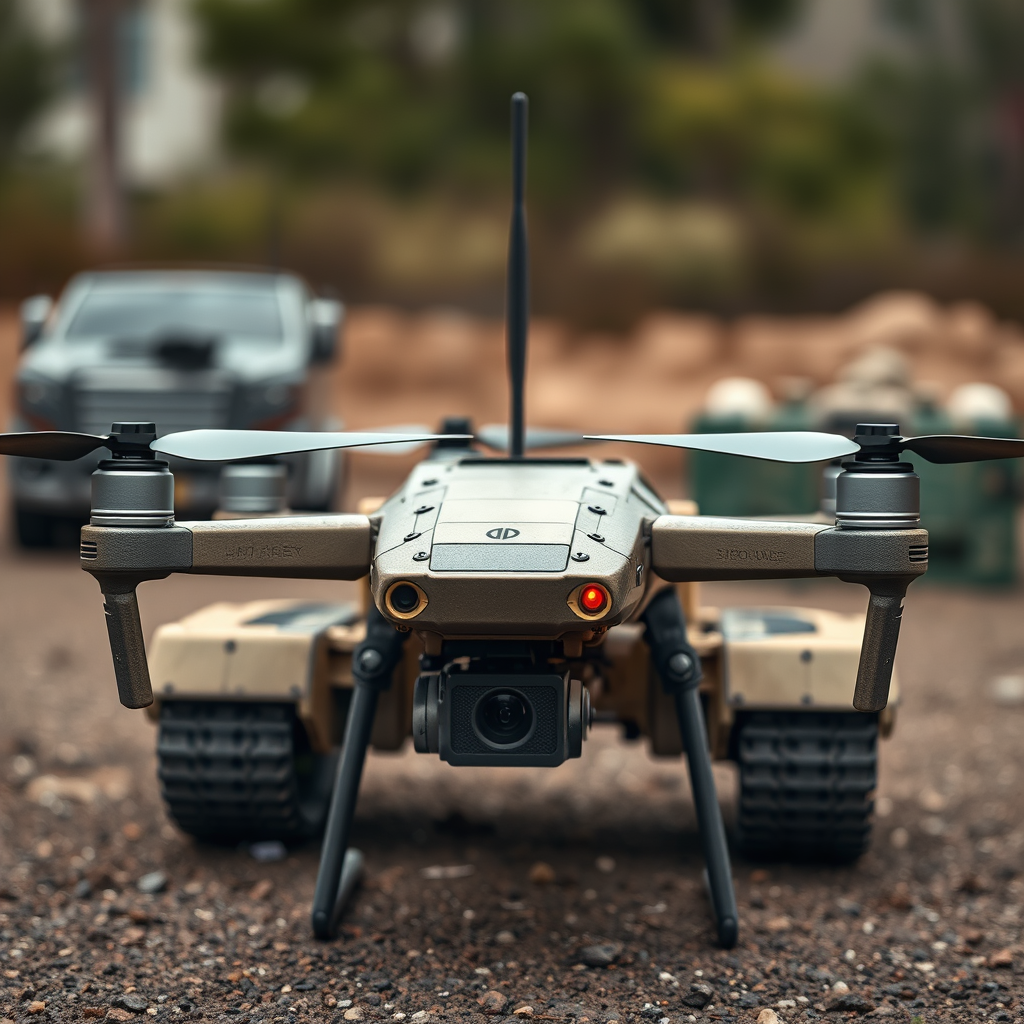
Drones, or unmanned aerial vehicles (UAVs), are increasingly equipped with precision-guided munitions (PGMs) that enhance their ability to accurately target tanks. These munitions include laser-guided bombs and missiles that can strike with pinpoint accuracy, significantly increasing the likelihood of disabling or destroying armored vehicles. Recent advancements in drone technology have expanded their operational range, enabling them to conduct missions from greater distances while carrying more substantial payloads. This capability not only allows for more versatile engagement options but also offers the potential to overwhelm enemy defenses through coordinated strikes from multiple drones.
Moreover, the integration of artificial intelligence (AI) and machine learning into drone systems enhances their targeting capabilities and decision-making processes, allowing for real-time data analysis and response. As a result, modern drones can adapt to changing battlefield conditions, making them formidable assets in ground warfare.
Types of Drones Used in Combat
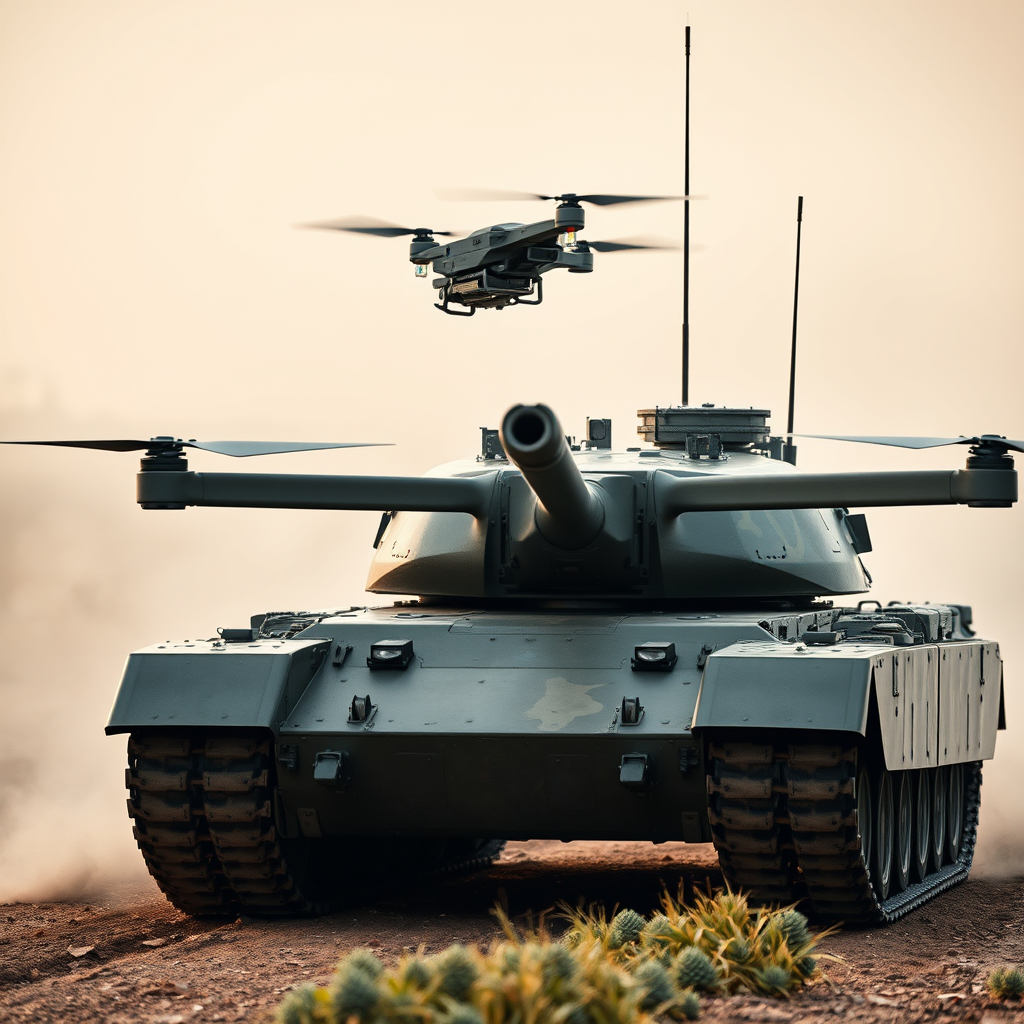
There are several types of drones employed in combat scenarios, each serving distinct purposes in the targeting and elimination of tanks. Tactical drones, such as the RQ-11 Raven, are primarily used for reconnaissance missions to gather intelligence on enemy positions, including the location of armored units. By providing real-time surveillance data, these drones enable ground forces to make informed targeting decisions.
On the other hand, armed drones, like the MQ-9 Reaper, are specifically designed for offensive operations. The Reaper can carry a variety of munitions, including Hellfire missiles and laser-guided bombs, making it capable of executing precision strikes against tanks. In recent conflicts, these armed drones have demonstrated their effectiveness in engaging and neutralizing armored threats, often operating in coordination with ground troops to maximize combat effectiveness.
Advantages of Using Drones Against Tanks
The use of drones in targeting tanks offers several notable advantages. First and foremost, drones provide real-time intelligence that enhances targeting precision. By gathering live data on enemy movements and tank positions, drones can relay crucial information to commanders, allowing for more strategic and informed decisions.
Additionally, drones significantly reduce the risk to human operators. Traditional methods of engaging tanks often involve ground forces or manned aircraft, which can expose personnel to enemy fire. Drones, operating from a safe distance, mitigate this risk while still delivering effective strikes. This capability is particularly advantageous in high-risk environments, where the potential for casualties is a significant concern.
Furthermore, the ability to conduct surveillance and strike missions simultaneously allows military forces to maintain a tactical advantage over adversaries. Drones can conduct persistent monitoring of battlefield conditions, enabling them to respond swiftly to emerging threats and capitalize on fleeting opportunities to engage armored vehicles.
Limitations and Challenges
Despite their advantages, the use of drones against tanks is not without limitations and challenges. One significant factor is the impact of weather conditions on drone operations. Adverse weather, including heavy rain, fog, or high winds, can hinder drone effectiveness, reducing their operational range and the accuracy of their sensors. This limitation can be particularly detrimental in environments where timely strikes are critical.
Another challenge is the threat of electronic warfare. As drones become more integral to military operations, adversaries are also developing countermeasures, such as jamming and spoofing technologies, to disrupt drone communications and navigation systems. This can render drones less effective or even inoperable on the battlefield.
Additionally, modern tanks are increasingly equipped with advanced defensive measures, such as active protection systems (APS) that can detect and neutralize incoming threats, including drone-launched munitions. These systems can intercept missiles or projectiles before they reach their target, complicating the task of drone operators who must find ways to bypass these defenses.
Case Studies: Drones in Action Against Tanks
Recent conflicts have showcased the effectiveness of drones in engaging tank units. For instance, during the Nagorno-Karabakh conflict in 2020, Azerbaijani forces employed armed drones, primarily the Israeli-made Harop and Bayraktar TB2, to devastating effect against Armenian armored vehicles. Video evidence from the battlefield demonstrated how these drones could identify and destroy tanks with remarkable efficiency, often targeting them while they were stationary or in transit.
Similarly, in the ongoing conflict in Ukraine, both Ukrainian and Russian forces have utilized drones to target enemy armor, leading to significant losses on both sides. Reports indicate that drones have played a crucial role in identifying tank positions for artillery strikes and directly engaging armored units, demonstrating their evolving role in modern warfare.
The outcomes of these engagements have illustrated the tactical advantage that drones can provide, as well as the complex interplay between aerial and ground forces in contemporary combat scenarios.
Future of Drones in Ground Warfare
Looking ahead, the future of drones in ground warfare appears promising but complex. As technology continues to advance, we can expect drones to become even more sophisticated, with enhanced capabilities such as swarming behavior and improved AI-driven targeting systems. These developments could revolutionize how military forces engage armored vehicles, enabling coordinated attacks that overwhelm traditional defenses.
However, the proliferation of drone technology raises significant ethical considerations. The potential for increased automation in combat decisions and the associated risk of collateral damage highlight the need for robust regulations and protocols governing drone usage. Military strategists must carefully navigate these ethical dilemmas while also considering the implications of drone warfare on international relations and global security.
In summary, the evolution of drone technology is set to redefine the landscape of ground warfare, particularly in the context of targeting tanks. As military forces continue to adapt and innovate, understanding the capabilities and limitations of drones will be essential for developing effective combat strategies.
While drones possess the capability to take out tanks, their effectiveness is influenced by various factors, including technology, environmental conditions, and enemy defenses. As drone technology continues to evolve, it may significantly redefine ground warfare strategies. Staying informed about the latest developments in drone capabilities and military tactics is crucial for understanding the future of warfare.
Frequently Asked Questions
Can drones effectively destroy tanks in modern warfare?
Yes, drones can effectively destroy tanks using precision-guided munitions and advanced targeting systems. Armed drones, such as the MQ-9 Reaper, are equipped with missiles designed to penetrate armor and can strike targets from a significant distance, minimizing the risk to operators. However, the effectiveness depends on factors like the drone’s payload, the tank’s armor type, and the tactics employed during the engagement.
What are the limitations of using drones to target tanks?
While drones offer advantages in surveillance and precision strikes, they also face several limitations when targeting tanks. These include vulnerability to anti-aircraft systems, limitations in payload capacity, and potential difficulties in identifying and engaging moving targets. Furthermore, the effectiveness of a drone strike can be compromised by environmental factors like weather conditions and terrain.
How are drones used in conjunction with other military assets to target tanks?
Drones are often used in coordination with ground troops and other military assets to enhance targeting capabilities against tanks. They provide real-time reconnaissance, identify enemy positions, and relay targeting information to artillery units or manned aircraft. This combined approach increases situational awareness and improves the accuracy of attacks on armored vehicles.
Why are drones becoming a preferred option for engaging armored vehicles like tanks?
Drones are becoming a preferred option for engaging armored vehicles due to their ability to conduct surveillance, gather intelligence, and deliver precise strikes while minimizing risks to personnel. They can operate in environments that are too dangerous for manned aircraft and provide a cost-effective solution for military operations. Additionally, the evolving technology allows for improved payloads and targeting systems, making drones a valuable asset in modern warfare.
Which types of drones are most effective at taking out tanks?
The most effective drones for taking out tanks are typically armed unmanned aerial vehicles (UAVs) that can carry precision-guided munitions. Examples include the MQ-9 Reaper, which can deploy Hellfire missiles, and loitering munitions like the Israeli Harop, designed specifically for targeting armored vehicles. The choice of drone often depends on the mission requirements, operational environment, and available technology.
References
- https://en.wikipedia.org/wiki/Drone_warfare
- https://www.bbc.com/news/world-60526419
- https://www.reuters.com/business/aerospace-defense/us-army-drone-systems-are-getting-better-2022-10-13/
- https://www.sciencedirect.com/science/article/pii/S1877050921000013
- https://www.defense.gov/Explore/News/Article/Article/2970822/army-uses-drones-for-precision-strikes-in-ukraine/
- https://www.theguardian.com/world/2022/oct/10/ukraine-drone-strikes-tanks-russia-war
- https://www.rand.org/pubs/research_reports/RR4301.html
- https://www.c-span.org/video/?525196-1/us-drones-ukraine-war
- https://www.nytimes.com/2022/09/01/world/europe/ukraine-drones-tanks.html
