
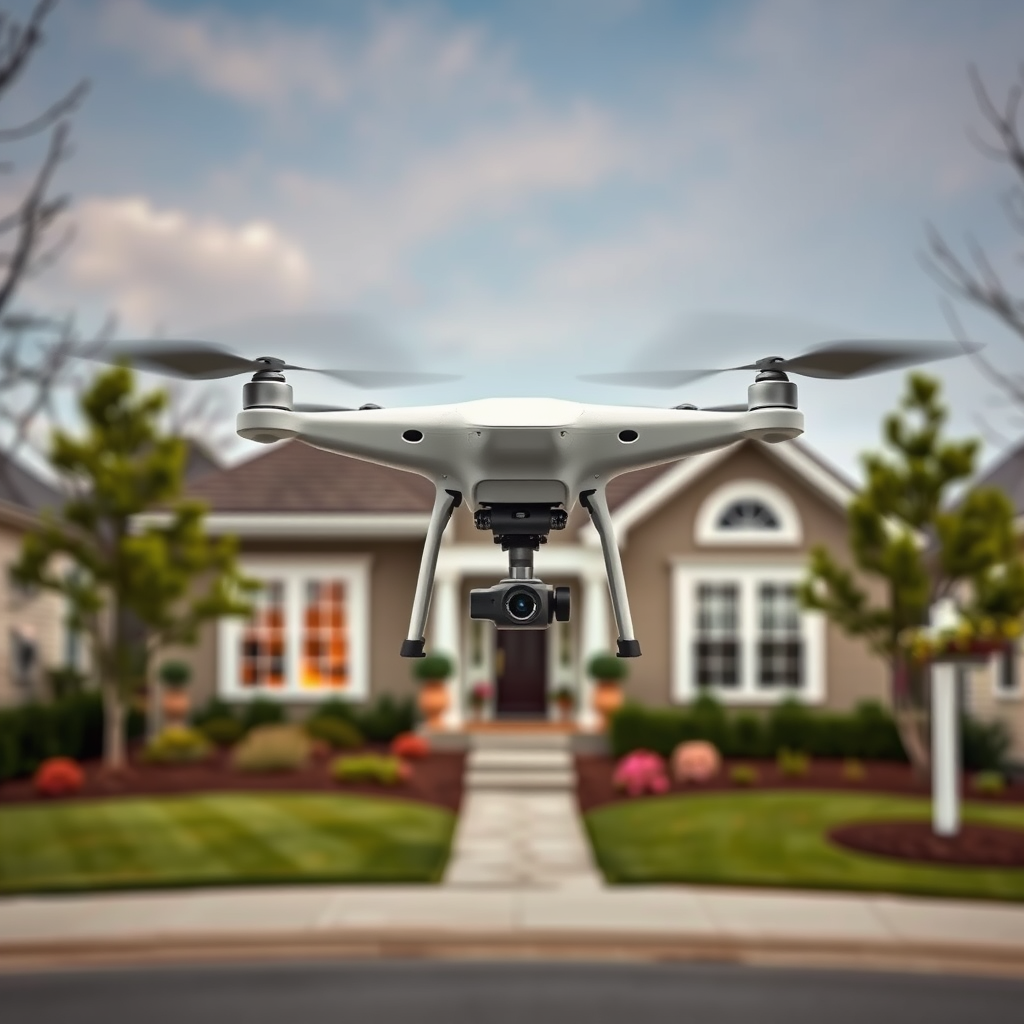
Yes, drones can film private property, but there are legal and ethical considerations that must be acknowledged. Understanding the regulations surrounding drone use and respecting privacy rights is crucial for drone operators to avoid potential legal issues. As drone technology becomes increasingly accessible, many individuals and businesses are eager to leverage its capabilities for various purposes, including aerial photography and videography. However, it is essential to navigate this landscape carefully to avoid infringing on the rights of property owners and falling foul of the law.
Understanding Drone Regulations
Before operating a drone, it is vital to familiarize yourself with local laws governing drone usage. The Federal Aviation Administration (FAA) has established specific guidelines that apply to both recreational and commercial drone pilots. For instance, recreational drone pilots must adhere to the FAA’s Part 107 regulations, which include restrictions on flying above 400 feet, maintaining visual line of sight, and avoiding flying near airports or populated areas. Commercial operators must obtain a Remote Pilot Certificate, which requires passing an FAA-administered knowledge test.
Moreover, many states and municipalities have enacted additional regulations that can affect drone operations. These can include local ordinances regarding where drones can be flown, required permits, and restrictions on commercial filming. For example, some cities may prohibit drone use in public parks or during certain events. Understanding these regulations is essential for avoiding fines and ensuring the safety of both the drone operator and the public.
Privacy Laws and Implications
Privacy laws vary significantly from state to state, impacting how drone operators can film private property. In many jurisdictions, filming over private property without the owner’s consent may infringe on privacy rights, particularly if the footage captures activities that occur in a private setting. For instance, California has stringent privacy laws that protect individuals from unauthorized surveillance, making it illegal to record someone in a situation where they have a reasonable expectation of privacy.
It is also important to consider that filming individuals without their consent may lead to claims of invasion of privacy. This can include not just the act of filming but also the potential use of that footage in ways that misrepresent or harm the individuals involved. Drone operators should educate themselves on the applicable privacy laws in their state and consult legal experts if they are unsure about their rights and responsibilities.
Airspace and Property Boundaries
Drones can operate in public airspace, but property boundaries still matter, and the intersection of airspace rights and property rights can be complex. Generally, property owners have rights to the airspace directly above their land, but this right does not extend infinitely into the sky. The FAA regulates navigable airspace, which typically starts at 400 feet above ground level. However, this does not mean that drone operators can disregard the property rights of individuals below.
For example, if a drone is flying at a height that is still within the legal limits but captures images or videos of someone’s backyard without their consent, the property owner may still have grounds to file a complaint. Drone operators must exercise discretion and be aware of the implications of their flight paths, especially near residential areas.
Obtaining Permissions
To mitigate the risks associated with filming private property, it is prudent to seek permission from property owners beforehand. This not only fosters goodwill but also serves as a protective measure against potential legal challenges. A simple request can go a long way in establishing a positive relationship with property owners and ensuring that they are comfortable with your activities.
Documenting permissions is also a best practice that can help mitigate legal risks. This could include obtaining written consent from property owners, which outlines the scope of the filming, how the footage will be used, and any other relevant details. Having this documentation can be invaluable if disputes arise later regarding the use of the footage or the manner in which it was obtained.
Ethical Considerations
Beyond legal obligations, drone operators should also consider the ethical implications of filming private property. The act of capturing images or videos can easily infringe on the personal space and privacy of individuals, even if it is technically legal. Drone operators should reflect on how their actions may affect community relations and the sentiment of neighbors.
For instance, filming a neighbor’s backyard during a family gathering could be perceived as intrusive and disrespectful, even if no laws are broken. Maintaining a sense of ethics in drone operation involves understanding the impact of one’s actions on individuals and communities, and making choices that prioritize respect and consideration for others.
Consequences of Violating Privacy
Failing to adhere to privacy laws when filming can lead to significant legal repercussions. Unauthorized filming may result in civil lawsuits, fines, or even criminal charges in more severe cases. For instance, individuals have successfully sued drone operators for invasion of privacy, resulting in monetary damages awarded for the distress caused.
Moreover, violating privacy can lead to the loss of drone operation privileges. The FAA has the authority to revoke licenses and impose penalties on operators who engage in unlawful practices. Therefore, it is critical for drone operators to understand the potential consequences of their actions and to operate within the bounds of the law.
Best Practices for Drone Filming
To ensure respectful and responsible filming, drone operators should follow best practices that prioritize safety, legality, and ethics. This includes adhering to all FAA regulations, obtaining necessary permits, and maintaining communication with property owners. Additionally, operators should invest in drones equipped with technology that enhances safety and compliance, such as geofencing capabilities that prevent flying in restricted areas.
Furthermore, operators should conduct pre-flight checks to ensure their drone is in proper working order and to minimize the risk of accidents. Training in drone operation and understanding the nuances of aerial photography can also significantly enhance the quality of the footage while ensuring compliance with legal and ethical standards.
In conclusion, while drones can legally film private property, navigating the associated regulations, privacy laws, and ethical considerations is paramount. By prioritizing obtaining permissions and adhering to best practices, drone operators can ensure responsible and lawful operation. Respect for the rights of property owners, combined with a commitment to ethical standards, will foster a positive environment for drone use and contribute to safer skies for all.
Frequently Asked Questions
Can drones film private property without permission?
No, filming private property with a drone without permission is generally illegal. Most countries have laws that protect the privacy of individuals on their property, meaning that capturing images or videos without consent can lead to legal repercussions. It is always best to obtain permission from the property owner before flying a drone to avoid any potential legal issues.
What are the legal restrictions for flying drones over private property?
The legal restrictions for flying drones over private property vary by country and region. In the United States, the Federal Aviation Administration (FAA) allows drone operators to fly over private property as long as they remain within legal airspace and follow local regulations. However, filming or capturing images may infringe on privacy rights, so it’s essential to familiarize yourself with local laws and state privacy statutes before flying your drone.
How can I check if I can film with a drone in a certain area?
Before filming with a drone, check local laws and regulations regarding drone flights in that area. You can use resources like the FAA’s B4UFLY app in the U.S., which provides information about airspace restrictions, or consult local government websites for specific ordinances regarding drone usage. Additionally, always seek permission from property owners if you’re unsure about filming on private property.
Why is it important to respect privacy when using a drone for filming?
Respecting privacy when using a drone for filming is important because violating someone’s privacy can lead to legal consequences and damage your reputation as a drone operator. Many individuals expect a reasonable level of privacy on their property, and intrusive filming can result in complaints, lawsuits, or fines. Being respectful not only aligns with ethical standards but also promotes responsible use of drone technology.
What should I do if I accidentally film private property with my drone?
If you accidentally film private property with your drone, it’s best to delete any footage that violates privacy rights and avoid sharing it online or with others. If a property owner approaches you about the incident, be courteous and apologize for the oversight. In some cases, being honest and transparent can help mitigate any potential conflicts and demonstrate your commitment to responsible drone usage.
References
- https://www.faa.gov/uas/resources/policies_regulations/
- https://www.nolo.com/legal-encyclopedia/drone-laws-what-you-need-know-32212.html
- https://www.wired.com/story/drones-privacy-property-rights/
- https://www.theguardian.com/technology/2020/jul/06/drones-privacy-property-rights
- https://www.eff.org/deeplinks/2016/05/drone-privacy-what-you-need-know
- https://www.aclu.org/issues/privacy-technology/surveillance-technologies/drones-and-privacy
- https://www.nytimes.com/2019/06/25/us/drones-privacy.html
