

Yes, drones can be equipped to fire missiles, and various military forces around the world utilize this technology for targeted strikes. This capability reflects a significant evolution in modern warfare, allowing military operations to execute precision strikes with reduced risk to personnel. As drone technology advances, it is crucial to understand the implications of their military applications, including the ethical, legal, and technological challenges they present.
Overview of Drone Technology
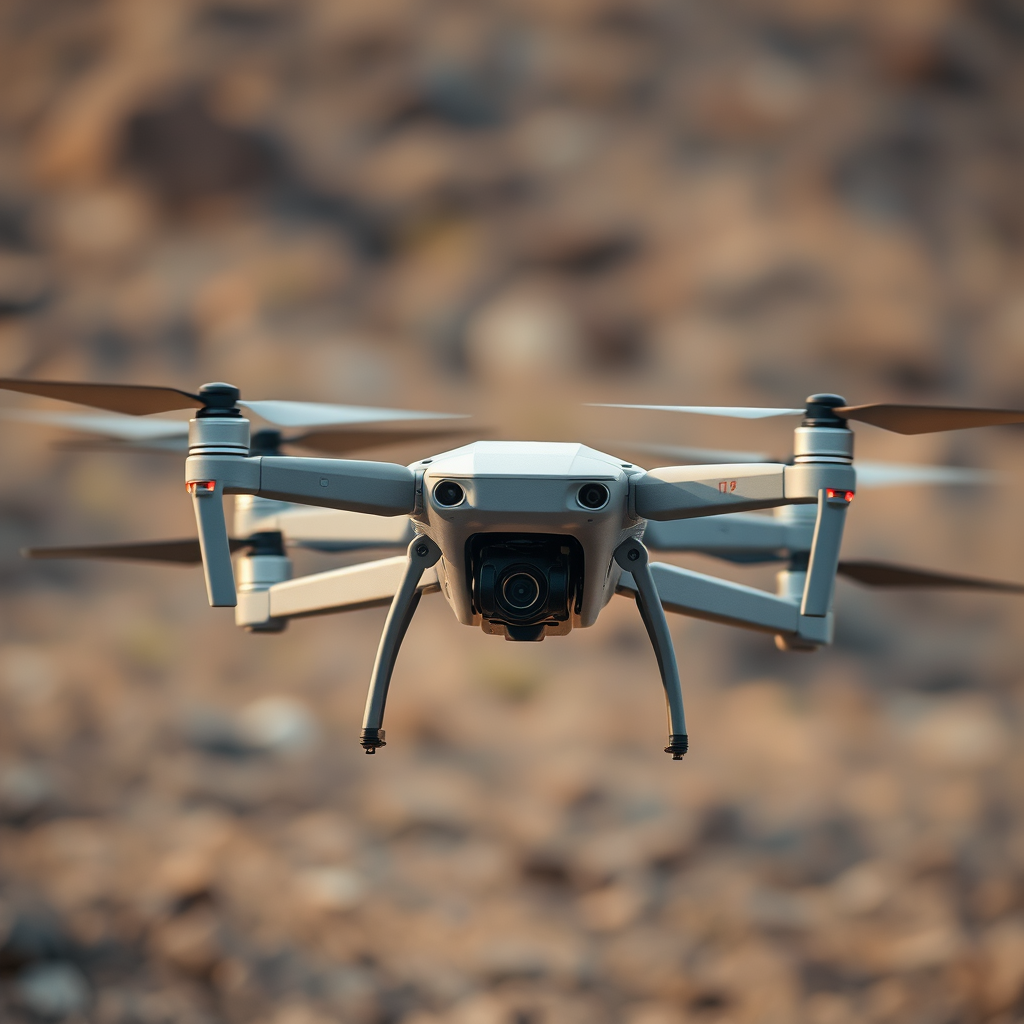
Drones, or unmanned aerial vehicles (UAVs), have transformed the landscape of military operations in recent years. Originally developed for reconnaissance and surveillance, drones are increasingly being outfitted with advanced payloads that include missiles, providing combat capabilities that were once exclusively reserved for manned aircraft. These UAVs can operate in hostile environments where traditional aircraft might be at risk, allowing for real-time intelligence gathering and strike capabilities without putting pilots in danger. The integration of sophisticated systems, such as GPS guidance and advanced targeting algorithms, has significantly enhanced their operational effectiveness, enabling militaries to carry out precise and timely operations.
The versatility of drone technology extends beyond just military applications; they are also utilized in civilian sectors for purposes such as disaster response, agriculture monitoring, and infrastructure inspection. This dual-use nature of drones necessitates ongoing discussions about regulation and ethical considerations, particularly as their military capabilities expand.
Types of Drones That Can Fire Missiles
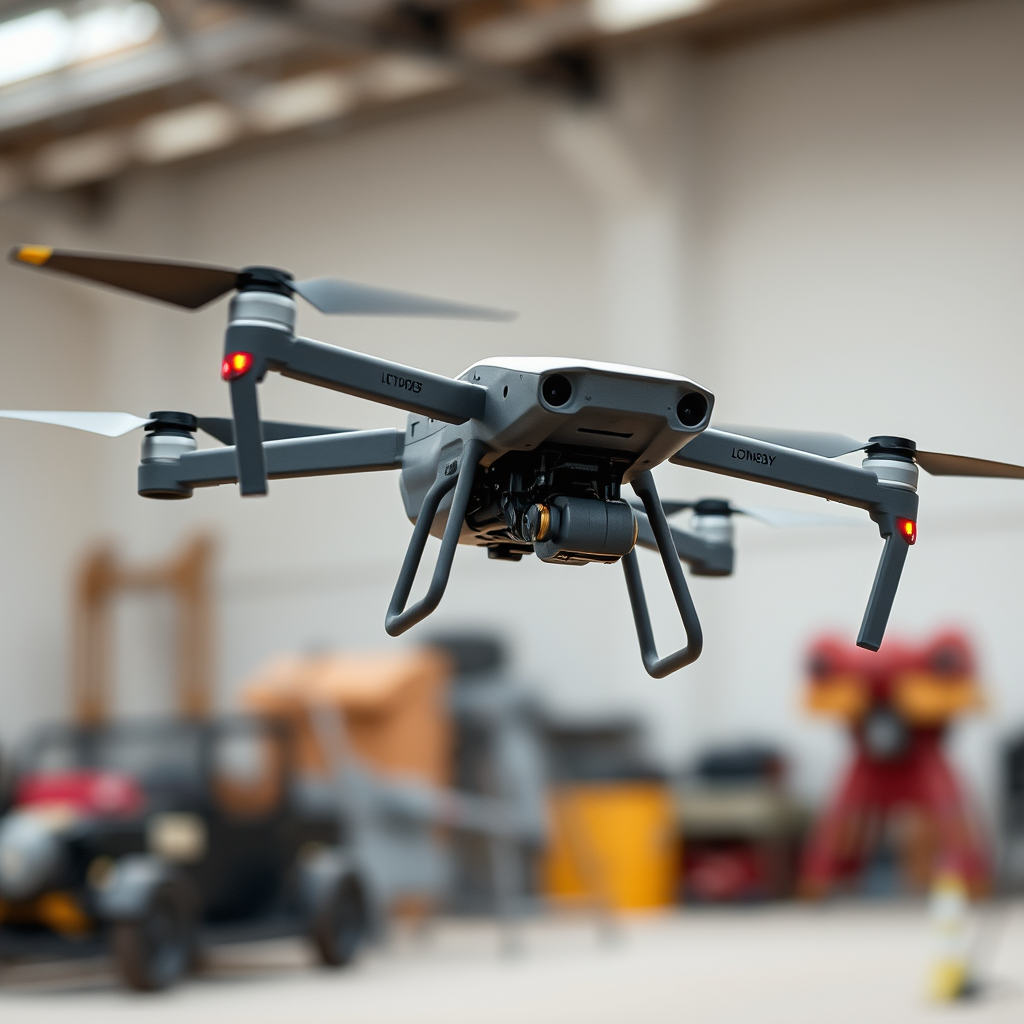
Military drones designed for combat come in various shapes and sizes, but two of the most prominent examples are the MQ-9 Reaper and the MQ-1 Predator. The MQ-9 Reaper, developed by General Atomics, is a remotely piloted aircraft that can carry a diverse array of armaments, including Hellfire missiles and laser-guided bombs. This drone has gained notoriety for its role in targeted strikes against high-value targets in conflict zones, showcasing its ability to conduct long-endurance missions with precision.
Similarly, the MQ-1 Predator has played a vital role in modern warfare, particularly during the War on Terror. Equipped with both reconnaissance capabilities and missile systems, the Predator has been pivotal in gathering intelligence and executing strikes, often in support of ground operations. These drones can operate autonomously or be remotely piloted, providing flexibility in their deployment.
In addition to these examples, several countries are developing their advanced UAVs with missile capabilities. Nations such as Israel and China have also made significant strides in drone technology, contributing to a global arms race in UAV development.
Legal and Ethical Considerations
The use of drones in combat raises pressing questions about international law and sovereignty. Under international humanitarian law, there are strict guidelines governing the conduct of armed conflict, including the principles of distinction and proportionality. Drones can blur the lines of accountability, as strikes may occur in foreign territories without the consent of the host nation, leading to potential violations of sovereignty and international norms.
Ethical debates surrounding drone warfare often center on the implications of remote warfare. Critics argue that the detachment of operators from the battlefield can desensitize military personnel to the consequences of their actions, leading to a higher likelihood of civilian casualties. Reports of drone strikes resulting in unintended deaths have sparked outrage and calls for more stringent oversight and accountability measures. Advocates for drone use, on the other hand, argue that these systems can minimize collateral damage when used correctly, as they allow for more precise targeting than traditional airstrikes.
As drone technology continues to advance, there is an urgent need for international dialogue and regulation to address these ethical and legal challenges. Frameworks must be established to ensure that drone warfare aligns with humanitarian principles while considering the technological capabilities that allow for remote strikes.
Current Usage in Military Operations
Drones are actively employed in various military operations, particularly in regions such as the Middle East and Africa. The U.S. military has utilized drones extensively in counterterrorism efforts, targeting insurgent groups and high-profile terrorist leaders. The ability to conduct strikes with minimal risk to personnel has made drones an attractive option for military planners, allowing for sustained campaigns against threats without the need for large-scale troop deployments.
Additionally, drones offer significant advantages in intelligence, surveillance, and reconnaissance (ISR) operations. Their ability to loiter over a target area for extended periods allows for real-time monitoring of enemy movements, providing commanders with valuable situational awareness. This capability can lead to more informed decision-making and improved operational outcomes.
However, the reliance on drones also presents challenges, including the potential for over-reliance on technology and the need for robust intelligence-gathering processes to ensure accurate targeting. As military operations evolve, the role of drones will continue to be a critical component of modern warfare.
Future Developments in Drone Warfare
The future of drone warfare is poised for significant advancements, particularly with the integration of artificial intelligence (AI) and machine learning technologies. These developments may lead to more autonomous drones capable of making real-time decisions in combat scenarios. While this could enhance operational efficiency and reduce human error, it also raises profound ethical questions regarding the role of machines in life-and-death situations.
Additionally, as drone technology becomes more accessible, there are concerns about proliferation and the potential for non-state actors to acquire advanced UAV capabilities. This underscores the importance of establishing international regulations and frameworks to manage drone technology responsibly and prevent misuse.
Ongoing discussions among policymakers, military leaders, and technologists are essential to navigate the challenges and opportunities presented by the evolving landscape of drone warfare. Balancing innovation with ethical considerations will be crucial in shaping the future of military operations.
Challenges and Limitations
Despite the advantages drones offer, there are several challenges and limitations that can affect their effectiveness in combat scenarios. Technical limitations, such as signal loss, can hinder a drone’s operational capabilities, making them susceptible to enemy countermeasures. In environments with advanced electronic warfare capabilities, drones may face jamming or hacking attempts that compromise their functionality.
Moreover, while drones can provide precise targeting capabilities, they are not infallible. Intelligence failures or inaccuracies in target identification can lead to unintended consequences, including civilian casualties and collateral damage. Ensuring robust intelligence-gathering processes and improving data analysis techniques are vital in mitigating these risks.
Additionally, the psychological impact of drone warfare on both operators and affected populations must be considered. The use of drones can create a sense of detachment from the battlefield, potentially leading to moral and ethical dilemmas for those involved in decision-making processes.
In conclusion, while drones can indeed fire missiles, their use comes with a complex array of legal, ethical, and technological challenges. As drone technology evolves, it is crucial to engage in discussions about their role in modern warfare and ensure responsible usage. Balancing the strategic advantages of drones with the imperative to uphold humanitarian principles will be essential in shaping the future of military operations and addressing the societal implications of this rapidly advancing technology.
Frequently Asked Questions
Can drones be equipped to fire missiles?
Yes, drones can be equipped to fire missiles, particularly military drones known as unmanned aerial vehicles (UAVs). These drones are often fitted with precision-guided munitions, such as Hellfire missiles, enabling them to carry out targeted strikes. The ability to arm drones with missiles has become a key component of modern warfare, as it allows for remote engagement with minimal risk to personnel.
How do military drones fire missiles?
Military drones fire missiles through a series of controlled systems that integrate targeting data and weaponry. Operators use ground control stations equipped with advanced software to select targets and launch missiles remotely. The drones typically have sophisticated navigation and targeting systems that ensure precision and accuracy, minimizing collateral damage during engagements.
Why are drones preferred for missile strikes over traditional aircraft?
Drones are often preferred for missile strikes due to their ability to operate without putting pilots at risk. They can loiter over a target for extended periods, providing real-time intelligence and surveillance before executing a strike. Additionally, drones are generally more cost-effective to operate and maintain compared to manned aircraft, making them an advantageous option for military operations.
What are the ethical concerns associated with drones firing missiles?
The use of drones to fire missiles raises several ethical concerns, including issues of accountability, civilian casualties, and the potential for misuse. Critics argue that the remote nature of drone warfare can desensitize operators and reduce the perceived consequences of military actions. Humanitarian organizations emphasize the need for stringent regulations to protect civilian lives and ensure that drone strikes comply with international law.
Which countries currently utilize armed drones for missile strikes?
Several countries, including the United States, Israel, Russia, and China, actively utilize armed drones for missile strikes. The U.S. military is known for its extensive use of armed drones in counterterrorism operations, while Israel has employed drones for surveillance and targeted strikes in conflict zones. As drone technology continues to advance, more nations are developing their own capabilities for armed UAV operations.
References
- https://en.wikipedia.org/wiki/Military_drone
- https://www.bbc.com/news/world-us-canada-54364240
- https://www.reuters.com/technology/us-drone-strikes-rules-engagement-2021-12-09/
- https://www.theguardian.com/us-news/2021/jul/01/us-drone-strikes-afghanistan
- https://www.nytimes.com/2021/10/25/us/politics/airstrikes-drone-strikes.html
- https://www.rand.org/pubs/research_reports/RR2028.html
- https://www.defense.gov/Explore/News/Article/Article/2332291/us-drone-strikes-in-afghanistan-and-iraq/
