
Yes, drones can fly above clouds, but various factors such as altitude limits, weather conditions, and regulations affect their ability to do so. While many drones are designed to operate at significant altitudes, safely flying above the cloud cover requires careful consideration of numerous technical and legal guidelines. In this article, we will explore how drones operate in cloud cover, the technology involved, and the legal considerations for flying at high altitudes.
Understanding Drone Altitude Limits
Most consumer drones have a maximum flight altitude of around 400 feet, mainly due to safety regulations set forth by aviation authorities like the Federal Aviation Administration (FAA) in the United States. This limit is designed to keep drones away from manned aircraft that typically fly at higher altitudes. In contrast, professional drones, particularly those used in commercial applications such as surveying, agriculture, and cinematography, may be capable of higher altitudes, depending on their design and purpose. Some specialized drones can reach altitudes exceeding 10,000 feet, but these are often used for specific applications and require compliance with additional regulations.
For example, the DJI Matrice 600, a high-end commercial drone, has flight capabilities that can exceed 400 feet, provided it is flown in accordance with local regulations. However, it is critical that operators understand their drone’s specifications and adhere to the legal altitude limits imposed by aviation authorities in their region.
Weather Conditions and Cloud Flight
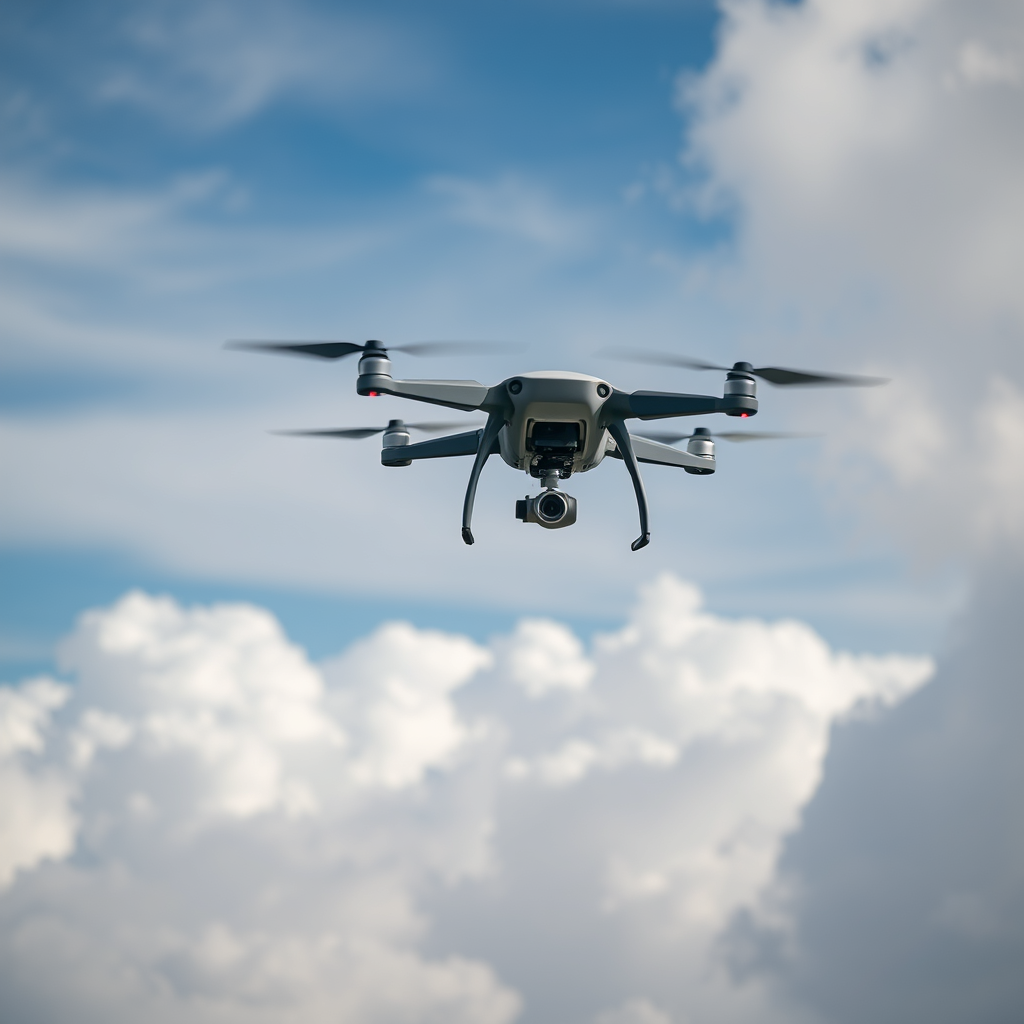
Drones are significantly affected by weather conditions, and flying above clouds can present unique challenges. Wind and turbulence are common at higher altitudes, and they can cause instability in flight, making control difficult. Moreover, visibility is often reduced when flying in or above clouds, which can impair a pilot’s ability to navigate and maintain safe operation.
Clouds are not just a visual barrier; they can also be a source of precipitation and icing, both of which can negatively impact drone performance. For instance, flying a drone in light rain can lead to electronic malfunctions, while icing can add weight and affect aerodynamics. Therefore, pilots must be well-versed in weather forecasting and prepared to adjust their flight plans accordingly. Utilizing tools such as weather apps and aviation weather reports can help operators make informed decisions about whether to attempt flying above cloud cover.
Types of Drones Suitable for Cloud Flight
Not all drones are created equal when it comes to flying above clouds. High-end commercial drones can be equipped with advanced technology that enhances their performance in adverse conditions. Features such as weather-resistant designs, powerful motors, and enhanced battery life are critical for operating in challenging environments. For instance, drones like the senseFly eBee X are specifically designed for surveying and mapping and can operate effectively in varying weather conditions.
Furthermore, specialized drones designed for agricultural or surveying purposes may also be more capable of flying above clouds. These drones often come with high-quality sensors and cameras that can capture detailed images and data, even at greater altitudes. For example, the Parrot Bluegrass Fields drone is tailored for agricultural use and can provide high-resolution imagery that assists farmers in monitoring crop health while operating above the cloud layer.
Regulatory Considerations for Flying Above Clouds
Regulatory considerations play a major role in determining whether drones can fly above clouds. The FAA and other aviation authorities often impose restrictions that limit drone operations based on altitude, weather conditions, and the necessity for maintaining visual line of sight (VLOS). According to FAA regulations, flying a drone above 400 feet requires special authorization, and operators must maintain a clear line of sight with their drone at all times.
This can be particularly challenging when flying above clouds, where visibility can be compromised. To legally operate in such conditions, drone pilots may need to apply for a waiver or special authorization, which typically requires demonstrating a thorough understanding of aviation safety practices and risk management. It is essential for drone operators to be well-informed about the regulations governing their flights and to maintain compliance to avoid penalties or accidents.
Safety Precautions for High-Altitude Drone Flights
Flying a drone at high altitudes, especially above clouds, necessitates a comprehensive approach to safety. Pre-flight weather checks are essential to ensure that conditions are conducive to safe flying. Drones should not be operated in severe weather, including high winds, rain, or storms, which can lead to loss of control and potential crashes.
Additionally, using drones equipped with GPS and advanced navigation systems can enhance safety during high-altitude operations. Drones with features such as obstacle detection and avoidance systems can significantly reduce the risk of collisions with other aircraft or obstacles, especially in low-visibility conditions. Pilots should also consider implementing real-time telemetry data to monitor the drone’s performance and condition during flight, which can provide valuable insights into its operational health and safety.
Real-World Applications of Drones Flying Above Clouds
Drones flying above clouds have found numerous real-world applications, particularly in scientific research and the film and photography industries. For instance, researchers use drones to study weather patterns and atmospheric conditions, collecting data from altitudes that would otherwise be challenging to access. These studies can provide critical insights into climate change and weather forecasting.
In the film and photography sectors, drones are increasingly utilized to capture stunning aerial shots above the cloud line, creating breathtaking visuals that enhance storytelling. Filmmakers are now able to achieve cinematic views that were previously only possible with manned aircraft, all while benefiting from the cost-effectiveness and versatility of drones. High-profile movies and documentaries have featured drone footage shot above clouds, showcasing the technology’s capability to deliver unique perspectives.
In conclusion, while drones can fly above clouds, it is crucial to consider the technical, legal, and safety aspects involved. Understanding altitude limits, weather conditions, the types of drones suited for high-altitude flights, and regulatory requirements is essential for safe operations. Always ensure compliance with regulations and prioritize safety when planning high-altitude drone flights to maximize the benefits of this innovative technology while minimizing risks.
Frequently Asked Questions
Can drones fly above the clouds?
Yes, drones can fly above the clouds, but several factors need to be considered. First, the drone must be equipped to handle the altitude, with sufficient battery life and necessary technology for navigation and communication. Additionally, regulations from aviation authorities like the FAA may restrict flying above certain altitudes, so it’s crucial to check local laws before operating a drone in cloud-covered areas.
What altitude can drones typically reach to fly above clouds?
Most consumer drones can reach altitudes up to 400 feet above ground level, which is often below the cloud layer. However, professional-grade drones can ascend to higher altitudes, sometimes exceeding 10,000 feet, depending on their specifications. It’s essential to monitor local airspace regulations, as flying above certain altitudes without proper authorization can lead to legal issues.
How does flying above the clouds affect drone performance?
Flying above the clouds can affect drone performance in several ways. Reduced visibility can make navigation challenging, and the presence of moisture can impact the drone’s sensors and electronics. Additionally, higher altitudes may lead to cooler temperatures and thinner air, which can affect battery efficiency and flight stability, so operators must be aware of these factors when planning a flight.
Why would someone want to fly a drone above the clouds?
Flying a drone above the clouds can provide stunning aerial photography and videography opportunities, capturing unique landscapes and atmospheric phenomena. Additionally, it can be beneficial for scientific research, such as weather observation or environmental studies, where accessing cloud cover is necessary. This perspective is often sought after by filmmakers, photographers, and researchers looking to capture breathtaking visuals or gather critical data.
What are the best drones for flying above clouds?
The best drones for flying above clouds are typically professional-grade models like the DJI Matrice series or the senseFly eBee X, which are designed for high-altitude operations and enhanced stability. These drones come equipped with advanced navigation systems, robust batteries for extended flight times, and features that allow for safe operation in varying weather conditions. When selecting a drone, always consider its maximum altitude, battery life, and environmental adaptability to ensure it meets your needs for cloud-level flights.
References
- https://en.wikipedia.org/wiki/Drone
- https://www.faa.gov/uas/
- https://www.nasa.gov/
- https://www.sciencedirect.com/science/article/pii/S2213138818311547
- https://www.reuters.com/technology/drone-technology-2021-09-29/
- https://www.bbc.com/news/technology-53742167
- https://www.forbes.com/sites/bernardmarr/2020/05/04/how-drones-are-changing-the-future-of-aviation/?sh=6b7e634c1fa0
