
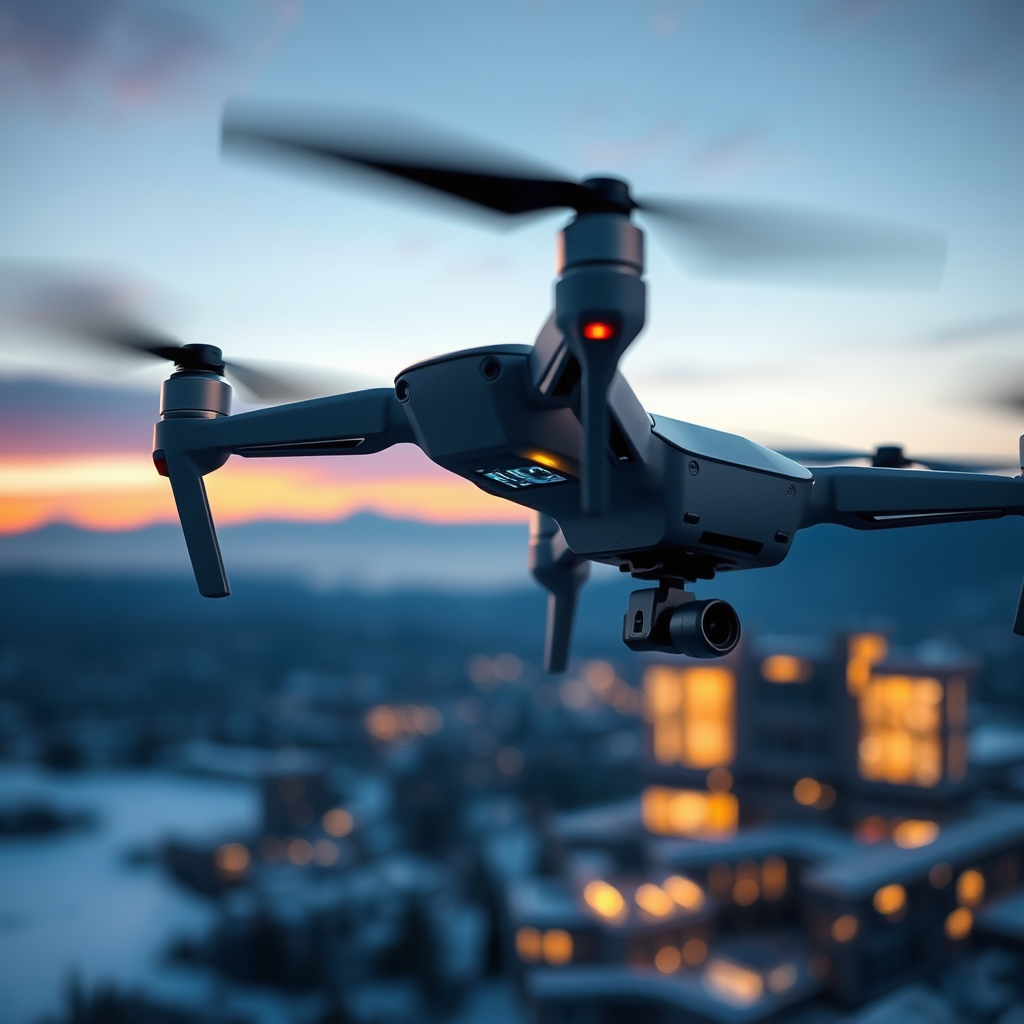
Yes, drones can fly at high altitudes, but various factors affect their performance and legality. Understanding the limitations and regulations surrounding high-altitude flight is essential for drone enthusiasts and professionals alike. While advancements in drone technology have enabled some models to reach impressive elevations, pilots must navigate air density challenges, weather conditions, and regulatory frameworks to ensure safe and compliant operations.
Understanding High Altitude in Drone Flight
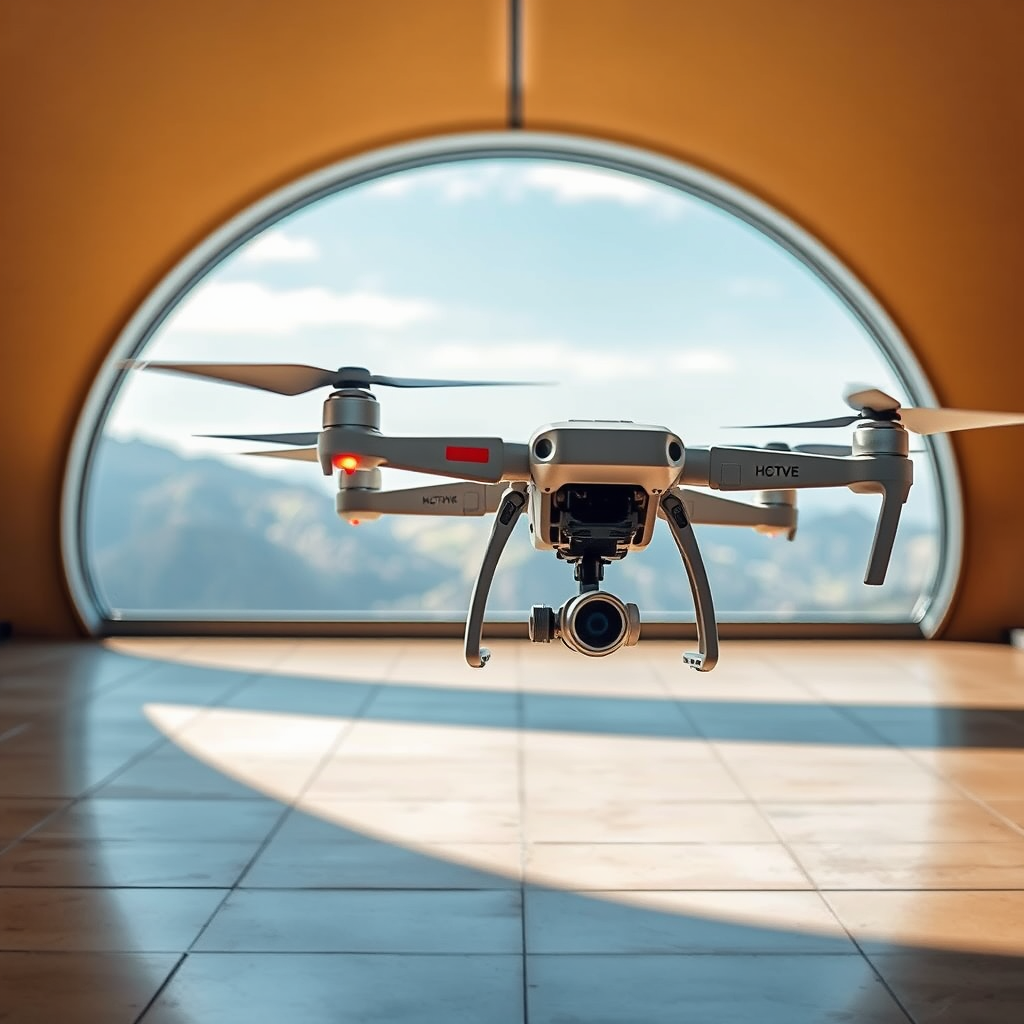
In aviation, “high altitude” generally refers to flight levels above 10,000 feet, where the air becomes thinner, presenting unique challenges for aerial vehicles. For drones, the definition can vary based on design and intended use; however, most consumer drones are limited to around 400 feet above ground level (AGL) due to regulatory constraints. Commercial drones, especially those used in specialized operations like surveying or mapping, may have the capability to ascend to higher altitudes, but they typically operate within the same general restrictions unless specific permits are obtained.
The altitude limits for recreational drones are notably set by the Federal Aviation Administration (FAA) in the United States, which restricts hobbyist pilots to 400 feet AGL unless flying from a structure. Understanding these limits is crucial for compliance and safety in drone operations.
Factors Affecting High Altitude Flight
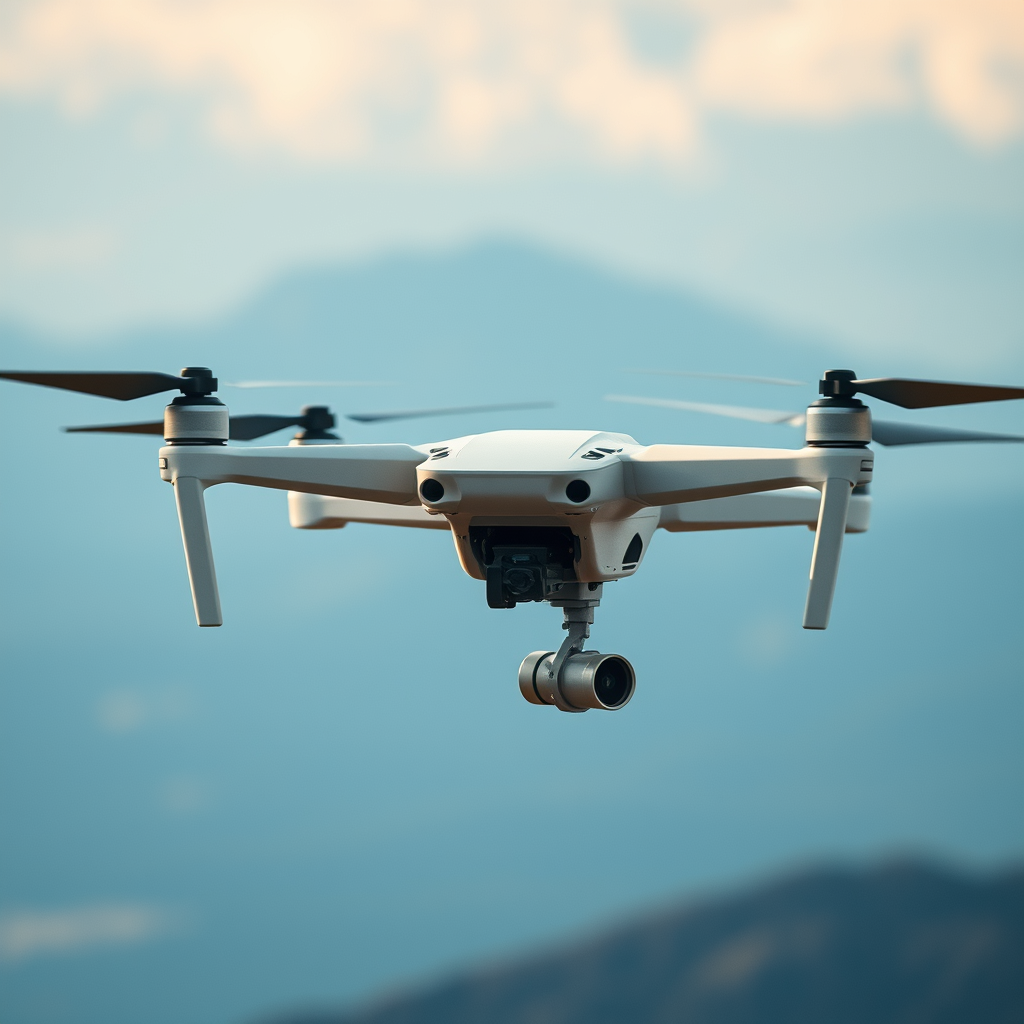
Air density is a primary factor influencing drone performance at high altitudes. As altitude increases, air density decreases, which can significantly impact a drone’s lift and battery life. Drones rely on rotor blades to generate lift, and thinner air means less resistance for the blades, which can result in decreased efficiency and the potential for loss of control. For example, a drone that performs optimally at sea level may struggle to maintain stable flight at elevations above 10,000 feet, requiring more power to achieve the same lift.
Weather conditions also play a critical role in high-altitude drone operations. Wind speed and direction can vary significantly with altitude, potentially causing turbulence that complicates flight stability. Additionally, temperature changes at higher elevations can affect battery performance, leading to reduced flight times. Pilots should always check weather forecasts and prepare for variable conditions before attempting high-altitude flights.
Regulatory Considerations for High Altitude Drone Flight
Navigating regulatory frameworks is essential for anyone looking to operate drones at high altitudes. In the U.S., the FAA has established clear guidelines on altitude limits for both recreational and commercial drone use. While the standard limit is 400 feet AGL, commercial operators can apply for waivers to fly higher, provided they demonstrate an understanding of the risks and a plan to mitigate them.
Local laws and airspace restrictions further complicate high-altitude drone operations. Certain areas, such as national parks or urban centers, may have additional regulations that limit drone use, including altitude restrictions. Pilots should familiarize themselves with the airspace classifications in their operating area, utilizing tools like the FAA’s B4UFLY app to ensure compliance with local laws.
Types of Drones Capable of High Altitude Flight
Not all drones are designed to handle high-altitude flight. Specialized drones, often employed in commercial or research applications, are engineered with features that enhance their capability to operate at elevated altitudes. For instance, fixed-wing drones designed for long-range surveying can perform better at higher altitudes due to their aerodynamic design and efficient power management systems.
In contrast, most consumer-grade drones, like the DJI Phantom series, are optimized for lower altitudes and may face significant performance degradation at higher elevations. When comparing consumer drones to professional-grade drones, the latter often boast superior battery life, more powerful motors, and advanced flight control systems, making them more suitable for high-altitude operations.
Safety Concerns When Operating Drones at High Altitude
Flying drones in thin air presents several safety risks. Reduced lift can make it challenging for pilots to maintain stable flight, and the potential for sudden altitude loss increases. Additionally, the risk of losing connectivity with the drone rises due to signal interference that may occur at higher elevations.
Pre-flight checks become even more critical in high-altitude conditions. Pilots should conduct thorough inspections of their equipment, including battery levels, propeller condition, and GPS functionality. Establishing emergency protocols, such as return-to-home features and fail-safes, can significantly mitigate risks associated with high-altitude operations.
Best Practices for High Altitude Drone Operation
To ensure safe high-altitude flight, it is advisable to adhere to recommended altitude limits where applicable. While some commercial operations may necessitate flying above 400 feet, pilots should avoid exceeding safe flight limits unless they have the appropriate permissions and training.
Monitoring and managing drone performance at high altitudes is crucial. Pilots should keep a close eye on battery levels, as power consumption can increase significantly in thin air. Using telemetry data to gauge altitude, speed, and battery status can help pilots make informed decisions during flight, ensuring a safe return.
Future Trends in High Altitude Drone Technology
The future of high-altitude drone technology is promising, with innovations aimed at enhancing altitude capabilities on the horizon. Companies are investing in research to develop drones that can operate efficiently in low-density environments, employing advanced materials and improved aerodynamics.
Potential applications for high-altitude drone flights are expanding across various industries. For example, drones capable of reaching altitudes suitable for atmospheric research can be utilized in scientific studies to monitor climate change or collect data on weather patterns. Additionally, the delivery services sector is exploring high-altitude drone operations to facilitate faster and more efficient logistics in remote areas.
In conclusion, while drones can indeed fly at high altitudes, it’s crucial to be aware of the technical, regulatory, and safety aspects involved. Factors such as air density, weather conditions, and local regulations play significant roles in high-altitude flight operations. By understanding these elements and employing best practices, drone enthusiasts and professionals can explore the exciting possibilities of high-altitude drone flying, paving the way for innovative applications and advancements in technology. Staying informed and prepared is key to a successful experience in this expansive aerial frontier.
Frequently Asked Questions
What is the maximum altitude a drone can fly legally?
The maximum altitude a drone can legally fly is typically 400 feet (120 meters) above ground level in many countries, including the United States, as mandated by the Federal Aviation Administration (FAA). However, regulations may vary by region, so it’s essential to consult local laws and regulations before flying your drone at high altitudes to ensure compliance.
How do high altitudes affect drone performance?
High altitudes can significantly affect drone performance due to lower air density, which can result in reduced lift and battery efficiency. As drones ascend, their propellers may struggle to generate sufficient lift, leading to decreased flight times and difficulty maintaining stable flight, especially in windy conditions. Pilots should be aware of these factors and adjust their operations accordingly when flying at high altitudes.
Why can’t most consumer drones fly above 400 feet?
Most consumer drones are limited to flying below 400 feet primarily for safety and regulatory reasons. This altitude restriction helps prevent collisions with manned aircraft, which typically fly at higher altitudes. Additionally, staying within this range allows for safer operations in populated areas, minimizing risks to people and property.
What types of drones are capable of flying at high altitudes?
High-altitude drones, often referred to as professional or research-grade drones, are designed to operate at elevated altitudes and can reach heights of several kilometers. These drones usually come equipped with powerful motors, advanced sensors, and enhanced stability features. Examples include fixed-wing drones and some high-performance multirotors specifically designed for scientific or industrial applications.
Which factors should I consider when flying a drone at high altitude?
When flying a drone at high altitude, consider factors such as battery life, weather conditions, and air density. High altitudes can drain battery power more quickly, so it’s crucial to monitor battery levels closely. Additionally, be aware of wind speed and direction, as these can dramatically affect flight stability and control. Always ensure compliance with local regulations and have a clear understanding of your drone’s capabilities before attempting to fly at higher altitudes.
References
- https://en.wikipedia.org/wiki/Drone
- https://www.faa.gov/uas/getting_started/part_107/
- https://www.ncbi.nlm.nih.gov/pmc/articles/PMC6343229/
- https://www.sciencedirect.com/science/article/pii/S2352864817300054
- https://www.nasa.gov/flight-ops/airspace/airspace-for-drones
- https://www.reuters.com/article/us-usa-drones-idUSKBN1ZT2N8
- https://www.bbc.com/news/technology-50444807
- https://www.theguardian.com/us-news/2021/apr/14/us-military-drones-altitude-safety-regulations
