

Yes, drones can fly automatically thanks to advanced technology like GPS and autopilot systems. This capability allows them to execute intricate flight plans without constant human intervention, making them invaluable in various sectors such as aerial photography, agriculture, and logistics. In this article, we will explore how drones achieve automatic flight, delve into their operational mechanisms, and examine the diverse applications of this cutting-edge technology.
How Do Drones Achieve Automatic Flight?
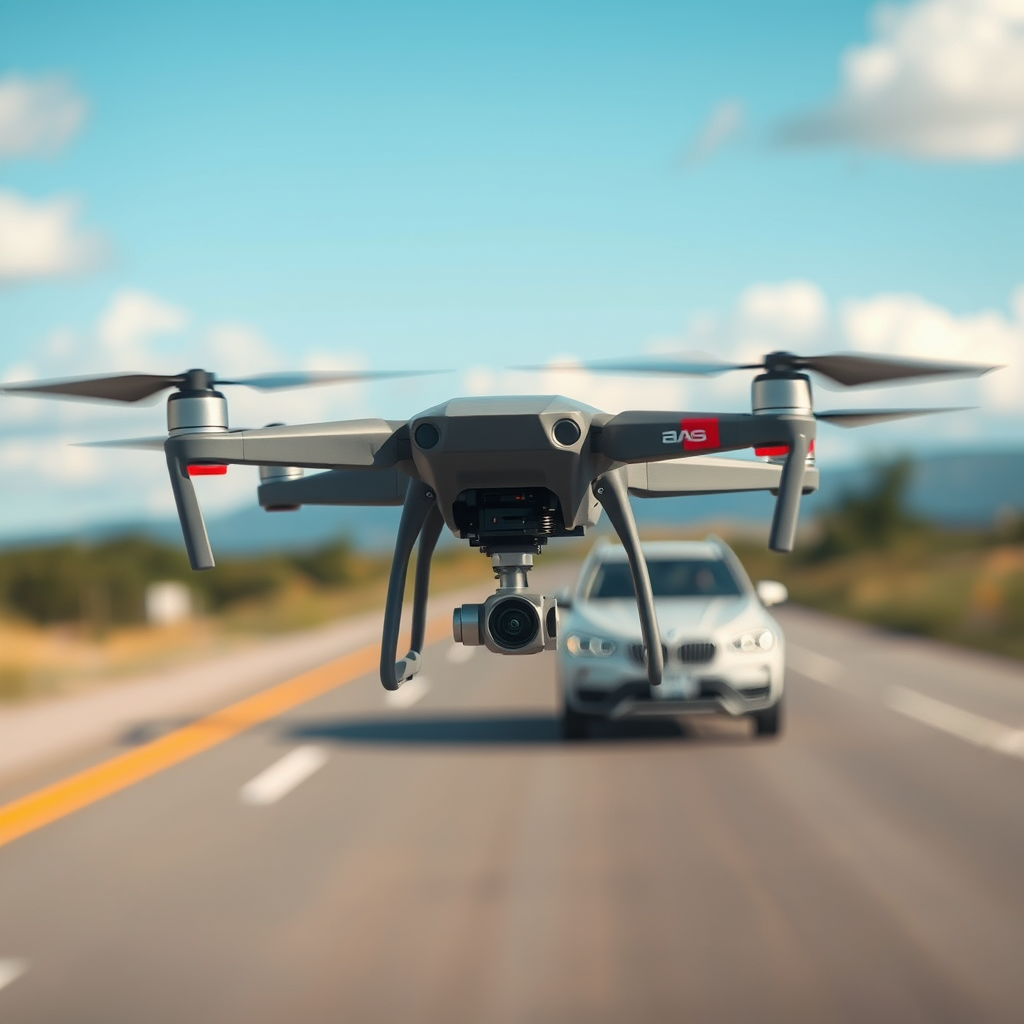
Drones utilize Global Positioning System (GPS) technology for navigation and positioning, which allows them to determine their location with remarkable accuracy. By receiving signals from multiple satellites, drones can pinpoint their coordinates and execute pre-defined flight paths.
In addition to GPS, drones are equipped with sophisticated autopilot systems that enable automatic flight. These systems can be programmed with specific routes, allowing the drone to fly autonomously from point A to point B. The autopilot controls the drone’s altitude, speed, and direction, making adjustments based on real-time data from onboard sensors. These sensors can include altimeters, accelerometers, and gyroscopes, which work together to ensure stability and control during flight.
The combination of GPS navigation and autopilot capabilities empowers drones to perform complex tasks without manual input, significantly enhancing their operational efficiency and versatility.
Types of Automatic Flight Modes
Drones come with several automatic flight modes, each designed for specific tasks or scenarios. One of the most prevalent modes is waypoint navigation, which allows users to set predetermined points in the airspace that the drone will autonomously navigate to. For instance, a drone can be programmed to take off from a specific location, fly to a series of waypoints, and return to the launch point after completing its mission. This mode is particularly useful for surveying large areas, mapping, and agricultural monitoring.
Another popular mode is follow-me mode, which utilizes GPS and visual tracking technology to enable the drone to follow a moving subject, such as a person or vehicle. This mode is widely used in outdoor sports and adventure activities, where the drone can capture dynamic footage of the subject without requiring manual control. For example, a mountain biker can wear a GPS-enabled device that communicates with the drone, allowing it to capture stunning aerial shots while following the biker along a trail.
Applications of Automatic Drone Flight
The automatic flight capabilities of drones have opened up a myriad of applications across various industries. One of the most notable uses is in aerial photography and videography. Professional photographers and filmmakers increasingly rely on drones to capture breathtaking images and videos from angles that would be difficult or impossible to achieve through traditional methods. For instance, aerial shots of landscapes, events, or real estate are often elevated by the unique perspectives offered by drones.
Another significant application is in delivery services. Companies like Amazon and UPS are exploring the use of drones to transport goods efficiently, particularly in rural or hard-to-reach areas. Automatic flight systems enable these drones to navigate complex delivery routes autonomously, significantly reducing delivery times and operational costs. For example, a drone can deliver medical supplies to remote locations, ensuring timely access to essential items without the need for extensive ground transportation.
Safety Features in Automatic Flight
Safety is a paramount concern in drone operations, especially when flying automatically. Many drones are equipped with collision avoidance systems, which utilize sensors and cameras to detect obstacles in the flight path. This technology allows the drone to make real-time adjustments to avoid collisions, thereby enhancing safety during autonomous flights. For example, if a drone approaches a tree or building, it can automatically reroute or halt its flight to prevent an accident.
Additionally, fail-safe protocols are established to ensure safe operations even in the event of a system failure. Most drones are designed to automatically return to their takeoff point if they lose connection with the pilot or experience a critical malfunction. This feature is crucial for preventing drones from becoming lost or crashing, providing an added layer of security for both the drone and the surrounding environment.
Regulations and Limitations
Despite the impressive capabilities of automatic drone flights, there are regulations and limitations that govern their use. The Federal Aviation Administration (FAA) in the United States has established guidelines that dictate how and where drones can operate, particularly when it comes to automatic flight. For instance, drones must typically remain within the operator’s line of sight, and there are restrictions on flying over populated areas or near airports.
Moreover, the type of drone and the specific operational area can impose additional limitations. For instance, commercial drones may be subject to stricter regulations than recreational drones, and certain high-risk areas might require special permissions for automatic flight. Understanding these regulations is essential for both hobbyists and professionals to ensure compliance and safe operations.
Future of Automatic Drone Technology
The future of automatic drone technology is poised for remarkable growth, driven by advancements in artificial intelligence (AI) and machine learning. These technologies will enable drones to learn from their environments, improving their navigation capabilities and decision-making processes. For instance, AI-powered drones could analyze terrain and adapt their flight paths in real-time, enhancing their efficiency and safety.
Moreover, as the commercial and recreational uses of drones continue to expand, we can anticipate a surge in demand for advanced features such as automated package delivery, infrastructure inspection, and search-and-rescue operations. The integration of AI and machine learning will likely lead to the development of smarter drones that can operate more autonomously and safely in dynamic environments.
In conclusion, drones are capable of flying automatically, thanks to sophisticated technologies like GPS and autopilot systems. Their ability to operate autonomously has revolutionized various industries, from aerial photography to delivery services, while safety features ensure secure operations. As technology continues to advance, we can expect even more innovations in drone capabilities, making them an integral part of our future landscape. If you’re interested in exploring automatic drone flight further, consider looking into specific models and their functionalities to fully appreciate the potential of this cutting-edge technology.
Frequently Asked Questions
Can drones fly automatically without human control?
Yes, drones can fly automatically using pre-programmed flight paths and advanced navigation systems. Many modern consumer and commercial drones come equipped with GPS and autonomous flight features, allowing them to take off, navigate, and land without direct human intervention. This capability is especially useful for applications like aerial photography, surveying, and agricultural monitoring.
How do drones know where to fly automatically?
Drones utilize a combination of GPS technology, onboard sensors, and mapping software to determine their flight paths. When a user sets a flight plan through a companion app, the drone can automatically follow the designated route while avoiding obstacles using its sensors. This automatic flight capability enhances operational efficiency and ensures safer flying.
Why would someone choose an automatic flying drone over manual control?
Automatic flying drones offer several advantages over manual operation, including precision, consistency, and ease of use. They can perform complex maneuvers with high repeatability, making them ideal for tasks like surveying large areas or capturing consistent aerial footage. Additionally, automatic flights reduce the workload for operators, allowing them to focus on other tasks or monitor the drone’s progress.
What are the best drones with automatic flying features?
Some of the best drones with automatic flying capabilities include the DJI Mavic Air 2, Autel Robotics EVO Lite, and Skydio 2. These drones feature advanced autonomous flight modes like waypoint navigation, follow-me functions, and obstacle avoidance, making them suitable for both recreational and professional use. When choosing a drone, consider factors like flight time, camera quality, and specific automation features to find the best fit for your needs.
Which regulations should I be aware of when flying drones automatically?
When flying drones automatically, it is crucial to adhere to local regulations and guidelines set by authorities like the Federal Aviation Administration (FAA) in the United States. Key regulations include maintaining visual line of sight with the drone, flying below 400 feet, and not operating in restricted airspace. Additionally, if your drone is equipped for commercial use, you may need to obtain a Remote Pilot Certificate. Always check your local laws to ensure compliance before flying.
References
- https://en.wikipedia.org/wiki/Drone
- https://www.nasa.gov/feature/nasa-s-drones-are-flying-autonomously-in-the-skies
- https://www.faa.gov/uas/
- https://www.sciencedirect.com/science/article/abs/pii/S1474667019300987
- https://www.reuters.com/technology/drones-flying-autonomously-2021-07-29/
- https://www.techrepublic.com/article/how-autonomous-drones-are-changing-the-future-of-delivery/
- https://www.bbc.com/news/technology-46930904
