

Yes, drones can fly in some national parks, but strict regulations apply. The majority of national parks in the United States prohibit drone use to protect wildlife and preserve the natural environment. Understanding these rules is essential for anyone considering flying a drone in these protected areas, as violations can lead to significant penalties and detrimental impacts on the park’s ecosystem.
Understanding National Park Regulations
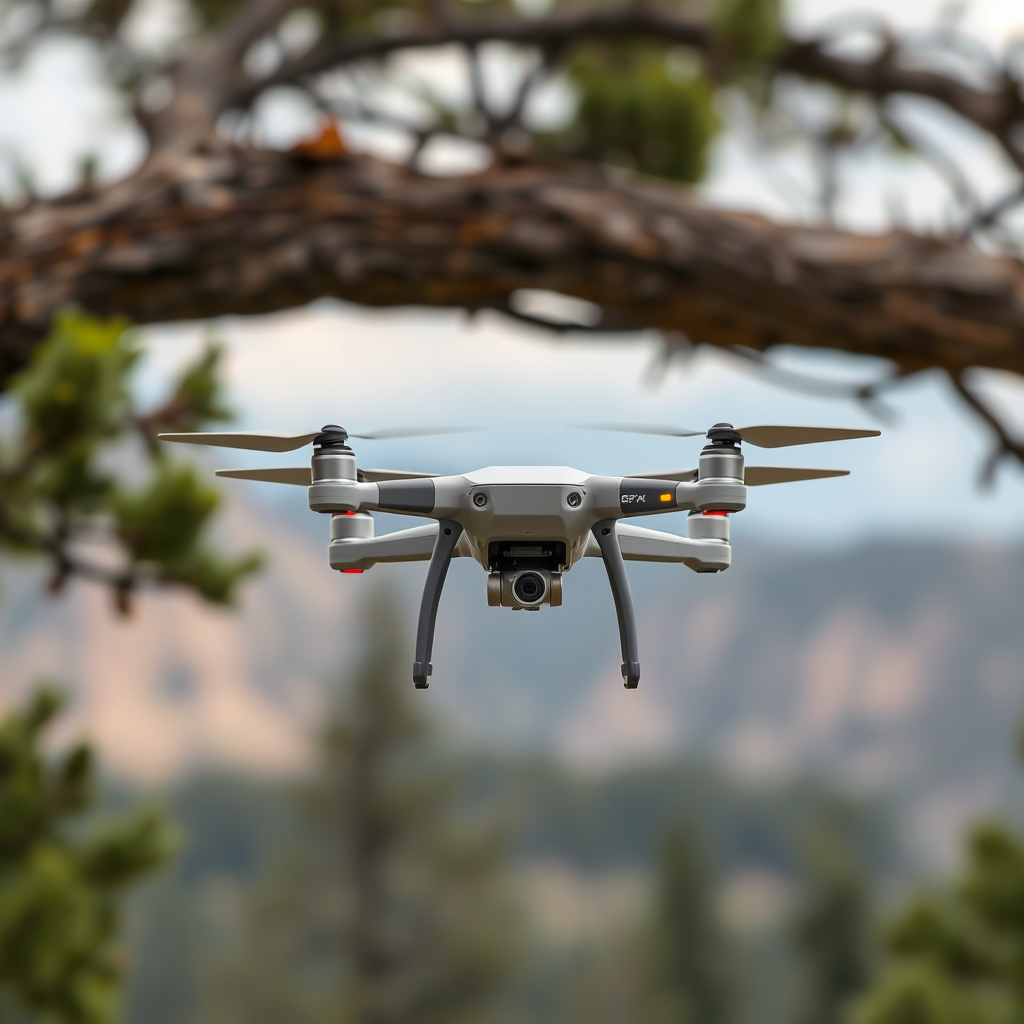
National parks are governed by the National Park Service (NPS), which is dedicated to conserving the natural and cultural resources of these protected areas. The NPS has established specific regulations regarding drone use to minimize disturbances to wildlife, safeguard park visitors, and maintain the integrity of the park’s natural landscapes. Generally, the use of unmanned aerial vehicles (UAVs) in national parks is prohibited under the Code of Federal Regulations, Title 36, Part 2.17. This regulation is designed to prevent potential conflicts between drone flyers and other park patrons and to mitigate risks to wildlife that may be affected by drone activity.
The rationale behind these regulations is multifaceted. Drones can disrupt animal behaviors, affect migratory patterns, and even lead to wildlife stress. In addition, the noise generated by drones can interfere with the tranquility sought by park visitors and detract from the immersive experience offered by nature. Thus, anyone looking to fly a drone in a national park should first familiarize themselves with the NPS regulations, which vary by location and can change over time.
Areas Where Drones are Allowed
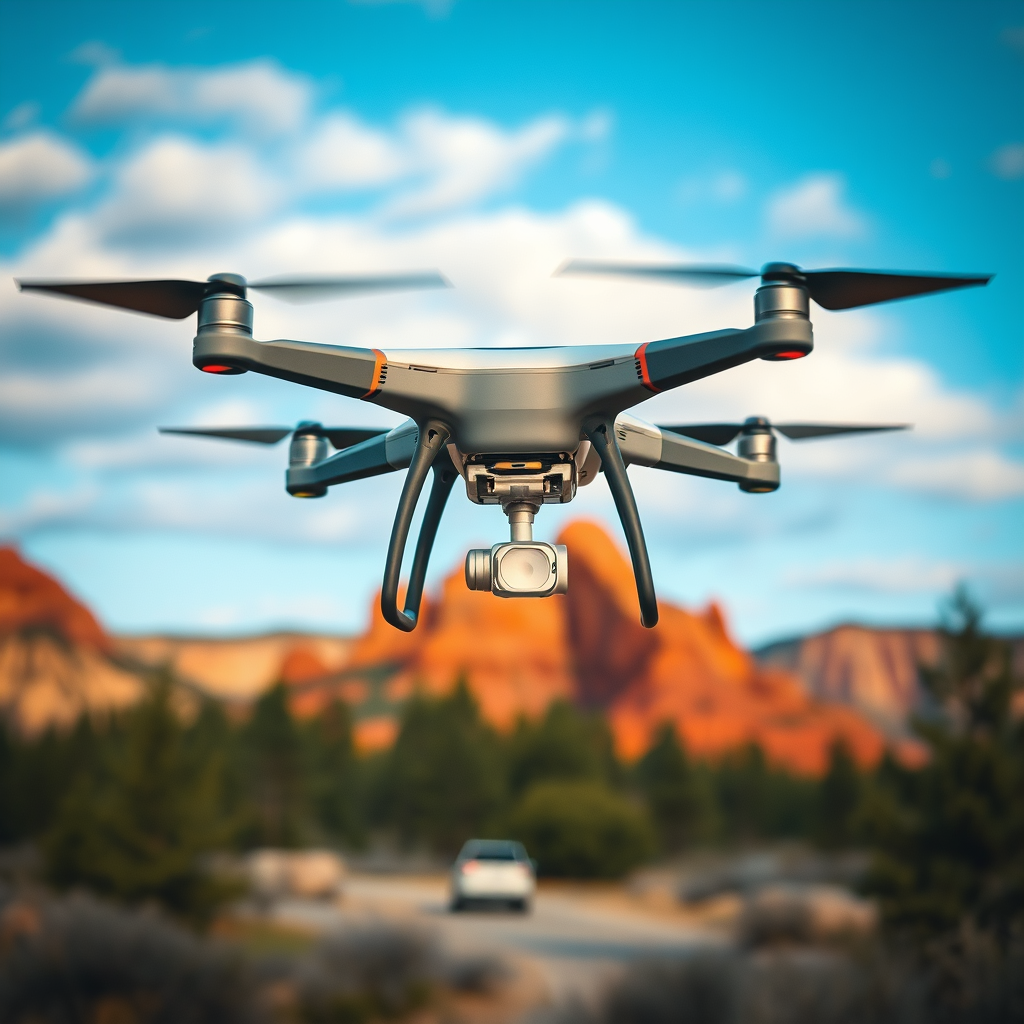
While the overarching rule prohibits drone usage in national parks, there are instances where specific areas within certain parks may allow drone flying. Some parks may designate particular zones for drone operations to accommodate recreational use while still protecting sensitive wildlife areas. For example, some parks may allow drone flights in non-wildlife zones or during certain hours when wildlife is less active.
It is critical for drone operators to check the specific regulations of each national park prior to their visit. The NPS website or the park’s visitor center can provide up-to-date information on any designated areas where drones might be permitted. Even within parks that allow drones, operators must adhere to guidelines that prioritize safety and environmental stewardship.
Reasons for Drone Restrictions
The primary reasons for the restrictions on drone use in national parks include the protection of wildlife habitats and the preservation of the park’s natural soundscape and visual integrity. Drones can pose a significant threat to wildlife, particularly species that are sensitive to disturbances. For instance, birds may abandon their nests if they perceive a drone as a threat, leading to decreased reproductive success and potential population declines.
Furthermore, the natural soundscape of national parks is integral to the visitor experience. The whirring of drone propellers can drown out the sounds of nature, from rustling leaves to flowing water, which are essential elements of the park atmosphere. By limiting drone use, the NPS seeks to preserve these sensory experiences while ensuring the safety and enjoyment of all visitors.
Consequences of Violating Drone Rules
Violating drone regulations in national parks can lead to severe consequences. Park authorities are empowered to issue fines for unauthorized drone flights, which can range from a few hundred to several thousand dollars, depending on the severity of the violation. In addition to financial penalties, park rangers may confiscate drones that are flown in prohibited areas, resulting in the loss of equipment.
These consequences serve as a deterrent to ensure compliance with park regulations and to protect the delicate ecosystems within national parks. Visitors should be aware that enforcement actions can include not only fines but also potential criminal charges if the drone usage poses a significant threat to wildlife or public safety.
Alternatives to Drones in National Parks
For those looking to capture the beauty of national parks without the use of drones, there are numerous alternatives that can provide stunning imagery and experiences. Handheld cameras and smartphones are excellent tools for photography, allowing users to capture high-quality images without disturbing the environment. With advancements in camera technology, many smartphones now offer capabilities that rival traditional cameras, including high-resolution imaging and advanced stabilization features.
Additionally, visitors can explore park ranger-led programs that provide guided experiences, educational insights, and unique perspectives on the natural world. These programs often include photography workshops, nature hikes, and wildlife observation opportunities, allowing participants to connect with the park’s beauty while adhering to regulations.
Tips for Responsible Drone Use
For those who are determined to use a drone in areas where it is permitted, adhering to responsible practices is paramount. First and foremost, drone operators should respect the privacy of others by avoiding crowded areas and private properties. Flying over people or creating disturbances in busy locations can lead to both ethical concerns and potential safety hazards.
It is also crucial to familiarize oneself with local laws and regulations before visiting a national park. By understanding the specific guidelines and obtaining any necessary permits, drone operators can ensure compliance and contribute positively to the park environment. Lastly, maintaining a respectful distance from wildlife and observing their behavior will help preserve the natural balance and minimize stress on animals.
In summary, while drones are generally restricted in national parks, some exceptions may exist in designated areas. Adhering to the rules and regulations established by the NPS is vital for protecting these beautiful environments and ensuring a positive experience for all visitors. Before your next visit, take the time to research and understand the specific guidelines for the national park you plan to explore, and consider alternative photography methods to capture the breathtaking scenery without the use of drones.
Frequently Asked Questions
Can I fly my drone in national parks?
No, flying drones in national parks is generally prohibited. The National Park Service (NPS) has established regulations to protect wildlife, preserve natural landscapes, and maintain the tranquility of these areas. If you’re planning to visit a national park, it’s important to respect these regulations and consider alternative locations for drone flying.
Why are drones banned in national parks?
Drones are banned in national parks primarily to safeguard wildlife and natural resources. The noise and disturbance caused by drones can disrupt animal behavior, nesting, and breeding. Additionally, the introduction of drones can lead to safety hazards for park visitors and can diminish the natural experience that many seek when visiting these protected areas.
What are the consequences of flying a drone in a national park?
Flying a drone in a national park can result in serious penalties, including fines up to $5,000 for individuals and $10,000 for organizations. In addition to financial penalties, you may also face confiscation of your drone and potential legal action. Therefore, it’s crucial to adhere to park regulations and choose alternative locations for your drone activities.
Are there any national parks where drone flying is allowed?
While most national parks prohibit drone flying, some areas outside of national park boundaries may allow it. It’s essential to check local regulations and guidelines for each specific location. Always ensure that you comply with FAA regulations and any state or local laws regarding drone use.
How can I find drone-friendly locations near national parks?
To find drone-friendly locations near national parks, consider using online resources such as drone mapping apps, local drone communities, or forums. Websites like AirMap or the FAA’s B4UFLY app can help you identify safe flying areas that are compliant with regulations. Additionally, be sure to research state parks or other recreational areas nearby, as they may have more relaxed drone policies.
References
- https://www.nps.gov/subjects/drones/index.htm
- https://www.nps.gov/subjects/drones/faq.htm
- https://www.wilderness.org/advocacy/drones-wilderness
- https://www.faa.gov/uas/
- https://www.nps.gov/subjects/drones/permits.htm
- https://www.sciencedirect.com/science/article/pii/S2352146515300131
- https://www.washingtonpost.com/news/morning-mix/wp/2016/05/06/drones-are-banned-in-national-parks-and-the-why-is-simple/
- https://www.nytimes.com/2020/07/23/us/drones-national-parks.html
