
Drones, as we know them, cannot fly in space due to the absence of an atmosphere needed for lift and propulsion. However, advancements in technology are paving the way for specialized drones that could operate in extraterrestrial environments. These innovations raise intriguing possibilities for space exploration, enabling more sophisticated data collection and autonomous navigation on other celestial bodies.
Understanding Drone Mechanics
Drones typically operate by utilizing rotor systems that generate lift through the displacement of air. This principle is fundamental; without an atmosphere, conventional drones are rendered ineffective. The rotors create a pressure difference that allows the drone to ascend and maneuver. In Earth’s atmosphere, this mechanism is reliable and efficient; however, in the vacuum of space, the absence of air means that these rotor systems cannot function. To explore the potential for drone operation in space, we must consider alternative designs and propulsion methods that do not rely on atmospheric conditions.
In a vacuum, different physical principles apply, and any drone-like device would need to utilize mechanisms such as jet propulsion or other technologies that exploit the unique conditions of space, including variations in gravity and inertia. Research into these alternative designs is ongoing, suggesting that the future may hold possibilities for drones or drone-like systems operating beyond our planet.
Types of Drones
The most prevalent types of drones used today are quadcopters and fixed-wing drones.
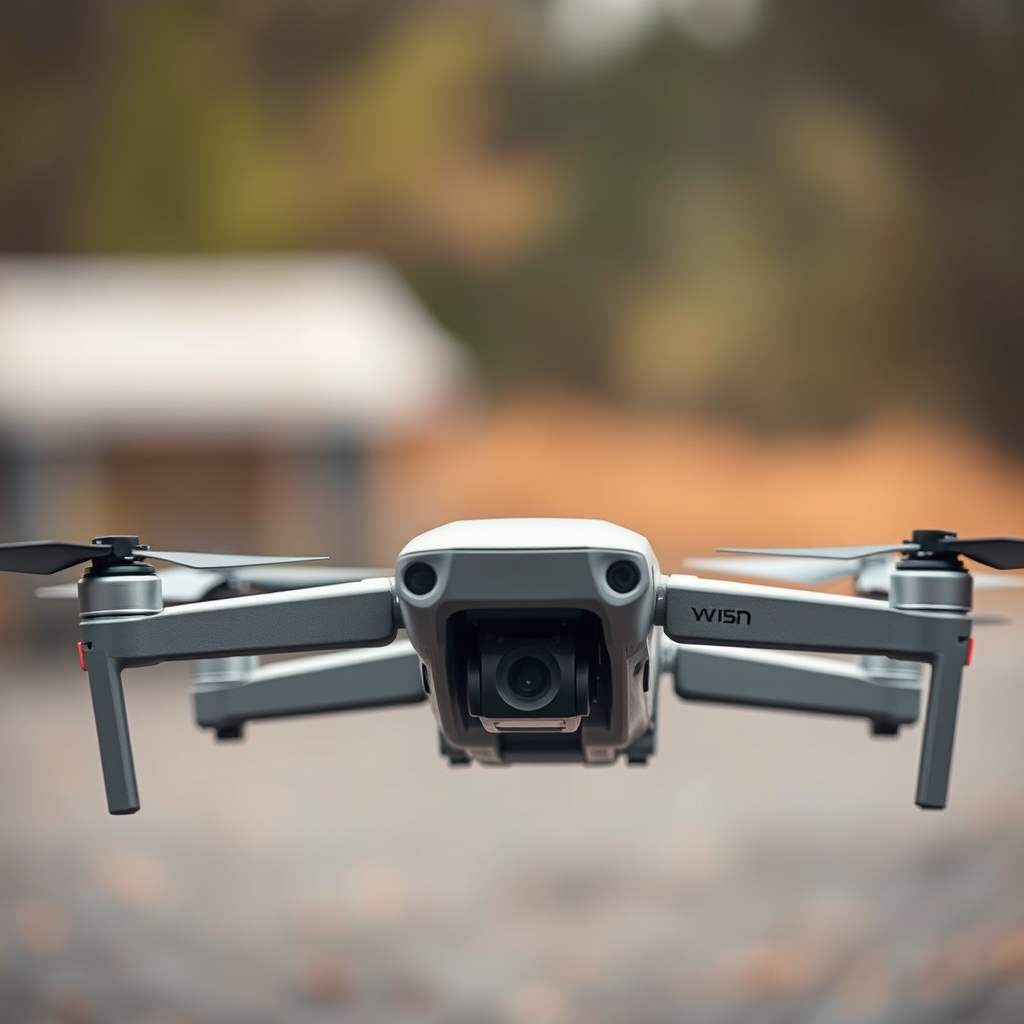
– Quadcopters: These are perhaps the most recognized form of drone, featuring four rotors that provide stability and ease of control for aerial navigation on Earth. Their ability to hover and perform agile maneuvers makes them suitable for applications ranging from photography to surveying. However, their reliance on atmospheric lift limits their functionality in space.
– Fixed-Wing Drones: These drones are designed for longer distances and greater efficiency, typically used in agricultural monitoring, mapping, and surveillance. They rely on wings to generate lift, similar to conventional aircraft. Like quadcopters, they require an atmosphere for lift and thus cannot operate in the vacuum of space.
While these drones excel in their respective environments on Earth, their designs are fundamentally incompatible with the conditions found in space, prompting the need for innovative alternatives that can withstand the harsh realities of outer space.
Space Exploration Technologies
The advancement of drone-like technologies for space exploration is exemplified by NASA’s Mars Helicopter, Ingenuity. This small rotorcraft has successfully demonstrated powered flight in the thin atmosphere of Mars, which is about 1% the density of Earth’s atmosphere. Ingenuity’s success marks a significant milestone in aerospace engineering and opens the door to the potential use of drones for aerial exploration on other planets.
The innovations behind Ingenuity include specially designed rotor blades that are longer and spin at higher speeds compared to traditional drones on Earth. These adaptations allow the helicopter to generate enough lift in the Martian atmosphere, showcasing that with the right design, drones can be viable for extraterrestrial exploration. Such advancements not only highlight the technical challenges overcome but also set a precedent for future missions to other celestial bodies, where atmospheric conditions may vary dramatically.
Challenges of Operating Drones in Space
Operating drones in space presents a multitude of challenges, primarily stemming from the lack of an atmosphere. Traditional drones cannot generate lift without air, necessitating a complete rethinking of their design and functionality. Furthermore, space environments pose additional obstacles, including extreme temperatures, radiation, and micrometeoroid impacts that can damage sensitive equipment.
The harsh conditions of space require drones to be built with materials that can withstand intense cold and heat cycles, along with radiation shielding to protect electronic components. Additionally, the function of navigation and communication systems must be adapted to account for the vast distances involved in space travel, where delays in signal transmission can complicate control operations.
Potential Applications of Space Drones
The exploration of space using drone-like technology could revolutionize our understanding of other planets and moons. For instance, autonomous drones could be deployed for the exploration of environments that are too hazardous for human astronauts. These drones could gather critical data about surface conditions, geological formations, and even atmospheric compositions, providing valuable insights into the potential for life and the suitability for future human colonization.
Moreover, drones can assist in mapping and surveying large areas of uncharted territories. This capability is particularly useful on planets like Mars or icy moons such as Europa, where conditions are unpredictable and potentially dangerous. Drones equipped with advanced sensors and imaging technology could facilitate the collection of data at a fraction of the cost and risk compared to sending humans into these environments.
Future of Drones in Space Exploration
The future of drones in space exploration is promising, with ongoing research aimed at developing vehicles that can navigate low-gravity environments. Engineers and scientists are exploring various propulsion systems, including electric propulsion and hybrid models that combine different technologies for improved efficiency and adaptability.
Collaborations between aerospace engineers and drone manufacturers will be crucial in creating new designs that leverage advancements in materials science, artificial intelligence, and robotics. These partnerships can lead to innovative solutions that enhance the capabilities of drones, making them more versatile for various mission profiles in space exploration.
As we continue to push the boundaries of our understanding of the universe, the role of drone technology is likely to expand. The potential for drones to conduct autonomous missions, gather critical data, and explore inhospitable environments could significantly enhance our ability to study other celestial bodies.
In summary, while traditional drones are not equipped to fly in space due to their reliance on atmospheric conditions for lift, the future holds exciting possibilities for specialized drone technologies. Through innovative designs and collaborative efforts in aerospace engineering, we may soon see the advent of drone-like devices capable of assisting in the exploration of our solar system and beyond. As advancements continue in this field, the potential for aerial exploration will extend beyond our planet, offering new insights into the mysteries of the universe.
Frequently Asked Questions
Can drones operate in space like they do on Earth?
No, drones cannot operate in space in the same way they do on Earth due to the lack of atmosphere. Drones rely on propellers to generate lift, which requires air. In the vacuum of space, there is no air for the propellers to push against, rendering traditional drones ineffective.
What are the main challenges of flying drones in space?
The primary challenges of flying drones in space include the absence of an atmosphere, extreme temperatures, and high radiation levels. Without air, drones cannot generate lift, and the harsh conditions can damage electronic components and materials used in conventional drones. Therefore, specialized designs are necessary for space exploration, often resembling robotic spacecraft rather than traditional drones.
How do space exploration vehicles differ from drones?
Space exploration vehicles, such as rovers and spacecraft, are designed specifically for the challenges of space. Unlike drones, which use rotors for lift within an atmosphere, these vehicles often utilize wheels or propulsion systems that do not rely on air. They are equipped with advanced technology to navigate, communicate, and perform scientific experiments in the harsh environment of space.
Why are drones not used for space exploration?
Drones are not used for space exploration primarily because they depend on an atmosphere to function. The lack of atmospheric pressure in space means that traditional rotor systems cannot operate. Instead, space agencies use other technologies, such as rovers and orbiters, which are better suited for the conditions encountered beyond Earth.
Which types of UAVs (Unmanned Aerial Vehicles) are suitable for use in space exploration?
While traditional drones are unsuitable for space, specialized unmanned aerial vehicles like the Mars Helicopter, Ingenuity, have been designed to operate in thin atmospheres. These vehicles are equipped with larger rotor blades and lightweight materials to enable flight in low-density environments. They are engineered to withstand extreme temperatures and radiation, making them ideal for exploration missions on other planets or moons.
