
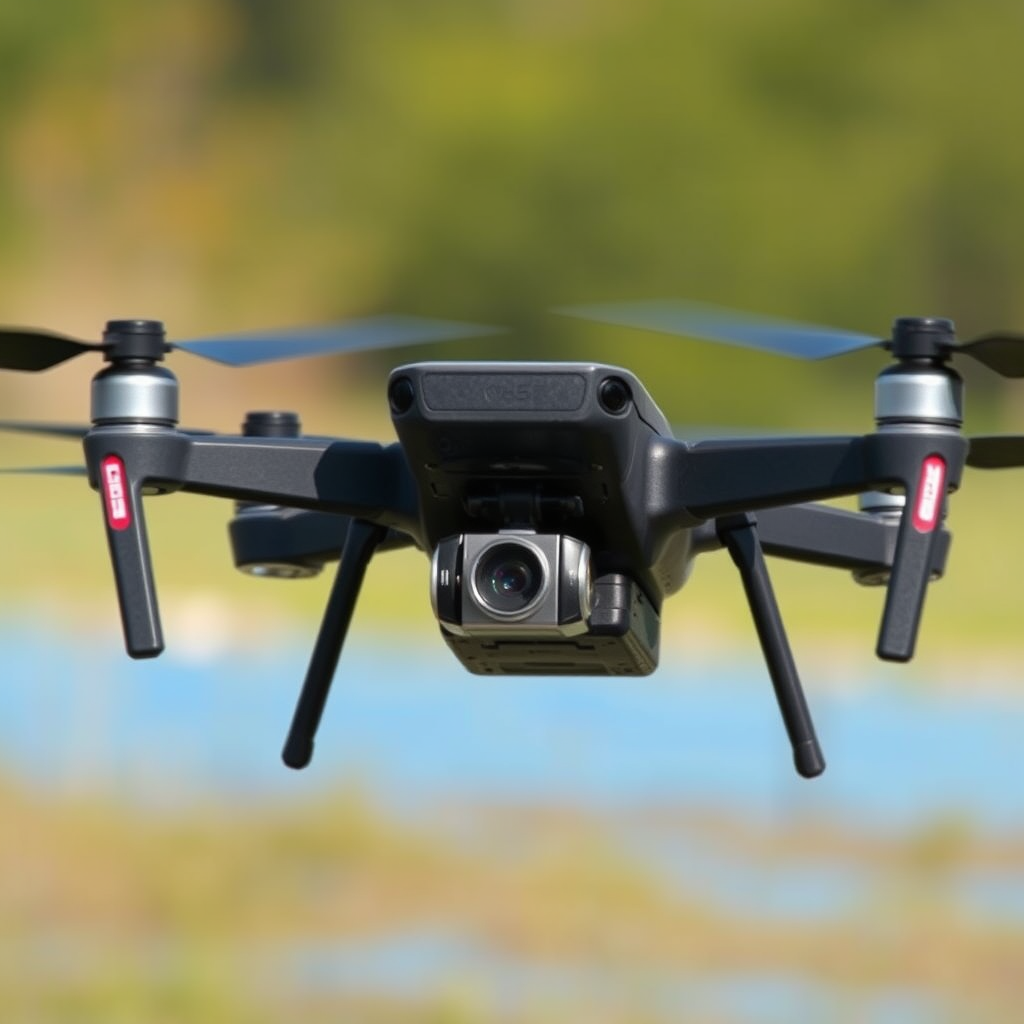
Yes, drones can fly in strong winds, but it depends on the drone’s design, weight, and the wind speed. Certain models are built to handle gusty conditions better than others. Understanding how wind affects drone performance is crucial for safe operation, especially for those who use drones for professional purposes, such as aerial photography, surveying, or inspections. This article explores the dynamics of wind resistance in drones, the factors affecting their performance in windy weather, and the safety measures and regulations that should be adhered to when flying in these conditions.
Understanding Wind Resistance in Drones
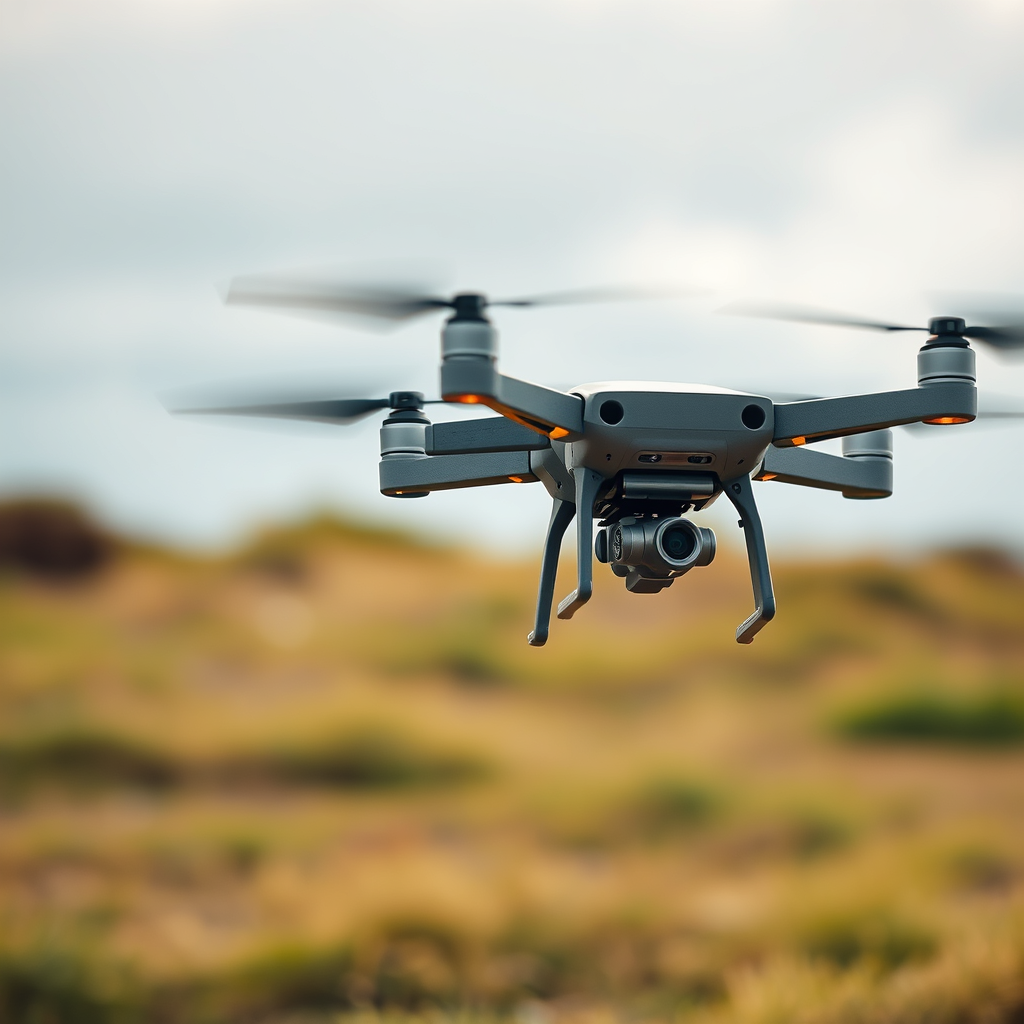
Drones are equipped with various aerodynamic features that enable them to manage wind resistance effectively. The design of a drone, including its shape, propeller configuration, and material composition, plays a crucial role in how well it can withstand windy conditions. For instance, drones with a streamlined silhouette tend to slice through the air more efficiently, reducing the impact of wind forces.
The weight and size of the drone also significantly influence its wind tolerance. Heavier drones generally have a better chance of remaining stable in strong winds compared to lighter models. This is due in part to inertia; a heavier drone is less susceptible to being tossed around by gusts. Conversely, lightweight consumer drones, while often more portable and easier to handle, can struggle in windy environments, making them less suitable for use in adverse conditions. Thus, when selecting a drone, it’s essential to consider its intended use and the typical weather conditions it will encounter.
Factors Affecting Drone Performance in Wind
When it comes to flying drones in strong winds, several factors come into play.
Wind Speed: Each drone model has a specific threshold for safe operation in windy conditions. Generally, consumer drones are limited to wind speeds of around 15 to 20 mph, while professional models can often handle winds of 25 mph or more. For example, the DJI Matrice 300 RTK is designed for robust outdoor use and can operate in wind speeds of up to 30 mph, making it suitable for various demanding applications.
Wind Direction: The direction of the wind also affects drone stability. Crosswinds—winds blowing perpendicular to the direction of flight—can be particularly challenging, as they can push the drone off course. In contrast, headwinds (blowing directly against the drone) can slow the drone down, while tailwinds (blowing in the same direction) can enhance speed but might lead to instability when the drone changes direction. Pilots must consider these directional factors and adjust their flight path accordingly to maintain control.
Types of Drones and Their Wind Tolerance
The design and purpose of a drone significantly dictate its wind tolerance.
Consumer Drones: These drones are typically designed for recreational use and often have lower wind tolerance. Models such as the DJI Mini series, though compact and user-friendly, are vulnerable to strong gusts, making them less ideal for flying in windy conditions. Their lightweight construction and smaller rotor diameter contribute to this limitation.
Professional Drones: In contrast, professional drones are engineered for stability and can handle a wider range of environmental conditions. Drones like the DJI Inspire 2 or the Autel Robotics EVO Lite are built with larger frames and more powerful motors, allowing them to maintain stability and control even in stronger winds. These drones often come equipped with advanced stabilization technologies, such as GPS and inertial measurement units (IMUs), which help pilots maintain control and execute precise maneuvers despite challenging weather conditions.
Safety Measures When Flying in Windy Conditions
Flying drones in windy conditions requires careful planning and safety measures to mitigate risks.
Monitor Weather Forecasts: Always check local weather conditions before flying. Weather apps and services can provide real-time updates on wind speed and direction, helping you make informed decisions about whether it is safe to fly.
Utilize GPS and Stabilization Features: Many modern drones come equipped with GPS and stabilization technologies that can assist in maintaining control during windy flights. Engaging these features can enhance stability and assist in navigation, especially in unpredictable gusts. Furthermore, having a good understanding of your drone’s capabilities can help you make better flying decisions in challenging conditions.
Tips for Flying Drones in Strong Winds
To maximize safety and performance when flying drones in strong winds, consider the following tips:
Fly at Lower Altitudes: Wind speeds tend to decrease closer to the ground. By flying at lower altitudes, you may encounter calmer air and reduce the impact of strong winds on your drone.
Avoid Sudden Maneuvers: Quick or abrupt movements can destabilize the drone, especially in windy conditions. Instead, aim for smooth, gradual changes in altitude and direction to maintain control and stability. Practicing in controlled environments can help develop skills for handling your drone effectively in windy conditions.
Legal Regulations Surrounding Drone Flight in Windy Weather
Understanding the legal regulations concerning drone flight in adverse weather conditions is crucial for compliance and safety.
Local Regulations: Different regions may have specific rules regarding drone operation in windy or adverse weather. Always familiarize yourself with local laws and guidelines to avoid penalties and ensure safe flying practices.
Area Restrictions: Certain areas may impose additional restrictions on drone flights due to safety concerns, particularly in regions prone to high winds or adverse weather conditions. It is essential to be aware of these restrictions, as flying in restricted areas can lead to legal repercussions.
In conclusion, while drones can operate in strong winds, it is crucial to know the limitations of your specific model and the safety measures to take. Factors such as wind speed, direction, and drone type significantly impact performance and safety. Always prioritize safety, check weather conditions, and adhere to local regulations before taking to the skies. With the right knowledge and preparation, you can enjoy safe and responsible drone flying even in less-than-ideal weather conditions. Happy flying!
Frequently Asked Questions
Can drones fly in strong winds?
Yes, drones can technically fly in strong winds, but their performance and stability may be compromised. Most consumer drones have a maximum wind resistance rating, typically between 15 to 25 mph. Flying in winds exceeding this limit can lead to loss of control, reduced battery life, and increased risk of crashes. Always check your drone’s specifications and local weather conditions before flying.
What are the risks of flying a drone in windy conditions?
Flying a drone in windy conditions poses several risks, including difficulty in maintaining control, unexpected altitude changes, and potential damage to the drone. Strong winds can push the drone off course, making it challenging to return to the takeoff point, especially if the drone is small and lightweight. Additionally, high winds can affect the drone’s camera stability, resulting in blurry images or video footage.
How can I determine if it’s too windy to fly my drone?
To determine if it’s too windy to fly your drone, check the local weather forecast for wind speeds and gusts. As a general rule, if the sustained winds are above 15 mph or if gusts exceed your drone’s maximum wind resistance, it’s best to postpone your flight. You can also observe the environment; if trees and other structures are swaying significantly or if flying debris is present, it’s an indication that conditions may not be safe for flying.
What can I do to improve my drone’s performance in windy conditions?
To improve your drone’s performance in windy conditions, consider flying a drone designed for such environments, as some models have better stabilization and wind resistance features. Additionally, flying at lower altitudes can help mitigate wind effects and using the “sport mode” can provide more responsive controls. Always maintain a steady hand on the controls and be prepared to adjust your flight path to counteract the wind.
Which drones are best for flying in windy weather?
Drones that are best for flying in windy weather typically have robust designs, powerful motors, and advanced stabilization technology. Models like the DJI Mavic Air 2, DJI Phantom 4, and the Autel Robotics EVO Lite are known for their wind resistance capabilities. When choosing a drone for windy conditions, always look for specifications that highlight maximum wind resistance and flight stability features to ensure safe flying experiences.
References
- https://www.nasa.gov/mission_pages/landsat/news/landsat-8-strong-wind.html
- https://www.faa.gov/uas/
- https://www.bbc.com/news/technology-32803291
- https://www.researchgate.net/publication/323456789_The_Impact_of_Wind_on_Drone_Flight
- https://www.sae.org/publications/technical-papers/content/2019-01-1540/
- https://www.aeronautics.nasa.gov/
- https://www.sciencedirect.com/science/article/pii/S2352864819301679
- https://www.theguardian.com/technology/2020/jan/22/drones-wind-weather-conditions
- https://www.nap.edu/catalog/23430/drones-and-the-future-of-flying
- https://www.wired.com/story/drone-wind-conditions/
