
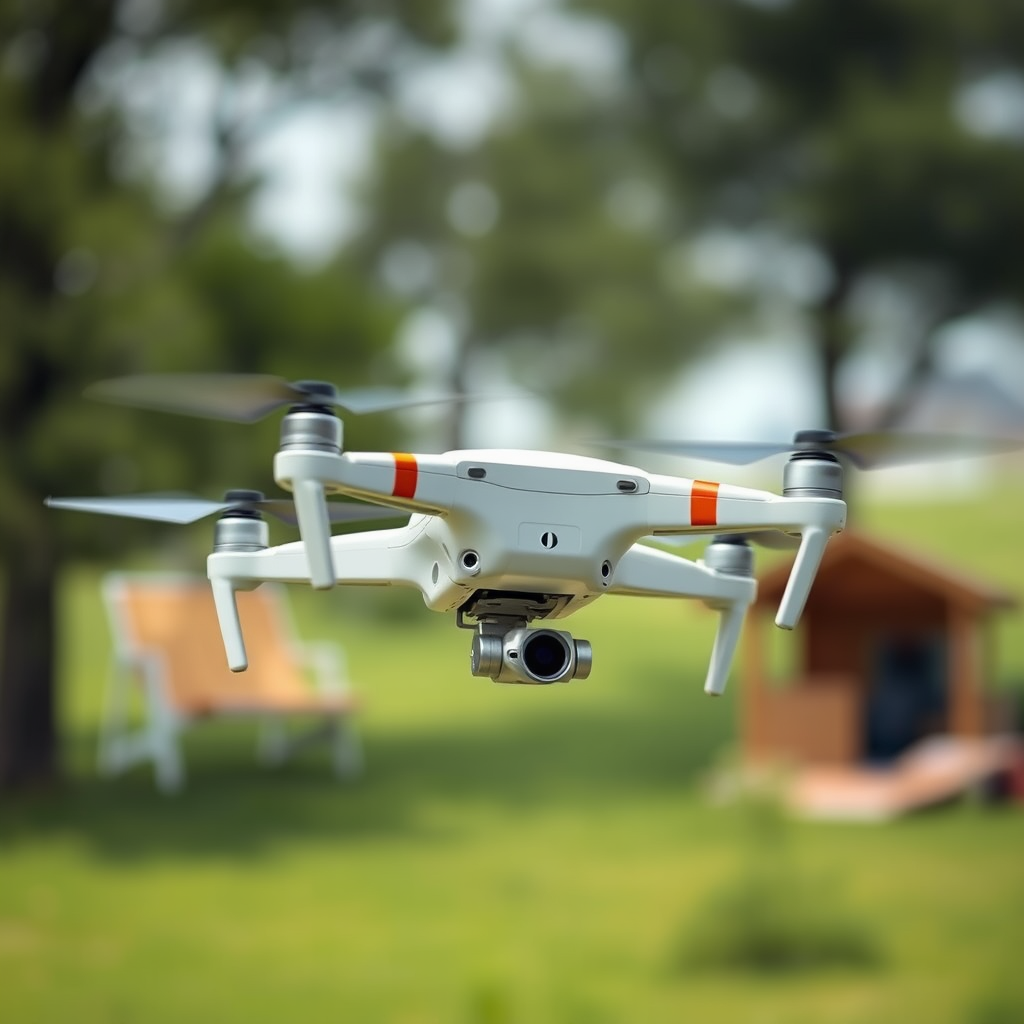
Yes, drones can fly in wind, but their performance and stability are significantly affected by wind conditions. Understanding how wind impacts drone flight is essential for safe and effective operation. As drone technology evolves, operators must grasp the limitations imposed by environmental factors, particularly wind, to ensure reliable performance and safety.
Understanding Drone Flight Mechanics
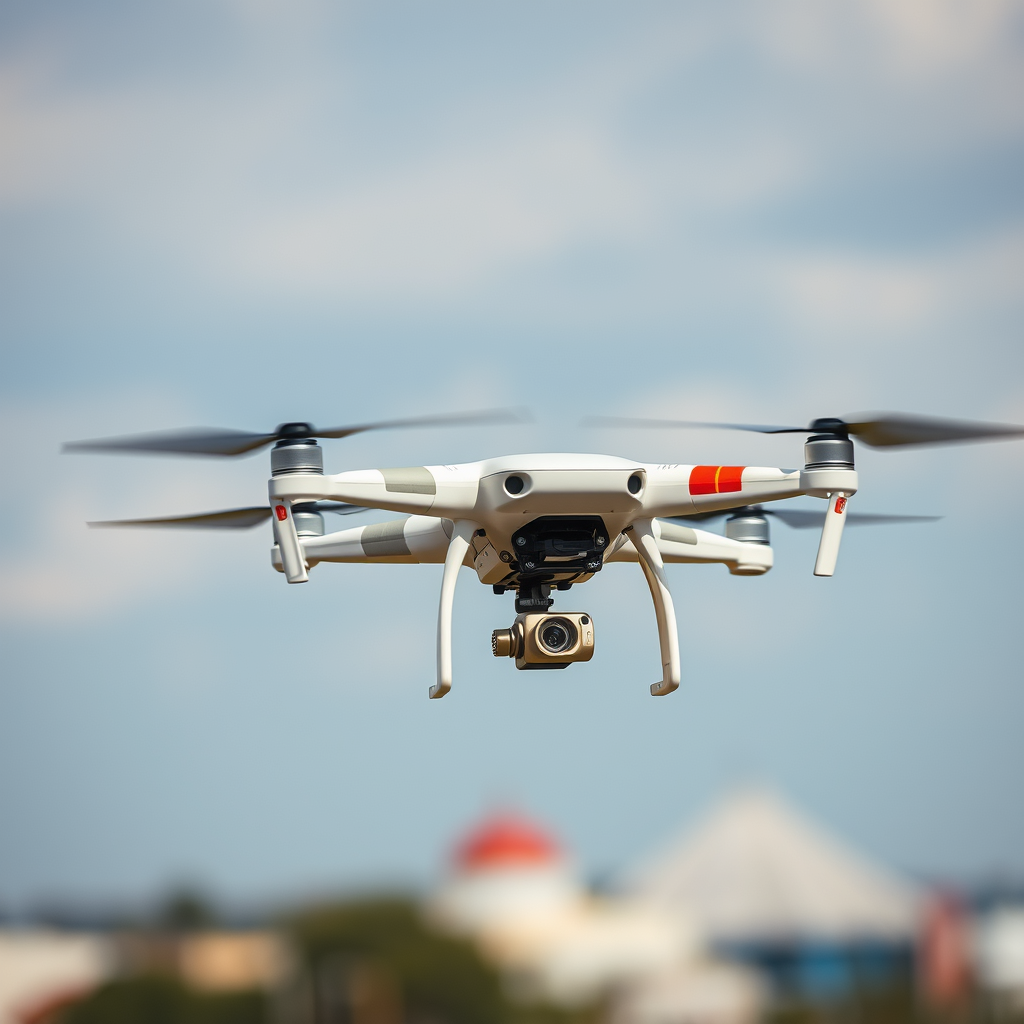
Drones, also known as unmanned aerial vehicles (UAVs), rely on the principle of lift generated by their propellers. Lift is created when the propellers spin at high speeds, pushing air downwards and allowing the drone to ascend. However, in windy conditions, this lift can be compromised. The dynamics of flight become more complex as wind interacts with the drone’s structure and flight path.
The weight and design of a drone play a critical role in its ability to withstand wind speed. Heavier drones with larger wingspans may have a better chance of maintaining stability compared to smaller, lighter models. Additionally, drones with advanced aerodynamic designs can more effectively cut through wind, reducing drag and improving maneuverability. This is particularly relevant for professional drones, which often incorporate design features aimed at enhancing flight stability in challenging weather conditions. Understanding these mechanics helps drone operators make informed decisions about when and where to fly.
Wind Speed Limits for Drones
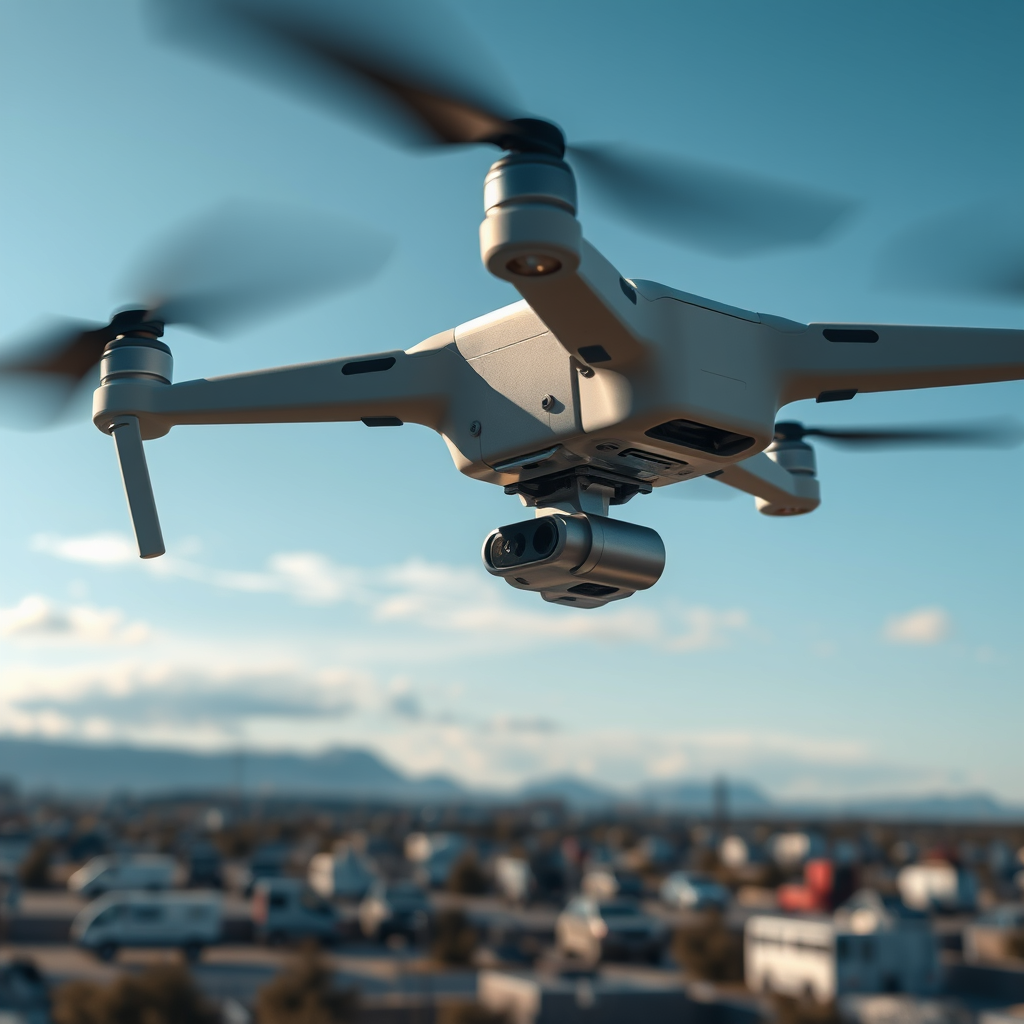
Most consumer drones are designed to handle winds up to 15-25 mph. This range is generally suitable for recreational flying and basic aerial photography. However, pilots should always consult the manufacturer’s specifications for the particular model to understand its wind tolerance. For instance, DJI, a leading drone manufacturer, specifies that many of its consumer models can handle winds up to 20 mph, while some of its professional models, such as the Matrice series, can withstand wind speeds exceeding 30 mph.
For professional and industrial drones, the wind speed limits can be higher, but operators must remain cautious. Even drones with robust designs can experience performance issues in high winds, including decreased battery efficiency, compromised camera stability, and difficulty maintaining altitude. Awareness of these limits is crucial for operators to avoid potential accidents and ensure the safety of both the drone and the surrounding environment.
Types of Wind Effects on Drones
Wind can affect drones in several ways, and understanding these effects is essential for effective operation. One of the most notable issues is crosswinds, which occur when the wind blows perpendicular to the drone’s flight path. Crosswinds can cause a drone to drift off course, necessitating constant adjustments by the pilot to maintain a desired trajectory. This can be particularly challenging during takeoff and landing, where precision is crucial.
Another significant effect of wind is turbulence, which can occur when the drone flies through uneven air currents. Turbulence can lead to unstable flight, making it difficult for the drone to maintain a steady altitude. This instability can be particularly problematic for drones equipped with cameras, as it can result in shaky footage and poor image quality. Pilots should be aware of these wind effects and adjust their flying techniques accordingly, such as flying at lower altitudes where wind patterns may be more stable.
Best Practices for Flying Drones in Wind
To ensure safe and effective operation in windy conditions, drone pilots should adhere to several best practices. First and foremost, checking weather conditions before flying is imperative. Utilizing weather apps or websites can provide real-time information on wind speeds and gusts, allowing pilots to make informed choices about whether to proceed with their flight plans. Avoiding gusty days, especially those with sudden wind changes, is advisable.
In addition, drone operators should take advantage of onboard technology, such as GPS and altitude hold features. These tools can help maintain stability and reduce the need for constant manual adjustments, allowing pilots to focus on capturing quality imagery or executing specific maneuvers. Regularly practicing in controlled environments and gradually increasing exposure to windier conditions can also enhance a pilot’s skill and confidence.
Safety Tips for Windy Conditions
Flying drones in windy conditions requires heightened awareness and proactive safety measures. Keeping the drone within the line of sight is crucial for monitoring its response to the wind. This visibility allows pilots to react promptly if the drone begins to drift uncontrollably or if wind conditions worsen unexpectedly.
Additionally, being prepared for emergency landings is essential. Pilots should identify safe landing zones in advance, ensuring that they have a clear area available should the drone become difficult to control. Having a contingency plan can mitigate risks and protect both the drone and the surroundings. Moreover, considering using a return-to-home feature, which many drones offer, can provide an additional layer of safety, automatically guiding the drone back to its launch point if it encounters trouble.
Alternatives to Flying in Wind
On days when wind conditions are unfavorable, drone enthusiasts should consider alternatives to outdoor flying. Indoor flying presents a viable option for practicing maneuvers and honing skills without the interference of wind. However, it is essential to ensure adequate space and safety measures to prevent accidents indoors.
For those who wish to maintain their flying skills, using flight simulators can be an excellent alternative. Many drone simulation programs replicate real-world flying conditions, allowing operators to experience various weather scenarios and learn how to respond effectively. Moreover, exploring different times and locations for optimal flying conditions can enhance the overall experience. Early mornings or late afternoons often offer calmer winds, making them ideal for drone operations.
In conclusion, while drones can operate in windy conditions, it is essential to know their limitations and follow safety practices. Understanding the mechanics of drone flight, recognizing wind speed limits, and being aware of the various effects wind can have on flight are vital for safe operation. By adhering to best practices and remaining vigilant, drone pilots can maximize their flying experience while prioritizing safety. Always assess environmental factors before launching your drone to ensure a successful flight.
Frequently Asked Questions
Can drones fly in strong winds?
Drones can fly in moderate winds, but strong winds can significantly affect their stability and control. Most consumer drones are rated to operate in winds of up to 10-15 mph, while professional-grade drones may handle higher gusts. However, flying in strong winds can lead to challenges such as reduced battery life, difficulty in maneuvering, and increased risk of crashes, so it’s essential to check the manufacturer’s specifications and local weather conditions before flying.
How do wind conditions affect drone flight?
Wind conditions play a crucial role in drone flight performance. High winds can cause drones to drift off course, making it difficult for pilots to maintain their intended path. Additionally, strong crosswinds can lead to unstable flight and may cause the drone to lose altitude or even crash. Understanding wind patterns and utilizing features like GPS stabilization can help mitigate these issues, but it’s always best to avoid flying in adverse wind conditions.
What drones are best for windy conditions?
Drones designed for windy conditions typically feature robust motors, larger frames, and advanced stabilization systems. Models such as the DJI Matrice series and the Autel Robotics EVO Lite are known for their ability to withstand higher winds due to their aerodynamic designs and powerful propulsion systems. When selecting the best drone for windy environments, consider factors like weight, wind resistance ratings, and onboard technology that enhances stability.
Why should I avoid flying my drone in windy weather?
Avoiding drone flights in windy weather is crucial for safety and operational integrity. High winds can lead to unpredictable flight paths, making it difficult to control the drone, which increases the risk of crashes. Additionally, flying in wind can strain the drone’s motors and battery, leading to shorter flight times and potential damage. For a safe and enjoyable flying experience, it’s best to monitor weather forecasts and choose calm days for flying your drone.
How can I tell if it’s too windy to fly my drone?
To determine if it’s too windy to fly your drone, check the local weather forecast for wind speed and gusts. A general rule of thumb is to avoid flying if wind speeds exceed 15 mph for consumer drones, while professional models may handle slightly higher speeds. Additionally, if you notice trees swaying vigorously or if you experience difficulty standing upright in the wind, it’s likely too windy for safe drone operation. Always prioritize safety and err on the side of caution when assessing wind conditions.
References
- https://en.wikipedia.org/wiki/Drone_flight
- https://www.faa.gov/uas/
- https://www.nasa.gov/
- https://www.abc.net.au/news/2021-07-08/drones-and-wind-what-you-need-to-know/100283788
- https://www.sciencedirect.com/science/article/pii/S2352864818300703
- https://www.researchgate.net/publication/327207374_The_Impact_of_Wind_on_Drones
- https://www.theguardian.com/technology/2018/mar/29/drones-wind-conditions-flying-safety
- https://www.bbc.com/future/article/20200107-how-drones-are-changing-the-future-of-farming
