
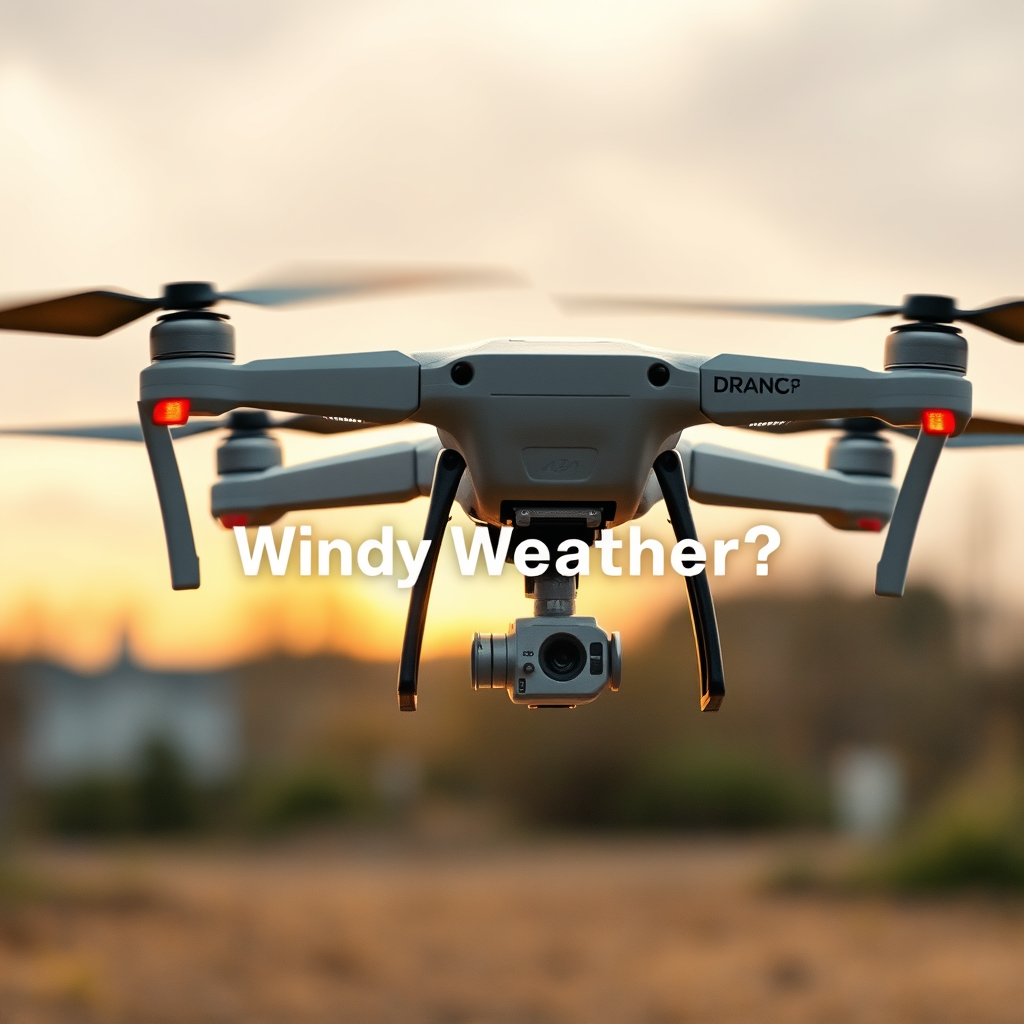
Drones can fly in windy weather, but their performance and safety can be significantly affected by wind speed and conditions. Understanding these factors is crucial for effective and safe drone operation. As drone enthusiasts and professionals alike venture into various environments, recognizing how wind interacts with drone flight becomes essential to maintaining control and ensuring safety during operations.
Understanding Wind Conditions

Wind conditions play a pivotal role in drone stability and control. Wind can be classified into different speeds, typically measured in miles per hour (mph) or meters per second (m/s). Light winds, usually up to 10 mph, are generally manageable for most drones. However, as wind speeds increase, especially beyond 15 mph, drones can experience noticeable instability. Gusts, which are sudden, brief increases in wind speed, can be particularly problematic. These unpredictable shifts can cause a drone to veer off course, making it challenging for the operator to maintain a steady flight path.
Moreover, the wind’s direction relative to the drone’s flight path is a critical consideration. For instance, headwinds can slow a drone’s forward motion, requiring more power for propulsion and increasing battery consumption. Conversely, tailwinds can aid in speeding up the drone, but they may also lead to difficulties in controlling descent or landing. Crosswinds can further complicate matters, causing unexpected lateral movements that can be alarming for inexperienced pilots. Understanding these dynamics is essential for anticipating how a drone will respond to varying wind conditions.
Drone Specifications and Limitations
Not all drones are created equal when it comes to wind resistance. Manufacturers often provide specifications detailing the wind tolerance for their models. For example, consumer-grade drones might operate effectively in winds up to 15 mph, while professional-grade drones, such as those used for aerial photography or surveying, can handle winds exceeding 25 mph. This variance in capability stems from several factors, including the drone’s size, weight, and design.
Smaller drones, often more lightweight and compact for portability, are generally more susceptible to wind than their larger counterparts. A drone weighing less than two pounds may be easily tossed around by gusts, while a heavier drone, like those used in commercial applications, can maintain stability due to its mass and aerodynamic design. When selecting a drone for operations in windy conditions, it is essential to consider these specifications to ensure optimal performance and safety.
Safety Precautions for Flying in Wind
Safety should always be a top priority when flying drones in windy conditions. Before any flight, it is imperative to check weather forecasts and wind advisories. Websites and apps providing real-time weather updates can be invaluable resources for drone operators. If forecasts indicate sustained winds above the drone’s specified tolerance, it is advisable to postpone the flight.
In addition to pre-flight checks, utilizing GPS features and advanced stabilization systems can enhance control in windy conditions. Many modern drones are equipped with GPS-based features that assist in maintaining a steady position even in variable wind scenarios. This technology can minimize the impact of wind by making real-time adjustments to the drone’s flight path. Operators should familiarize themselves with these features and understand how they can aid in flight stability under challenging conditions.
Techniques for Flying Drones in Wind
When it becomes necessary to fly in windy conditions, certain techniques can improve a drone’s performance and control. One effective strategy is to adjust flight altitude. Flying at a higher elevation can sometimes reduce the impact of ground-level winds, which tend to be gustier due to terrain and structures. For instance, flying at an altitude of 200 feet may provide a smoother experience than remaining close to the ground, where turbulence is more pronounced.
Additionally, using manual controls instead of relying solely on automatic settings can enhance a pilot’s responsiveness to changing wind conditions. Manual piloting allows for quicker adjustments and a more intuitive understanding of how the drone reacts to wind shifts. Experienced pilots often find that honing their manual flying skills in less challenging conditions can significantly improve their ability to handle a drone in windy weather.
Alternatives for Windy Conditions
In scenarios where wind conditions are deemed too hazardous for safe drone operation, it is wise to consider alternatives. Postponing flights during high-wind advisories is the most straightforward approach to ensure safety and protect equipment integrity. Engaging with local weather services or using drone-specific apps can assist in monitoring wind conditions and determining the best times for flight.
Moreover, indoor flying presents an excellent alternative for drone enthusiasts. Many drones are suitable for indoor use, where wind is not a factor. Alternatively, some manufacturers produce wind-resistant drones specifically designed for challenging outdoor conditions. These models often incorporate advanced engineering to minimize the effects of wind, providing a viable option for those who require reliable performance regardless of weather conditions.
Legal and Regulatory Considerations
As with any drone operation, legal and regulatory considerations must be taken into account, especially when flying in windy conditions. Operators need to familiarize themselves with local regulations regarding drone operation, as some jurisdictions impose restrictions on flying drones during severe weather, including high winds. These regulations are often put in place to ensure public safety and the protection of property.
In addition to local laws, operators should also be aware of any airspace restrictions that may exist in their flying area. Certain regions may have designated no-fly zones or require permits for drone operations under specific weather conditions. Staying informed about these regulations not only ensures compliance but also contributes to safer flying practices.
In conclusion, while drones can operate in windy weather, it is essential to consider the wind speed, drone specifications, and safety practices. Understanding wind conditions, selecting the right equipment, and implementing safety measures can make all the difference in successful drone operations. Remember to prioritize safety and be prepared to alter your plans if conditions become too challenging. By adopting these strategies, drone operators can navigate windy weather with confidence and enhance their flying experience.
Frequently Asked Questions
Can drones fly in windy weather safely?
Yes, drones can fly in windy weather, but safety depends on the drone’s design and the wind speed. Most consumer drones can handle wind speeds of up to 10-15 mph, while higher-end models may withstand stronger winds. However, flying in strong gusts can affect stability, control, and battery life, so it’s crucial to assess the conditions and the drone’s specifications before taking off.
What wind speed is too high for flying a drone?
Generally, wind speeds above 15 mph are considered too high for flying most consumer drones. Winds over this threshold can lead to loss of control, difficulty in maneuvering, and possible crashes. Always consult your drone’s manual for specific wind speed recommendations and consider checking local weather reports for gust conditions before flying.
How can I control my drone in windy conditions?
To control your drone in windy conditions, ensure you are familiar with its flight modes and responsiveness. Using GPS mode can help maintain stability, while switching to manual mode allows for more precise control. Additionally, pilots should practice flying in moderate winds and avoid sudden movements to prevent overcorrection, which can lead to crashes.
Why do drones struggle to fly in the wind?
Drones struggle to fly in the wind due to their lightweight design and reliance on aerodynamic lift. High winds can cause significant turbulence, making it difficult for drones to maintain steady flight. Strong gusts can also disrupt GPS signals, leading to potential loss of control. Understanding these factors is essential for safe drone operation in varying weather conditions.
What is the best drone for windy conditions?
The best drones for windy conditions are typically those designed for professional use or equipped with advanced stabilization technology. Models like the DJI Mavic 2 Pro and the DJI Phantom 4 Pro are known for their robust construction and ability to handle higher wind speeds effectively. When selecting a drone, consider features such as weight, aerodynamics, and onboard stabilization systems to enhance performance in windy weather.
References
- https://en.wikipedia.org/wiki/Drone
- https://www.faa.gov/uas/commercial_operators/
- https://www.nasa.gov/centers/langley/news/factsheets/Drone.html
- https://www.cnet.com/tech/mobile/how-wind-affects-drone-flight/
- https://www.dronepilotgroundschool.com/how-wind-affects-drone-flying/
- https://www.sciencedirect.com/science/article/pii/S2096579621000493
