
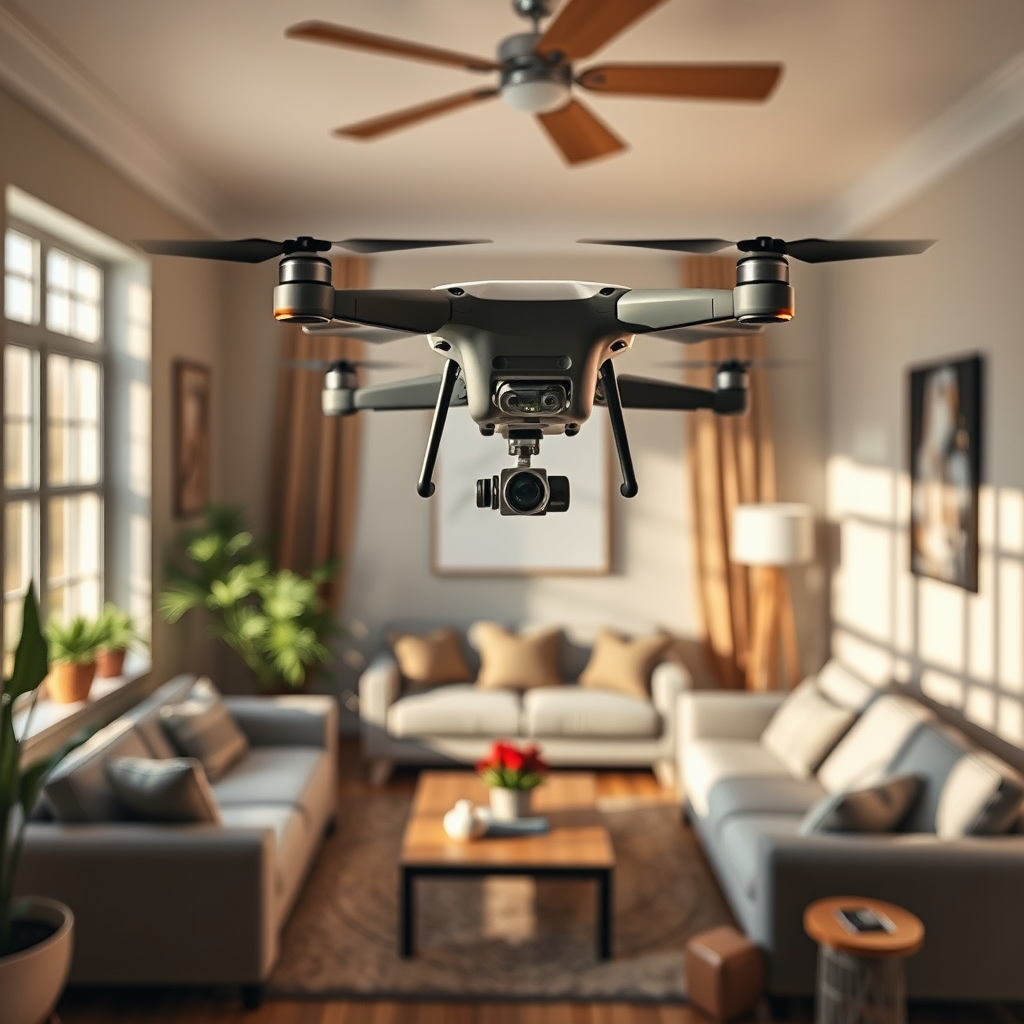
Yes, drones can fly over your house, but there are specific regulations and guidelines that govern where and how they can operate. These regulations are designed to balance the interests of drone operators with the rights of homeowners, particularly concerning privacy and safety. As the use of drones becomes increasingly popular for both recreational and commercial purposes, it is essential to understand the legal framework surrounding their operation to protect your rights and ensure safe practices.
Understanding Drone Regulations
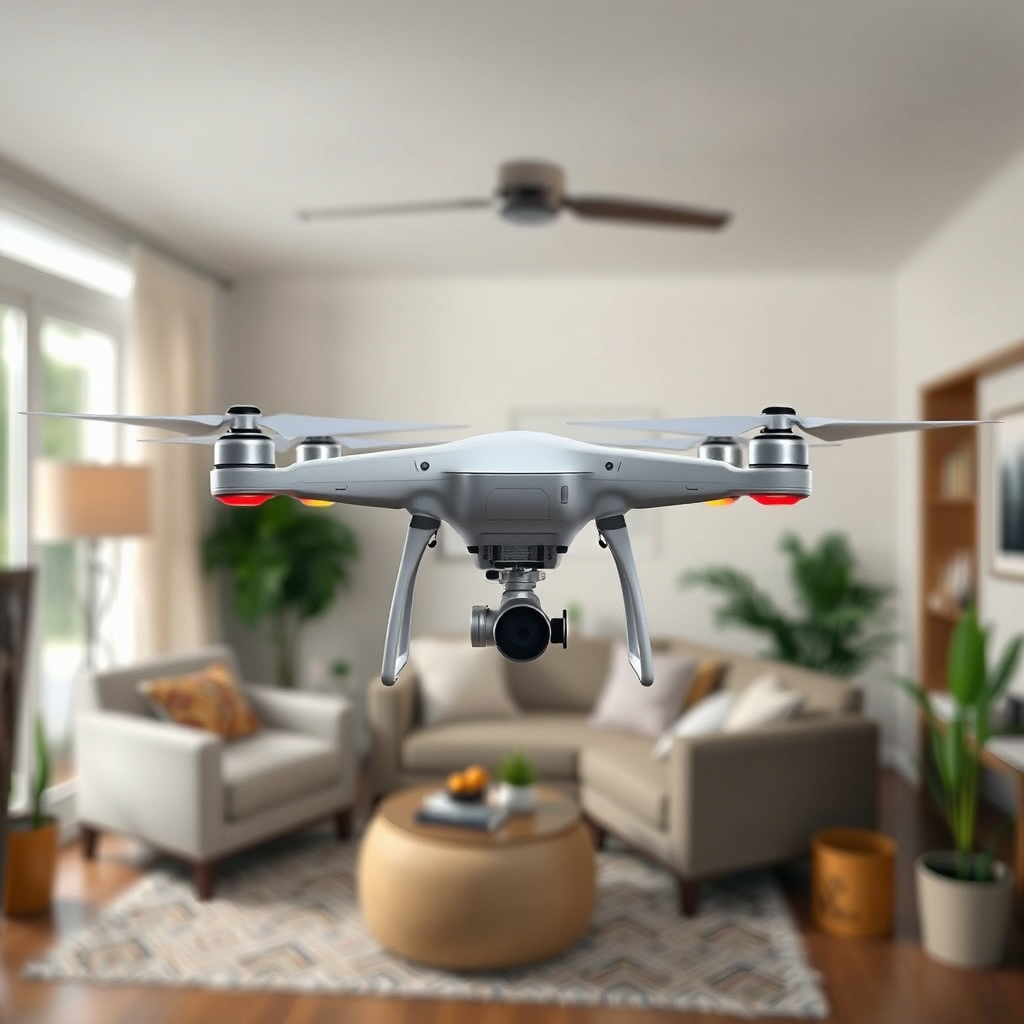
Drones must adhere to the regulations set forth by aviation authorities, such as the Federal Aviation Administration (FAA) in the United States. The FAA’s guidelines stipulate that drone operators must maintain a visual line-of-sight with their drones at all times, ensuring they can see and control their aircraft effectively. This regulation is crucial for minimizing accidents and preventing unauthorized flights into restricted airspace.
Additionally, the FAA has established a maximum altitude for drone flights, typically capped at 400 feet above ground level. This altitude limit is designed to keep drones clear of manned aircraft, which typically fly at higher elevations. Drone operators must also register their drones if they weigh more than 0.55 pounds, ensuring accountability and compliance with federal regulations.
Various states and municipalities may also have their own regulations that complement or enhance FAA rules. For instance, some jurisdictions may require permits for commercial drone use or impose specific restrictions on flying near schools, parks, or other public spaces. Therefore, it is essential for both drone operators and homeowners to familiarize themselves with local laws that may affect where drones can legally fly.
Privacy Concerns
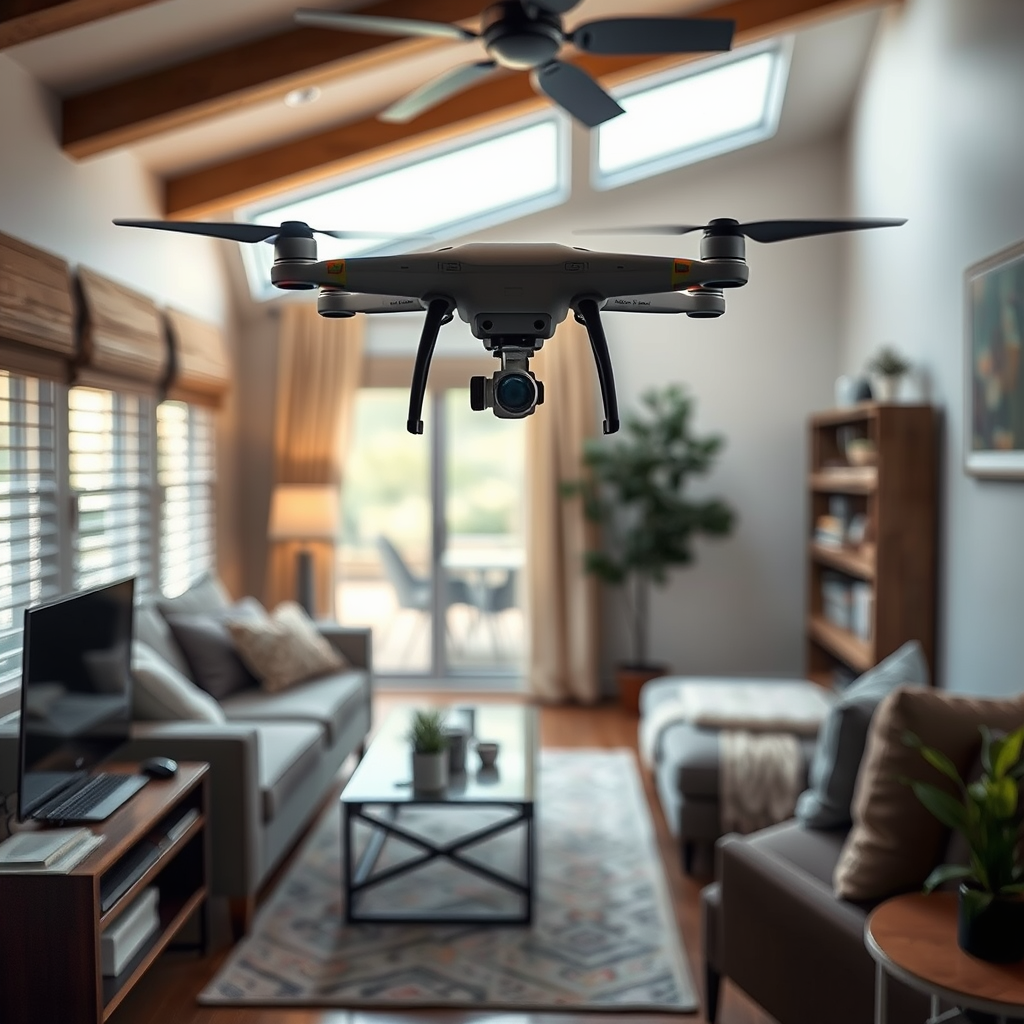
Homeowners may have significant concerns about privacy when drones fly over their properties. The capacity for drones to capture high-resolution images and video means that unauthorized surveillance could occur, leading to potential invasions of privacy. This has raised alarms among various advocacy groups and individuals who fear that drones could be used to monitor their activities without consent.
In response to these concerns, some states have enacted laws addressing drone usage and privacy. For example, California has implemented legislation that prohibits the use of drones for the purpose of surveillance without consent, while other states have placed restrictions on the use of drones near private property. These laws often provide homeowners with legal recourse against drone operators who invade their privacy, emphasizing the importance of understanding the legal landscape related to drone flights.
However, the efficacy of these laws often depends on enforcement, and homeowners may feel powerless if they are unaware of their rights. It is advisable for homeowners to research the specific laws in their state and consider discussing their concerns with local lawmakers to advocate for stronger protections if necessary.
No-Fly Zones
Certain areas are designated as no-fly zones for drones, which are critical for maintaining safety and security. Airports and military bases are prime examples of such restricted areas, where drone flights are strictly prohibited to avoid interference with manned aircraft operations. The FAA provides a comprehensive list of no-fly zones, which drone operators must respect to ensure compliance with federal regulations.
In addition to federally mandated no-fly zones, local regulations may also impose restrictions on flying over specific locations, including residential neighborhoods, schools, and public parks. For instance, some municipalities have enacted ordinances that restrict drone flights at certain times or require operators to obtain permits before flying in densely populated areas. Homeowners should be aware of these local regulations, as they can directly impact the frequency and manner in which drones operate in their vicinity.
Understanding these no-fly zones is not only crucial for drone operators but also for homeowners who may wish to advocate for their neighborhoods. By voicing concerns to local authorities about drone activity and encouraging the establishment of additional restrictions, homeowners can contribute to a safer and more privacy-conscious community.
Safety Guidelines for Drone Operators
For drone operators, adhering to safety guidelines is paramount to prevent accidents and ensure responsible flying. Key best practices include conducting thorough pre-flight checks to verify that the drone is in good working condition, including checking battery levels, ensuring propellers are secure, and confirming that navigation systems are functional. These precautions can significantly reduce the risk of malfunctions during flight.
Furthermore, operators should always fly their drones away from populated areas whenever possible. This not only minimizes the risk of injury to people and property but also helps to alleviate concerns from homeowners regarding privacy and proximity. Operators should also avoid flying in adverse weather conditions, such as heavy rain or strong winds, which can compromise both control and safety.
It is also advisable for drone operators to stay informed about changes in regulations and technological advancements. Participating in local drone clubs or online forums can help operators keep abreast of best practices and share experiences with fellow enthusiasts. By prioritizing safety, drone operators can foster a positive image for the drone community and build trust with homeowners.
Reporting Violations
Homeowners who feel their privacy is infringed upon by unauthorized drone activity have the right to report such violations to local authorities. Understanding the appropriate channels for reporting can empower homeowners to take action effectively. In many cases, this may involve contacting local law enforcement or municipal offices to file a complaint or request an investigation.
When reporting a drone-related incident, it is helpful to provide detailed information, including the time, location, and any identifying features of the drone. If possible, capturing video footage or photographs can also strengthen the case. Homeowners should be aware that enforcement capabilities may vary by jurisdiction, and some areas may have dedicated resources for addressing drone-related concerns.
Additionally, homeowners may wish to engage with community groups or neighborhood associations to discuss shared concerns about drone activity. Collective advocacy can lead to more significant changes and raise awareness of the importance of privacy rights in the context of drone usage.
Best Practices for Homeowners
To protect their privacy and address potential drone-related concerns, homeowners can implement several best practices. One effective measure is installing security cameras around the property, which can help monitor drone activity and serve as a deterrent against unauthorized flights. Many modern security systems now include motion detectors that can alert homeowners to the presence of drones.
Furthermore, familiarizing oneself with local drone laws is crucial for empowering homeowners to take appropriate action if they suspect violations. Resources such as state government websites or local law enforcement agencies can provide valuable information about regulations and enforcement practices in the area.
Homeowners can also engage in open dialogue with their neighbors about drone usage and advocate for community discussions on privacy rights and safety concerns. By fostering a community that values privacy, homeowners can work towards creating a more secure environment for everyone.
In summary, while drones are allowed to fly over private residences, understanding the regulations and your rights as a homeowner is essential. By staying informed about local laws, advocating for privacy rights, and implementing security measures, homeowners can navigate the complexities of drone usage in their neighborhoods while contributing to a safer and more respectful environment.
Frequently Asked Questions
Can drones legally fly over my house?
Yes, drones can legally fly over private property, including your house, as long as the drone operator complies with local regulations and federal laws. In the United States, the Federal Aviation Administration (FAA) allows drones to operate at altitudes under 400 feet and outside of restricted airspace without needing special permission. However, it’s important to check your local laws, as some areas may have specific restrictions regarding drone flights.
How can I find out if a drone is flying over my property?
If you suspect a drone is flying over your property, there are several ways to verify this. You can visually scan the sky for drones, listen for their distinctive buzzing sounds, or use drone detection technology that can identify the signals drones emit. Additionally, some mobile apps allow users to track drone activity in real time, providing insights into whether a drone is operating in your area.
Why do drones fly over residential areas?
Drones may fly over residential areas for a variety of reasons, including aerial photography, surveying land, inspecting infrastructure, or even recreational use. Commercial operators might be conducting projects like real estate photography or mapping, while hobbyists may be flying for fun. Understanding the purpose of drone flights can help alleviate concerns and clarify whether they pose any risk to privacy or safety.
What should I do if a drone is flying over my house frequently?
If you notice a drone flying over your house frequently and feel uncomfortable, the first step is to identify the operator, if possible. You can approach them politely and express your concerns. If the drone is causing a disturbance or violating privacy, you may want to report the situation to local authorities or law enforcement, who can investigate whether any laws are being violated.
Which regulations apply to drones flying over residential areas?
Regulations for drones flying over residential areas can vary significantly by location. In the U.S., the FAA mandates that drones must be flown within the operator’s line of sight and below 400 feet. Some municipalities may have additional rules, such as restrictions on flying over private property without permission or during certain hours. It’s essential to familiarize yourself with both federal and local regulations to ensure compliance and promote safe drone operations in residential neighborhoods.
References
- https://en.wikipedia.org/wiki/Drone_regulations
- https://www.faa.gov/uas/getting_started/
- https://www.nytimes.com/2020/01/22/us/drones-privacy.html
- https://www.bbc.com/news/technology-47938573
- https://www.theguardian.com/us-news/2021/mar/25/drones-privacy-laws-us
- https://www.nolo.com/legal-encyclopedia/drone-law-your-property-rights-29980.html
- https://www.epa.gov/air-research/drones-and-environmental-research
- https://www.cnet.com/news/what-you-need-to-know-about-drone-laws-in-your-state/
