

Yes, drones can legally fly over private property under certain conditions, but it’s essential to understand the regulations that govern such actions. The legality of drone flights over private property is influenced by federal, state, and local laws, as well as the rights of property owners. This article will explore the legal framework, privacy concerns, and best practices for drone use over private lands, ensuring that operators remain compliant and respectful of property rights.
Understanding Drone Regulations
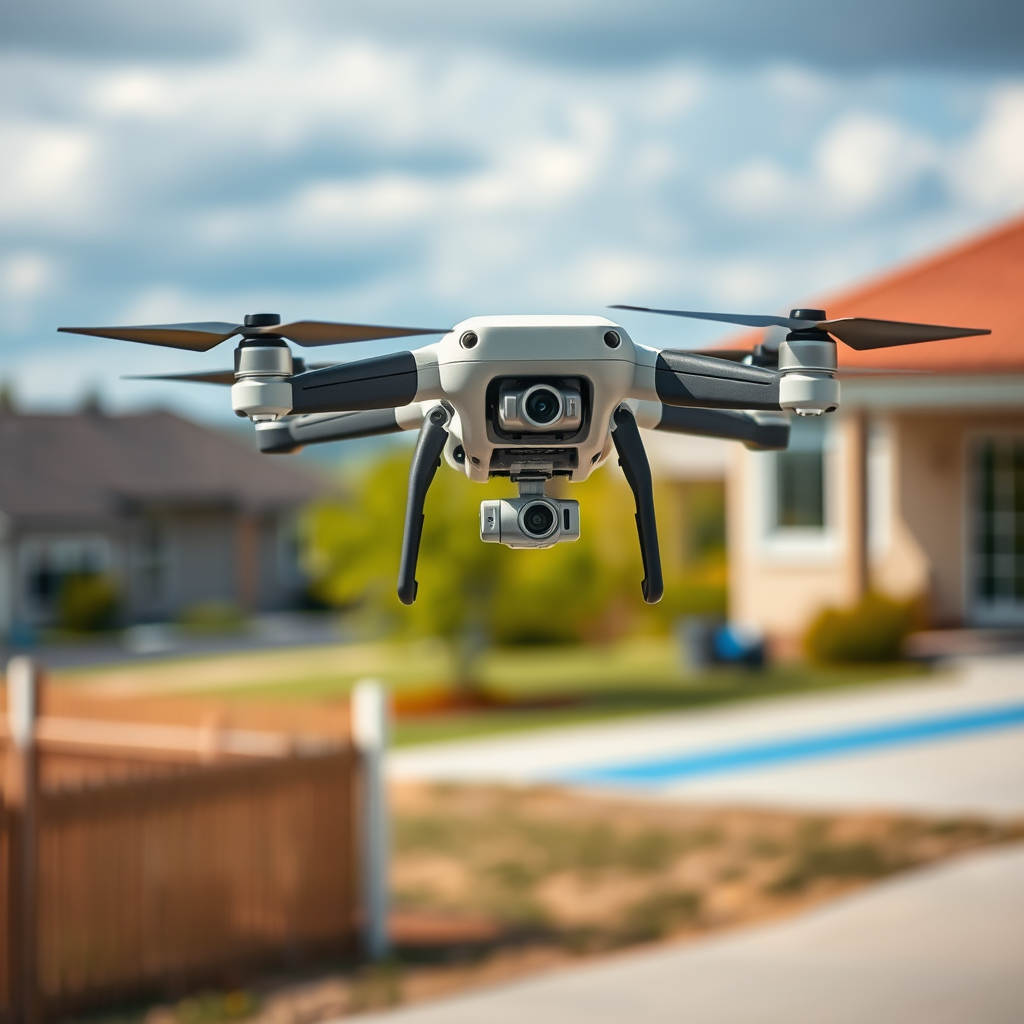
Drones, or unmanned aerial vehicles (UAVs), are subject to regulations set forth primarily by the Federal Aviation Administration (FAA). According to FAA guidelines, drones must operate below 400 feet in controlled airspace, maintain visual line-of-sight, and avoid flying near airports or other designated no-fly zones. These regulations ensure the safety of both the drone operator and the general public.
In addition to federal regulations, local laws can impose additional restrictions on drone flights over private property. For instance, some municipalities may have ordinances that prohibit drone use in densely populated areas or near certain sensitive locations, such as schools and hospitals. Operators should always check local regulations before flying to avoid potential fines or legal issues.
Moreover, the FAA has initiated discussions regarding Remote ID technology, which would require drones to broadcast their identification and location in real-time. This could further impact how drones interact with private properties and the level of accountability for drone operators.
Property Owner Rights
Property owners possess certain rights that can limit drone flights over their land. One of these rights is the right to privacy, which means that property owners can expect a degree of solitude and uninterrupted enjoyment of their property. If a drone is flying over a private property in a manner that intrudes upon this expectation, the operator may be infringing on the property owner’s rights.
In many jurisdictions, trespassing laws can apply to drone flights that encroach upon a property owner’s airspace. While the legal definition of airspace varies, the general consensus is that property owners maintain rights to the airspace above their land up to a certain altitude. For example, if a drone flies lower than that threshold, it may be subject to trespassing claims, and the owner may have legal grounds to take action against the operator.
Understanding these rights is crucial for drone operators, who should be aware that failing to respect property boundaries can lead to legal disputes or damage to their reputation.
Privacy Concerns
The rise of drones equipped with high-resolution cameras has introduced significant privacy concerns for property owners and residents. Drones can capture images or videos of private properties without consent, leading to potential violations of privacy rights. This is especially sensitive in residential areas, where individuals may feel uncomfortable with surveillance from the air.
Ethical considerations must also be taken into account. While drone operators may have the legal right to fly over private property, it is important to weigh the potential discomfort or invasion of privacy that residents may feel. For instance, operators should avoid flying directly over backyards or private spaces where individuals may expect privacy.
Furthermore, drone operators should familiarize themselves with state laws regarding privacy and surveillance. Some states have enacted laws specifically addressing drone use in relation to privacy, which may impose stricter requirements than those set by the FAA.
Best Practices for Drone Operators
To minimize conflicts and ensure compliance with regulations, drone operators should adhere to best practices when flying over private property. Firstly, obtaining permission from property owners before flying over their land is advisable. This can foster a positive relationship and reduce the likelihood of disputes. A simple conversation or notification can go a long way in establishing trust and understanding.
In addition to seeking permission, drone operators should maintain a respectful distance from homes and private spaces. Flying at higher altitudes and avoiding areas directly above residences can help mitigate privacy concerns and reduce the chances of upsetting property owners.
Finally, operators should invest in understanding the local drone community and participate in workshops or training sessions. Many local drone clubs or organizations offer resources for responsible flying and engagement with the community, which can enhance the overall experience for both operators and property owners.
Reporting Violations
In instances where drone flights are perceived as unauthorized or intrusive, understanding how to report violations is essential. Property owners experiencing disturbances from drones can contact local law enforcement or drone regulatory agencies to file a complaint. It’s important for property owners to document the incident, including the time, location, and any identifiable information about the drone and its operator.
For drone operators, familiarizing themselves with the process for addressing disputes related to drone usage is equally vital. This includes understanding local ordinances and the potential legal implications of their actions. Keeping communication open and addressing concerns proactively can help resolve issues before they escalate.
Future of Drone Regulations
The future of drone regulations is an evolving landscape, with ongoing discussions aimed at refining the legal framework surrounding drone usage, especially concerning private property. As technology advances and drone usage becomes more widespread, lawmakers are likely to revisit existing rules to address emerging concerns about safety, privacy, and airspace management.
Operators should stay informed about local and national policy updates to ensure compliance with the latest regulations. Engaging in public forums, following relevant organizations, and participating in community discussions can provide valuable insights into the direction of drone legislation.
In conclusion, while drones can fly over private property, it is vital to respect the legal rights of property owners and adhere to relevant regulations. Understanding the regulatory framework, recognizing property rights, and considering privacy concerns are essential for responsible drone operation. By prioritizing safety and ethical practices, drone operators can foster a respectful relationship with property owners and contribute positively to the growing field of aerial technology.
Frequently Asked Questions
Can drones legally fly over private property?
Yes, drones can legally fly over private property, but there are specific regulations to consider. The Federal Aviation Administration (FAA) allows drone flights in the national airspace, which includes flying over private land, provided the drone operator adheres to FAA guidelines and local laws. However, it’s important for drone operators to respect privacy rights, as flying too low or capturing images in a way that invades privacy could lead to legal issues.
What are the privacy concerns associated with drones flying over private property?
Privacy concerns arise when drones capture images or video of individuals without their consent while flying over private property. Many states have laws that protect individuals from invasive surveillance, which may apply to drone operators. To avoid potential legal problems, drone pilots should be aware of local privacy laws and ensure that they do not infringe on someone’s reasonable expectation of privacy.
How can drone operators avoid conflicts when flying over private property?
To avoid conflicts when flying over private property, drone operators should communicate with property owners before conducting flights. Seeking permission can help establish goodwill and avoid misunderstandings. Additionally, adhering to altitude regulations and avoiding hovering over residential areas can further minimize disputes and ensure a respectful approach to drone use.
Why do some property owners object to drones flying over their land?
Property owners may object to drones flying over their land due to concerns about privacy invasion, safety, and noise disturbances. The perception of being surveilled can lead to feelings of discomfort, as individuals may fear their activities are being monitored. Moreover, some property owners may worry about potential accidents or damage caused by drones flying low over their space.
Which regulations should drone pilots be aware of when flying near private properties?
Drone pilots should be aware of FAA regulations, which include maintaining a minimum altitude of 400 feet and not flying over crowds or moving vehicles. Additionally, local laws and ordinances may impose restrictions on drone operations, such as no-fly zones near airports or private properties. Operators must also respect any applicable state laws regarding privacy and surveillance to ensure compliance and avoid legal troubles.
References
- https://en.wikipedia.org/wiki/Drone#Privacy_and_regulation
- https://www.faa.gov/uas/getting_started/remote_id
- https://www.nolo.com/legal-encyclopedia/drone-laws-your-state-what-you-need-know-29755.html
- https://www.aclu.org/news/free-speech/what-you-need-to-know-about-drones-and-privacy
- https://www.theguardian.com/us-news/2020/jun/18/us-drone-laws-privacy-property-rights
- https://www.nytimes.com/2021/04/29/us/drones-privacy-property-rights.html
- https://www.fcc.gov/document/fcc-releases-report-drones-and-privacy-issues
- https://www.law.cornell.edu/wex/drone
