
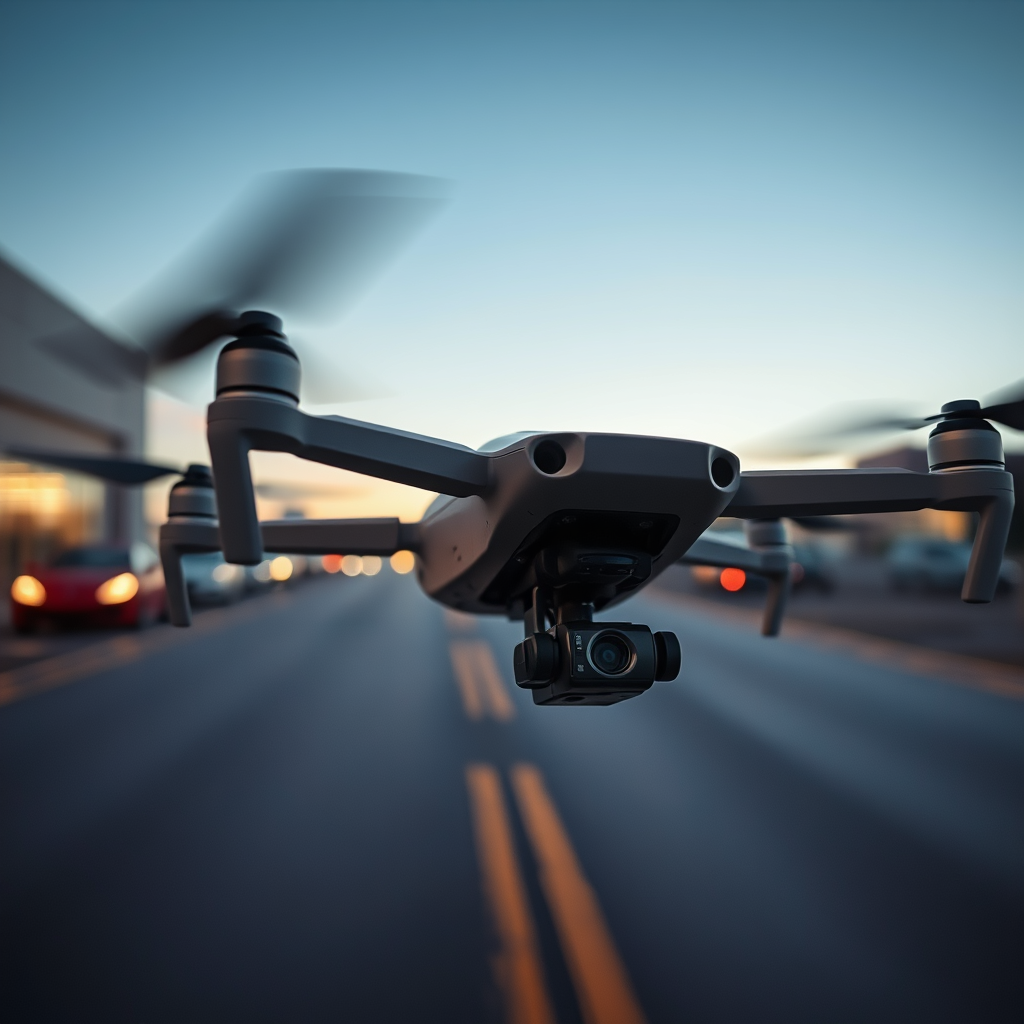
Yes, drones can fly upside down, but it largely depends on the type of drone and its design. While most consumer drones are not built for such maneuvers, certain racing drones and quadcopters are capable of inverted flight. The ability to fly upside down is primarily a feature of drones designed for agility and speed, allowing pilots to perform acrobatic tricks. In this article, we will explore the mechanics behind inverted flight, the types of drones that can execute this maneuver, and the skills required to master it.
Understanding Drone Design and Capabilities
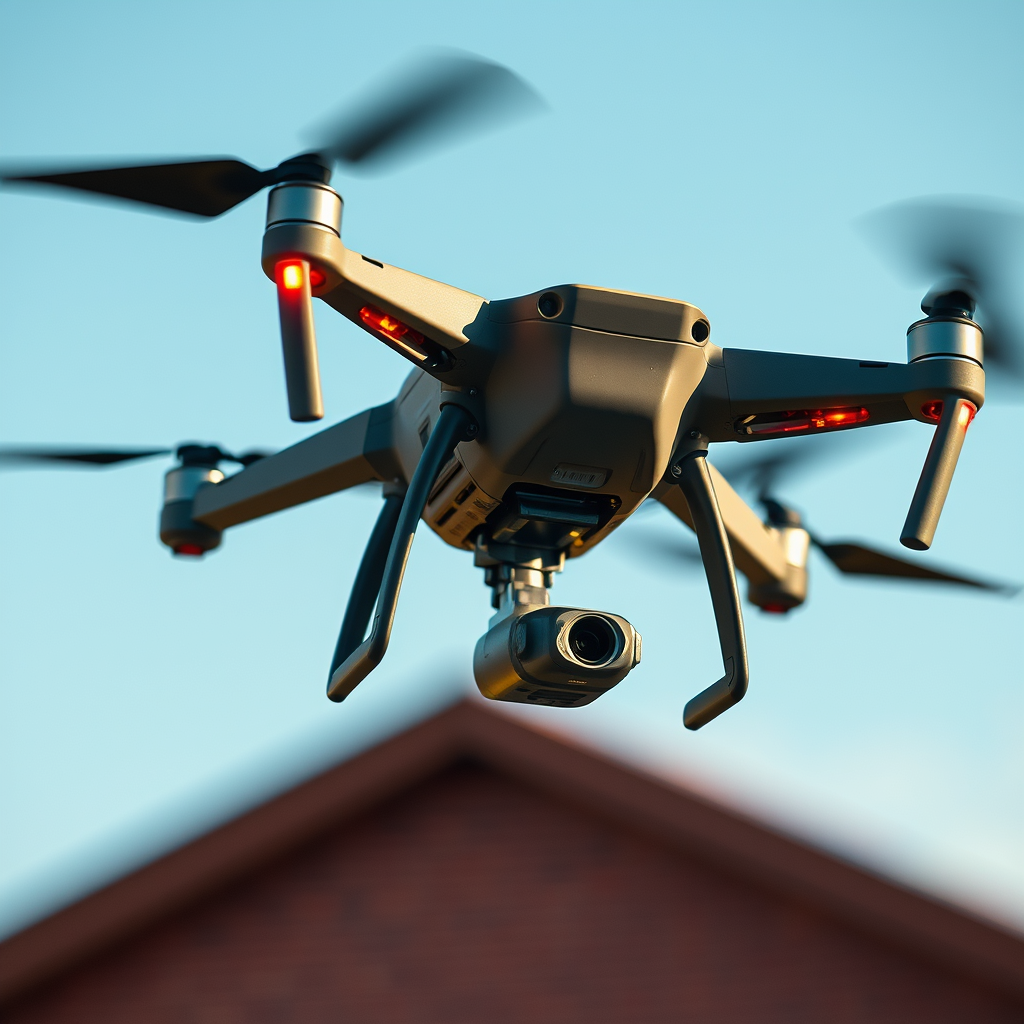
Drones are designed with varying levels of stability and control, which significantly affects their ability to fly upside down. Most consumer drones prioritize stability, making them ideal for aerial photography and casual flying. These drones typically utilize advanced stabilization systems that help maintain a level flight, limiting their capacity for complex maneuvers such as inverted flight.
On the other hand, racing drones and acrobatic quadcopters are engineered for agility, speed, and control. These drones often possess a lightweight frame, powerful motors, and minimal aerodynamic drag, which allows them to perform flips, rolls, and inverted flight with ease. The absence of stability-enhancing features enables pilots to manually control the flight dynamics, allowing for more extreme maneuvers. Understanding these design distinctions is crucial for anyone interested in exploring the world of inverted drone flight.
Types of Drones that Can Fly Upside Down
Racing Drones
Racing drones are specifically engineered for high-speed maneuvers and tricks, making them the most common type of drone capable of flying upside down. These drones often feature a quadcopter design, which consists of four rotors that provide excellent lift and agility. The motors are typically high-performance, allowing for rapid acceleration and quick directional changes.
Models such as the Walkera F210 or the Fat Shark 101 are popular among racing enthusiasts, as they are built to withstand the rigors of competitive flying, including inverted maneuvers. The aerodynamic design of racing drones reduces drag, facilitating smooth transitions into and out of upside-down flight.
Acrobatic Drones
Acrobatic drones are another category designed with the capability to perform aerial stunts, including inverted flight. Unlike racing drones, which emphasize speed and competition, acrobatic drones focus more on versatility and performance in various flight conditions. Drones like the DJI FPV and the Eachine Wizard X220 are examples of models that can perform tricks and stunts, making them suitable for hobbyists who enjoy showcasing their flying skills.
These drones are often equipped with advanced flight controllers that allow for customizable settings, enabling pilots to fine-tune their flying experience. The combination of responsive controls and powerful motors makes acrobatic drones ideal for executing flips and flying upside down with precision.
Flight Modes and Controls
Different flight modes can significantly impact a drone’s ability to fly upside down. Most modern drones come equipped with multiple flight modes, which can be toggled based on the pilot’s skill level and the flying environment.
Acro Mode
One of the most essential modes for flying upside down is “acro mode” (short for acrobatic mode). In this mode, the drone does not automatically stabilize itself, giving the pilot complete control over all axes of flight. This level of control is necessary for executing complex maneuvers, including flips and inverted flight. However, it also requires a higher skill level, as pilots must actively manage the drone’s orientation and balance.
Pilots looking to master inverted flight should spend time practicing in acro mode, gradually increasing the complexity of their maneuvers. Mastering the throttle, pitch, and roll controls is vital, as these inputs dictate the drone’s position and movement during inverted flight.
Risks and Challenges of Flying Inverted
Flying upside down can be thrilling, but it also comes with inherent risks and challenges. One of the most significant dangers is the potential for crashes, especially for inexperienced pilots. Inverted flight requires precision and a solid understanding of the drone’s behavior, making it easy for novices to misjudge their maneuvers and collide with obstacles.
Battery Life and Power Management
Another risk associated with flying upside down is the impact on battery life and power management. Inverted flight can lead to increased drag and altered airflow around the drone, which might require more energy to maintain stability and altitude. Pilots must be aware of their battery levels and flight time, as pushing the drone too hard during inverted maneuvers can quickly deplete the battery, leading to potential crashes.
Training and Techniques for Inverted Flight
Training is essential for anyone looking to fly a drone upside down. Practicing in a simulator can help pilots prepare for the nuances of inverted flight without the risk of damaging a physical drone. Flight simulators provide a safe environment to experiment with controls and develop muscle memory, allowing for smoother transitions during actual flights.
Gradual Progression
For those new to inverted flying, a gradual progression from simple flips to full inverted flights is recommended. Starting with basic maneuvers, such as half-flips, can help pilots build confidence and skills. As proficiency increases, pilots can attempt more complex tricks, ultimately culminating in complete inverted flights.
It’s crucial to find a safe, open space for practice to minimize the risk of accidents. Ensuring that the drone is in good condition and that the pilot is familiar with its controls will contribute to a safer flying experience.
Safety Precautions for Inverted Flying
Safety should always be a priority when flying drones, especially during complex maneuvers such as inverted flight. Here are some key precautions to consider:
1. Use Appropriate Settings: Before attempting tricks, pilots should ensure that their drone is set to the correct flight mode and that all settings are optimized for performance.
2. Drone Maintenance: Regularly check the drone for any signs of wear or damage. A well-maintained drone is less likely to malfunction during tricky maneuvers.
3. Open Areas: Always fly in open areas away from people, structures, and obstacles. This minimizes the risk of accidents or damage to the drone and surroundings.
4. Emergency Procedures: Familiarize yourself with emergency procedures to regain control in case of a malfunction. Knowing how to quickly switch back to a stable flight mode can save a drone from potential crashes.
In conclusion, while many drones can fly upside down, it is predominantly a feature of specialized models like racing and acrobatic drones. Pilots interested in inverted flying should approach this skill with caution, ensuring they possess the necessary skills and knowledge before attempting such maneuvers. Investing time in practice and adhering to safety guidelines will enhance both the enjoyment and safety of flying drones upside down. As the drone industry continues to evolve, the capabilities and designs of these flying machines will expand, making aerial stunts more accessible to enthusiasts worldwide.
Frequently Asked Questions
Can drones fly upside down safely?
Yes, some drones are designed to fly upside down safely, particularly those used in racing or acrobatics. These drones are equipped with advanced stabilization systems and powerful motors that allow them to maintain control while performing aerial tricks. However, flying upside down can increase the risk of crashes, so it’s essential for pilots to have experience and practice in controlled environments before attempting such maneuvers.
What types of drones can fly upside down?
Drones that can fly upside down typically include racing drones and acrobatic models like the FPV (First Person View) drones. These are built for agility and speed, featuring a lightweight design and high-performance motors. Standard consumer drones and camera drones, on the other hand, are generally not equipped for upside-down flight due to their design focus on stability and aerial photography capabilities.
How can I make my drone fly upside down?
To make your drone fly upside down, you’ll need a model that supports acrobatic flying, like a racing drone. Once you have the right equipment, practice inverted maneuvers in a wide-open space, ensuring you’re comfortable with the drone’s controls and response. Additionally, familiarize yourself with the drone’s flip or roll functions, often integrated into the flight controller settings, to execute flips safely and smoothly.
Why would someone want to fly a drone upside down?
Flying a drone upside down is often pursued for recreational purposes, particularly in drone racing and aerial acrobatics. It allows pilots to perform advanced maneuvers that demonstrate skill and control, making the experience more thrilling. Additionally, inverted flight can provide unique perspectives for photography and videography, capturing shots that wouldn’t be possible from a traditional flying angle.
Which drones are best for beginners interested in acrobatic flying?
For beginners interested in acrobatic flying, it’s best to start with beginner-friendly FPV drones that offer stability features and user-friendly controls. Models like the Eachine E010 or the Holy Stone HS210 are excellent choices, as they provide a low-cost entry point while still allowing for flips and rolls. Once comfortable with basic flight, pilots can transition to more advanced racing drones for better performance and greater acrobatic capabilities.
References
- https://en.wikipedia.org/wiki/Drone
- https://www.sciencedirect.com/science/article/pii/S235286481730070X
- https://www.faa.gov/uas/
- https://www.nytimes.com/2020/10/26/business/drones-technology.html
- https://www.nationalgeographic.com/science/article/drones
- https://www.wired.com/story/the-future-of-drones/
- https://www.theguardian.com/technology/2021/mar/13/drones-technology-explained
- https://www.techrepublic.com/article/what-is-a-drone/
