
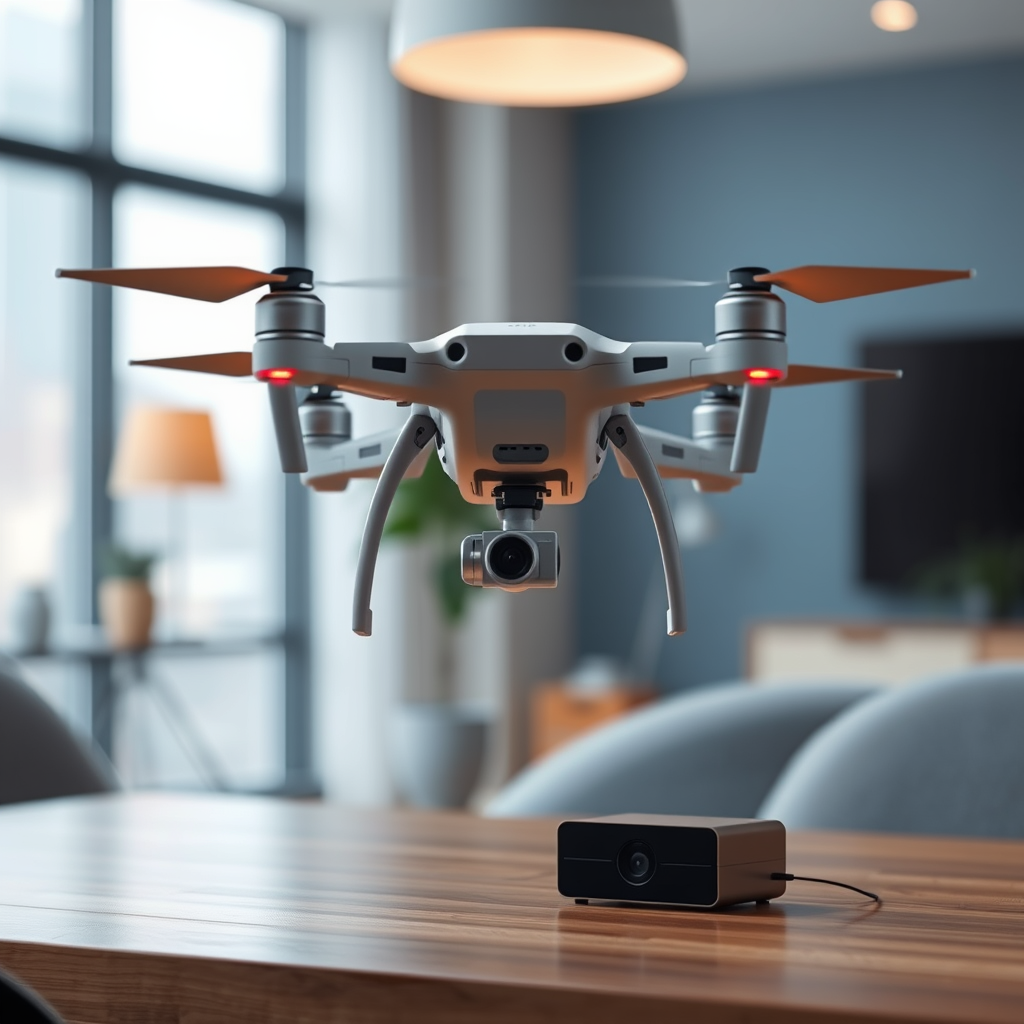
Drones cannot hear conversations as humans do; they lack the necessary audio equipment to pick up speech intelligibly. However, advancements in technology are enabling some drones to capture sound in various contexts. This article delves deeper into the capabilities of drones concerning audio collection and surveillance, exploring the different drone models equipped with audio capabilities, the technology behind sound capture, and the legal and ethical implications of using drones for audio recording.
Understanding Drone Technology
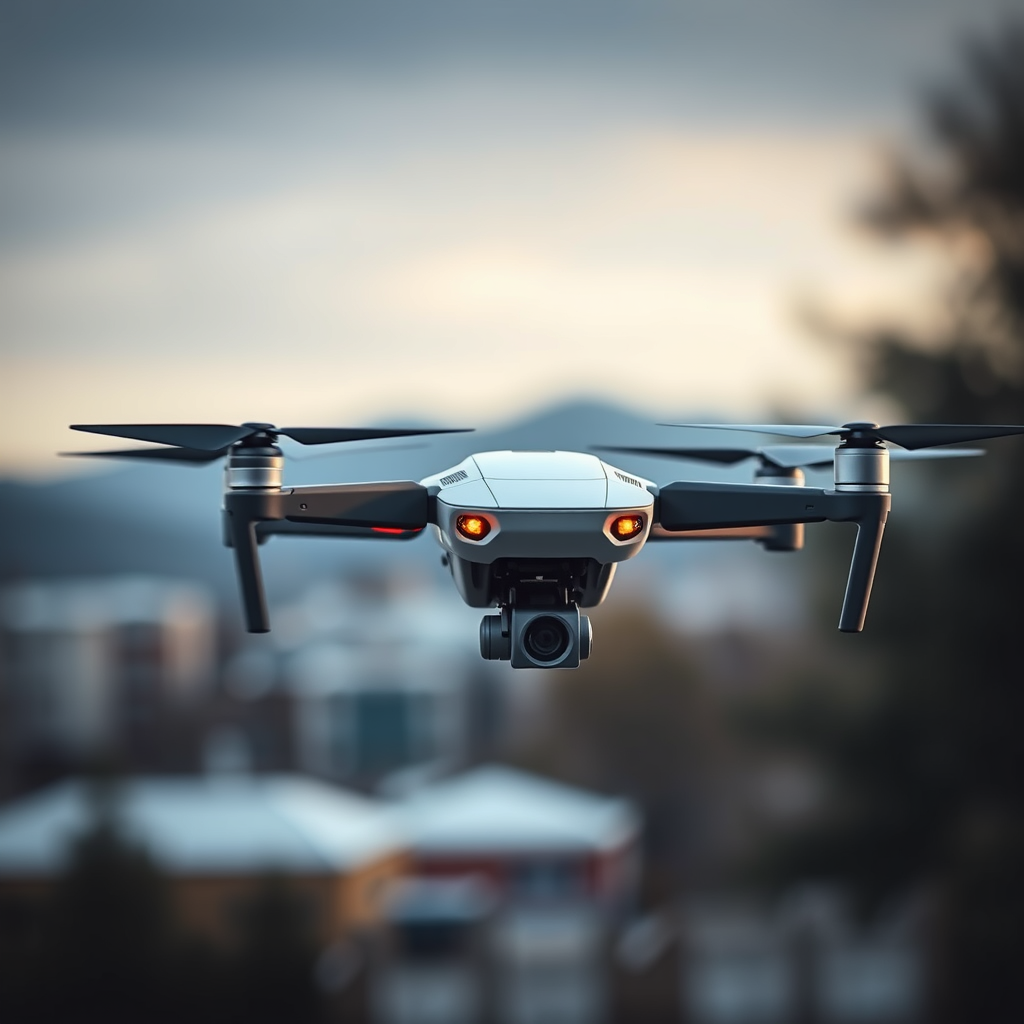
Drones, or unmanned aerial vehicles (UAVs), are sophisticated machines comprised of various components that enable them to fly autonomously or be remotely controlled. The primary components include a flight control system, propulsion system, communication systems, and payloads, which can vary based on the drone’s specific purpose. Some drones are designed for photography, while others are used for surveillance, agriculture, or research.
In recent years, certain drone models have incorporated sound recording capabilities. These drones are typically equipped with specialized microphones that can capture audio from their aerial vantage point. For example, drones designed for law enforcement or search and rescue missions may utilize advanced acoustic sensors to detect sounds in their environment, but the quality and intelligibility of recorded conversations remain limited by the technology used.
Types of Drones Equipped with Audio
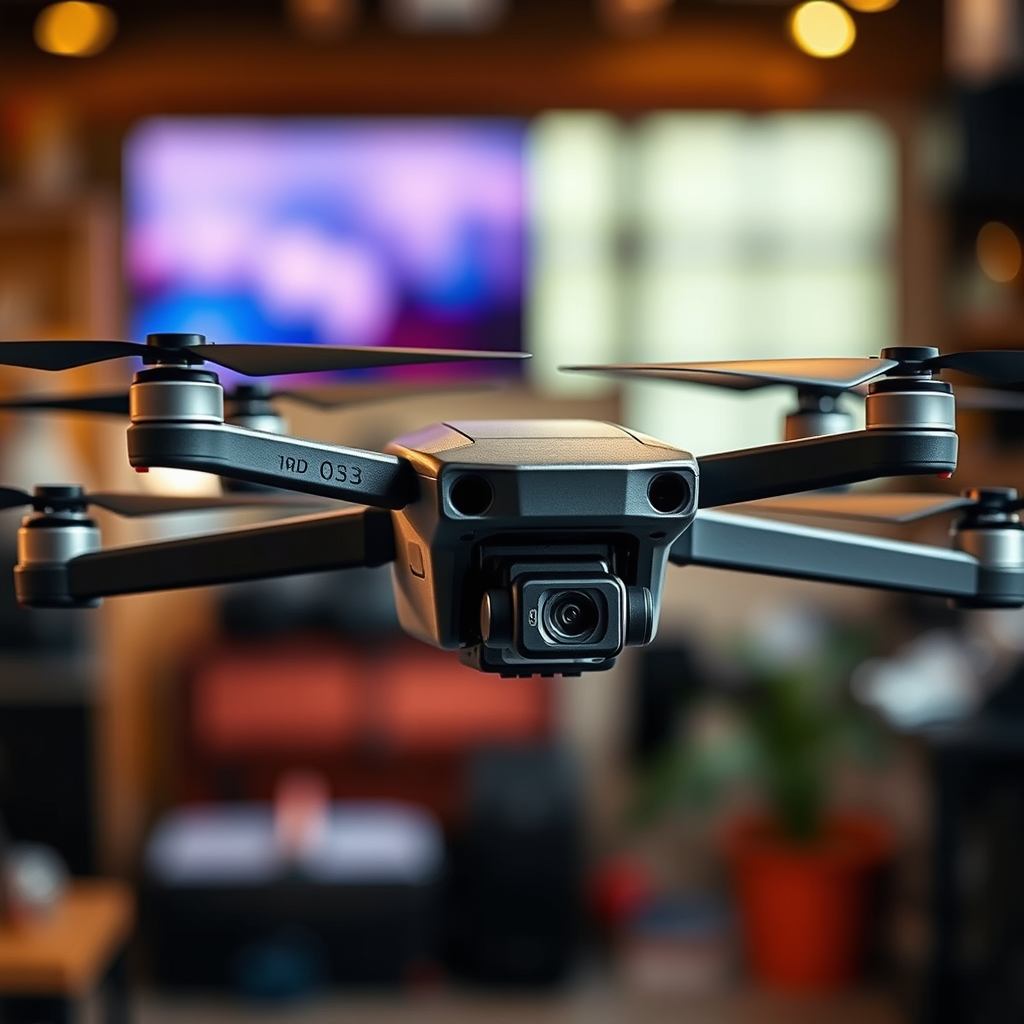
The landscape of drones is diverse, with various classifications based on their intended use. Consumer drones, commonly used for recreational purposes or hobbyist photography, typically lack advanced audio capabilities. However, professional drones, particularly those used in sectors such as security, journalism, and environmental monitoring, often feature enhanced audio recording technology.
For instance, the DJI Matrice 300 RTK, a professional-grade drone, can be outfitted with external microphones to aid in sound capture for surveillance purposes. Similarly, drones designed for wildlife monitoring, like the HexH20, can be equipped with microphones to record animal sounds without disturbing their natural habitat. These specialized drones demonstrate the growing interest in integrating audio capabilities into UAV technology for various applications.
How Drones Capture Sound
Drones capture sound using a variety of microphones that can be mounted on their frames. The most common types include omnidirectional microphones, which pick up sound equally from all directions, and directional microphones, which are designed to focus on sounds coming from a specific source. The choice of microphone significantly influences the quality of the sound captured, as it determines how well the device can filter out background noise.
Several factors affect the sound quality and range of aerial recordings. Wind conditions, altitude, and the distance from the sound source all play critical roles in the effectiveness of audio capture. For example, while a drone flying at a lower altitude may capture clearer sounds, it may also be more susceptible to noise interference from the rotors. Additionally, the drone’s onboard technology must be capable of processing and storing high-fidelity audio without compromising the overall performance of the UAV.
Legal and Ethical Considerations
The use of drones for audio recording raises significant legal and ethical issues. In many jurisdictions, laws regulate drone surveillance and the recording of audio, primarily focusing on privacy rights. In the United States, for instance, the Federal Aviation Administration (FAA) governs drone operations, while individual states have their own laws regarding audio surveillance. Most laws prohibit recording conversations without the consent of at least one party involved, raising questions about the legality of using drones equipped with audio capabilities in public or private spaces.
Moreover, ethical implications arise when considering the potential for misuse of drone technology. The ability to capture audio from a distance could lead to violations of privacy rights, as individuals may be unaware that their conversations are being recorded. Consequently, it is crucial for drone operators to remain informed and compliant with existing laws and to consider the ethical ramifications of their actions, particularly in sensitive settings such as residential areas or during public demonstrations.
Practical Applications of Sound-Capturing Drones
Sound-capturing drones have found practical applications across various fields, including journalism, law enforcement, and wildlife monitoring. In journalism, drones equipped with audio technology can provide unique perspectives on news events, capturing interviews or ambient sounds that enhance storytelling. This capability can offer valuable insights into events that may be challenging to document from the ground.
In law enforcement, drones can assist in surveillance operations by monitoring crowds or tracking suspects. The integration of audio capture allows authorities to gather evidence in real-time, which can be critical in investigations. Similarly, wildlife biologists use sound-capturing drones to monitor animal behavior without disturbing their natural environments, enabling researchers to collect data on species vocalizations or mating calls.
Despite their advantages, drones with audio capabilities also face limitations. For instance, wind interference can hinder sound quality, and the range of sound capture may not extend far enough to be effective in all scenarios. Additionally, the legal and ethical concerns surrounding audio recording can restrict the use of drones in certain contexts, necessitating careful consideration by operators and stakeholders.
Future of Audio Technology in Drones
As technology continues to advance, the future of audio capabilities in drones appears promising. Innovations in microphone technology, such as the development of noise-canceling and high-fidelity audio sensors, could significantly improve the quality of sound capture from drones. Furthermore, integrating artificial intelligence (AI) into audio processing could enhance the ability of drones to filter and analyze captured sounds, making it easier to identify specific audio patterns or conversations.
In the coming years, we may also see drones equipped with advanced networking capabilities, allowing them to share audio data in real-time with other devices or operators. This evolution could lead to more collaborative approaches in fields such as surveillance and environmental monitoring, where multiple drones work in tandem to capture comprehensive audio data.
Overall, as the demand for advanced drone technology grows, the potential for enhanced audio capabilities will likely expand, presenting both opportunities and challenges in their application.
In conclusion, while drones currently cannot hear conversations in a conventional sense, they are becoming increasingly capable of capturing audio in different environments. As technology advances, it’s vital to remain aware of the legal and ethical implications surrounding their use. The evolving landscape of drone technology highlights the importance of understanding its impact on privacy and society, urging stakeholders to engage thoughtfully with the capabilities and limitations of sound-capturing drones.
Frequently Asked Questions
Can drones hear conversations from the ground?
Generally, drones are not equipped with the technology to hear conversations from the ground. Most consumer drones are designed for aerial photography and videography, lacking sensitive microphones that can capture sound from a distance. While some specialized drones may have audio recording capabilities, their effectiveness is limited by distance and environmental noise, making it unlikely they can eavesdrop on conversations effectively.
How do drones capture sound if they can?
If equipped with microphones, drones can capture sound through onboard audio recording devices. However, these microphones typically have a limited range, and sound quality can be affected by wind and other environmental factors. For effective sound capture, drones would need to be relatively close to the source of the conversation, which poses privacy concerns and legal implications regarding audio recording without consent.
Why are people concerned about drones listening in on private conversations?
Concerns about drones listening in on private conversations stem from issues of privacy invasion and surveillance. With the growing use of drones for various applications, including security, law enforcement, and recreational use, individuals worry that unauthorized recording could lead to breaches of personal privacy. This anxiety is further fueled by advancements in drone technology that allow for enhanced capabilities, leading to fears of misuse or abuse of these devices.
What are the legal implications of drones recording audio in public spaces?
The legal implications of drones recording audio in public spaces vary by jurisdiction. In many regions, recording conversations without consent may violate privacy laws, even if the conversation occurs in a public area. It’s important for drone operators to be aware of local regulations regarding audio recording and ensure they are compliant to avoid potential legal issues, including fines or criminal charges.
Which drones have the best audio recording capabilities?
Drones designed for professional film and media production typically have the best audio recording capabilities, as they can be equipped with high-quality microphones. Models like the DJI Matrice series and the Yuneec Typhoon H can support external audio equipment, allowing for clearer sound capture. However, most consumer drones do not focus on audio quality, so if sound recording is a priority, investing in dedicated audio equipment alongside the drone is recommended.
References
- https://en.wikipedia.org/wiki/Drone
- https://www.bbc.com/news/technology-38024924
- https://www.theguardian.com/technology/2018/apr/01/drones-privacy-hearing
- https://www.scientificamerican.com/article/can-drones-be-used-to-eavesdrop/
- https://www.nytimes.com/2021/05/30/us/drones-privacy.html
- https://www.ncbi.nlm.nih.gov/pmc/articles/PMC7326387/
- https://www.abc.net.au/news/2020-09-20/drones-privacy-security-issues/12658638
- https://www.techrepublic.com/article/drones-a-privacy-nightmare-or-a-safety-solution/
