
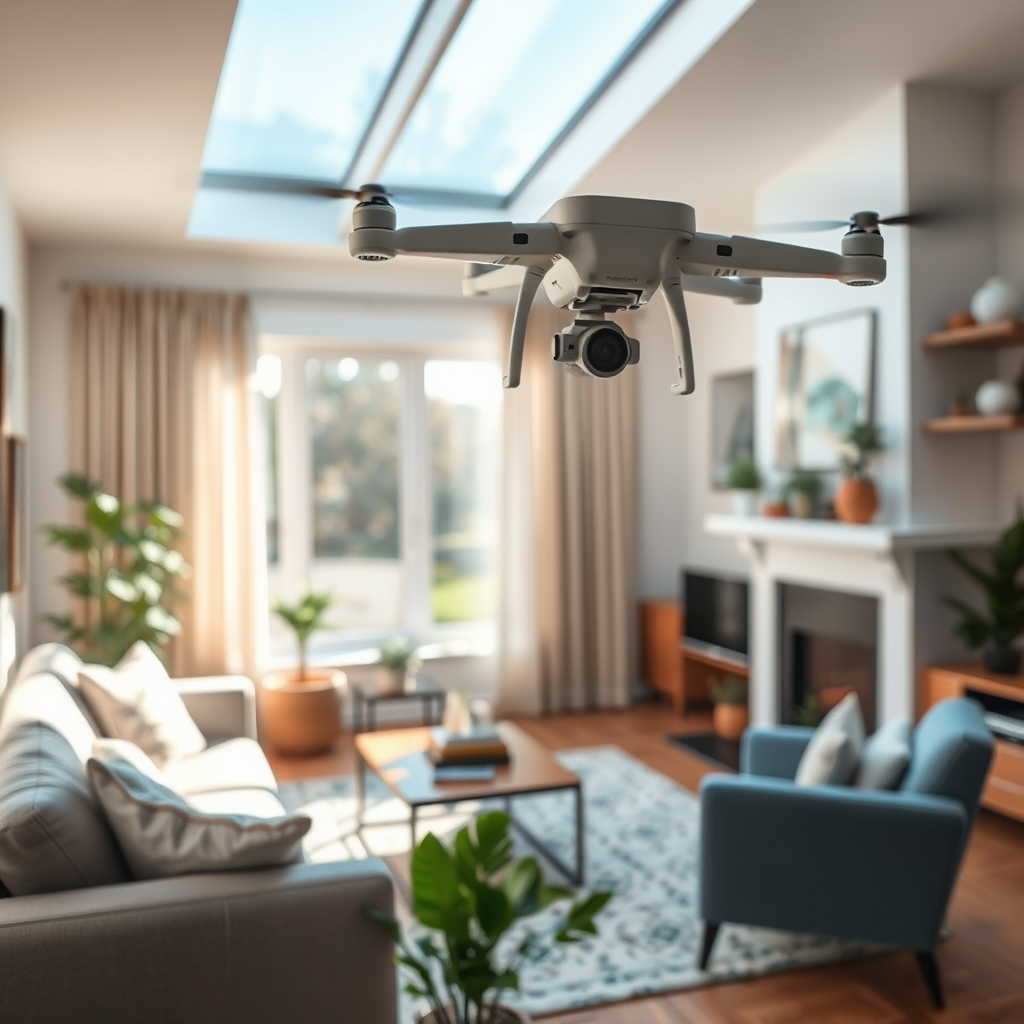
Drones cannot inherently hear inside your house as they do not possess the sophisticated audio surveillance technology needed for this purpose. However, there are specific circumstances and technologies that might allow for sound capture. This article will explore the capabilities of drones, the technology involved, and the implications for privacy.
Understanding Drone Technology
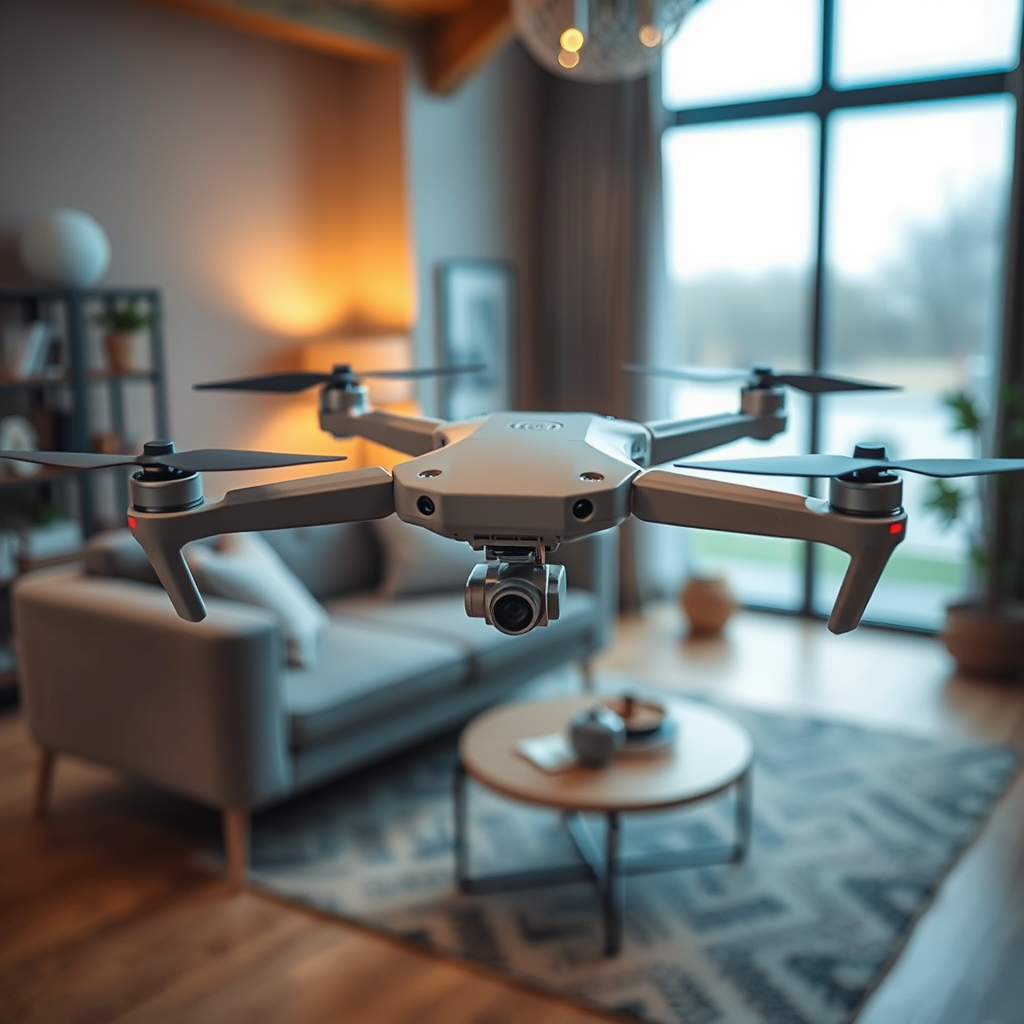
Drones, also known as unmanned aerial vehicles (UAVs), are primarily designed for visual data collection through cameras and sensors. Many consumer drones are equipped with high-definition cameras capable of capturing stunning aerial photography and video footage. These visual capabilities have made drones popular in various industries, from real estate and agriculture to filmmaking and wildlife monitoring.
However, most consumer drones lack any advanced audio recording capabilities. The primary focus has been on visual technology, and thus, audio capture remains a secondary consideration. Consumer-grade drones typically do not include microphones or other audio surveillance tools; thus, their ability to “hear” is severely limited.
In contrast, certain specialized drones used in military or security applications may incorporate more advanced technology that allows for audio monitoring. Nonetheless, these systems are not commonplace and usually have specific operational parameters that govern their use.
Audio Surveillance Technology
While most consumer drones do not have built-in audio recording capabilities, some models can be outfitted with external microphones or audio sensors. These microphones can capture sound in the vicinity of the drone; however, the quality and range of sound they can pick up are limited. They are generally designed for short-range audio capture, making them ineffective for penetrating the walls of a typical residential structure.
The integration of audio surveillance technology into drones raises intriguing possibilities, especially in contexts such as search and rescue operations or wildlife monitoring. For example, drones equipped with microphones can be used to listen for specific sounds, such as the cries of lost individuals or the calls of endangered species. However, the application of such technology for surveillance in populated areas introduces ethical concerns and privacy implications.
Legal Implications of Drone Surveillance
The legal landscape surrounding drone surveillance is complex and varies significantly by region. In many jurisdictions, laws governing drone usage are primarily focused on privacy and safety. Unauthorized audio recording, especially in private settings, can lead to serious legal consequences.
In the United States, for instance, the Federal Aviation Administration (FAA) regulates the operation of drones, but state-specific laws often dictate the legality of audio surveillance. Many states have enacted laws that protect individuals from unwarranted audio recording, which may extend to drone operations. Violations of these laws can result in fines or even criminal charges.
In contrast, some countries have more lenient regulations regarding drone surveillance, which can lead to a patchwork of legal frameworks that complicate the issue further. As such, it’s imperative for drone operators to stay informed about the specific regulations applicable to their location and intended use of the technology.
How Sound Propagation Works
Understanding how sound propagates is crucial in evaluating whether drones could effectively capture sound from inside a house. Sound can travel through walls, but its clarity diminishes significantly with distance and barriers. The materials used in home construction—such as drywall, insulation, and brick—can absorb and reflect sound waves, making it difficult for any external source, including a drone, to capture clear audio from within.
Moreover, multiple factors can interfere with sound quality, such as ambient noise, wind, and other environmental conditions. For instance, if a drone is flying outside a house, the sound captured by its microphone could be distorted by wind noise or other external sounds, further complicating any attempt to obtain clear audio from inside the residence.
Real-Life Cases and Examples
Instances of drones being used for surveillance purposes are rare and often controversial. While there have been isolated cases where drones equipped with audio technology have been employed for law enforcement investigations, these situations typically involve specific circumstances, such as monitoring criminal activity or conducting search and rescue operations.
In one notable example, law enforcement agencies in various jurisdictions have used drones equipped with audio sensors to listen for gunfire in urban areas. This technology allows them to respond more rapidly to incidents of violence. However, such applications are often met with public scrutiny over privacy concerns, underscoring the delicate balance between safety and individual rights.
Furthermore, there have been reports of drones capturing audio from public events, such as concerts or protests, raising questions about the ethics of such surveillance. These instances have prompted discussions about the need for clearer regulations surrounding drone usage, particularly in urban environments.
Privacy Concerns and Public Perception
The growing capabilities of drone technology have given rise to increasing concerns about privacy invasion. Citizens are becoming more aware of the potential for surveillance, and public opinion is divided on the use of drones for monitoring purposes. Some view drones as valuable tools for enhancing public safety and improving emergency response, while others worry about the implications for personal privacy.
Public perception of drone surveillance is shaped by a variety of factors, including media coverage and personal experiences. High-profile news stories about drones capturing sensitive information or invading personal space contribute to a general feeling of unease concerning their use. Advocacy groups are calling for more stringent regulations to protect individual privacy rights, arguing that the potential for misuse is significant.
As drone technology continues to advance, it is essential for discussions around privacy to evolve as well. Stakeholders—including the public, lawmakers, and drone manufacturers—must engage in dialogues to create a framework that respects individual rights while allowing for the beneficial use of drone technology.
Future of Drone Technology and Privacy
As technology advances, the capabilities of drones are expected to expand, raising new questions about privacy and ethical use. Innovations in audio capture and processing could enable drones to become more adept at listening and interpreting sounds from a distance. Such advancements may lead to increased use of drones in surveillance applications, both by law enforcement and private citizens.
The potential for drones to gather audio data raises significant privacy concerns that will need to be addressed through legislation and public discourse. Ongoing discussions about regulations governing drone use in residential areas will be crucial to ensure that individual rights are protected while allowing for the beneficial applications of drone technology.
As the public grapples with these issues, it is vital for individuals to stay informed about their rights and the legal frameworks surrounding drone use in their communities. Engaging with local advocacy groups or law enforcement can provide insight into how drone technology is being used and the steps that can be taken to safeguard privacy.
In conclusion, while drones have some capacity for sound capture, they are not designed to hear inside your house effectively. The limitations of current technology, along with existing legal frameworks, serve to protect individual privacy in most circumstances. However, as technology evolves, it’s crucial to stay informed about privacy rights and regulations concerning drone use. If you have concerns about drones in your area, consider engaging with local advocacy groups or law enforcement for guidance.
Frequently Asked Questions
Can drones hear conversations inside a house?
Drones are equipped with microphones, but their ability to hear conversations inside your house is limited. Most consumer drones do not have the advanced audio technology required to capture sounds from a significant distance or through walls. Additionally, privacy laws in many regions prohibit the use of drones for eavesdropping, making it illegal and unethical to use them in such a manner.
How do drones capture sound, and can they use it to invade privacy?
Drones capture sound using built-in microphones, but their range is typically limited to outdoor environments where they can pick up sounds from the surrounding area. While technically possible for drones to record audio, the quality and clarity significantly diminish with distance and obstructions like walls. Therefore, while concerns about privacy exist, the practical ability of drones to invade personal space through sound is quite low.
Why are people concerned about drones being able to hear inside their homes?
The concern about drones potentially hearing inside homes stems from the increasing presence of drones for recreational and commercial use, alongside growing privacy issues in technology. Many individuals fear that drone surveillance could lead to unauthorized recordings of private conversations, thereby compromising their personal security. This fear is often heightened by reports of drone misuse, sparking conversations about the need for regulations to protect privacy.
What laws exist regarding drone surveillance and privacy rights?
In many countries, there are specific laws governing drone use, particularly concerning privacy rights. These laws often prohibit the recording of audio or video without consent when individuals have a reasonable expectation of privacy, such as inside their homes. Understanding your local laws is crucial, as they can vary widely, and being informed can help you protect your privacy from potential drone misuse.
Which drones are capable of capturing audio, and what should I know about their capabilities?
Some high-end drones designed for professional use may have advanced audio recording capabilities, but they usually come with specific regulations regarding their use. Drones equipped with quality microphones are more likely to capture clear audio, but they still face limitations when it comes to distance and obstructions. If you are considering using a drone for audio recording, make sure to familiarize yourself with legal regulations to ensure compliance with privacy laws.
References
- https://en.wikipedia.org/wiki/Drone_technology
- https://www.bbc.com/news/technology-58085815
- https://www.theguardian.com/technology/2021/jul/06/drones-privacy-concerns
- https://www.aclu.org/issues/privacy-technology/surveillance-technologies/drone-surveillance
- https://www.nytimes.com/2022/01/25/technology/drone-privacy.html
- https://www.nist.gov/news-events/news/2021/02/drones-can-listen-you-are-saying
- https://www.sciencedirect.com/science/article/pii/S0167739X20302071
- https://www.eff.org/deeplinks/2021/07/right-privacy-drones-and-surveillance
- https://www.npr.org/2021/08/23/1030604769/drones-privacy-rights-and-the-future-of-surveillance
- https://www.faa.gov/uas/
