
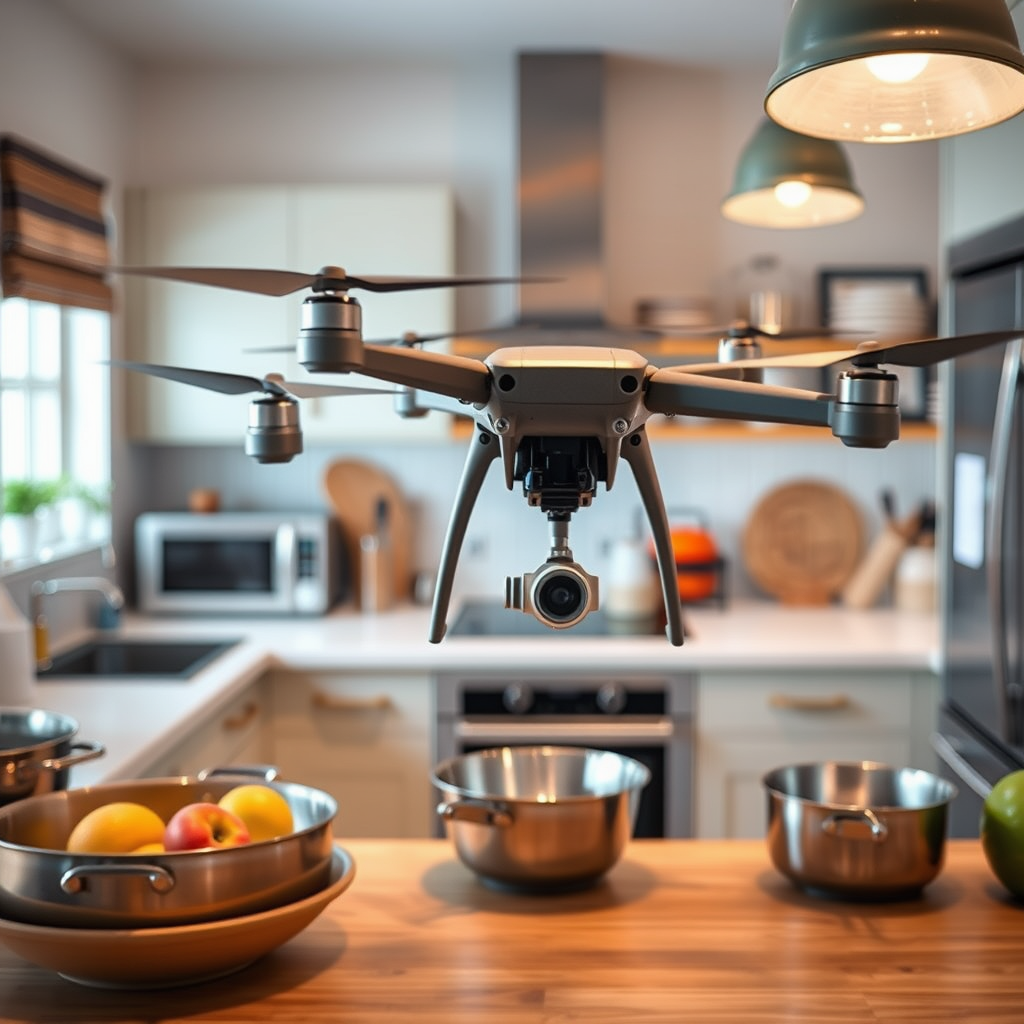
Yes, drones can hover in one spot, thanks to their advanced technology that allows for precise control of thrust and stability. This remarkable capability makes them ideal for a wide array of applications, from aerial photography to surveying, mapping, and even search and rescue operations. In this article, we’ll delve into how drones achieve this hovering ability, the mechanics behind their operation, and the various factors that influence their performance.
Understanding Drone Mechanics
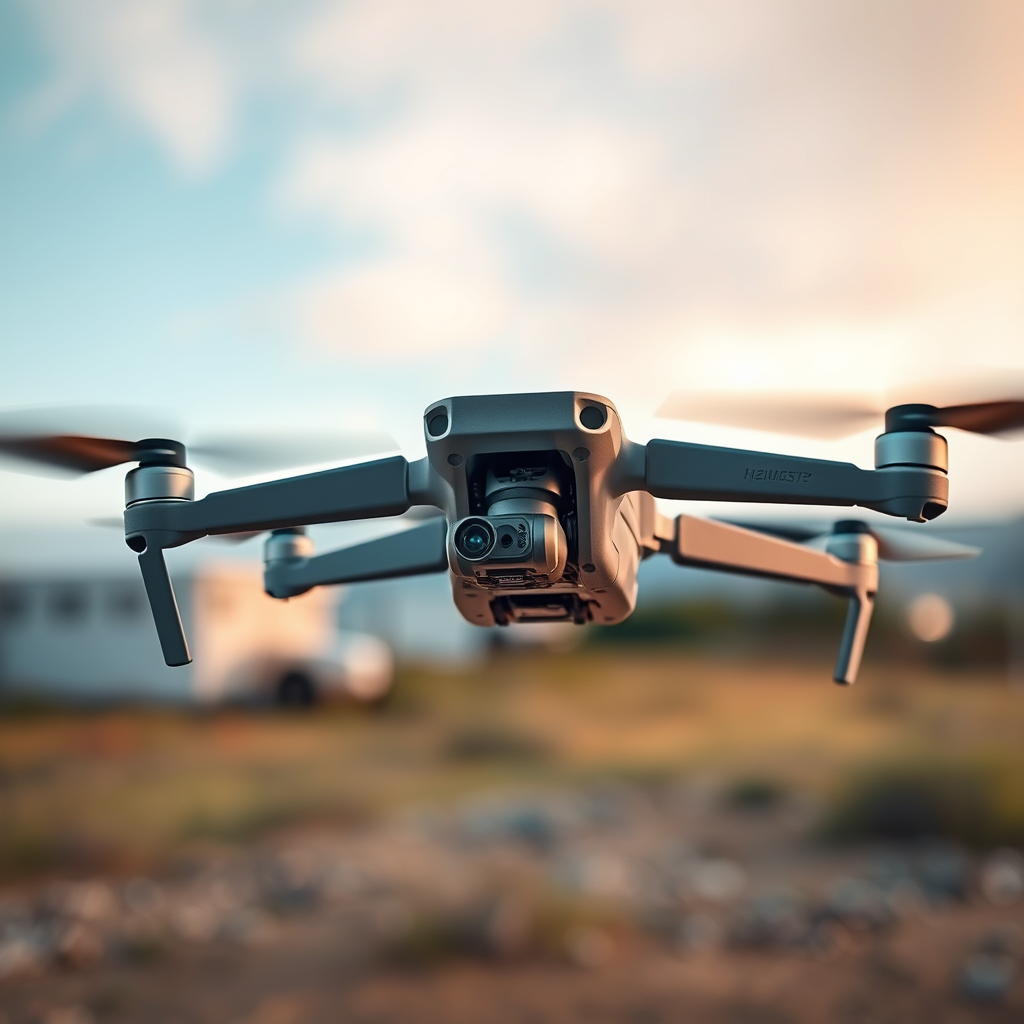
At the heart of drone technology lies the rotors, which are essential for generating lift. Drones typically employ multiple rotors—most commonly seen in multi-rotor designs like quadcopters. Each rotor spins at varying speeds, creating thrust that propels the drone into the air. The ability to hover is primarily a result of the balanced thrust produced by these rotors. When all rotors generate equal thrust, the drone can maintain a stable altitude without ascending or descending.
The electronic speed controllers (ESCs) connected to each rotor play a vital role in this process. They receive signals from the drone’s flight controller, which interprets input from the pilot and sensor data. By adjusting the speed of each rotor, the flight controller can manipulate the drone’s pitch, roll, and yaw, allowing it to hover effectively in one position. Advanced models also take advantage of real-time data from GPS and inertial measurement units (IMUs), which help maintain stability even in turbulent conditions.
Types of Drones Capable of Hovering
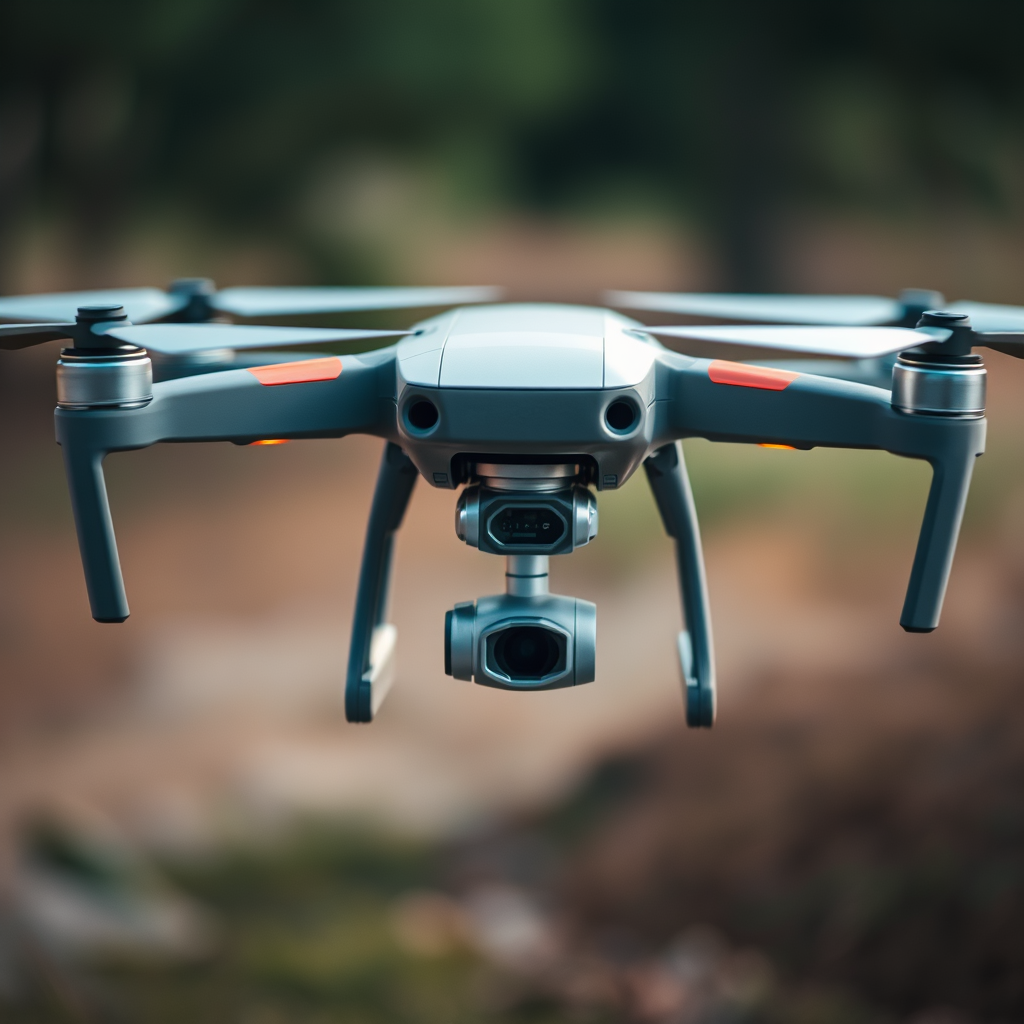
When discussing drones capable of hovering, multi-rotor drones, particularly quadcopters, take the lead. These drones have four rotors and are designed explicitly for vertical takeoff and landing (VTOL), making them exceptionally adept at hovering. Their design allows for nimble maneuverability and the ability to hold their position in the air, which is particularly useful for applications like aerial photography or monitoring wildlife.
On the other hand, fixed-wing drones are generally not designed for hovering. Their aerodynamic structure is optimized for sustained forward flight, which means they require continuous motion to generate lift. However, some specialized models, such as hybrid drones that incorporate both fixed-wing and multi-rotor designs, can achieve limited hovering capabilities. These hybrids combine the efficiency of fixed wings for long-distance travel with the maneuverability of rotors for short, controlled flights, including hovering.
Factors Affecting Hovering Stability
Multiple factors can influence a drone’s ability to hover steadily, with wind conditions being one of the most significant. Even a light breeze can disrupt a drone’s stability, causing it to drift away from its intended position. Advanced drones are equipped with GPS and barometric sensors to help counteract these effects, but pilots must still be mindful of environmental conditions when attempting to hover.
Another critical factor is battery life. Drones rely on their batteries for power, and the weight of the battery can affect their overall performance. A fully charged drone is better equipped to maintain stability and hover for extended periods. Additionally, weight distribution is essential; if the drone is carrying an uneven load, it may struggle to hover effectively. Pilots should ensure that any additional equipment or payload is balanced properly to facilitate stable flight.
Applications of Hovering Drones
The ability to hover makes drones invaluable across various industries. In aerial photography and videography, for instance, hovering allows operators to capture stable, high-quality images without the motion blur that can occur during flight. This capability is particularly important for real estate photography, film production, and documenting events or landscapes.
In search and rescue operations, hovering drones can provide real-time situational awareness, enabling teams to locate individuals in distress more efficiently. Equipped with thermal imaging cameras, drones are capable of identifying heat signatures, making them effective tools for locating missing persons or assessing disaster sites. Additionally, hovering drones are utilized in agricultural applications, where they monitor crop health and perform detailed inspections of fields from a stable vantage point.
Safety Considerations While Hovering
Operating drones safely while hovering requires adherence to local regulations and airspace restrictions. Pilots must be aware of no-fly zones and altitude limits to avoid legal repercussions and ensure the safety of others. Many regions require drone operators to register their drones and obtain a license, particularly for commercial use.
Battery management is another critical consideration. Drones that hover for extended periods must have their battery levels monitored closely to prevent unexpected shutdowns mid-flight. Operators should familiarize themselves with battery life indicators and return-to-home (RTH) features, which automatically bring the drone back to its launch point when battery levels are low.
Future Innovations in Drone Hovering Technology
The future of drone hovering technology is poised for significant advancements, particularly with the integration of artificial intelligence (AI) and enhanced GPS systems. These innovations could lead to improved hovering accuracy and stability, allowing drones to hold their position even in challenging environmental conditions.
Additionally, emerging technologies such as vertical takeoff and landing (VTOL) systems may further expand the capabilities of drones. VTOL systems combine the benefits of fixed-wing and rotorcraft designs, potentially enabling drones to cover larger distances while retaining the ability to hover and maneuver in tight spaces. Such advancements could revolutionize industries like logistics and emergency response.
In conclusion, drones are indeed capable of hovering in one spot, thanks to their sophisticated design and technology. Understanding the mechanics of how they operate, the types of drones available, and the factors that influence their performance can help users maximize their potential for various applications. Whether for professional use or recreational flying, these insights provide a solid foundation for enhancing your drone experience and ensuring safe operation. As technology continues to evolve, the possibilities for hovering drones are bound to expand, ushering in new opportunities across multiple sectors.
Frequently Asked Questions
Can drones hover in one spot without moving?
Yes, many drones are designed to hover in one spot thanks to advanced stabilization technology, such as GPS and barometers. This capability allows them to maintain a steady position in the air, which is essential for activities like aerial photography or surveying. The quality of the drone’s hovering ability often depends on its sensors and stability algorithms, so it’s important to choose a model known for strong hovering performance.
How do drones maintain their position while hovering?
Drones maintain their position while hovering using a combination of GPS, accelerometers, and gyroscopes. GPS provides location data, while accelerometers measure changes in motion, and gyroscopes help maintain orientation. Together, these sensors allow the drone’s flight controller to make real-time adjustments to the motors, ensuring it remains stable and in a fixed position, even in windy conditions.
Why is hovering important for drone operations?
Hovering is crucial for various drone operations, including aerial photography, surveying, and inspections, as it allows for precise and stable imaging or data collection. When a drone hovers, it can capture detailed shots without blur or distortion, making it ideal for tasks that require accuracy. Additionally, hovering can enhance safety during operations in crowded or sensitive environments, reducing the risk of collisions or disturbances.
Which types of drones are best for hovering?
Multirotor drones, especially quadcopters, are generally the best types for hovering due to their design and stability. Their multiple rotors allow for better control and responsiveness, making them ideal for tasks that require remaining in one spot. Brands like DJI, Yuneec, and Parrot offer models with excellent hovering capabilities that cater to both hobbyists and professionals.
What factors can affect a drone’s ability to hover steadily?
Several factors can affect a drone’s ability to hover steadily, including wind speed, battery life, and environmental conditions. Strong winds can destabilize a drone, making it harder to maintain a fixed position. Additionally, a low battery can lead to decreased performance, affecting the drone’s stability. Therefore, it’s essential to monitor these conditions and choose the right time and place for hovering activities.
References
- https://en.wikipedia.org/wiki/Drone
- https://www.sciencedirect.com/science/article/pii/S2352864817300345
- https://www.nasa.gov/mission_pages/centennial_challenges/competitions/robotics.html
- https://www.faa.gov/uas/getting_started/
- https://www.sae.org/publications/technical-papers/content/2018-01-0225/
- https://www.researchgate.net/publication/316687751_A_study_on_the_hovering_stability_of_a_quadrotor_drone
- https://www.abc.net.au/news/2016-06-23/how-drones-work/7496818
