
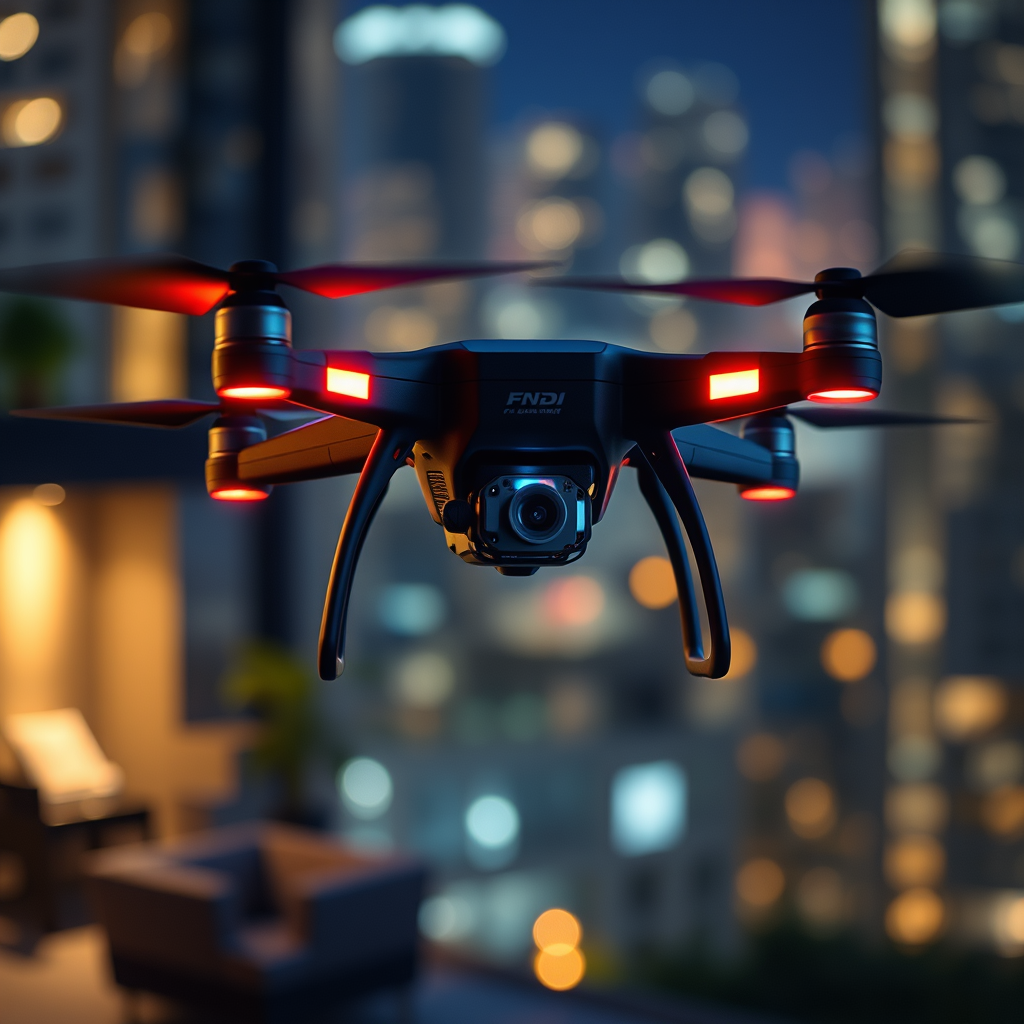
Yes, drones can legally fly at night, but there are specific regulations and requirements that must be followed. The Federal Aviation Administration (FAA) has established guidelines to ensure that nighttime drone operations are conducted safely and in compliance with federal laws. These regulations vary based on the pilot’s certification level and the type of drone being operated, making it crucial for both commercial and recreational users to understand the rules governing night flights.
Overview of Drone Regulations
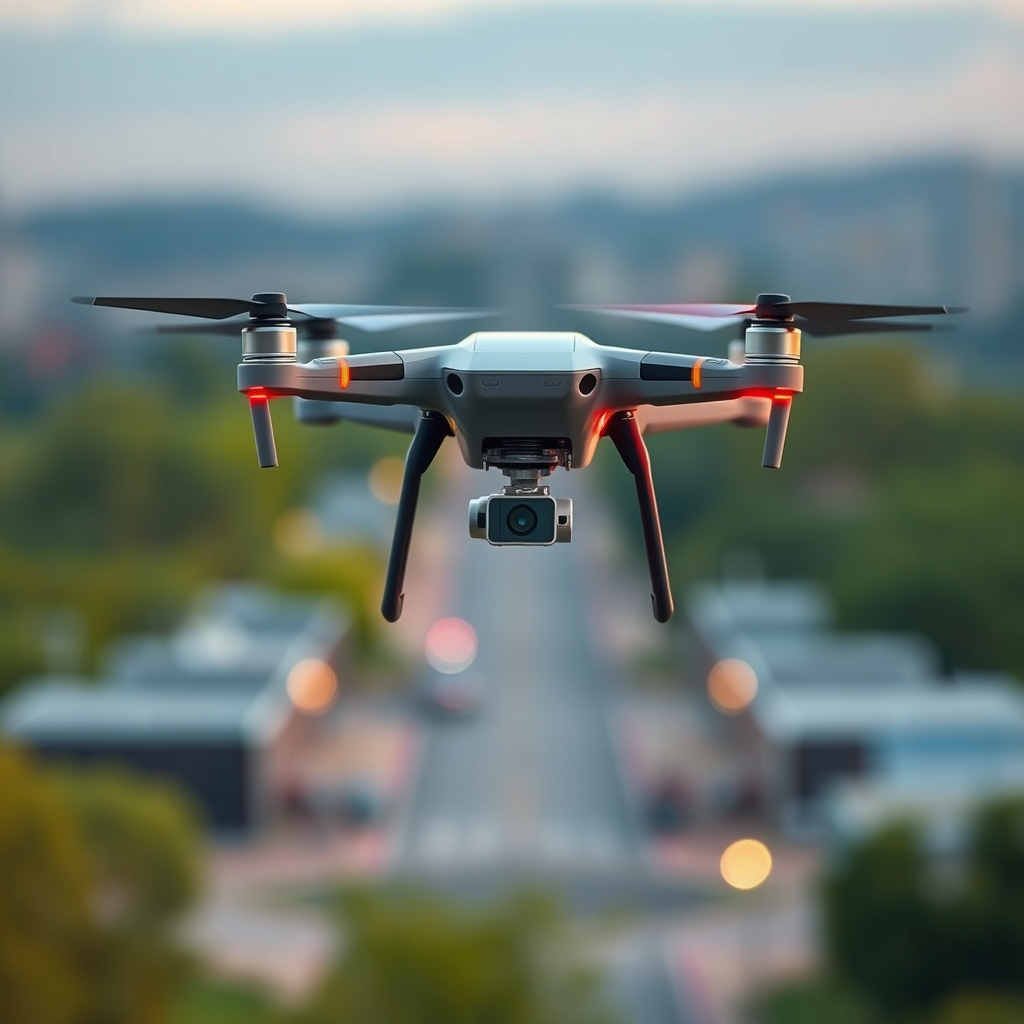
The FAA plays a pivotal role in regulating drone operations across the United States, including those conducted at night. Under the FAA’s Part 107 regulations, which govern the use of small unmanned aircraft systems (UAS), pilots are required to adhere to strict guidelines to ensure safety and accountability in the airspace. While the FAA sets the federal framework, it is also important for drone operators to be aware of local laws that may impose additional restrictions or requirements on nighttime flying. These local regulations can vary significantly from one jurisdiction to another, so it’s advisable for pilots to conduct thorough research prior to flying.
As drone technology continues to evolve, the FAA has been working diligently to update its regulations, including those for night flying. This ongoing evolution emphasizes the need for both commercial and recreational operators to remain current on the latest FAA updates to ensure compliance.
Night Flying Requirements for Commercial Operators
For commercial drone pilots, flying at night necessitates adherence to specific requirements set forth by the FAA. First and foremost, operators must possess a valid Part 107 certification, which involves passing a rigorous aeronautical knowledge test. This certification demonstrates that the pilot has an understanding of airspace classifications, weather, and other critical operational factors.
Additionally, commercial drone operators are required to equip their drones with anti-collision lights that are visible from at least three statute miles. These lights are essential for ensuring the visibility of the drone to other aircraft and for maintaining safety during nighttime operations. The FAA stipulates that these lights must be operational during nighttime flights, and failure to comply can lead to severe penalties.
In certain cases, commercial operators may also need to conduct risk assessments for their specific flight scenarios, ensuring that all safety precautions are in place prior to taking off. This may include evaluating the surrounding environment, potential hazards, and the capabilities of the drone being used.
Night Flying Requirements for Recreational Users
Recreational drone flyers, like their commercial counterparts, must follow the same regulations when it comes to flying at night. Although recreational flying may not require a Part 107 certification, operators are still obligated to ensure that their drones are equipped with anti-collision lights for visibility. This requirement underscores the importance of safety in drone operations, regardless of the pilot’s purpose for flying.
Moreover, registration of recreational drones with the FAA is mandatory if the drone weighs more than 0.55 pounds. This registration process not only helps with accountability but also fosters a culture of responsibility among drone users. Just as commercial pilots must conduct risk assessments, recreational flyers should take safety precautions, including familiarizing themselves with the operating environment and avoiding crowded areas.
Both types of operators are encouraged to utilize resources such as the FAA’s website and local drone clubs or organizations to stay informed about best practices and safety measures for nighttime flying.
Safety Considerations for Night Flying
When flying drones at night, safety must always be the top priority. Proper lighting is crucial for visibility, and operators should ensure that their anti-collision lights are functioning correctly before takeoff. These lights help both the drone operator and other pilots in the vicinity to see the drone, reducing the risk of mid-air collisions.
Maintaining a clear line of sight is another critical safety consideration. The FAA requires drone operators to keep their aircraft within visual line of sight, even during nighttime operations. This requirement can be more challenging at night, so pilots should be diligent in ensuring they can track their drone’s position and orientation throughout the flight.
Additionally, operators should consider the limitations of their equipment in low-light conditions. Many drones come equipped with cameras that may not perform as well in the dark, so understanding the capabilities and limitations of your drone is essential. Utilizing drones that are specifically designed for nighttime operations, such as those equipped with night vision or thermal imaging technology, can enhance safety and operational effectiveness.
Benefits of Flying Drones at Night
Despite the added challenges of nighttime flying, there are several benefits that make it an appealing option for drone operators. One of the most significant advantages is the opportunity to capture unique perspectives and imagery that are not possible during the day. Nighttime landscapes can reveal stunning visuals, including illuminated cityscapes, natural phenomena, and other breathtaking scenes.
Moreover, flying at night often means encountering less crowded airspace. This reduced competition can provide pilots with greater freedom to maneuver and explore areas that may be off-limits during peak daytime hours. Additionally, drones equipped with night vision or thermal imaging capabilities can greatly enhance data collection for various applications, including search and rescue, agricultural monitoring, and infrastructure inspection.
Nighttime operations can also be beneficial for commercial applications, such as event coverage or emergency services, where visibility and safety are paramount. The ability to operate drones effectively at night opens new avenues for businesses and service providers, allowing them to broaden their operational capabilities.
Common Misconceptions about Night Flying
There are several misconceptions surrounding nighttime drone flying that can lead to confusion among operators. A prevalent belief is that night flying is entirely prohibited; however, this is not the case. As outlined by the FAA, flying drones at night is permissible as long as operators adhere to the established regulations and safety measures.
Another common misunderstanding is that all drones can fly at night without restrictions. In reality, the ability to operate at night hinges on the drone’s equipment, the pilot’s certification status, and compliance with the FAA’s regulations. It is imperative for operators to recognize that not all drones are equipped for night flights, and simply assuming that they can fly at night may result in legal repercussions.
Future of Nighttime Drone Operations
As drone technology rapidly evolves, the future of nighttime operations looks promising. Innovations in lighting, sensors, and autonomous flight systems may lead to more flexible regulations that could enhance the capabilities of drones during nighttime operations. The integration of advanced artificial intelligence and machine learning technologies may further improve safety and efficiency, allowing for smarter navigation systems that can adapt to changing conditions in real-time.
Moreover, as industries such as emergency services, agriculture, and infrastructure continue to explore the benefits of drone usage, there may be an increased demand for nighttime operations. This could prompt regulatory bodies like the FAA to revisit and refine existing regulations, making it easier for operators to take advantage of nighttime flying opportunities.
In conclusion, flying drones at night is a viable option for both commercial and recreational users, provided they adhere to specific regulations and safety protocols. Understanding the requirements set forth by the FAA, including certification, equipment standards, and local laws, is crucial for ensuring compliance and promoting safe operations. As technology advances and regulations evolve, drone operators should stay informed and prepared to embrace the opportunities that nighttime flying presents.
Frequently Asked Questions
Can drones legally fly at night in the United States?
Yes, drones can legally fly at night in the United States, but operators must adhere to specific regulations set by the Federal Aviation Administration (FAA). To fly at night, drone pilots must have a Part 107 certification and their drone must be equipped with anti-collision lights visible for at least three statute miles. Additionally, pilots should ensure they can maintain visual line-of-sight and comply with any local laws that may restrict night flying.
What are the requirements for flying a drone at night?
To legally fly a drone at night, operators must possess a valid Part 107 Remote Pilot Certificate issued by the FAA. Furthermore, the drone must be equipped with proper lighting that makes it visible to other aircraft and allows the pilot to maintain visual awareness of its position. It’s also crucial to check for any additional state or local regulations that may impose stricter rules on night operations.
Why is it important to have lights on a drone when flying at night?
Having lights on a drone when flying at night is crucial for safety and compliance with FAA regulations. The lights help improve visibility, allowing other aircraft and people on the ground to see the drone from a distance, which reduces the risk of collisions. Additionally, lights enable the pilot to maintain better situational awareness, ensuring they can navigate effectively in low-light conditions.
How does flying a drone at night differ from daytime operations?
Flying a drone at night presents unique challenges compared to daytime operations, primarily due to reduced visibility. During nighttime flights, pilots must rely more on their drone’s lights and GPS systems to maintain orientation and avoid obstacles. Moreover, night flying may require more meticulous planning regarding battery life, as the darker conditions can affect the pilot’s ability to judge distances and fly safely.
What are the best practices for flying a drone at night?
The best practices for flying a drone at night include ensuring your drone is equipped with bright, visible lights, conducting thorough pre-flight checks, and flying in familiar areas to avoid obstacles. Additionally, it’s essential to plan your flight route carefully, maintain visual line-of-sight, and inform anyone nearby about your night operation to ensure safety. Lastly, consider using a drone with advanced GPS and stabilization features to enhance control in low-light conditions.
References
- https://www.faa.gov/uas/getting_started/part_107/
- https://www.faa.gov/uas/fly_safe/night_operations
- https://www.nytimes.com/2021/04/30/business/drones-night-flying.html
- https://www.reuters.com/business/aerospace-defense/faa-issues-new-rules-drone-operations-night-2021-04-28/
- https://www.nasa.gov/feature/nasa-tests-drones-flying-at-night
- https://www.theguardian.com/technology/2021/apr/28/faa-drone-night-flying-rules
- https://en.wikipedia.org/wiki/Drone#Regulations_and_law
- https://www.nichd.nih.gov/health/topics/aviation/drones
- https://www.techrepublic.com/article/what-are-the-faa-regulations-for-flying-drones-at-night/
