
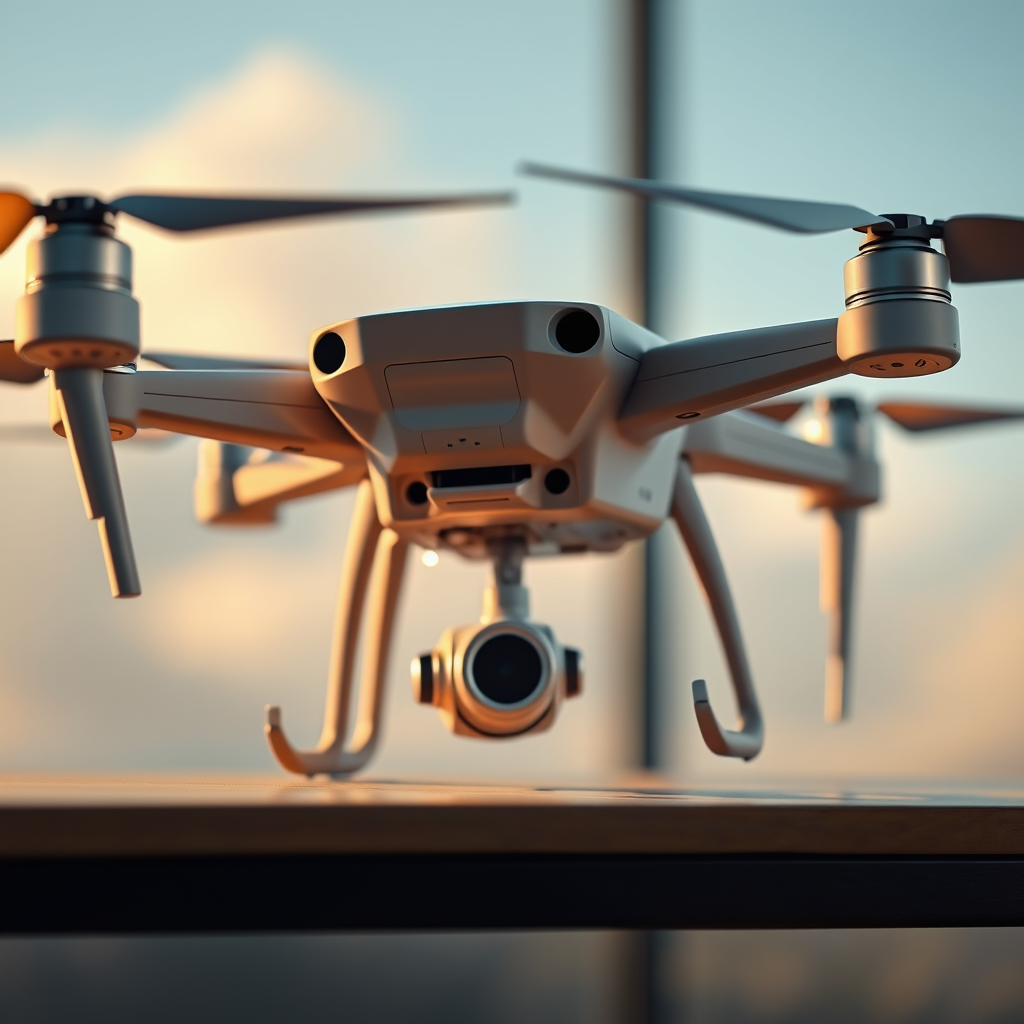
Drones can indeed be designed to resemble planes, with various models mimicking the shape and functionality of traditional aircraft. This convergence in design is driven by advancements in technology, aerodynamics, and the specific applications of drones in aviation. As the drone industry continues to evolve, understanding the similarities and differences between drones and planes is essential for both enthusiasts and professionals.
Understanding Drones and Planes
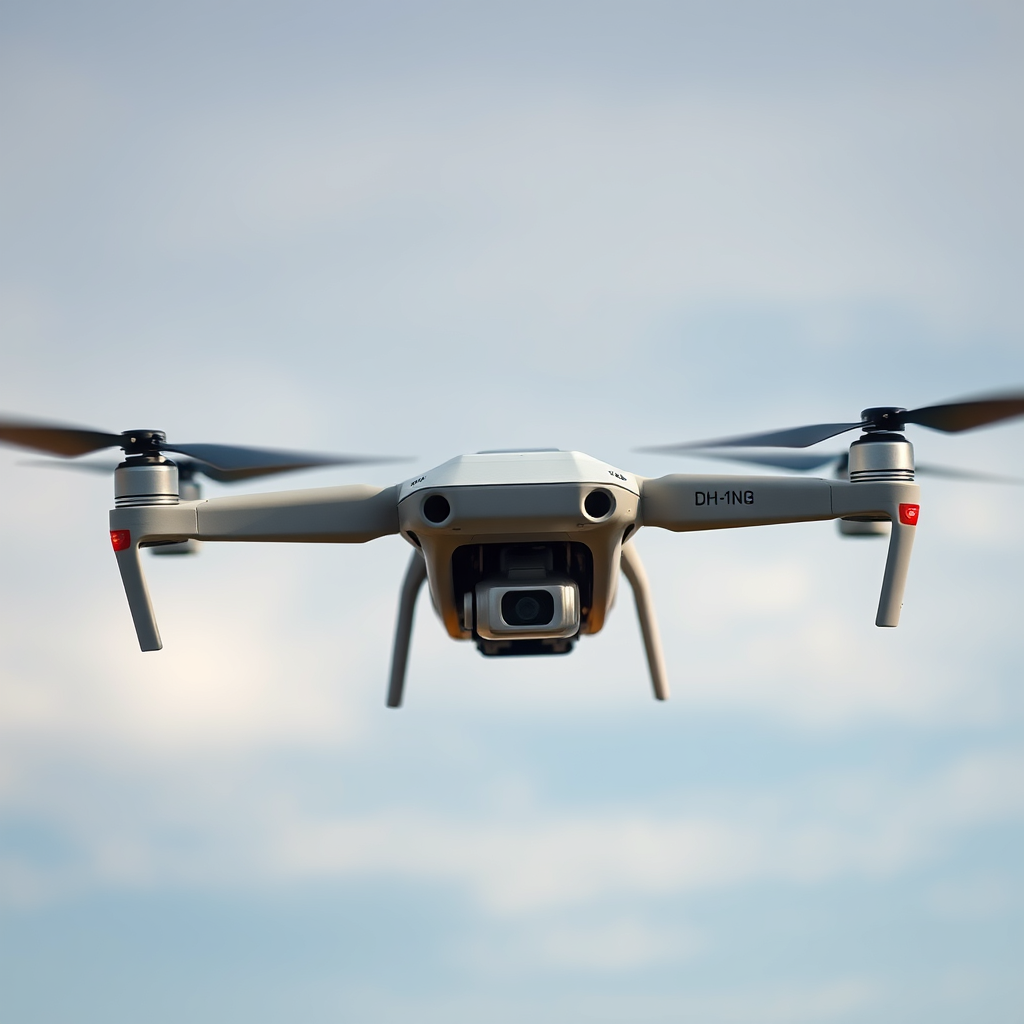
Drones, formally known as unmanned aerial vehicles (UAVs), encompass a wide range of designs and functionalities. They can be remotely piloted or operate autonomously, making them versatile tools for numerous applications such as aerial photography, surveillance, agriculture, and delivery services. Unlike traditional aircraft, drones do not require a pilot on board, allowing for more compact and varied designs that cater to specific needs.
Planes, on the other hand, are manned vehicles designed primarily for the transportation of passengers or cargo. They typically feature fixed wings, a fuselage, and a cockpit for pilots, which distinguishes them from the myriad of configurations found in drone technology. The fundamental difference in purpose—carrying human passengers versus performing tasks autonomously or via remote control—shapes the design and operational parameters of both drones and planes.
Design Elements of Drones That Resemble Planes
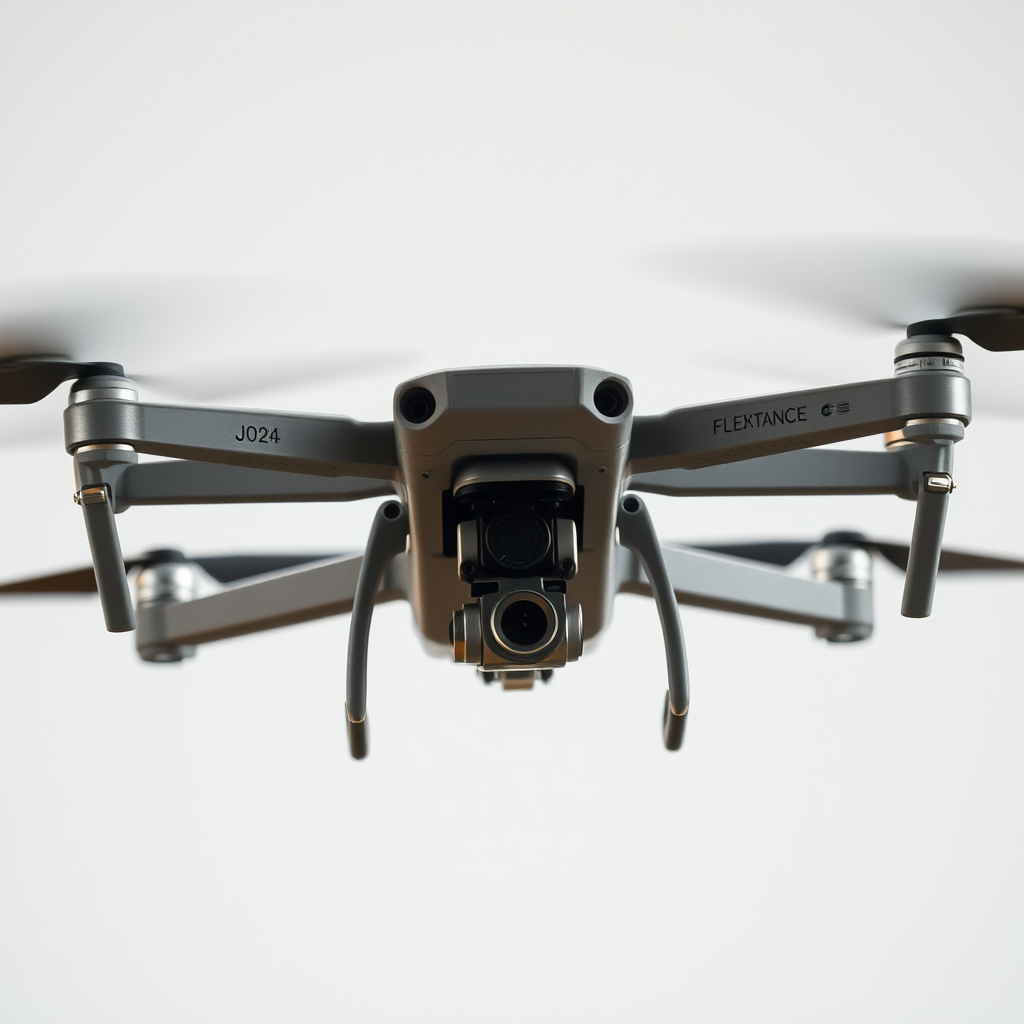
Many contemporary drones incorporate design elements that closely resemble those of traditional airplanes to enhance their performance. For instance, several UAV models feature wings and fuselage shapes similar to those of airplanes, optimizing aerodynamics and improving flight efficiency. A prime example is the fixed-wing drone, which boasts a streamlined profile akin to that of a small aircraft. These drones can achieve greater speeds and extended range, making them ideal for tasks that require long-distance travel.
Additionally, the integration of tail structures in some drone designs aids in stability, mirroring the configuration found in manned aircraft. Such tail designs can include vertical stabilizers and horizontal stabilizers, which help manage the drone’s pitch and yaw during flight. This resemblance not only enhances the drone’s maneuverability but also provides a familiar aesthetic for users transitioning from piloting planes to operating drones.
Functional Similarities Between Drones and Planes
Both drones and planes can execute similar aerial maneuvers, including takeoff, cruising, and landing. Advanced drone models, particularly those designed to resemble planes, can utilize runway takeoffs and landings, thereby mimicking traditional aircraft operations. This functionality is particularly advantageous for applications such as agricultural monitoring and surveying, where longer flight times and increased range are crucial.
Drones designed with plane-like features often boast superior flight durations and ranges compared to their multi-rotor counterparts. For instance, fixed-wing drones, like the senseFly eBee X, can fly for several hours, covering vast areas—something that is invaluable for tasks such as mapping or search and rescue operations. These extended capabilities make plane-like drones increasingly popular in industries requiring long-range surveillance or delivery services.
Advantages of Plane-Like Drones
One of the primary advantages of plane-like drones is their enhanced aerodynamics, which can significantly improve fuel efficiency and extend flight duration. The streamlined design reduces drag, allowing drones to conserve energy and travel longer distances without the need for frequent recharging or refueling. This is particularly beneficial in commercial applications, where operational costs are a significant concern.
Another notable advantage is the improved payload capacity that plane-like designs can offer. The larger fuselage allows for the transport of heavier goods or advanced equipment, making these drones suitable for logistical tasks or scientific research. For example, drones used in environmental monitoring can carry specialized sensors or cameras, enabling researchers to gather data over expansive areas efficiently.
Limitations of Drone Designs Mimicking Planes
Despite their advantages, drones that resemble planes also face specific limitations. One significant challenge is regulatory compliance; many countries impose strict regulations on UAVs that resemble manned aircraft. This resemblance can lead to confusion in airspace management and complicate the approval process for commercial use. Operators must navigate these regulations carefully, often requiring additional certifications or permissions to operate plane-like drones.
Furthermore, the complexity of designing and manufacturing drones that mimic traditional planes can lead to increased costs and maintenance requirements. The engineering involved in creating sophisticated aerodynamics, as well as the need for robust materials to withstand various flight conditions, can make plane-like drones more expensive than simpler multi-rotor models. This cost factor may deter some businesses or individuals from investing in such advanced UAVs.
Future Trends in Drone Design
The future of drone design is poised for exciting innovations, particularly as advancements in materials and technology continue to emerge. Lightweight composites, improved battery technologies, and enhanced propulsion systems are expected to pave the way for even more sophisticated drone designs that replicate airplane features. These innovations could lead to drones that are not only more efficient but also capable of carrying larger payloads over longer distances.
Furthermore, as the applications for drones expand across various sectors—including agriculture, logistics, and emergency response—hybrid models that combine the best aspects of both drones and planes are likely to emerge. These hybrids may incorporate vertical takeoff and landing (VTOL) capabilities, allowing for the convenience of drone operations alongside the efficiency of fixed-wing flight. Such developments will undoubtedly reshape the landscape of aerial technology, blurring the lines between traditional aircraft and UAVs.
In conclusion, drones can indeed look like planes, and this design choice offers numerous functional advantages. By incorporating elements such as wings, fuselage shapes, and tail structures, drones can optimize their performance for a variety of applications. However, challenges such as regulatory hurdles and increased costs must be carefully managed. As technology continues to evolve, we can expect to see more innovative designs that blur the lines between drones and traditional aircraft, paving the way for a new era in aerial technology. If you’re interested in the future of aerial technology, keep an eye on these developments!
Frequently Asked Questions
Can drones be designed to look like airplanes?
Yes, drones can be designed to resemble airplanes in both appearance and functionality. These types of drones, commonly referred to as fixed-wing drones, often have elongated bodies, wings, and tails similar to traditional aircraft. They are typically used for applications like aerial mapping, surveying, and agricultural monitoring, where long flight times and efficient coverage are essential.
Why do some drones mimic the design of airplanes?
Drones mimic the design of airplanes primarily to enhance performance and efficiency. Fixed-wing drones can achieve higher speeds and longer flight durations compared to multi-rotor drones, making them ideal for specific tasks such as long-range surveillance or agricultural assessments. This aerodynamic design allows them to cover larger areas without the need for frequent recharges, which is a common pain point for users needing extended drone operations.
What are the advantages of using airplane-like drones over traditional quadcopters?
Airplane-like drones, or fixed-wing drones, offer several advantages over traditional quadcopters. They can fly longer distances at faster speeds, making them suitable for tasks that require extensive area coverage, like mapping and monitoring. Additionally, they can handle adverse weather conditions better and often have greater payload capacities, making them ideal for commercial applications such as delivery services and agricultural spraying.
Which industries benefit the most from airplane-style drones?
Several industries benefit significantly from airplane-style drones, including agriculture, construction, and environmental monitoring. In agriculture, these drones are used for crop surveillance and precision agriculture, allowing farmers to make data-driven decisions. In construction, they assist in site surveying and project monitoring, while environmental agencies utilize them for wildlife tracking and habitat mapping, showcasing their versatility and efficiency across various sectors.
How do I choose between a drone that looks like a plane and one that looks like a quadcopter?
Choosing between a fixed-wing drone and a quadcopter depends on your specific needs and use cases. If you require long flight times and the ability to cover vast areas quickly, a fixed-wing drone may be the best option. However, if you need versatility, maneuverability, and the capability to hover in place, a quadcopter would be more suitable. Consider factors such as flight range, payload capacity, and intended applications when making your decision.
References
- https://en.wikipedia.org/wiki/Drone
- https://www.bbc.com/news/science-environment-49515505
- https://www.reuters.com/technology/drone-delivery-future-flies-high-2021-06-14/
- https://www.nasa.gov/mission_pages/drones/index.html
- https://www.sciencedirect.com/topics/engineering/unmanned-aerial-vehicle
- https://www.faa.gov/uas/
- https://www.theguardian.com/us-news/2019/jul/29/drones-future-military-civilian-technology
- https://www.aaai.org/ojs/index.php/aimagazine/article/view/2640
