

Yes, drones can refuel in the air, a process known as aerial refueling. This technology allows unmanned aerial vehicles (UAVs) to extend their operational range and endurance significantly. As military and civilian applications for drones continue to grow, aerial refueling emerges as a vital capability that enhances the operational effectiveness of these aircraft. In this article, we will explore how aerial refueling works for drones, its applications, and the future of this capability.
Understanding Aerial Refueling

Aerial refueling is a method that allows aircraft to receive fuel while in flight, thereby eliminating the need for them to land for refueling. This capability is particularly significant for drones as it enables them to conduct longer missions without interruption, increasing their operational flexibility. The process typically involves a refueling aircraft transferring fuel to a receiving drone through specialized equipment. This not only extends the flight duration of drones but also enables them to cover greater distances, making them invaluable for various missions, including surveillance, reconnaissance, and combat operations.
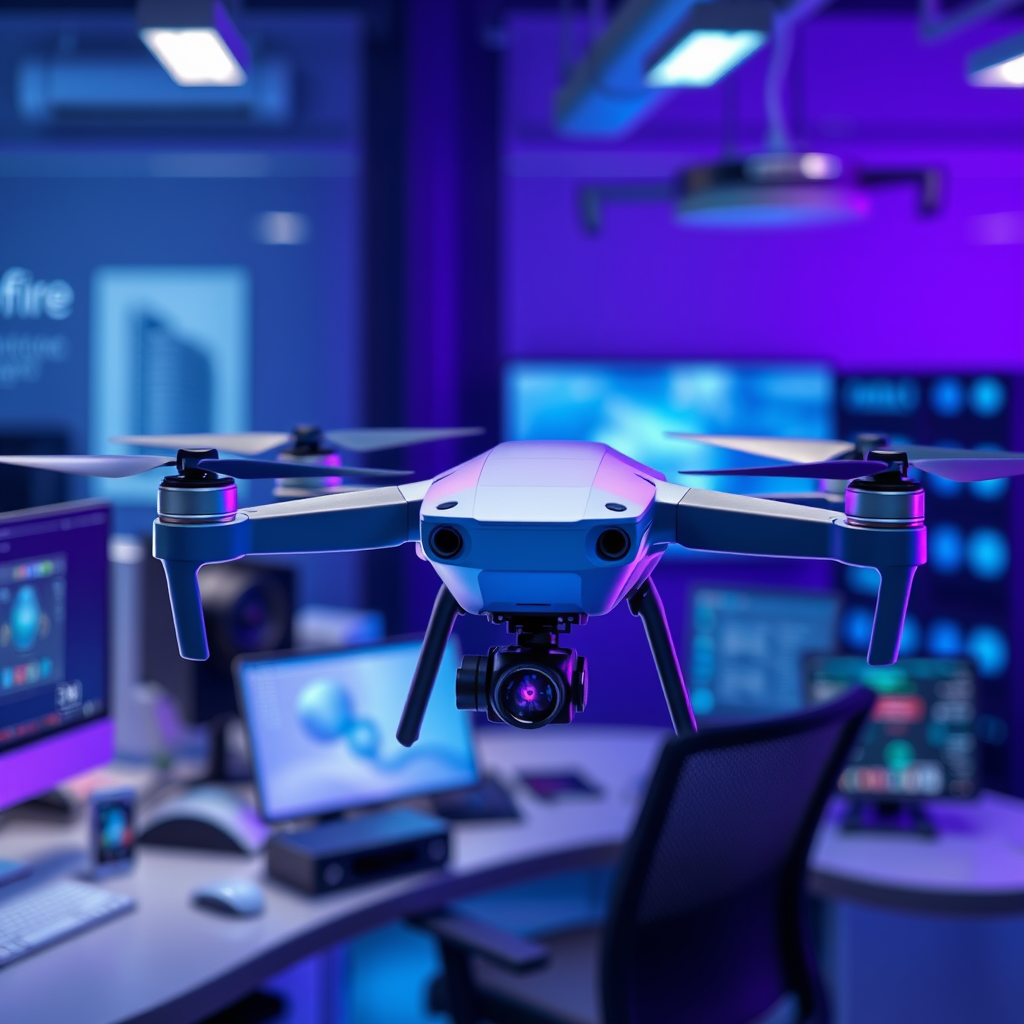
The mechanisms involved in aerial refueling for drones can vary, but they generally include systems that facilitate the transfer of fuel at high altitudes and speeds. Key components of this process include the refueling vehicle, which carries the fuel, and the drone, which must be equipped with a compatible refueling system. Proper alignment and speed management are crucial during the refueling process to ensure safety and efficiency.
Types of Refueling Systems
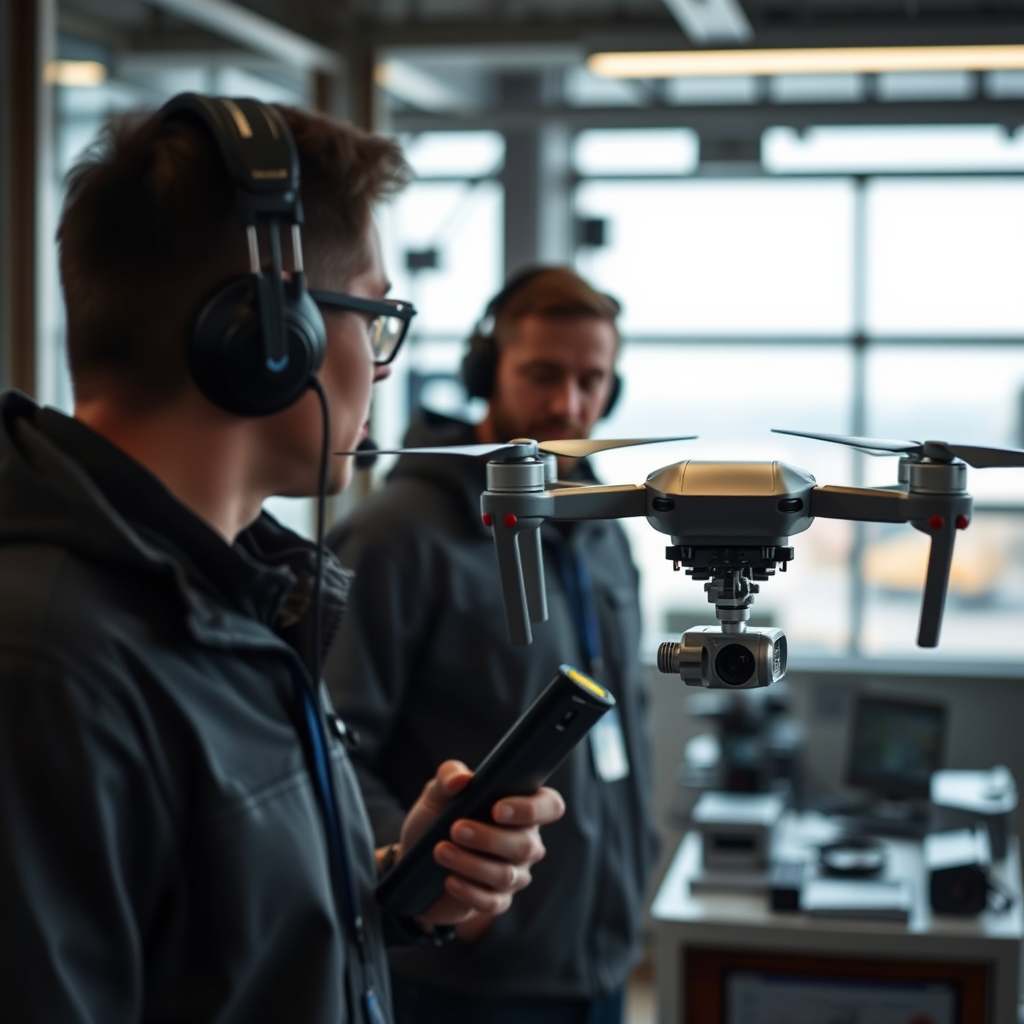
Aerial refueling systems for drones can primarily be categorized into two types: probe-and-drogue systems and boom refueling systems.
Probe-and-Drogue Systems
The probe-and-drogue system is one of the most common refueling methods used for military drones. In this system, the drone is equipped with a probe that extends from its fuselage. The refueling aircraft carries a flexible hose with a drogue (a funnel-shaped device) at its end. During refueling, the drone maneuvers to insert its probe into the drogue, allowing fuel to flow from the refueling aircraft. This system is particularly effective for smaller UAVs and offers a degree of flexibility, enabling the drone to maintain a stable flight path while refueling.
Boom Refueling Systems
In contrast, boom refueling involves a rigid, telescoping arm that extends from the refueling aircraft. This system is generally used for larger UAVs, such as those operated by military forces. The boom is controlled by an operator in the refueling aircraft, who aligns it with a receptacle on the drone. Boom refueling systems can transfer fuel at a higher rate than probe-and-drogue systems, making them suitable for larger drones that require significant fuel quantities. The precision and speed of this system provide substantial advantages in combat scenarios, where time is critical.
Current Applications in Military Operations
Aerial refueling has become a game-changer for military drones, enabling extended missions that were previously impossible. For instance, the U.S. Air Force’s MQ-9 Reaper drone can conduct long-duration missions, thanks in part to its ability to refuel in the air. This capability allows the Reaper to remain airborne for up to 27 hours, significantly enhancing its reconnaissance and strike capabilities.
Moreover, the Northrop Grumman RQ-4 Global Hawk, a high-altitude long-endurance UAV, benefits from aerial refueling to extend its surveillance operations. By reducing the number of necessary landings, these drones can continuously gather intelligence over vast areas, providing critical support to ground forces and improving situational awareness.
The strategic advantages provided by aerial refueling are profound. By allowing drones to operate for extended periods, military forces can maintain a persistent presence in contested areas without the logistical challenges of frequent landings and takeoffs. This capability not only improves the effectiveness of military operations but also enhances overall mission success rates.
Challenges and Limitations
Despite the clear benefits of aerial refueling for drones, several technical challenges and limitations remain. One of the primary challenges is the need for precise coordination between the refueling aircraft and the drone. Any misalignment or speed discrepancy can lead to dangerous situations, including mid-air collisions or fuel spillage.
Additionally, the integration of aerial refueling technology into existing drone platforms can be complex and costly. Many drones are not originally designed for refueling systems, requiring significant modifications that can impact their weight, aerodynamics, and overall performance. Moreover, there are concerns regarding the reliability of these systems under various operational conditions, particularly in combat scenarios where electronic warfare may disrupt communication between the refueling aircraft and the drone.
Furthermore, regulatory and safety issues pose limitations to the widespread adoption of aerial refueling technology. Airspace management and coordination with air traffic control systems must be addressed to ensure safe operations, particularly in crowded airspaces.
Future Developments in Drone Refueling
The future of aerial refueling technology for drones looks promising, with several innovations on the horizon. Advances in automation and artificial intelligence (AI) are expected to enhance the refueling process, making it more efficient and safer. Autonomous drones capable of executing aerial refueling without human intervention could soon become a reality, allowing for seamless operations in various environments.
Additionally, research into new materials and designs for refueling systems could lead to lighter and more efficient equipment, enhancing the overall performance of both refueling aircraft and drones. The development of advanced algorithms for flight path optimization will also play a crucial role in improving the safety and effectiveness of aerial refueling operations.
Furthermore, as military forces increasingly emphasize the importance of unmanned systems, we can expect to see more investments in aerial refueling capabilities, leading to broader applications in both military and civilian sectors. The integration of aerial refueling with other emerging technologies, such as drone swarming and autonomous flight, could further revolutionize the capabilities of UAVs in the coming years.
Case Studies of Successful Aerial Refueling
Several notable instances of successful aerial refueling highlight the capabilities and implications of this technology. One of the most prominent examples is the U.S. Navy’s integration of aerial refueling with the MQ-25 Stingray drone. This unmanned carrier-based aerial refueling system successfully demonstrated its ability to refuel various aircraft in mid-air, showcasing the potential for expanded operational capabilities in naval aviation.
Another significant case is the U.S. Air Force’s use of the KC-135 Stratotanker to refuel the MQ-9 Reaper during joint exercises. These operations have proven the effectiveness of aerial refueling in extending the operational range of drones, allowing them to conduct complex missions that require both endurance and flexibility. The lessons learned from these case studies not only validate the technology but also inform future developments and strategic planning for drone operations.
In analyzing these outcomes, it is clear that aerial refueling technology not only enhances the capabilities of drones but also transforms the way military forces deploy and utilize UAVs in modern warfare. The ability to maintain a persistent operational presence in contested environments is invaluable and underscores the strategic importance of this technology.
In conclusion, while aerial refueling for drones is a developing technology, it holds significant promise for enhancing the capabilities of UAVs in various sectors. By enabling extended flight times and operational flexibility, aerial refueling is set to play a pivotal role in the future of drone operations. As advancements continue, we can expect to see more extensive applications and improved systems, expanding the horizons of drone capabilities and operational effectiveness across military and civilian domains.
Frequently Asked Questions
Can drones refuel in the air like traditional aircraft?
Currently, most drones cannot refuel in the air like traditional aircraft due to their smaller size and the complexities involved in mid-air refueling. While military drones have some advanced systems for in-flight refueling, the technology is still in its infancy for commercial drones. As drone technology evolves, we may see more developments in this area, but for now, airborne refueling remains limited to specific military applications.
How does mid-air refueling for drones work?
Mid-air refueling for drones typically involves a specialized drone acting as a fuel tanker, equipped with a hose-and-drogue or boom system that connects to the receiving drone. This process requires precise maneuvering and coordination, often supported by advanced autopilot systems. While promising, mid-air refueling technology is still being refined and is mostly utilized in military operations rather than in commercial or recreational drone use.
Why is mid-air refueling important for military drones?
Mid-air refueling is crucial for military drones as it extends their operational range and endurance, allowing them to conduct longer missions without needing to land for recharging or refueling. This capability enhances surveillance, reconnaissance, and tactical operations, providing strategic advantages in various scenarios. By maintaining aerial presence longer, military drones can gather more intelligence and respond effectively to dynamic situations.
What are the challenges of implementing mid-air refueling for commercial drones?
Implementing mid-air refueling for commercial drones faces several challenges, including safety concerns, regulatory hurdles, and the need for advanced technology to ensure precision and reliability. Additionally, commercial drones typically operate in environments that require adherence to strict air traffic regulations, making in-flight refueling operations complicated. Until these challenges are addressed, commercial drones will continue to rely on ground-based refueling and battery charging.
Which drones currently have the capability for in-flight refueling?
Currently, a select number of military drones, such as the MQ-25 Stingray and the RQ-4 Global Hawk, are designed with in-flight refueling capabilities. These drones have been engineered specifically for long-duration missions and complex operations. As the drone industry evolves, there may be advancements that enable commercial drones to incorporate similar technologies, but as of now, in-flight refueling is predominantly a military feature.
References
- https://en.wikipedia.org/wiki/Drone_refueling
- https://www.sciencedirect.com/science/article/pii/S2213138817302031
- https://www.reuters.com/technology/us-army-uses-drones-air-refueling-2021-05-05/
- https://www.bbc.com/news/technology-59360151
- https://www.nasa.gov/feature/nasa-s-uav-refueling-experience
- https://www.airforce.mil/News/Article/Article/2101647/air-force-demonstrates-in-flight-refueling-for-drones
- https://www.defense.gov/Explore/News/Article/Article/2618135/us-navy-drones-get-first-air-to-air-refueling/
- https://www.nationalgeographic.com/science/article/how-drones-are-changing-the-future-of-refueling-aircraft
- https://www.aa.com.tr/en/science-technology/us-navy-successfully-completes-in-flight-refueling-of-drones/1922882
