
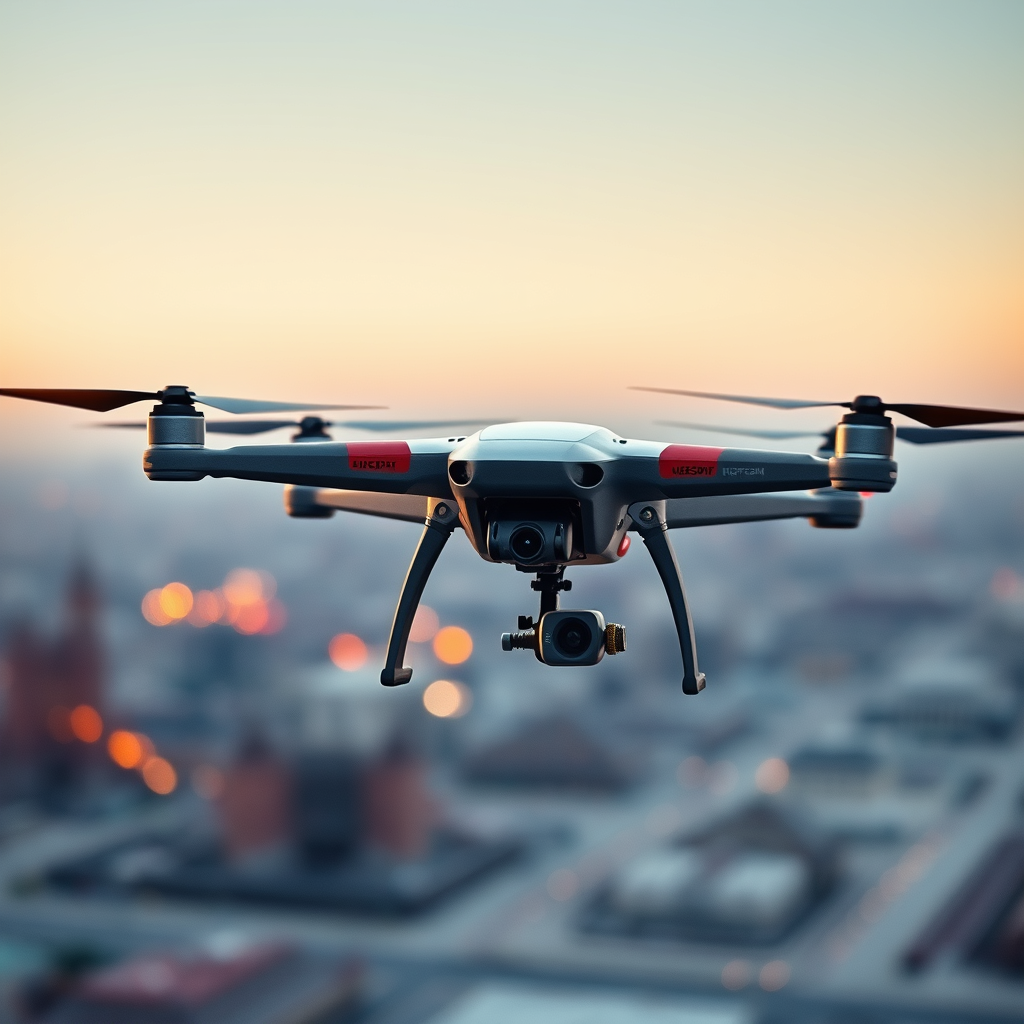
While drones are increasingly capable and offer several advantages, they cannot fully replace fighter jets in all military operations. Drones excel in surveillance, precision strikes, and reducing pilot risk, but fighter jets provide unmatched versatility, speed, and advanced combat capabilities. This article explores the strengths and weaknesses of both platforms in modern warfare, examining their evolution, tactical roles, and the future of military aviation.
The Evolution of Military Drones
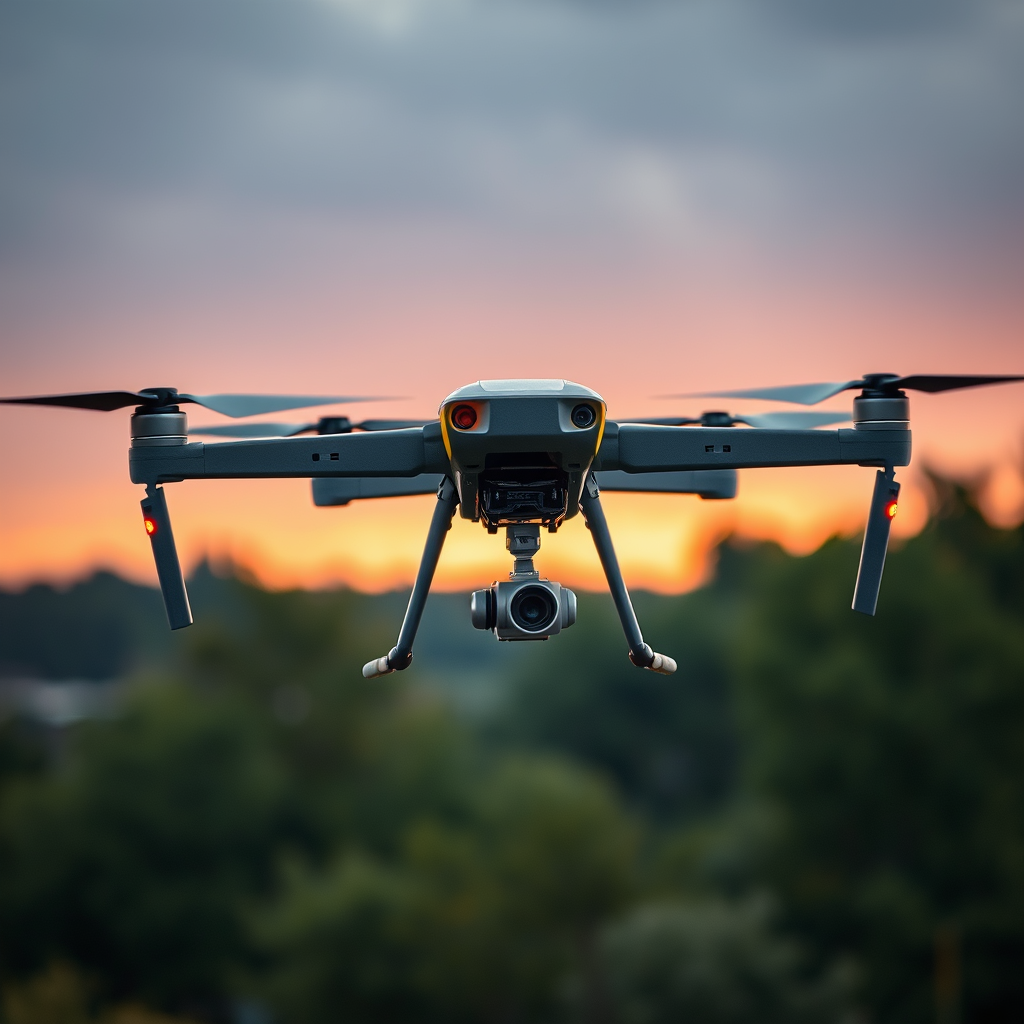
The development of military drones began in the early 20th century, with simple unmanned aerial vehicles (UAVs) used primarily for target practice. However, the significant advancements in technology over the past few decades have transformed drones into sophisticated platforms capable of carrying out a variety of missions. Key milestones include the introduction of the MQ-1 Predator in the 1990s, which was the first drone to be armed for combat, and the more advanced MQ-9 Reaper, which has been operational since the early 2000s and is known for its extended range and payload capacity.
Drones have been employed extensively in conflict zones such as Afghanistan and Iraq, showcasing their capabilities in intelligence, surveillance, reconnaissance (ISR), and targeted engagements. The ability to operate remotely allows military forces to conduct operations with a reduced footprint and lower risk to personnel. As technology has progressed, drones have begun to incorporate advanced sensors, GPS-guided munitions, and even artificial intelligence, further enhancing their operational effectiveness.
Advantages of Drones in Warfare
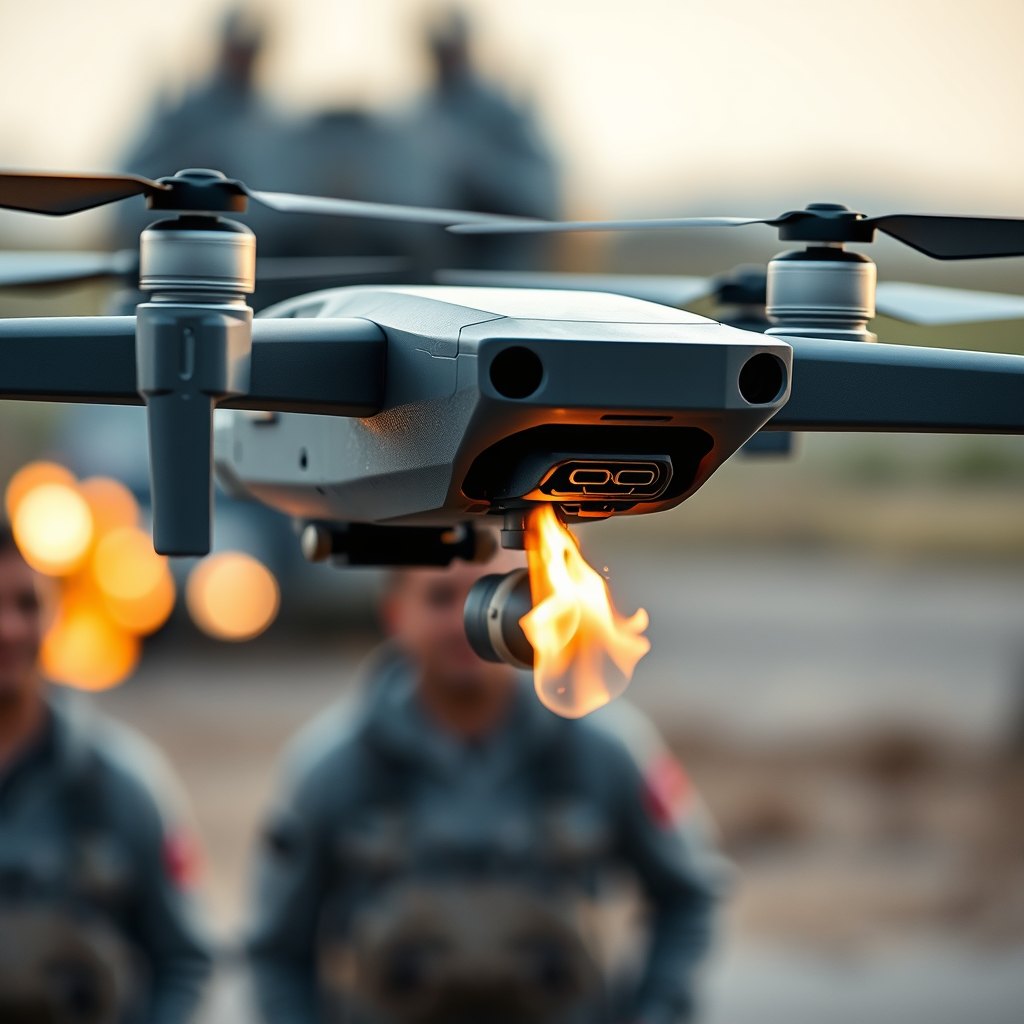
One of the most significant advantages of drones is their cost-effectiveness. The operational costs associated with unmanned systems are generally lower than those of manned aircraft, partly due to reduced fuel consumption and maintenance requirements. For example, the MQ-9 Reaper can be operated at a fraction of the cost of a fighter jet like the F-35 Lightning II, making drones an attractive option for budget-conscious military operations.
Risk reduction is another critical advantage of drones. By eliminating pilots from the equation, military forces can engage in missions that would otherwise be deemed too dangerous. Drones can perform surveillance over hostile territories, conduct precision strikes, and gather intelligence without risking the lives of pilots. This capability is especially vital in high-threat environments where traditional aircraft would face significant risks.
Limitations of Drones Compared to Fighter Jets
Despite their many advantages, drones have notable limitations when compared to fighter jets. One of the primary drawbacks is their lack of speed and agility. Drones typically operate at slower speeds than manned aircraft, which can hinder their effectiveness in fast-paced combat situations. Fighter jets, such as the F-22 Raptor, can achieve supersonic speeds and execute complex maneuvers, providing a tactical edge in air-to-air engagements.
Moreover, drones are vulnerable to electronic warfare tactics and countermeasures. As military technology evolves, adversaries are developing sophisticated methods to jam or spoof drone signals, rendering them less effective or even inoperable during critical missions. In contrast, fighter jets often come equipped with advanced countermeasures and electronic warfare capabilities that allow them to operate effectively in contested environments.
Tactical Roles: Drones vs. Fighter Jets
Drones are primarily deployed in reconnaissance and intelligence gathering roles. Their ability to loiter over an area for extended periods enables them to provide real-time intelligence to commanders on the ground. For instance, the RQ-4 Global Hawk can fly at high altitudes for up to 30 hours, offering continuous surveillance over vast distances. This capability is invaluable for monitoring enemy movements and assessing battlefield conditions.
Fighter jets, on the other hand, excel in air superiority and close air support missions. Their speed, maneuverability, and weaponry make them essential for gaining and maintaining control of the airspace. During conflicts such as Operation Desert Storm, coalition forces relied on fighter jets to establish air dominance, which was crucial for the success of ground operations. The versatility of fighter jets allows them to engage in a wide range of combat scenarios, from dogfights to precision bombing runs.
Future Trends in Military Aviation
The future of military aviation is poised for exciting advancements, particularly in drone technology and artificial intelligence (AI) integration. Increasingly, military organizations are exploring the potential of autonomous systems that can operate with minimal human intervention. This shift could lead to the development of swarming tactics, where multiple drones coordinate to overwhelm enemy defenses.
Additionally, we may see the emergence of hybrid platforms that combine the best features of both drones and fighter jets. These systems could leverage the stealth and advanced payload capabilities of drones while incorporating the speed and agility of manned aircraft. Programs like the U.S. Navy’s MQ-25 Stingray drone, designed for aerial refueling, exemplify this trend toward integrating drone capabilities with traditional aviation.
The Human Factor: Pilots vs. Automation
While automation and drone technology offer significant advantages, the human factor remains critical in combat scenarios. Human judgment is essential for making split-second decisions in dynamic environments, particularly when assessing threats and determining engagement rules. Experienced pilots can adapt to unforeseen circumstances, a quality that fully autonomous systems may lack.
Ethical considerations also arise with the increasing reliance on fully autonomous combat systems. The implications of delegating life-and-death decisions to machines raise questions about accountability and the moral responsibilities of military personnel. As these technologies evolve, it is essential to engage in discussions about the ethical frameworks that should govern their use.
In summary, while drones are transforming the landscape of military operations and offer significant benefits, they are unlikely to fully replace fighter jets due to the unique capabilities and strategic advantages that manned aircraft provide. As technology continues to evolve, a collaborative approach integrating both drones and fighter jets may offer the best solutions for future conflicts. Balancing the strengths of each platform will be vital for military forces seeking to maintain operational effectiveness in an increasingly complex battlefield.
Frequently Asked Questions
Can drones completely replace fighter jets in military operations?
While drones have advanced significantly and offer unique advantages such as lower operational costs and reduced risk to human life, they are unlikely to completely replace fighter jets in military operations. Fighter jets provide unmatched speed, maneuverability, and the capability to engage in complex aerial dogfights that drones currently cannot replicate. Additionally, the strategic role of fighter jets in maintaining air superiority and versatility in combat scenarios remains critical.
What are the advantages of using drones over fighter jets?
Drones, or unmanned aerial vehicles (UAVs), have several advantages over traditional fighter jets, including cost efficiency, minimal risk to pilots, and the ability to remain airborne for extended periods. They can be deployed for intelligence, surveillance, and reconnaissance (ISR) missions without risking human lives, and their smaller size makes them harder to detect. Furthermore, drones can be equipped with advanced sensors and weapons systems that allow for precision strikes in various combat environments.
How do drones compare to fighter jets in terms of combat capabilities?
In terms of combat capabilities, drones excel in surveillance and intelligence gathering, as well as targeted strikes without putting pilots at risk. However, fighter jets outperform drones in air-to-air combat and high-speed engagement scenarios. Drones typically have limitations in terms of payload capacity and maneuverability, making them less effective in dynamic dogfights or when quick evasive actions are needed during aerial combat.
Why are military organizations investing in drone technology instead of fighter jets?
Military organizations are investing in drone technology due to its cost-effectiveness, versatility, and the changing nature of warfare. Drones can be deployed for a range of missions, including reconnaissance, logistics, and combat, all while reducing the risk to personnel. Additionally, advancements in drone technology allow for enhanced capabilities such as autonomous flight and advanced targeting systems, making them an attractive investment for modern military strategies.
Which countries are leading in drone technology for military applications?
Countries leading in drone technology for military applications include the United States, China, Israel, and Russia. The U.S. is known for its advanced UAV programs like the MQ-9 Reaper, while China has rapidly developed its drone capabilities, with models like the Wing Loong and CH series gaining attention. Israel is recognized for its pioneering work in drone technology, particularly in ISR missions, while Russia is investing heavily in developing combat drones to enhance its military capabilities.
References
- https://www.bbc.com/news/world-us-canada-56308567
- https://www.reuters.com/technology/us-army-tests-drone-warfare-battlefield-2021-04-05/
- https://www.theguardian.com/us-news/2020/jun/26/drones-us-military-fighter-jets
- https://www.nytimes.com/2021/05/18/us/politics/drones-military.html
- https://www.rand.org/pubs/research_reports/RR440-1.html
- https://www.airforcemag.com/drone-fighter-future/
- https://www.wired.com/story/us-military-drone-fighter-jets/
- https://www.sciencedirect.com/science/article/pii/S187705091931214X
- https://www.af.mil/News/Article-Display/Article/2137394/air-force-tests-drone-battlefield-integration/
- https://en.wikipedia.org/wiki/Military_drone
