

Drones can see at night, but their ability to do so largely depends on the technology equipped on the drone. Infrared cameras and low-light imaging systems allow some drones to operate effectively in darkness. As nighttime operations become increasingly critical across various sectors, understanding how drones leverage night vision technology is essential. This article will explore how drones see at night, the technologies involved, and their applications.
How Drones Utilize Night Vision Technology
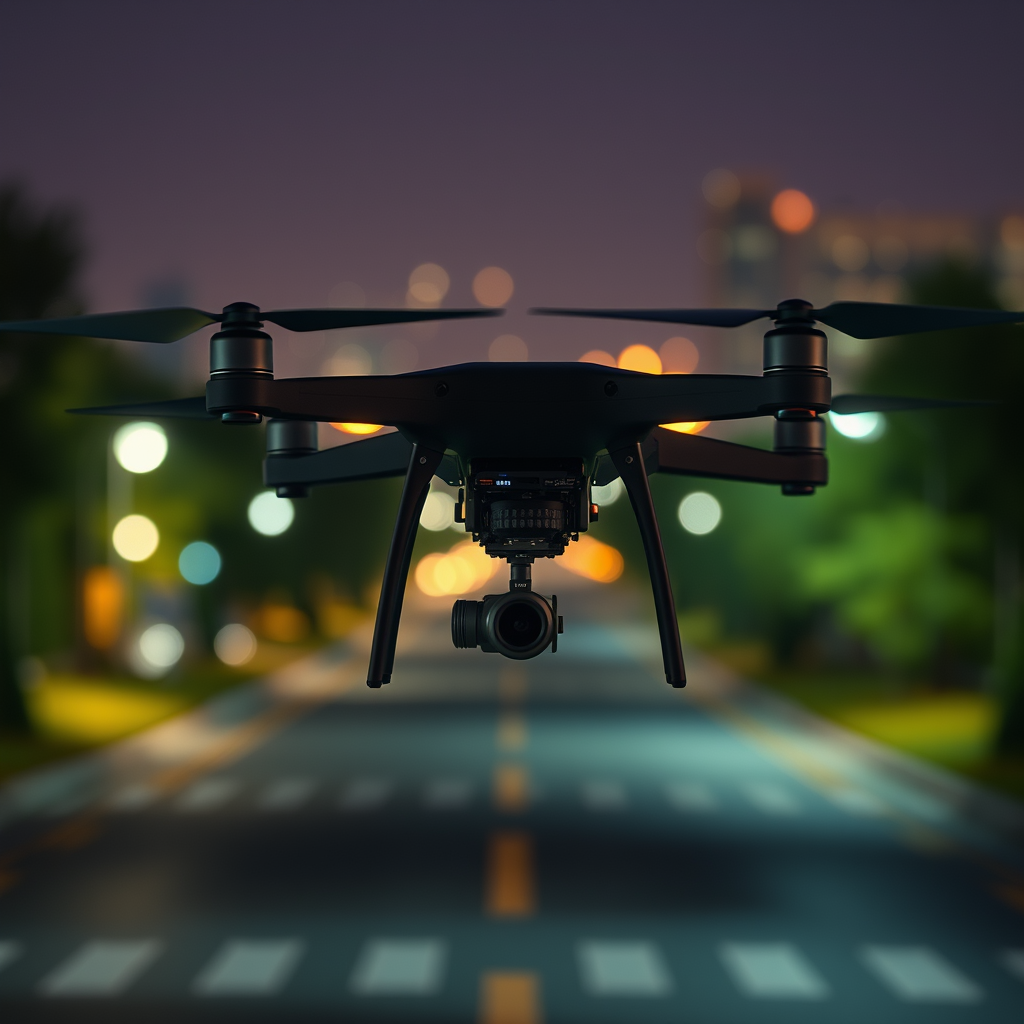
Drones often use infrared (IR) cameras to detect heat signatures in low-light conditions. These cameras capture the infrared radiation emitted by objects and convert it into a visible image, allowing operators to identify living beings, vehicles, and other heat-emitting sources even in total darkness. This heat detection capability is particularly valuable for search and rescue missions, wildlife monitoring, and military operations where visibility is compromised.
In addition to infrared cameras, low-light imaging systems play a crucial role in nighttime drone operations. These systems enhance existing light, such as moonlight or starlight, to provide clearer images at night. By amplifying the available light, low-light cameras can produce detailed visuals, enabling pilots to navigate and survey areas effectively after sunset. Together, these technologies empower drones to perform a wide range of tasks in darkness, making them indispensable tools in various industries.
Types of Night Vision Systems in Drones
Night vision systems in drones can be broadly categorized into passive and active technologies.
Passive night vision systems amplify ambient light for visibility. They function by collecting the available light in the environment and enhancing it to create a clearer image. These systems are typically less intrusive and do not require additional lighting, making them suitable for stealth operations. Examples of drones utilizing passive night vision include models equipped with low-light CMOS sensors, which are common in consumer drones aimed at photography and videography.
On the other hand, active night vision systems utilize infrared light sources to illuminate the area. These systems project infrared light, which is invisible to the naked eye, onto the target area. The reflected IR light is then captured by the drone’s camera, allowing for high-contrast images even in complete darkness. Drones used in military and law enforcement applications often employ active night vision systems for their superior detail and clarity in low-light conditions.
Advantages of Night Vision Drones
One of the primary advantages of night vision drones is their enhanced surveillance capabilities for security and law enforcement. With the ability to operate effectively in low-light conditions, these drones can monitor large areas, conduct reconnaissance missions, and assist in crowd control during nighttime events. Law enforcement agencies increasingly rely on night vision drones to enhance their situational awareness and respond to incidents more effectively.
Additionally, night vision drones significantly improve search and rescue operations in low-visibility conditions. In emergencies such as natural disasters or missing person cases, these drones can cover vast terrains quickly, identifying heat signatures that would otherwise be invisible to the naked eye. Their ability to fly in darkness and transmit real-time video feeds to rescue teams can be vital in saving lives.
Limitations of Night Vision Technology
Despite their advantages, night vision systems are not without limitations. For instance, night vision systems may struggle in total darkness without sufficient infrared light. If the environment is devoid of heat sources, the effectiveness of infrared cameras diminishes, leading to poor image quality and limited operational capabilities. This limitation is particularly pronounced in cold environments where heat signatures may be minimal.
Moreover, weather conditions such as fog, rain, or heavy cloud cover can significantly impact visibility and performance. These atmospheric conditions can scatter or absorb both ambient and infrared light, resulting in diminished image quality. Operators must consider these factors when planning nighttime operations, as they can affect the overall success of drone missions.
Popular Drones with Night Vision Features
Several consumer and professional drones are equipped with night vision capabilities, catering to different needs and applications. For instance, the DJI Mavic 2 Enterprise Dual combines both thermal and visual cameras, making it a popular choice for search and rescue, firefighting, and industrial inspections. Its compact design and versatile features enable users to capture critical data in low-light conditions.
In the realm of professional drones, the FLIR SkyRanger R70 is a robust platform designed for law enforcement and military applications. It features advanced thermal imaging capabilities, allowing operators to conduct effective surveillance and reconnaissance missions at night. The SkyRanger R70’s ability to integrate various payloads, including high-definition cameras and thermal sensors, makes it a valuable asset for complex operations requiring night vision.
Future Developments in Drone Night Vision Technology
The future of drone night vision technology looks promising, with ongoing innovations in sensor technology and imaging systems. As manufacturers continue to invest in research and development, we can expect advancements that will lead to improved performance and expanded capabilities. For instance, the integration of artificial intelligence (AI) with night vision systems could enable drones to autonomously identify and classify objects, further enhancing their operational effectiveness.
Additionally, as the demand for nighttime operations grows across various industries, there is potential for wider accessibility of advanced night vision technologies. This could lead to the development of more affordable consumer drones equipped with high-quality thermal and low-light imaging systems, democratizing access to these valuable tools for everyday users.
In conclusion, while drones can indeed see at night using advanced night vision technologies, their effectiveness can vary based on several factors, including the type of night vision system used and environmental conditions. As technology continues to advance, the capabilities of night vision drones are expected to improve, expanding their use in various fields such as security, search and rescue, and industrial applications. If you’re considering using a drone for nighttime operations, be sure to explore the available models and their features, ensuring you select the right equipment for your specific needs.
Frequently Asked Questions
Can drones see at night?
Drones typically cannot see in complete darkness as they rely on visible light to capture images and videos. However, many modern drones are equipped with night vision technology or infrared cameras that allow them to operate in low-light conditions. These features enable them to detect heat signatures and navigate effectively in darkness, making them suitable for nighttime operations.
How do night vision drones work?
Night vision drones utilize specialized cameras that amplify available light or detect infrared radiation. These cameras can capture images in low-light environments by enhancing the visibility of objects based on heat or residual light. This technology is particularly useful for surveillance, search and rescue operations, and wildlife monitoring during nighttime.
Why would someone need a drone that can see at night?
A drone that can see at night is valuable for various applications, including security surveillance, search and rescue missions, agricultural monitoring, and wildlife observation. Nighttime operations can be critical for law enforcement and emergency services, where visibility is crucial for safety and effectiveness. Additionally, night vision capabilities allow for enhanced data collection in industries like farming and environmental research.
What are the best drones for night vision?
The best drones for night vision include models like the DJI Mavic 2 Enterprise Dual, which features a thermal camera, and the Parrot Anafi USA, equipped with both thermal and 32x zoom capabilities. These drones are designed for professional use, offering high-quality imaging and reliable performance in low-light conditions. When selecting a night vision drone, consider factors such as camera quality, flight time, and range.
Are there legal restrictions on flying drones at night?
Yes, there are legal restrictions on flying drones at night, which vary by country and region. In the United States, the Federal Aviation Administration (FAA) requires pilots to have a Part 107 remote pilot certificate and to follow specific regulations, including maintaining visual line of sight. It’s essential to check local laws and regulations regarding nighttime drone operations to ensure compliance and safe flying practices.
References
- https://en.wikipedia.org/wiki/Drone_technology
- https://www.sciencedirect.com/science/article/abs/pii/S0360132319302503
- https://www.nytimes.com/2021/10/19/us/drones-night-vision.html
- https://www.theguardian.com/technology/2019/jul/11/what-you-need-to-know-about-night-vision-drones
- https://www.nist.gov/news-events/news/2018/09/new-nist-standard-helps-drones-see-in-dark
- https://www.aaas.org/news/drones-are-getting-better-night-vision
- https://www.wired.com/story/drones-are-learning-to-see-in-the-dark/
- https://www.ncbi.nlm.nih.gov/pmc/articles/PMC5955114/
