

Drones cannot see inside your house with their standard cameras due to privacy laws and limitations in technology. However, advancements in thermal imaging and other specialized equipment raise questions about privacy. Understanding how drones operate, the legal framework surrounding their use, and proactive measures to safeguard your privacy is essential in today’s tech-driven world. This article delves into these topics, providing a comprehensive overview of drone capabilities and the implications for personal privacy.
Understanding Drone Technology
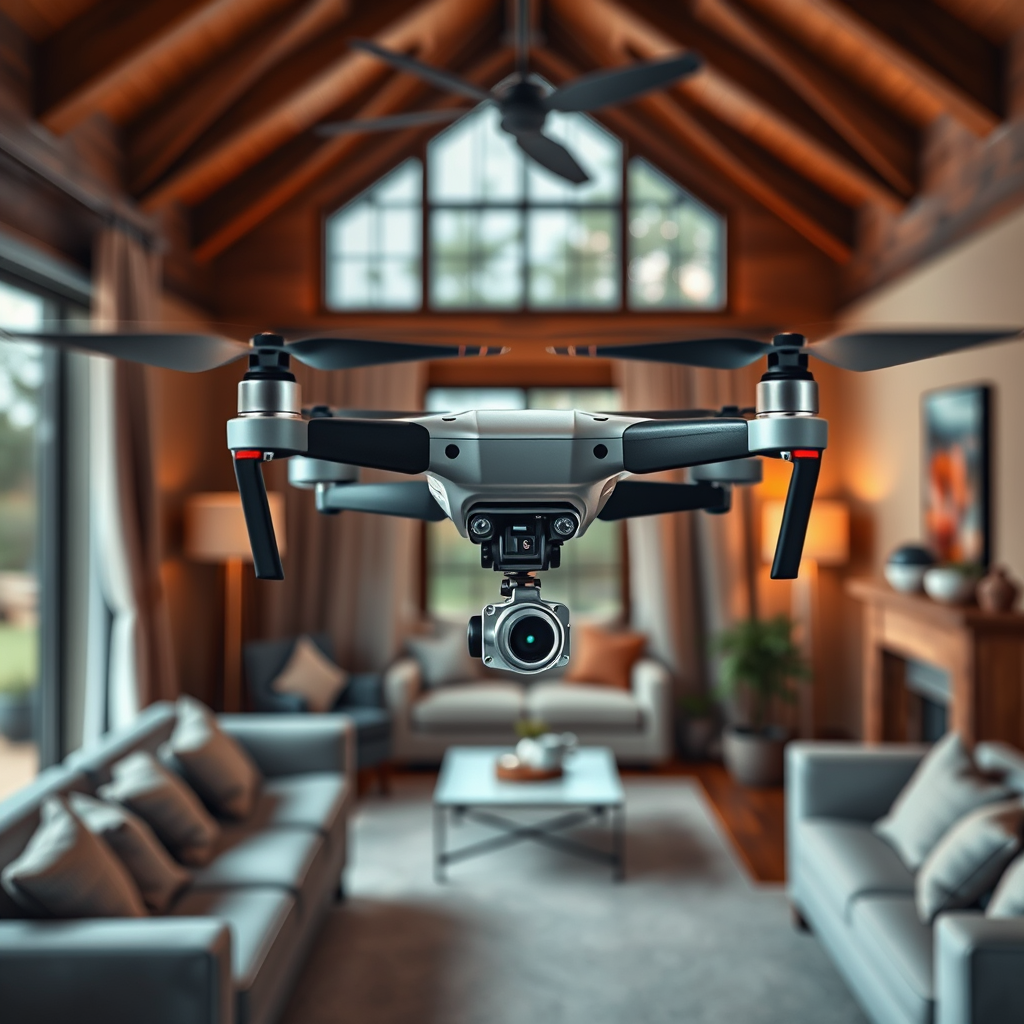
Drones are equipped with various camera technologies that allow them to capture images and gather data from aerial perspectives. Most consumer drones utilize standard cameras that feature wide-angle lenses, which are optimized for capturing expansive outdoor scenes rather than penetrating walls or windows. These cameras are designed primarily for photography and videography, making them ineffective for seeing through solid structures.
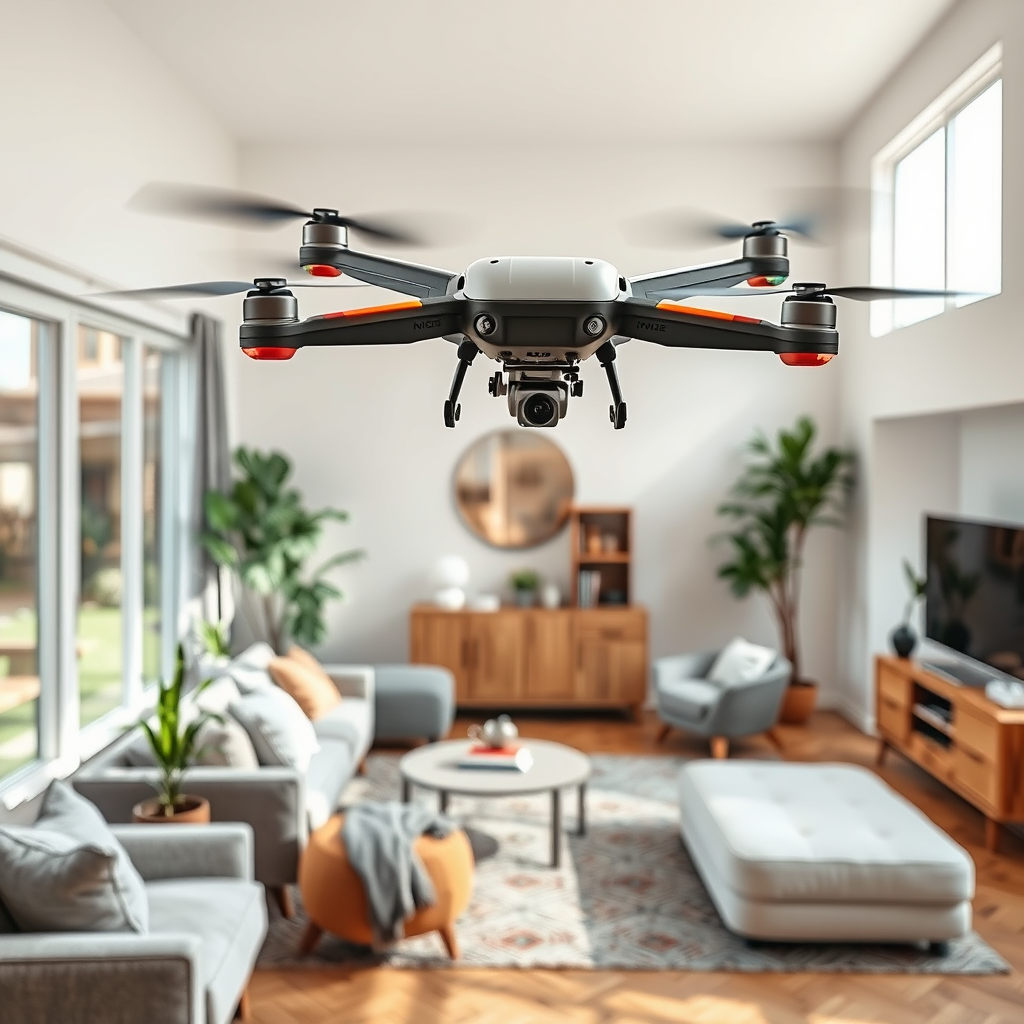
However, the landscape of drone technology is continuously evolving. Some drones are equipped with advanced thermal imaging systems that can detect heat signatures emitted from objects and surfaces. While these systems can provide insight into temperature variations—such as identifying whether a home is occupied based on heat emitted from within—they do not yield clear visuals of interior spaces. The limitations in standard camera technology combined with the operational constraints of thermal imaging ensure that drones cannot see inside homes in the traditional sense.
Legal Restrictions on Drone Surveillance
Privacy laws play a significant role in regulating drone usage. Many countries have established legal frameworks that protect individuals from unwarranted surveillance, including peering into homes. In the United States, for instance, the Federal Aviation Administration (FAA) has guidelines that restrict drone operators from conducting surveillance in a manner that violates privacy rights. Violations of these regulations can lead to serious legal repercussions, including hefty fines and potential criminal charges against the operator.
In addition to federal regulations, many states and municipalities have enacted their own laws addressing drone surveillance, emphasizing the importance of obtaining consent before capturing images of private property. This legal landscape underscores the necessity for drone operators to be aware of the regulations governing their activities and for individuals to understand their rights regarding privacy.
Situations Where Drones Might Capture Interior Views
While drones generally cannot see inside homes, there are specific scenarios where they might unintentionally capture glimpses of interior activities. This occurs primarily when windows are uncovered and positioned in such a way that the drone’s camera can capture a view through them. For example, a drone flying at a low altitude in a residential area could potentially record activities occurring near large, open windows.
Furthermore, thermal imaging drones can detect heat signatures, which can reveal whether a room is occupied. Although this technology cannot provide visual clarity of the interior, it can indicate the presence of people or animals inside a home. This capability raises pertinent questions about privacy, as the mere detection of heat can imply surveillance without any visual evidence.
Enhancing Your Home’s Privacy
In light of the potential for drone surveillance, homeowners can take proactive steps to enhance their privacy. One of the simplest and most effective measures is to use curtains or blinds to block the view from outside, particularly on ground-level windows where drones are most likely to capture images. This is a straightforward solution that can significantly diminish the likelihood of being observed.
Additionally, landscaping features such as tall hedges, trees, or privacy fencing can obstruct aerial views into your property. Strategically placed greenery can serve as a natural barrier, making it more challenging for drones to capture any visuals of your home. Homeowners should consider these measures not only for drone-related privacy concerns but also for general security and comfort.
The Future of Drone Technology
The future of drone technology is poised for remarkable advancements, potentially leading to improved surveillance capabilities. Innovations in camera technology, artificial intelligence, and data analytics may enable drones to gather more comprehensive data than ever before. While these advancements can offer benefits, such as enhanced search and rescue operations or agricultural monitoring, they also raise pressing concerns about privacy and surveillance.
As drones become increasingly integrated into various sectors, ongoing discussions about regulations and ethical use are paramount. Policymakers and industry leaders must work collaboratively to establish guidelines that protect individual privacy while allowing for the responsible use of drone technology. Striking this balance will be essential as the capabilities of drones continue to evolve.
Public Perception and Concerns
Public perception of drones is mixed, with many individuals expressing concern about privacy invasion and the potential misuse of drone technology. The fear of being surveilled, whether for commercial purposes or by individuals with malicious intent, fosters apprehension among the general populace. Understanding both the benefits and risks associated with drone usage is crucial for fostering a balanced view.
Education about drone technology and its limitations can help alleviate some concerns. By informing the public about the legal restrictions surrounding drone surveillance and the capabilities of current technology, individuals can feel more empowered in protecting their privacy. Moreover, community engagement and dialogue about responsible drone use can contribute to a more informed and accepting public perspective.
In summary, while drones cannot see inside your house in the traditional sense, advancements in technology and surveillance methods present potential privacy challenges. Staying informed about drone technology and implementing privacy measures can help you protect your personal space. By understanding the operational limitations of drones, the legal framework governing their use, and the measures available to enhance privacy, individuals can navigate this evolving landscape with greater confidence and security.
Frequently Asked Questions
Can drones see inside your house?
Drones equipped with standard cameras typically cannot see inside your house due to privacy laws and physical barriers like walls. However, if a drone is equipped with advanced imaging technology, such as thermal or infrared cameras, it may detect heat signatures, which could provide some insights into activities inside the house. It’s important to note that using such technology for spying on private property can be illegal in many jurisdictions.
What are the privacy laws regarding drone surveillance?
Privacy laws surrounding drone usage vary by location, but generally, they are designed to protect individuals from unauthorized surveillance. In many areas, flying a drone over private property without permission may violate trespassing laws or privacy rights. Individuals concerned about drone surveillance should familiarize themselves with local regulations and consider discussing their privacy concerns with neighbors or local authorities.
How can I protect my home from unwanted drone surveillance?
To protect your home from unwanted drone surveillance, consider planting tall trees or installing privacy fences that obstruct aerial views. You can also use window treatments, such as shades or curtains, to limit visibility from above. Additionally, staying informed about drone activity in your neighborhood and advocating for local privacy regulations can help enhance your overall security.
Why are people concerned about drones flying over residential areas?
People are concerned about drones flying over residential areas primarily due to privacy violations and potential surveillance. Many individuals fear that drones can capture sensitive information or footage of their personal lives without consent. Furthermore, there are concerns about safety, as drones can malfunction or be used for malicious purposes, leading to potential harm to individuals and property.
What should I do if I suspect a drone is spying on my property?
If you suspect a drone is spying on your property, the first step is to document the incident, including the drone’s appearance and flight patterns. You may want to approach the situation calmly by discussing your concerns with neighbors or local law enforcement. In some cases, law enforcement may be able to investigate if they believe the drone is violating privacy laws or regulations in your area.
References
- https://en.wikipedia.org/wiki/Drone#Capabilities
- https://www.bbc.com/news/technology-56088571
- https://www.reuters.com/article/us-usa-drone-privacy-insight-idUSKCN1VH2GZ
- https://www.nytimes.com/2019/06/07/us/drone-privacy.html
- https://www.aclu.org/news/privacy-technology/drones-and-privacy
- https://www.faa.gov/uas/resources/publications/
- https://www.sciencedirect.com/science/article/abs/pii/S0267363119307998
