
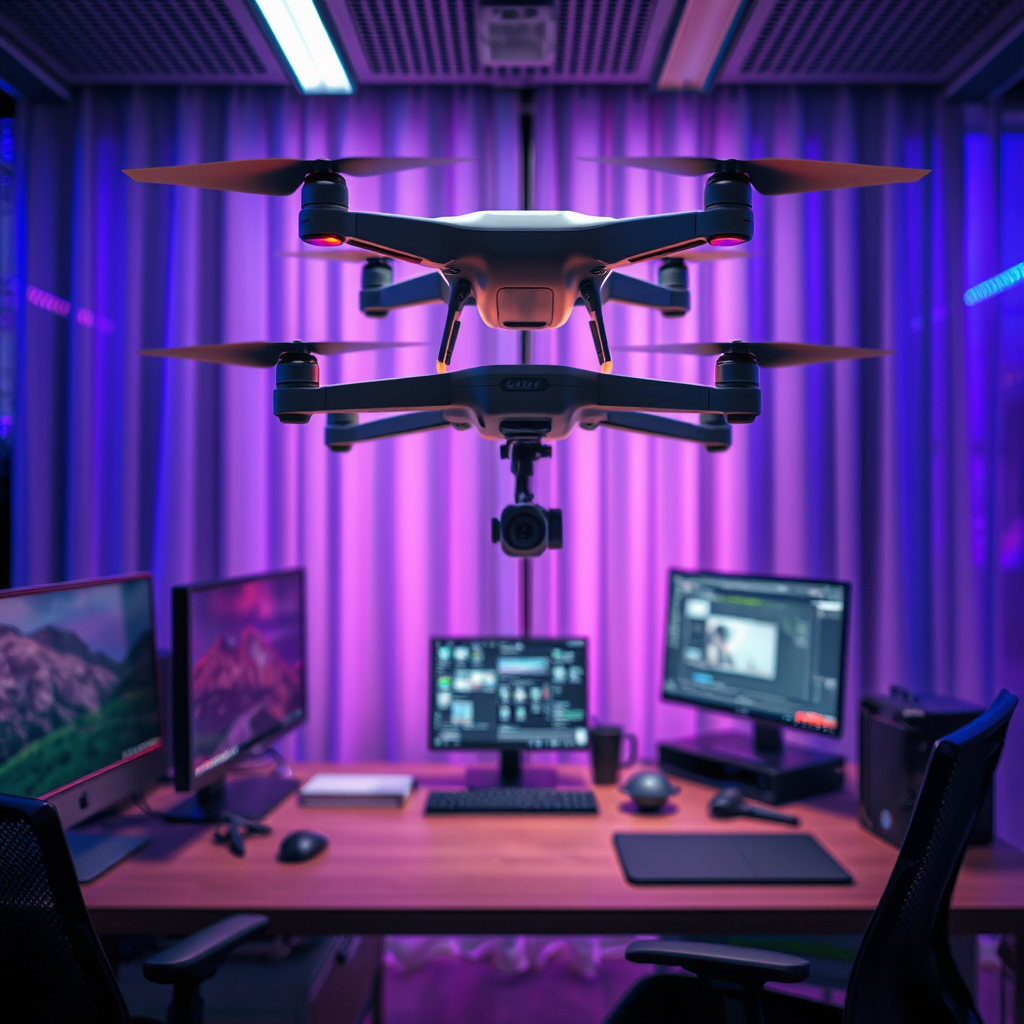
While drones cannot literally see through curtains, advancements in technology allow for some capabilities that could give the illusion of seeing what’s behind them. This article explores the limitations and possibilities of drone technology in relation to privacy and surveillance, delving into the types of imaging technologies available, their applications, and the legal and ethical implications surrounding their use.
Understanding Drone Technology
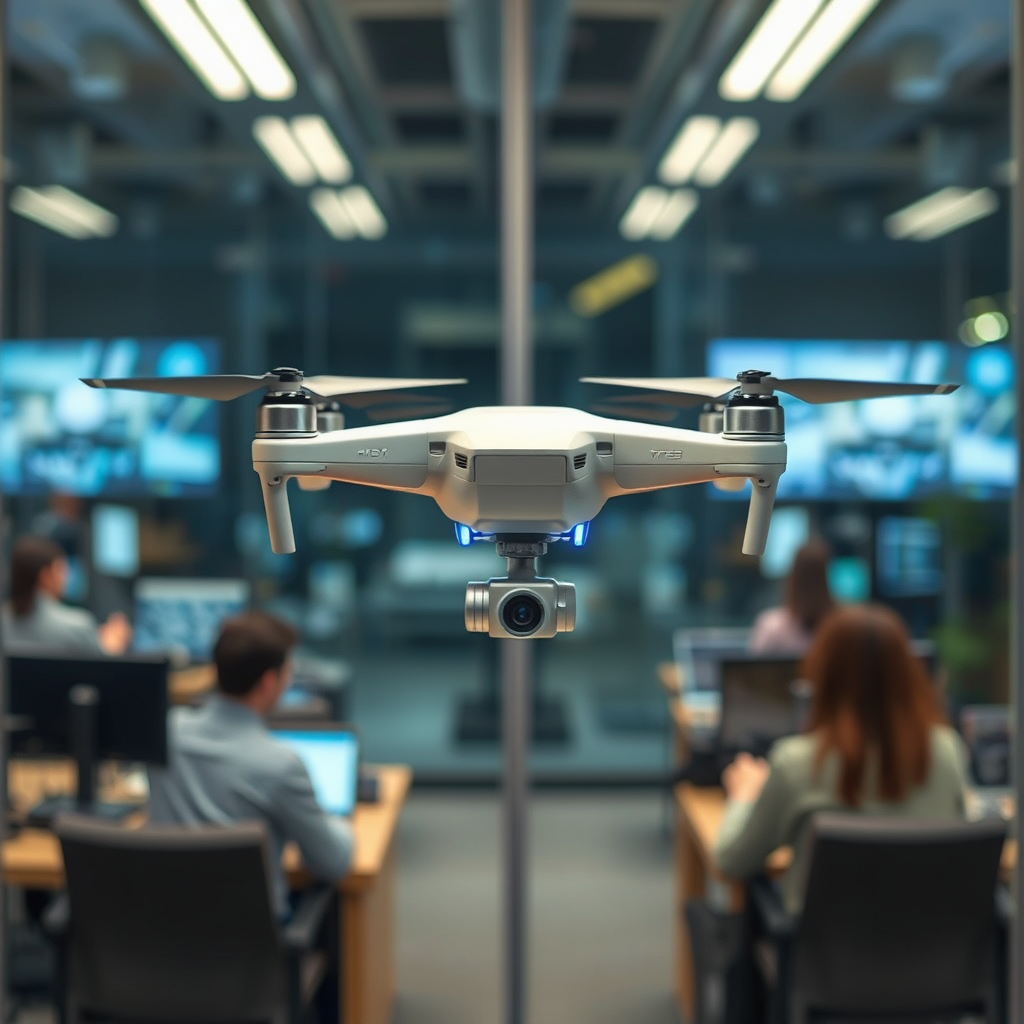
Drones, or unmanned aerial vehicles (UAVs), are equipped with a variety of sensors and cameras that enable them to perform a wide range of functions. These devices can capture high-resolution images, monitor environmental conditions, and even assist in search and rescue operations. Most consumer drones come with optical cameras that take sharp, clear images, as well as thermal imaging capabilities that detect heat signatures. This combination of technologies allows drones to be employed in diverse applications, from agriculture to law enforcement.
The integration of advanced sensors into drone technology is continuously evolving. For instance, LiDAR (Light Detection and Ranging) systems can create detailed three-dimensional maps of landscapes, while multispectral and hyperspectral imaging systems can analyze light reflected from objects to provide insights into their composition. These advancements have significant implications for industries such as agriculture, construction, and environmental monitoring, but they also raise questions about privacy and surveillance.
Limitations of Visibility
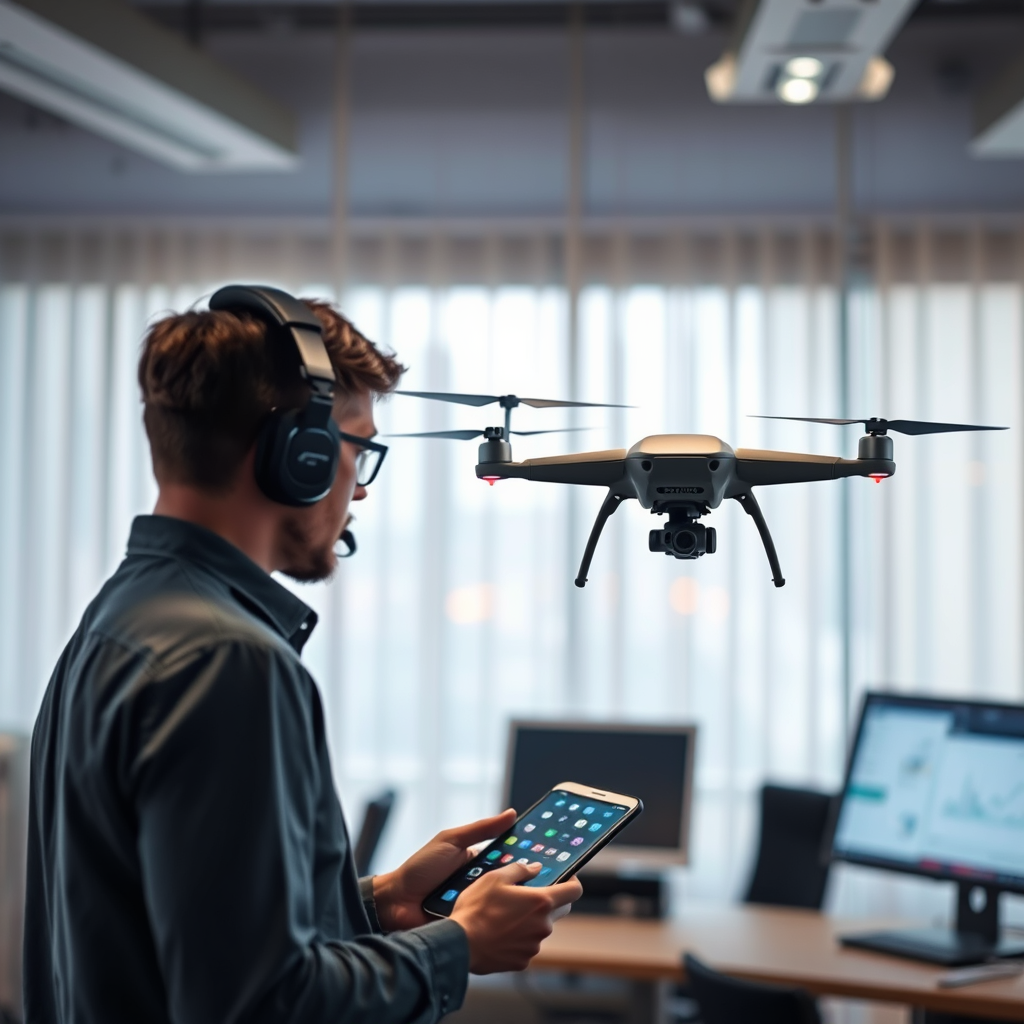
Despite the advanced capabilities of drone technology, there are inherent limitations regarding visibility, particularly when it comes to seeing through obstacles like curtains. Standard curtains are designed to block visible light, making it extremely difficult for optical cameras to capture images of what lies behind them. The fabric of the curtains absorbs and reflects light in such a way that it obstructs visibility, thereby protecting the privacy of individuals within enclosed spaces.
Thermal imaging, on the other hand, operates on a different principle. While thermal cameras can detect heat signatures emitted by living beings or warm objects, they do not provide clear, detailed images. Instead, thermal imaging creates a visual representation of temperature variations, which may indicate movement behind curtains but lacks the clarity to reveal specific identities or activities. Thus, while a drone equipped with thermal imaging may detect that someone is present behind a curtain, it would be unable to provide any detailed information about that person’s actions or identity.
Types of Imaging Technologies
Drones utilize various imaging technologies, each with its unique capabilities and limitations. Optical cameras, for instance, are the most common type found in consumer drones. They capture clear images and videos but require a direct line of sight to the subject being observed. This means that if a drone is positioned far away from a building or obstructed by walls or curtains, it will not be able to provide useful visual data.
In contrast, infrared cameras are designed to detect heat emissions rather than visible light. They are particularly useful for identifying living beings or movement in low-light conditions, as they can see through darkness. In situations where a drone is monitoring an area for security purposes, infrared cameras may reveal the presence of heat signatures behind curtains, although, as previously mentioned, these cameras do not provide detailed images. The ability to detect movement can be beneficial in various scenarios, such as monitoring wildlife or searching for missing persons, but the limitations of this technology must be acknowledged.
Legal and Ethical Considerations
As drone technology continues to advance, so too do the legal and ethical considerations surrounding its use, particularly in the context of surveillance. Privacy laws vary significantly by region, and what is permissible in one area may be strictly regulated or prohibited in another. For instance, in the United States, the Federal Aviation Administration (FAA) has established regulations that govern the use of drones for commercial purposes, while individual states may have their own laws regarding privacy and surveillance.
Ethical concerns also arise with the use of drones for monitoring private spaces. The potential for drones to invade personal privacy has led to debates about their role in surveillance, particularly in urban environments where residential areas are often in close proximity to public spaces. The question of consent becomes particularly relevant—if a drone captures footage of individuals in their homes without their knowledge or permission, it raises serious ethical issues regarding respect for personal privacy. As technology advances, it is essential for policymakers to establish clear guidelines that balance the benefits of drone technology with the need to protect individual privacy rights.
Potential Applications
Despite the concerns surrounding privacy and surveillance, drones have numerous beneficial applications across various fields. In search and rescue operations, for example, drones equipped with thermal imaging can be invaluable in locating missing persons, especially in challenging terrains or low-visibility conditions. By detecting heat signatures, rescuers can quickly identify individuals who may be in distress, even if they are hidden behind obstacles.
Additionally, drones are increasingly being utilized in security monitoring. Businesses and organizations can deploy drones to patrol large areas, providing a cost-effective solution for surveillance. Advanced imaging technologies can enhance these efforts by detecting unusual activity or unauthorized access to secure locations. Furthermore, in the realm of agriculture, drones can monitor crop health using multispectral imaging, thus improving yield while minimizing environmental impact.
Future Developments
The future of drone technology holds exciting possibilities, particularly in the realm of enhanced imaging technologies. Research is ongoing into new methods that could potentially bypass conventional barriers, allowing drones to gather data in ways that were previously unimaginable. For example, advancements in terahertz imaging may enable drones to visualize objects through solid materials, including curtains, without compromising privacy.
Moreover, the integration of artificial intelligence (AI) into drone systems is poised to revolutionize data interpretation. Future drones may employ AI algorithms to analyze thermal and optical data, allowing for more sophisticated assessments of situations. This could lead to improved search and rescue operations, more effective security measures, and enhanced monitoring capabilities across various industries. However, as these technologies develop, it will be crucial to consider their implications for privacy and ethical use.
In conclusion, while drones cannot see through curtains in the traditional sense, advancements in imaging technology may allow for some level of visibility under specific conditions. The interplay between technological capabilities and privacy concerns presents a complex landscape that requires careful navigation. As drone technology continues to evolve, so too will the discussions surrounding its applications and ethical implications, ensuring that as we harness the power of these devices, we remain mindful of the rights and privacy of individuals.
Frequently Asked Questions
Can drones see through curtains or other types of window coverings?
Drones equipped with standard cameras cannot see through curtains or window coverings. The material of curtains typically blocks visible light, making it impossible for conventional camera technology to capture images or video inside a room. However, some specialized thermal imaging or infrared cameras can detect heat signatures, potentially revealing movement behind sheer or thin curtains, but this technology is more complex and not commonly used in consumer drones.
What types of drones are capable of seeing through windows or light coverings?
While most consumer drones cannot see through windows or curtains, some advanced drones equipped with thermal imaging cameras can detect heat signatures. These drones are typically used in search and rescue operations, surveillance, or law enforcement. However, the effectiveness of these cameras depends on the thickness and material of the covering; heavier and darker fabrics will obstruct their view just like standard cameras.
Why are drones often restricted from flying close to residential areas?
Drones are often restricted from flying close to residential areas due to privacy concerns and safety regulations. Many individuals worry about surveillance and invasion of privacy, especially if drones could potentially see inside homes. Additionally, regulations set by aviation authorities, such as the FAA in the United States, limit drone flight to ensure safety and prevent accidents in populated areas.
How can I protect my privacy from drones flying over my property?
To protect your privacy from drones, consider installing privacy screens or thicker curtains that obstruct visibility. You can also plant trees or shrubs around your property as natural barriers. Additionally, being aware of local laws and regulations regarding drone surveillance can empower you to take action if you believe your privacy has been violated.
Which drones are best for outdoor surveillance without compromising privacy?
When looking for drones designed for outdoor surveillance that minimize privacy concerns, opt for models with advanced obstacle avoidance and low-noise technology. Drones like the DJI Mavic Air 2 and Parrot Anafi provide excellent image quality while maintaining a discreet profile. Always ensure that the use of such drones complies with local laws regarding privacy and aerial surveillance to respect the rights of individuals.
References
- https://en.wikipedia.org/wiki/Drone
- https://www.sciencedirect.com/science/article/abs/pii/S2212017317300046
- https://www.bbc.com/news/technology-44194333
- https://www.theguardian.com/technology/2018/may/10/drones-in-the-home-privacy-issues
- https://www.nytimes.com/2019/06/24/technology/drones-privacy.html
- https://www.aclu.org/issues/privacy-technology/surveillance-technologies/drones-and-privacy
