

Drones can be equipped to shoot or deliver payloads, but this capability is largely regulated and used in specific contexts. They are primarily designed for surveillance, photography, and delivery, with shooting functionalities mainly reserved for military or law enforcement applications. This article delves into the various aspects of drones and their shooting capabilities.
Understanding Drone Technology
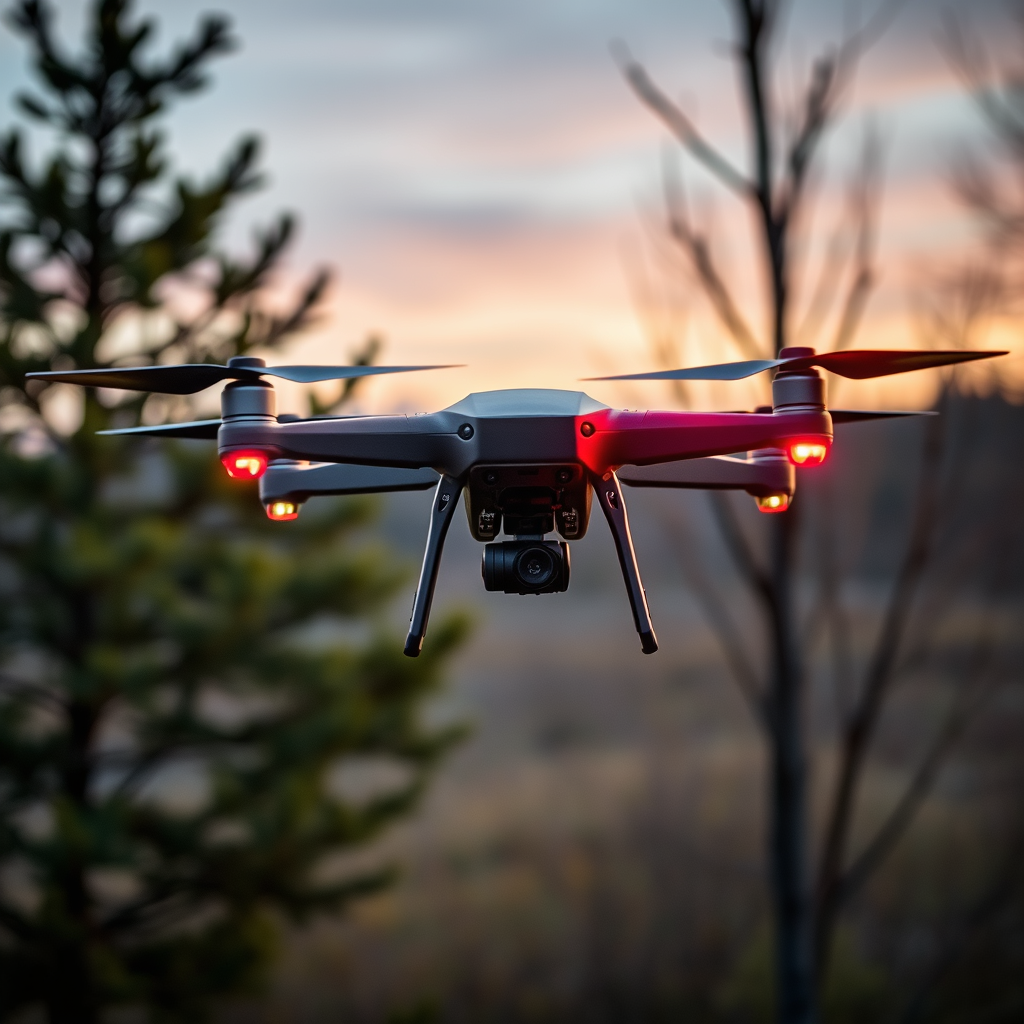
Drones, or unmanned aerial vehicles (UAVs), harness advanced technology such as GPS, high-definition cameras, and a variety of sensors to perform a wide range of tasks. Depending on their intended use, drones can be classified into several categories: consumer drones, commercial drones, and military drones.
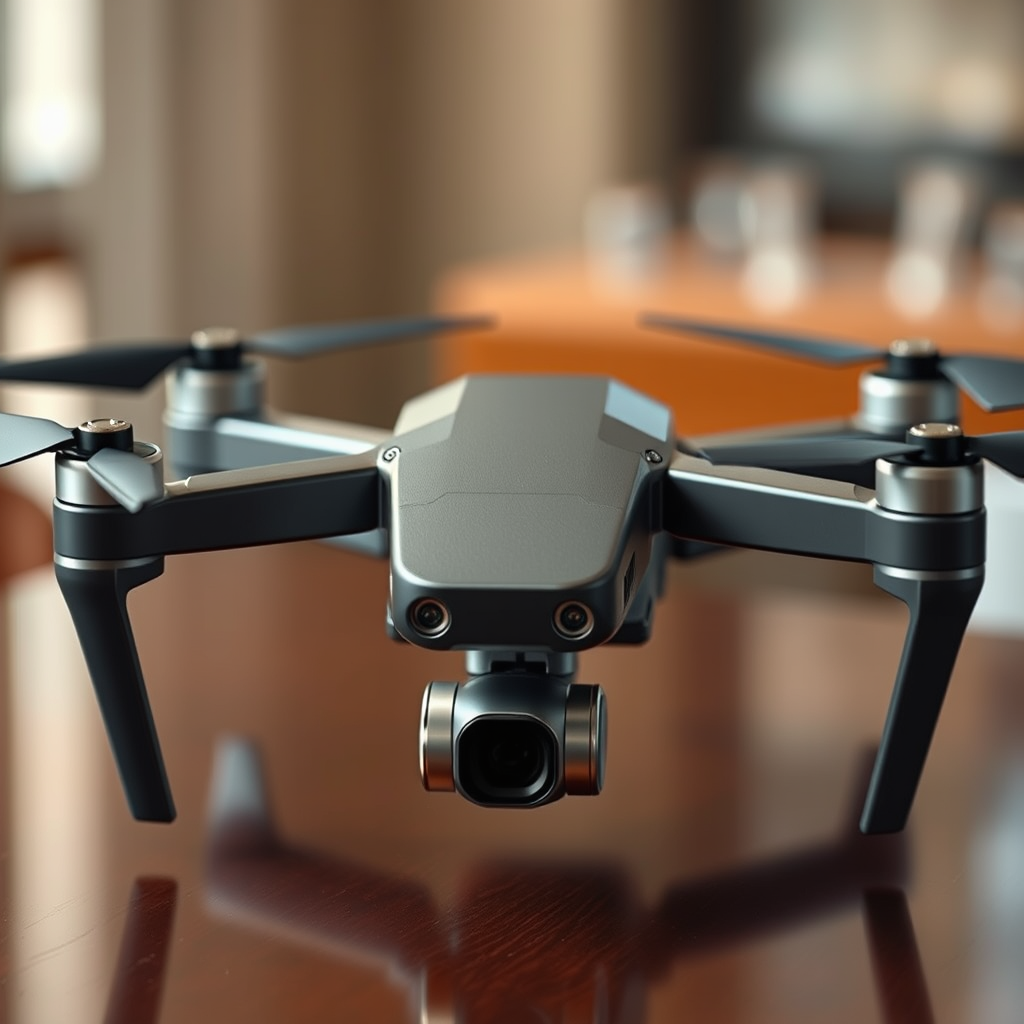
Consumer drones are typically utilized for recreational purposes, such as aerial photography and racing. These models are equipped with high-resolution cameras and can transmit live feeds to users. Commercial drones have expanded capabilities, being used for applications like agricultural monitoring, infrastructure inspections, and logistical deliveries. Military drones, on the other hand, are sophisticated machines equipped with advanced weaponry and surveillance technology, designed for strategic operations.
The technology behind drones is continuously evolving. Innovations in battery life, obstacle avoidance, and autonomous flight systems are making drones more efficient and capable of performing complex tasks. As we explore the shooting capabilities of drones, it is essential to recognize the technological advancements that enable these functionalities and the implications they carry.
Legal and Regulatory Framework
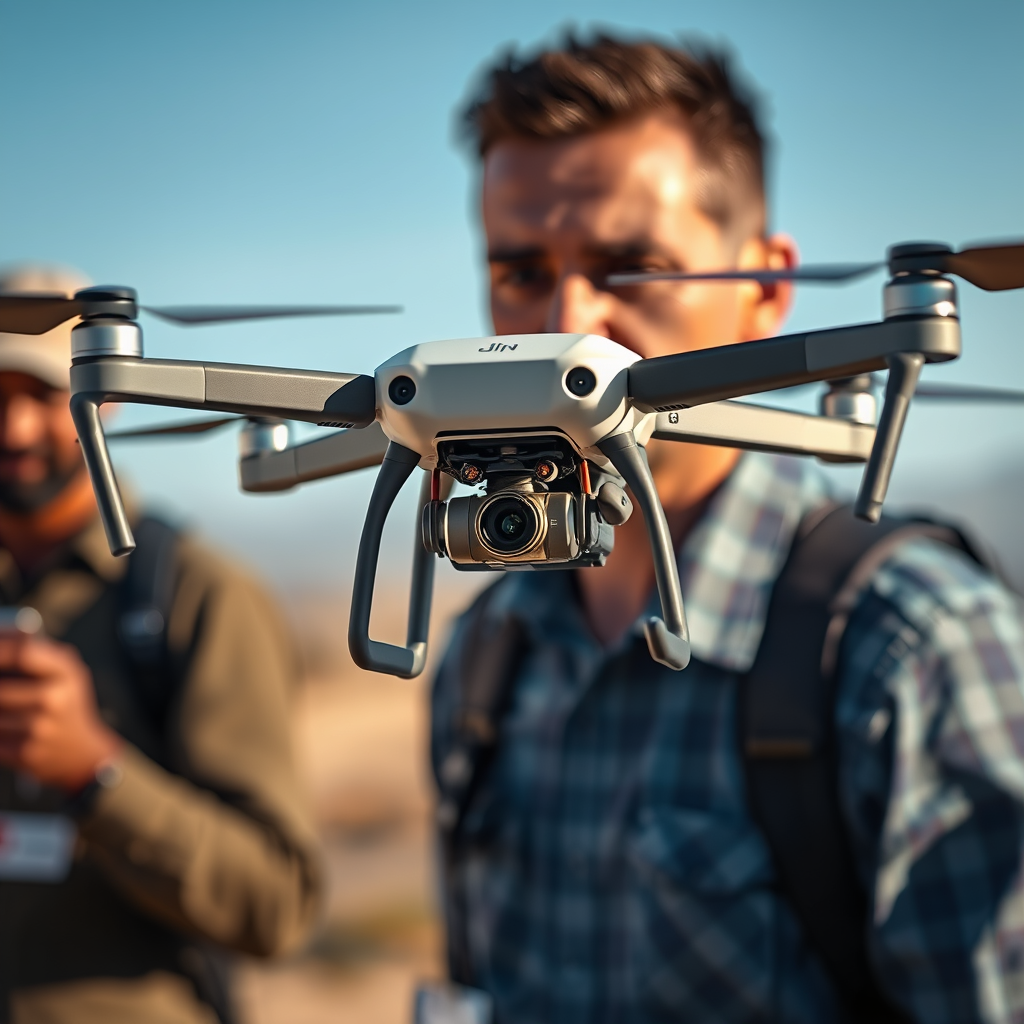
The legal landscape surrounding the use of drones, particularly those equipped with shooting capabilities, is intricate and varies significantly across different jurisdictions. Aviation authorities, such as the Federal Aviation Administration (FAA) in the United States, impose strict regulations governing the operation of drones. These regulations often include restrictions on flying in certain airspaces, requirements for pilot certifications, and limitations on the type of payloads that drones can carry.
In many countries, armed drones are primarily used by the military and law enforcement agencies, necessitating a clear distinction between civilian and military applications. For example, in the U.S., the use of drone strikes in foreign operations has been a subject of intense debate and legal scrutiny. Meanwhile, some countries have begun to explore the use of drones in policing, raising concerns about the potential for misuse and the need for comprehensive oversight.
Laws governing armed drones in civilian airspace are still developing, and public sentiment often influences policy decisions. As drone technology continues to advance, the regulatory framework will need to adapt to address safety, privacy, and ethical considerations.
Military Applications of Drones
Military drones, such as the MQ-9 Reaper and the General Atomics MQ-1 Predator, are equipped with advanced weaponry and surveillance capabilities, making them invaluable assets in modern warfare. These drones are designed for targeted strikes, intelligence gathering, and reconnaissance missions, allowing military forces to operate with greater precision and reduced risk to personnel.
One notable application of military drones is their use in counterterrorism operations. By providing real-time surveillance and the ability to engage targets remotely, drones have changed the dynamics of warfare. For instance, the U.S. military has utilized drones for precision strikes against terrorist leaders in conflict zones, minimizing collateral damage and enhancing operational efficiency.
Moreover, military drones contribute to safer operational environments. By deploying UAVs for reconnaissance, ground troops can gather intelligence without exposing themselves to direct threats. The ability to conduct missions from remote locations not only enhances the safety of personnel but also allows for more effective tactical planning.
However, the use of armed drones in military applications raises complex ethical and legal questions, particularly concerning civilian casualties and the rules of engagement. As drone technology continues to evolve, these discussions will remain critical in shaping future military policies.
Commercial Use Cases for Drones
The commercial drone market is rapidly expanding, offering innovative solutions across various industries. Drones are increasingly employed for aerial photography, surveying, and delivery services. In addition to traditional applications, some commercial drones can be modified to carry non-lethal payloads, such as humanitarian supplies, medical equipment, or disaster relief materials.
For instance, companies like Zipline have pioneered the use of drones to deliver blood and vaccines to remote areas, significantly improving healthcare access in underserved regions. Similarly, agricultural industries utilize drones for crop monitoring and precision farming, allowing farmers to optimize yields while minimizing resource use.
Another emerging trend is the use of drones in construction and infrastructure inspections. Drones equipped with high-resolution cameras and thermal imaging sensors can quickly assess the condition of buildings, bridges, and power lines, identifying issues that may require immediate attention. This not only enhances safety but also reduces the time and cost associated with manual inspections.
While the primary focus of commercial drones has been on non-lethal applications, the potential for modifying drones to carry other types of payloads raises questions about regulations and public safety. As commercial drone technology continues to advance, it is crucial to strike a balance between innovation and responsible use.
Ethical Considerations
The deployment of drones, especially those with shooting capabilities, brings forth significant ethical considerations. The ability to conduct surveillance and engage targets remotely raises important questions regarding privacy, accountability, and the potential for misuse.
Public opinion on armed drones is often divided. Proponents argue that drones enhance national security and can reduce the risk to military personnel, while critics express concerns about the lack of transparency and oversight. The potential for civilian casualties in drone strikes has sparked intense debates about morality and the ethical implications of using technology in warfare and law enforcement.
Moreover, the use of drones for surveillance purposes poses threats to individual privacy. As drones become more prevalent in civilian airspace, there is a growing need for clear guidelines to protect citizens from unwarranted surveillance. Establishing ethical frameworks and regulatory standards will be essential as drone technology continues to evolve and integrate into various sectors.
Future Trends in Drone Technology
The future of drone technology is poised for remarkable advancements, driven by innovations in artificial intelligence (AI), machine learning, and automation. These developments may lead to drones with enhanced capabilities, including improved navigation, obstacle avoidance, and autonomous decision-making.
As AI becomes more integrated into drone systems, we may see a shift in how drones are used for law enforcement and emergency response. For instance, drones could be deployed for search and rescue operations, providing real-time data and situational awareness to responders. Additionally, the potential for drones to assist in disaster relief efforts is expanding, enabling faster response times and more efficient resource allocation.
However, with these advancements come new challenges and ethical considerations. As drones become more autonomous, questions regarding accountability and decision-making processes will need to be addressed. Establishing clear guidelines for the use of drones in sensitive contexts, such as law enforcement and military operations, will be vital to ensure responsible and ethical practices.
Conclusion
While drones can indeed be designed to shoot, their use is highly regulated and typically reserved for military or specialized applications. As technology evolves, so too will the discussions surrounding the legal and ethical implications of drones in various sectors. Understanding the capabilities and limitations of drones is crucial as industries and governments navigate the complexities of this rapidly developing technology. Stay informed about these developments by subscribing for updates on drone technology and regulations.
Frequently Asked Questions
Can drones be equipped to shoot photos and videos?
Yes, many drones are specifically designed to shoot high-quality photos and videos. Drones equipped with cameras offer features such as 4K resolution, gimbal stabilization, and live streaming capabilities, making them ideal for aerial photography, filmmaking, and even real estate marketing. When choosing a drone for photography, consider factors like camera quality, flight time, and ease of use.
Are there drones that can shoot projectiles or targets?
While there are drones that can be equipped to shoot projectiles such as paintballs or Nerf darts for recreational purposes, using drones for shooting any harmful projectiles is generally illegal in many areas. These specialized drones are primarily intended for entertainment, sports, or training simulations. Always check local laws and regulations before modifying a drone for such uses to ensure compliance and safety.
How do drones shoot aerial footage?
Drones shoot aerial footage using high-definition cameras mounted on a stabilized gimbal, which helps reduce vibrations and maintain smooth video quality. Pilots can control the camera’s angle and settings remotely while navigating the drone’s flight path. By utilizing GPS technology and pre-programmed flight paths, drone operators can capture stunning aerial shots and panoramas that were previously difficult to achieve.
Why would someone want a drone that can shoot?
People might want a drone that can shoot for various reasons, including capturing breathtaking aerial photography, monitoring agricultural fields, surveying land, or even creating content for social media. Additionally, drones equipped with shooting capabilities are useful for search and rescue missions, wildlife monitoring, and construction site inspections, providing a unique vantage point that enhances visibility and efficiency.
What are the best drones for shooting videos in 2023?
Some of the best drones for shooting videos in 2023 include the DJI Mavic Air 2, which offers advanced camera features and intelligent shooting modes, and the DJI Mini 2, known for its portability and excellent video quality. The Autel Robotics EVO Lite+ is also a strong contender, providing 6K video capabilities and impressive flight time. When selecting a drone, consider factors such as camera resolution, battery life, and user-friendly controls to meet your specific filming needs.
References
- https://en.wikipedia.org/wiki/Drone_warfare
- https://www.bbc.com/news/technology-41416287
- https://www.theguardian.com/technology/2018/jul/05/us-drone-strikes-legal-questions
- https://www.nytimes.com/2021/05/26/us/drones-armed-military.html
- https://www.rand.org/pubs/research_reports/RR2089.html
- https://www.abc.net.au/news/2021-05-25/drones-in-war-can-they-be-armed/100115756
- https://www.wired.com/story/armed-drones-ukraine-war/
