
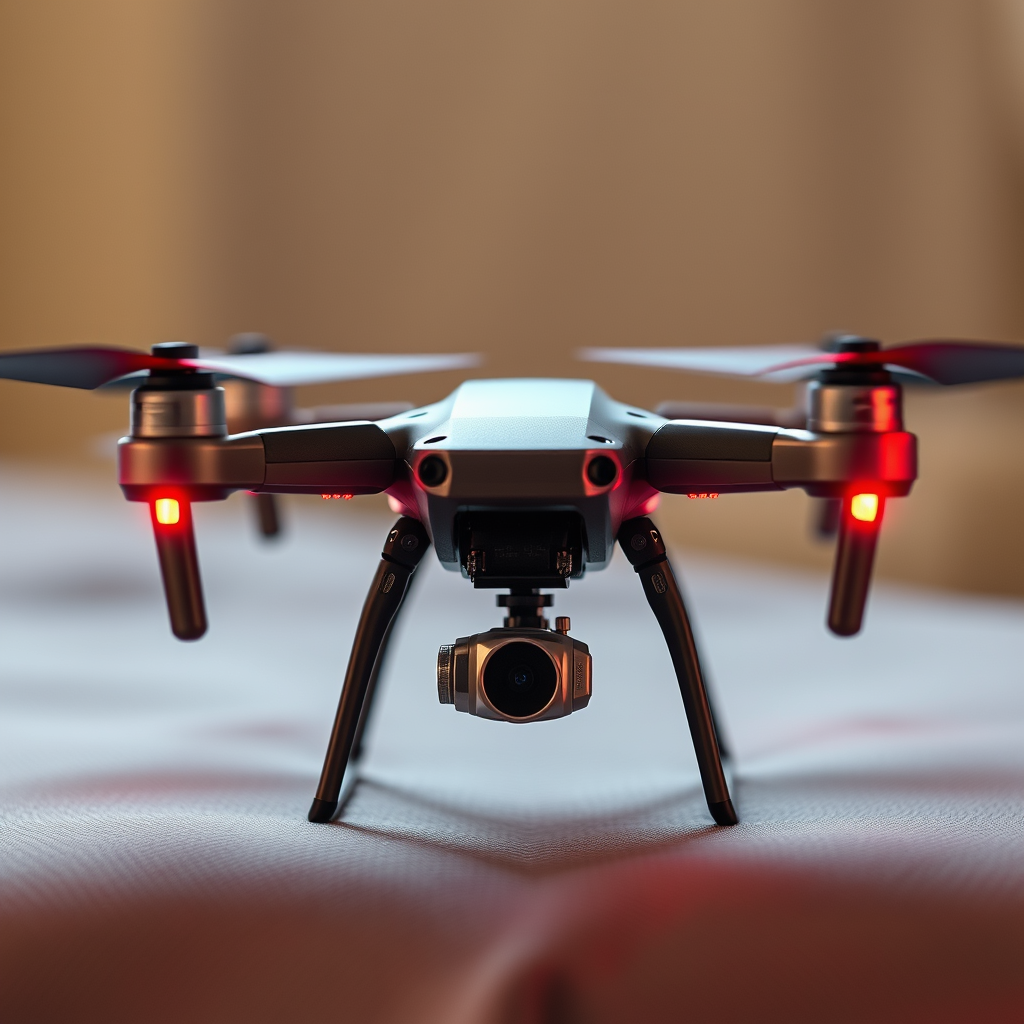
While the technology is still developing, drones can indeed be equipped to shoot lasers for various applications. This article delves into the current capabilities, potential uses, and future implications of drones that can fire laser beams, shedding light on this fascinating intersection of aeronautics and advanced technology.
Current Drone Technology
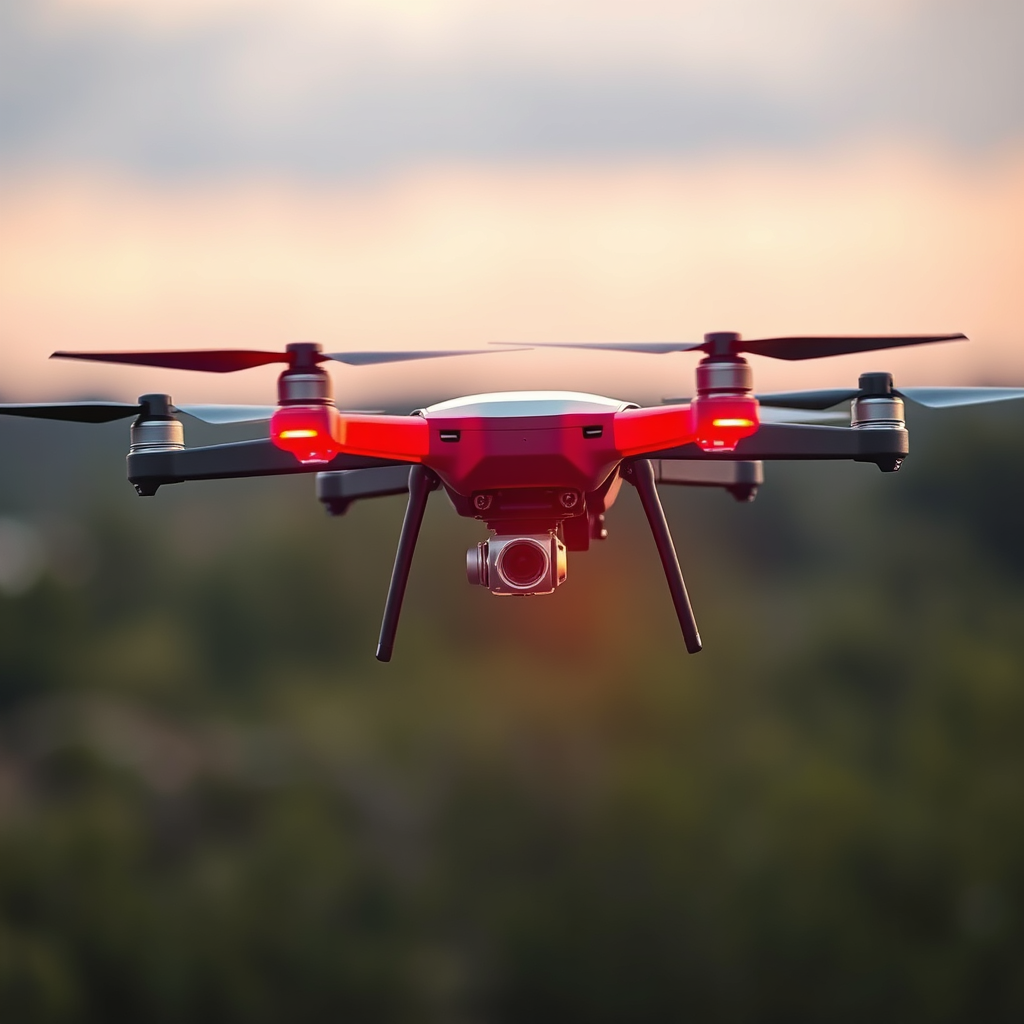
The landscape of drone technology has evolved significantly over the past decade, with capabilities expanding rapidly. Today’s drones are equipped with advanced sensors, high-definition cameras, and even artificial intelligence, enabling them to perform complex tasks autonomously. However, the integration of laser systems presents unique challenges and opportunities. Currently, drones can be modified to carry lightweight laser systems, which are typically used for non-lethal purposes, such as ranging or targeting.
Types of drones that can be adapted for laser use generally include commercial quadcopters, military reconnaissance drones, and specialized models designed for payload flexibility. The military has been at the forefront of this development, with platforms like the MQ-9 Reaper being tested with laser systems for targeted missions. However, the limitations still include battery life, payload capacity, and the precision required for effective laser deployment, necessitating ongoing research and innovation in drone technology.
Applications of Laser-Equipped Drones
The potential applications for laser-equipped drones are diverse and transformative. In military and defense sectors, these drones can be utilized for target designation, allowing ground forces to accurately identify and engage targets without direct exposure to enemy fire. Moreover, certain projects have explored the feasibility of using drones for offensive capabilities, such as precision strikes on enemy assets, thereby minimizing collateral damage.
In agriculture, the use of laser-equipped drones is gaining traction for precision weeding and pest control. By utilizing lasers to target specific plants or insects, farmers can reduce the need for harmful pesticides, promoting more sustainable farming practices. For instance, a startup named “LaserWeed” is experimenting with drones that identify and eliminate weeds using laser technology, showcasing the potential for increased efficiency and reduced environmental impact.
Regulatory and Legal Considerations
As with any emerging technology, the deployment of weaponized drones raises significant regulatory and legal concerns. Currently, laws surrounding the use of drones equipped with lasers vary widely across jurisdictions. In the United States, for instance, the Federal Aviation Administration (FAA) regulates drone operations, but the addition of weaponry introduces complexities that often require additional oversight and potentially federal legislation.
International regulations also play a critical role, particularly concerning military applications. The United Nations has established frameworks that govern the use of drones in warfare, emphasizing the need for accountability and ethical considerations. Ethical concerns surrounding the use of laser technology in drones include the potential for misuse, civilian casualties, and the implications of autonomous weapon systems. These factors necessitate ongoing dialogue among policymakers, military leaders, and ethicists to ensure responsible development and deployment.
Technical Challenges and Innovations
The integration of laser systems with drone technology is not without its technical challenges. Key hurdles include the weight and power requirements of laser systems, which can limit flight time and efficiency. Additionally, precision targeting and stabilization during flight are crucial for effective laser deployment, as even minor deviations can lead to significant errors, especially in military applications.
Recent innovations in battery technology and lightweight materials are paving the way for more effective laser-equipped drones. For example, advancements in solid-state lasers are enabling more compact and efficient systems that can be integrated into existing drone platforms. Furthermore, the development of AI-driven targeting systems promises to enhance accuracy and reliability, making laser-equipped drones a viable option for various applications.
Future of Drones with Laser Technology
Looking ahead, the future of drones with laser technology is promising. Predictions indicate that advancements in miniaturization and energy efficiency will enable even more powerful laser systems to be deployed on drones, expanding their operational range and capabilities. Industries such as logistics, telecommunications, and environmental monitoring are likely to see the emergence of new markets that leverage drone laser technology for diverse applications, from cutting through obstacles in delivery routes to surveying land for environmental studies.
Moreover, the potential for collaboration between drones and other technologies, such as satellite systems and IoT devices, could revolutionize how laser-equipped drones are utilized. For instance, integrating drones with real-time data analytics could allow for dynamic responses to threats or environmental changes, enhancing their effectiveness in various fields.
Safety and Risk Management
As with any advanced technology, the operation of laser-equipped drones necessitates stringent safety measures. Operators must be trained in both drone piloting and the safe handling of laser systems to prevent accidents and ensure compliance with regulations. Additionally, establishing no-fly zones and guidelines for laser usage can mitigate risks to civilians and property.
The risks associated with misuse of laser-equipped drones are significant, particularly in military contexts where the potential for collateral damage is high. Therefore, implementing robust risk management frameworks is essential for ensuring responsible deployment. This includes establishing protocols for targeting, evaluation of threats, and mechanisms for accountability to prevent unintended consequences.
In conclusion, while drones can shoot lasers, their deployment is limited by technology, regulations, and safety concerns. The current capabilities suggest that we are on the cusp of significant advancements in this field, with a myriad of applications that could reshape industries. As technology evolves, it is crucial to remain informed about the implications of laser-equipped drones, balancing innovation with ethical and regulatory considerations to harness their potential responsibly.
Frequently Asked Questions
Can drones be equipped with laser technology for practical applications?
Yes, drones can be equipped with laser technology for various practical applications, including surveying, mapping, and even military use. These lasers can be used for tasks such as LiDAR (Light Detection and Ranging) to capture precise geographical data or for targeting in defense scenarios. However, the use of lasers on drones is subject to strict regulations and safety guidelines to prevent accidents and ensure responsible usage.
What are the safety concerns associated with using lasers on drones?
Safety concerns related to drones equipped with lasers primarily revolve around potential eye hazards and unintentional damage to property. High-powered lasers can cause serious harm to human vision, and there is also a risk of igniting flammable materials if misused. As a result, operators must adhere to safety regulations established by aviation authorities and ensure that their drone operations do not jeopardize public safety.
How do laser-equipped drones differ from standard drones?
Laser-equipped drones differ from standard drones in terms of payload capacity, technology integration, and operational capabilities. While standard drones typically carry cameras or sensors for imaging, laser drones are designed to handle specialized equipment like laser scanners or high-powered lasers. This added technology allows them to perform complex tasks such as topographic mapping, precision agriculture, and industrial inspections, making them more versatile in certain applications.
Why are lasers used in drone technology instead of other tools?
Lasers are used in drone technology due to their precision, speed, and ability to gather data without physical contact. Unlike traditional tools that may require manual measurement or extensive setup, laser systems can quickly and accurately measure distances, create detailed 3D models, and gather vast amounts of data efficiently. This capability is particularly beneficial in industries such as construction, forestry, and environmental monitoring, where accuracy and efficiency are crucial.
Which industries benefit the most from using drones with laser technology?
Several industries significantly benefit from using drones with laser technology, including agriculture, construction, mining, and environmental conservation. In agriculture, laser-equipped drones can assess crop health and optimize irrigation, while in construction, they are used for site surveying and progress monitoring. Furthermore, in mining, laser drones can create detailed topographic maps, and in environmental conservation, they assist in monitoring wildlife habitats and assessing natural resources, showcasing the diverse applications of this technology.
References
- https://en.wikipedia.org/wiki/Drone#Military_uses
- https://www.bbc.com/news/technology-50528991
- https://www.reuters.com/article/us-usa-drones-idUSKBN1ZF1E7
- https://www.sciencedirect.com/science/article/pii/S2096579617300809
- https://www.nytimes.com/2020/08/27/us/politics/drones-lasers.html
- https://www.armytimes.com/2021/09/22/us-army-tests-new-laser-drone-technology/
- https://www.nasa.gov/content/nasa-drones-aim-for-precision-laser-targeting
- https://www.defense.gov/Explore/News/Article/Article/2339635/air-force-develops-laser-equipped-drone/
