
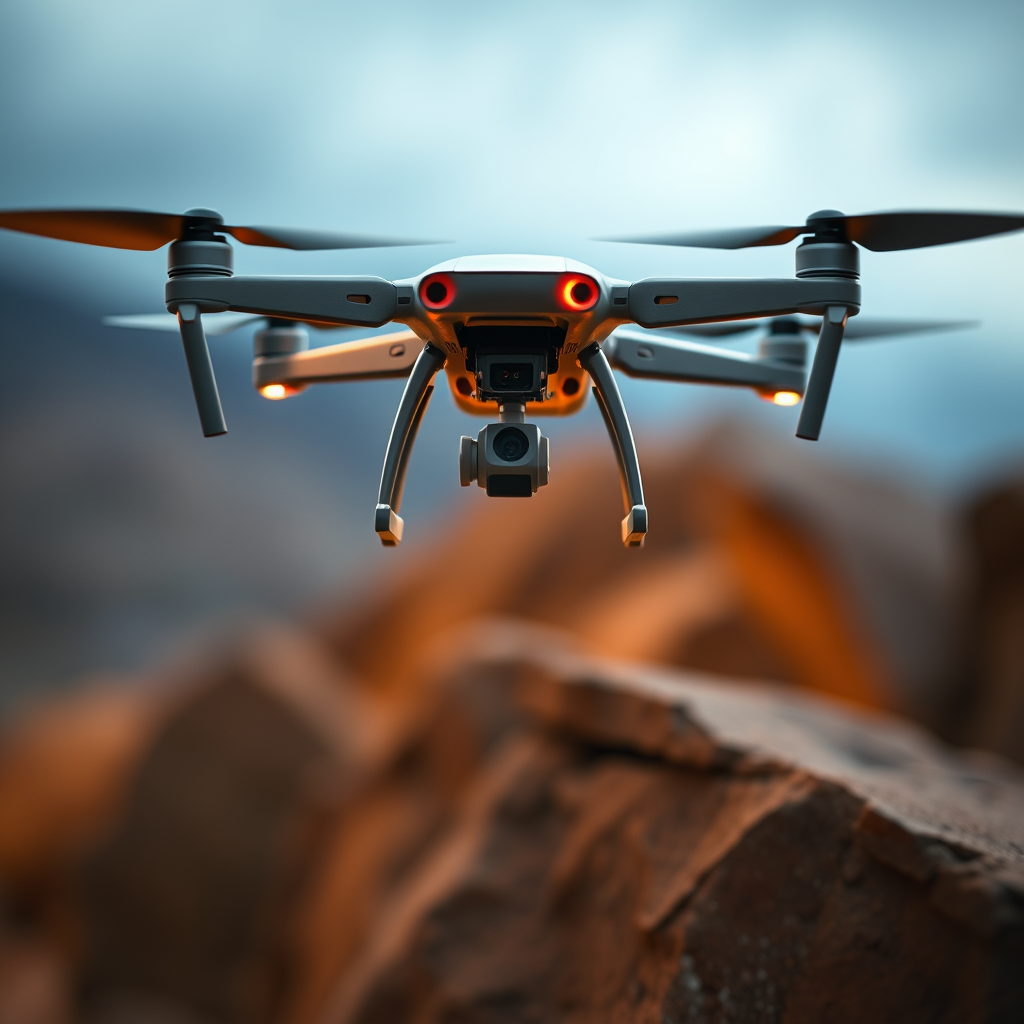
Yes, drones can indeed shoot missiles. Various military drones are equipped with advanced missile systems, making them a formidable tool in modern warfare. These unmanned aerial vehicles (UAVs) have transformed the landscape of military operations, allowing for precision strikes with minimal risk to personnel. This article delves into the specifics of drone missile capabilities, their implications, and the technology behind them.
Overview of Armed Drones
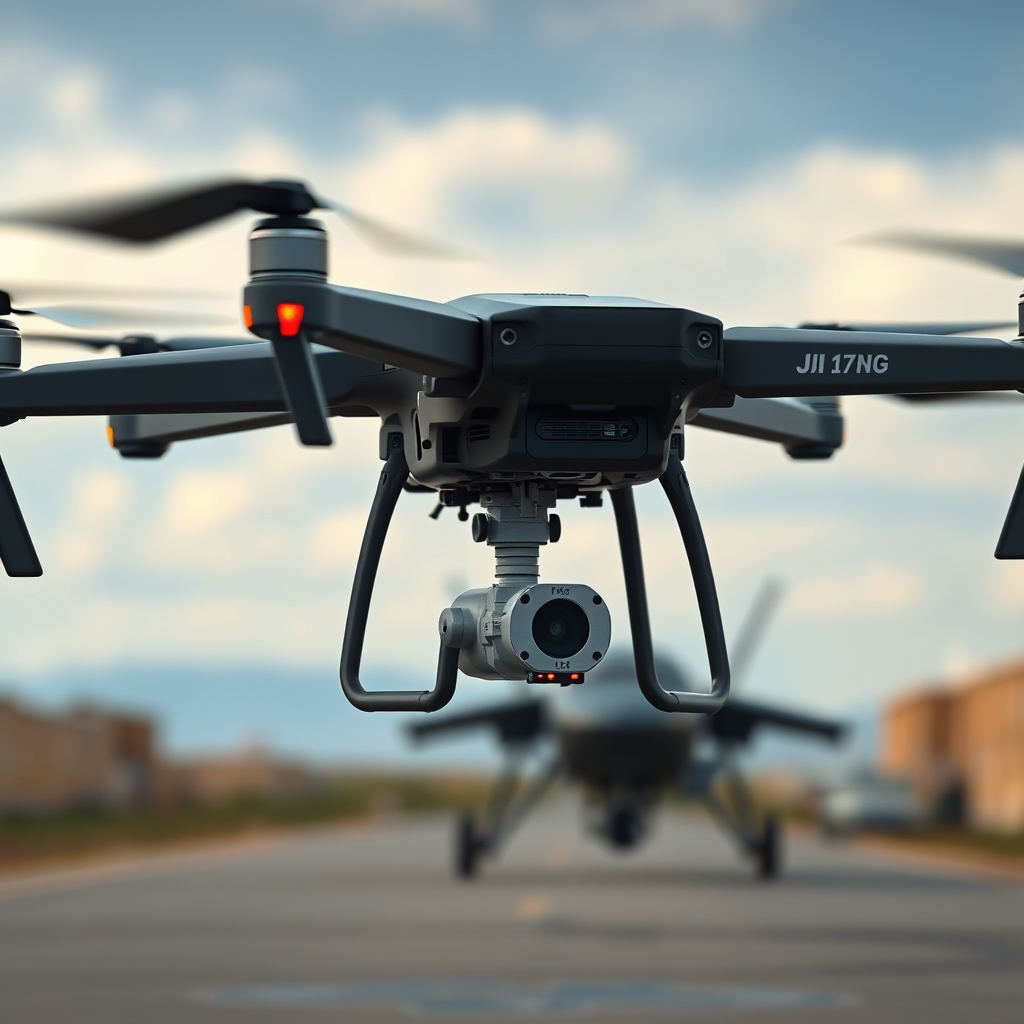
Armed drones, also known as combat drones or attack UAVs, are unmanned aerial vehicles designed specifically for military operations that include the capability to carry and deploy weapons. Their primary purpose in warfare is to provide surveillance, reconnaissance, and strike capabilities without putting pilots in harm’s way. Armed drones can operate in hostile environments and conduct missions that would be dangerous for manned aircraft.
Examples of military drones currently in use include the MQ-9 Reaper and the MQ-1 Predator. The MQ-9 Reaper, developed by General Atomics, is capable of carrying a payload of over 3,000 pounds, including a combination of Hellfire missiles and laser-guided bombs. The MQ-1 Predator, which is now being phased out in favor of the Reaper, was one of the earliest armed drones and played a significant role in the War on Terror. The capabilities of these drones have revolutionized the way military operations are conducted, allowing for real-time intelligence and surgical strikes on high-value targets.
Types of Missiles Used by Drones
Drones can deploy a variety of missile types, each designed for specific operational objectives. One of the most widely recognized missiles used by drones is the AGM-114 Hellfire missile. Originally developed for use against armored vehicles, the Hellfire has evolved into a versatile weapon that can engage a range of targets, including personnel and infrastructure. Other missile types include the GBU-12 Paveway II, a laser-guided bomb that is effective for precision strikes in urban environments.
The differences between guided and unguided missiles are crucial for operational effectiveness. Guided missiles, such as the Hellfire, are equipped with advanced targeting systems that allow for high precision, reducing collateral damage. These missiles often utilize laser guidance or GPS technology to home in on their targets. In contrast, unguided missiles lack precision targeting systems, making them less effective in populated areas. As military operations increasingly emphasize precision and reduced civilian casualties, the use of guided missiles has become more prevalent.
Military Applications of Drones with Missiles
Armed drones are utilized in a variety of combat scenarios, including counter-terrorism operations, reconnaissance missions, and direct engagement of enemy forces. One of the most significant military applications of drones with missiles is in precision strikes against high-value targets, such as terrorist leaders or command centers. Drones enable military forces to conduct these strikes with minimal risk to personnel and reduced likelihood of collateral damage.
The strategic advantages of employing drones for precision strikes are manifold. Drones can loiter over a target area for extended periods, providing real-time intelligence and the ability to strike at the optimal moment. This capability is particularly advantageous in asymmetrical warfare, where the enemy may be using civilian infrastructure to hide or shield their operations. Furthermore, the use of drones can also serve as a psychological tool, instilling fear in adversaries who are aware of their capabilities.
Legal and Ethical Considerations
The use of armed drones raises significant legal and ethical considerations within the framework of international law. International humanitarian law dictates that military actions must adhere to principles of distinction and proportionality, ensuring that combatants are distinguished from civilians and that the use of force does not cause excessive collateral damage. The deployment of drones complicates these legal frameworks, as their remote operation raises questions about accountability and oversight.
Ethical concerns surrounding targeted strikes often center on civilian impact and the morality of remote warfare. Critics argue that drone strikes can contribute to a culture of impunity, where the absence of direct human involvement in combat leads to a desensitization toward civilian casualties. Moreover, the psychological impact on communities subjected to drone surveillance and strikes can lead to long-term instability and resentment. As drone technology continues to evolve, it is imperative that military forces address these legal and ethical challenges to ensure responsible use.
Technological Advances in Drone Missile Capability
Innovations in drone technology have significantly enhanced missile targeting and accuracy, improving the effectiveness of armed drones in combat. One such advancement is the integration of advanced sensor systems, which allow drones to gather intelligence and assess targets in real-time. These sensors can include electro-optical and infrared cameras, enabling operators to make informed decisions before launching an attack.
Artificial intelligence (AI) also plays a critical role in improving operational effectiveness. AI can analyze vast amounts of data from various sources, helping to identify patterns and predict enemy movements. This technological enhancement allows for more precise targeting and reduces the likelihood of errors during operations. Moreover, autonomous systems are being developed that could enable drones to make decisions regarding target engagement, although this raises additional ethical considerations about the role of machines in warfare.
Future Trends in Drone Warfare
The future of drone warfare is poised for significant evolution, driven by ongoing advancements in technology and shifting military strategies. Predictions indicate that we will see an increase in the use of swarms of drones, which can collectively carry out missions more effectively than individual units. This swarm technology could allow for coordinated attacks, overwhelming defenses and complicating enemy responses.
Potential developments in missile technology may also enhance the capabilities of armed drones. Research into hypersonic missiles, which travel at speeds greater than Mach 5, could provide drones with unprecedented strike capabilities, allowing for rapid engagement of time-sensitive targets. Additionally, enhancements in stealth technology may enable drones to operate in highly contested environments, further expanding their operational range.
As these technologies develop, it is essential for military strategists, policymakers, and ethical committees to engage in discussions about the implications of drone warfare on global security and international relations.
Drones equipped with missile systems represent a significant evolution in modern military strategy. Understanding their capabilities, legal implications, and future trends is critical as this technology continues to develop. The integration of advanced technology and ongoing debates about the ethical use of armed drones will shape the future of warfare and its impact on global security. As we move forward, it is imperative to remain informed and consider the broader implications of drone warfare on international relations, civilian safety, and military operations.
Frequently Asked Questions
Can drones be equipped with missiles?
Yes, drones can be equipped with missiles, particularly military drones designed for combat operations. These unmanned aerial vehicles (UAVs) are often outfitted with precision-guided munitions, allowing them to strike specific targets with high accuracy. This capability has been utilized in various military conflicts, where drones are employed for surveillance and targeted strikes without putting pilots at risk.
How do military drones use missiles in combat?
Military drones use missiles to conduct targeted strikes against enemy assets while minimizing collateral damage. They are typically controlled remotely by operators who can assess targets in real-time using onboard sensors and cameras. These drones can engage in reconnaissance missions, gather intelligence, and execute precision strikes, making them invaluable in modern warfare tactics.
Why are drones preferred over traditional aircraft for missile strikes?
Drones are often preferred over traditional aircraft for missile strikes due to their ability to operate without risking a pilot’s life, lower operational costs, and enhanced surveillance capabilities. Drones can loiter over an area for extended periods, providing real-time data and the opportunity to strike when conditions are optimal. Their use also allows for more strategic and less aggressive military engagement.
What types of drones are capable of launching missiles?
Various types of drones are capable of launching missiles, with the most notable being combat drones like the MQ-9 Reaper, the MQ-1 Predator, and the Turkish Bayraktar TB2. These drones are specifically designed for military applications and can carry a range of payloads, including laser-guided bombs and missiles. Each model varies in capability, range, and the type of munitions they can deploy.
Which countries are known to use drones for missile strikes?
Several countries are known to utilize drones for missile strikes, including the United States, Israel, Turkey, and China. The U.S. has been particularly active in deploying armed drones for counter-terrorism operations in regions like the Middle East. Israel has also employed drones for both surveillance and operational strikes, while Turkey and China are rapidly developing their drone capabilities for military use, expanding their strategic options in modern warfare.
References
- https://en.wikipedia.org/wiki/Military_drone
- https://www.reuters.com/article/us-usa-drones-insight-idUSKCN1VQ1O8
- https://www.bbc.com/news/world-us-canada-49309597
- https://www.nytimes.com/2019/06/20/world/middleeast/drone-strikes-iran.html
- https://www.defense.gov/Explore/News/Article/Article/2048487/dod-to-increase-use-of-drones-in-operations/
- https://www.armytimes.com/news/your-army/2021/09/09/army-is-testing-new-drones-that-can-carry-missiles/
- https://www.c-span.org/video/?c4944532/user-clip-drone-drones-101
- https://www.sciencedirect.com/science/article/pii/S1367578817300604
