

Drones cannot smell in the traditional sense like animals do; however, advancements in technology are enabling them to detect certain substances through various sensors. This article examines how drones can mimic olfactory functions and the implications of this technology. As the capabilities of unmanned aerial vehicles (UAVs) continue to evolve, understanding their potential to “smell” through advanced sensing technologies opens new avenues for applications across multiple industries, from environmental monitoring to search and rescue operations.
Understanding Drone Sensing Technology
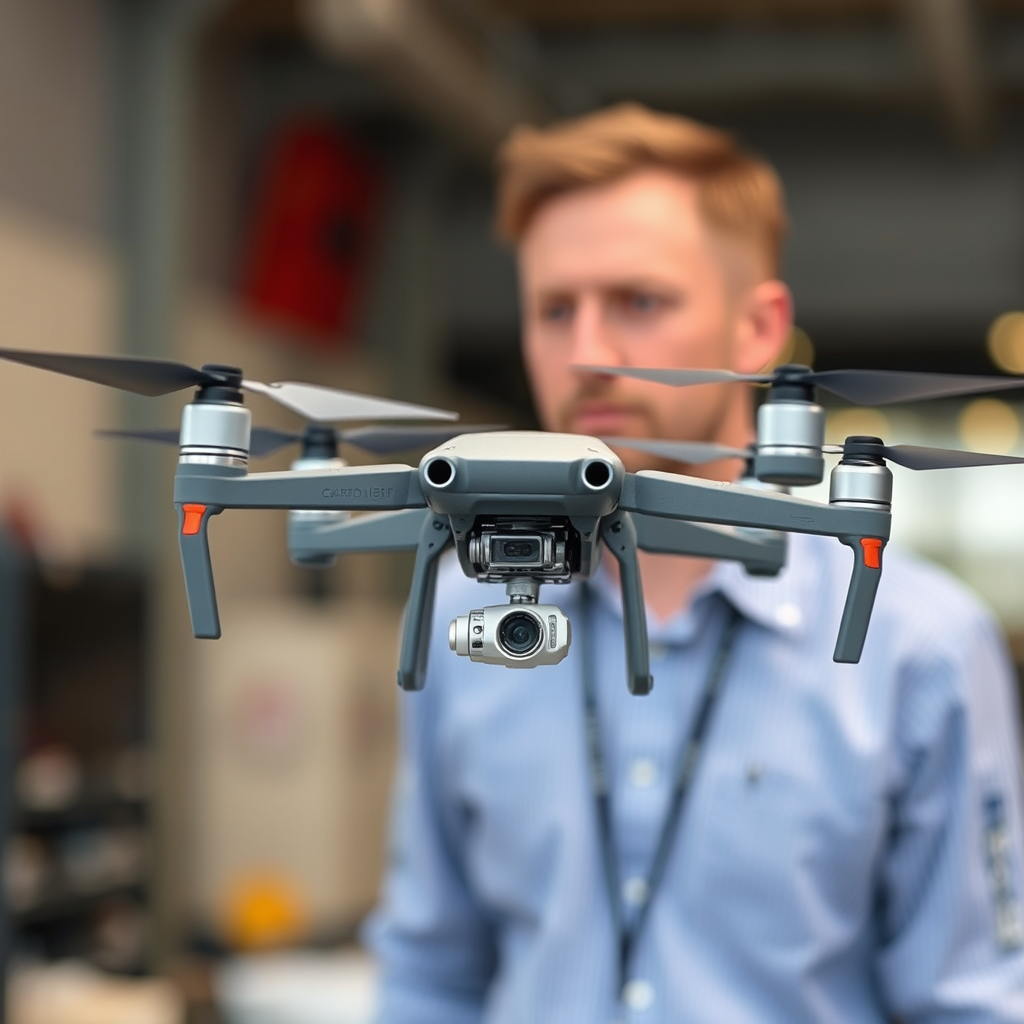
Drones leverage an array of sophisticated sensors to gather extensive environmental data, allowing for a new frontier in detection capabilities. Among these, chemical detectors and infrared cameras play pivotal roles. Chemical sensors can identify specific gases and volatile organic compounds (VOCs), which mimic the olfactory functions found in living organisms. For instance, drones equipped with these sensors can detect methane emissions from landfills or agricultural operations, thereby providing essential data for environmental safety assessments. By utilizing multispectral and hyperspectral imaging, drones can analyze the chemical composition of the atmosphere, revealing information about pollution levels and the health of ecosystems. This combination of sensor technologies illustrates how drones are becoming increasingly adept at simulating the complex sensory functions typically associated with biological organisms.
The Role of Chemical Sensors
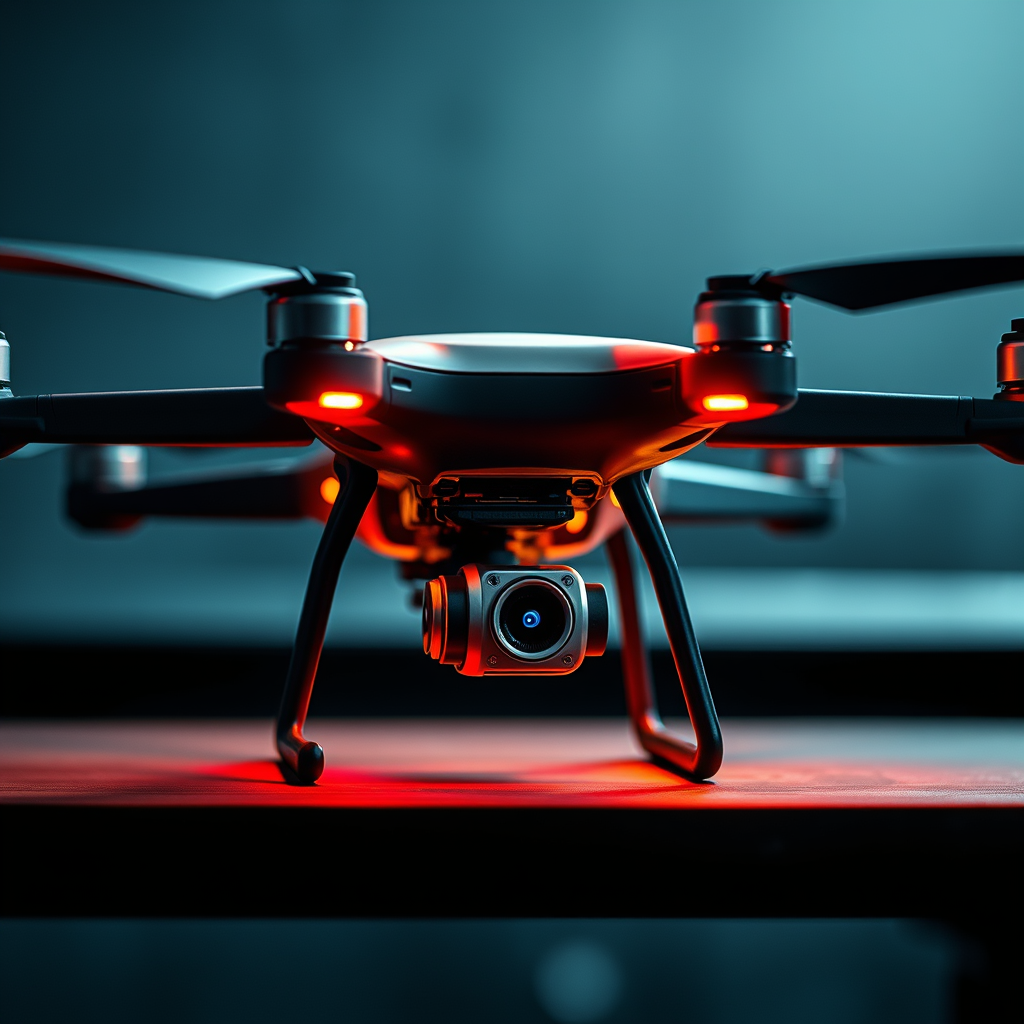
Chemical sensors are crucial in enabling drones to detect and analyze the presence of volatile organic compounds (VOCs) in the atmosphere. These sensors work by utilizing various technologies, such as metal oxide semiconductors, electrochemical cells, and infrared spectroscopy, to identify specific chemical signatures. Applications for these sensors are vast and varied. For example, in environmental monitoring, drones can be deployed to detect hazardous materials or pollutants in the air, providing real-time data that can inform public health decisions and regulatory compliance. In agriculture, chemical sensors can identify the presence of harmful chemicals or gases released by distressed plants, enabling farmers to take timely corrective actions. The ability to detect VOCs not only enhances safety protocols but also fosters more sustainable practices across industries.
Drones in Search and Rescue Operations
In the realm of search and rescue operations, drones equipped with gas sensors can significantly improve the chances of locating victims in challenging environments. These drones can detect human scents, such as carbon dioxide and other chemical markers associated with human presence, even in densely packed areas like forests or urban settings. For instance, during natural disasters when traditional search methods are hampered, drones can cover large areas quickly, identifying potential locations of trapped individuals. In a notable example, during the aftermath of earthquakes, drones have been successfully deployed to locate survivors by detecting the specific gases emitted by human bodies. This capability not only enhances the efficiency of search and rescue missions but also minimizes the risk to human rescuers, providing a vital tool in critical situations.
Agricultural Applications of Drone Technology
In agriculture, drones are revolutionizing how farmers monitor their crops and manage potential threats. By using specialized sensors that can detect odors linked to crop diseases or pest infestations, drones empower farmers to take proactive measures before problems escalate. For example, drones can be programmed to fly over fields and analyze the chemical signatures of plants, identifying early signs of disease or stress that may not be visible to the naked eye. This early detection allows for timely intervention, potentially saving crops and resources. Furthermore, drones can also assess soil health by detecting chemical imbalances or nutrient deficiencies, enabling farmers to optimize fertilizer application and enhance yield. As agricultural challenges grow due to climate change and population pressures, the use of drones for detecting odors associated with crop health is becoming increasingly indispensable.
Future Innovations in Drone Olfactory Technology
As technology continues to advance, researchers are exploring the integration of electronic noses into drone platforms, which could significantly enhance their detection capabilities. Electronic noses, or e-noses, mimic the biological olfactory system by using sensor arrays to identify complex scents. Future innovations may lead to drones capable of identifying and differentiating a wide range of scents, including those that signify environmental hazards, food quality, or even human presence in search and rescue missions. Such advancements could broaden the applications of drones even further, making them invaluable in fields such as food safety inspections, wildlife monitoring, and public health surveillance. The potential for drones to evolve into sophisticated scent detection devices holds exciting prospects for enhancing various industries and improving safety and efficiency.
Ethical Considerations and Limitations
While the burgeoning capabilities of drone technology present numerous advantages, ethical considerations surrounding privacy and surveillance cannot be overlooked. The ability of drones to detect specific scents raises questions about how this technology could be misused for invasive monitoring or unauthorized surveillance. Therefore, regulatory frameworks must evolve alongside technological advancements to ensure responsible use. Additionally, despite their sophisticated sensors, drones currently face limitations in their detection capabilities compared to biological organisms. For instance, while drones can identify certain gases, they lack the nuanced olfactory discrimination that animals possess. This means that while drones can be valuable tools for specific applications, they cannot fully replicate the complex smell detection abilities of living creatures.
In conclusion, while drones do not smell like living creatures, they can detect specific chemicals and scents through advanced sensors. This capability opens up a plethora of applications across various sectors, from enhancing agricultural productivity to improving search and rescue operations. As technology continues to evolve, the potential applications for drones in odor detection are vast and promising. Staying informed about the latest developments in drone technology will help industries leverage these advancements to improve efficiency, safety, and sustainability in their operations.
Frequently Asked Questions
Can drones smell like animals do?
No, drones cannot smell like animals do. Unlike certain animals that possess advanced olfactory systems, drones are equipped with cameras, sensors, and other technologies that do not include smell detection capabilities. While there are specialized drones that can detect certain gases or chemicals using sensors, they do not have the ability to “smell” in the biological sense.
How do drones detect odors or chemicals?
Drones can be equipped with specialized sensors that are capable of detecting specific odors or chemical compounds in the air. These sensors, such as gas detectors or electronic noses, analyze the air composition and can identify the presence of certain substances. This technology is particularly useful in applications like environmental monitoring, search and rescue operations, and industrial inspections.
Why are drones not used for scent detection like dogs?
Drones are not used for scent detection like dogs primarily because they lack the biological complexity required for olfactory sensing. Dogs have a highly developed sense of smell, with millions of scent receptors that allow them to detect a wide range of odors. In contrast, drones rely on electronic sensors that can only identify specific chemicals, making them less versatile than trained scent detection animals.
What are the best applications of drones when it comes to detecting chemicals?
The best applications of drones for detecting chemicals include environmental monitoring, agricultural assessments, and disaster response. For instance, drones equipped with gas detectors can identify hazardous leaks in industrial settings or monitor air quality in polluted areas. In agriculture, they can assess pesticide levels or detect methane emissions from livestock, providing valuable insights for farmers and environmentalists.
Which industries benefit most from drone technology for chemical detection?
Several industries benefit from drone technology for chemical detection, including environmental services, agriculture, and emergency response. Environmental monitoring agencies use drones for air quality assessments, while farmers utilize them for monitoring crop health and pesticide application. Additionally, first responders use drones to assess hazardous material spills or chemical leaks, enhancing safety and response times during emergencies.
References
- https://www.sciencedirect.com/science/article/abs/pii/S1364379118306856
- https://www.bbc.com/news/science-environment-50942761
- https://www.nature.com/articles/s41598-021-93242-2
- https://www.wired.com/story/drones-sensing-tech/
- https://www.reuters.com/technology/drones-that-can-smell-could-help-find-survivors-disasters-2021-03-17/
- https://en.wikipedia.org/wiki/Drone
- https://www.nytimes.com/2021/03/17/science/drones-smell.html
- https://www.nasa.gov/press-release/nasa-s-drones-can-smell-gas-leaks-and-chemicals
- https://www.theguardian.com/technology/2021/mar/17/drones-smell-gas-leaks-chemical-detection
- https://www.techcrunch.com/2021/03/17/drones-can-smell-gas-leaks/
